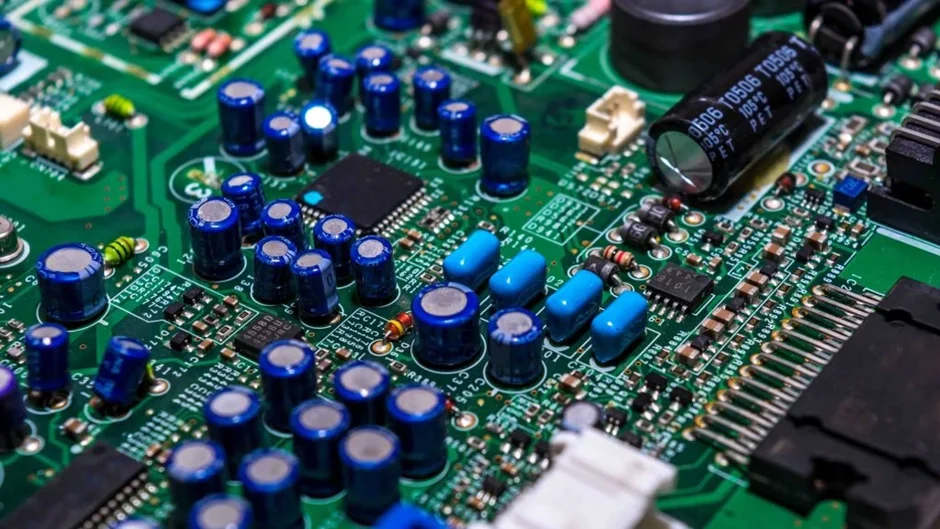
With the increasing size of digital communication systems, companies are required to have a dependable system that makes it possible to send high-quality speech and video over a number of screens.
One of the most practical ways to do this is to use an HDMI RF modulator, which takes the HDMI signal and converts it into an RF signal that can be sent through the existing coax system. Its technical attributes, Alumina density, and electrical insulation are usually given the most attention, but the materials used within the device also impact its performance and service life.
Alumina density is one material that is of great importance. High-density alumina is the most widely used alumina in the electronics manufacturing industry, due to its excellent mechanical stability, electrical insulation, and manufacturing precision. Such properties enable manufacturers to create reliable HDMI RF modulators for challenging applications.
Common Applications of HDMI RF Modulator Technology
The HDMI RF modulator is no longer just for television broadcasting. Today, it serves a variety of industries that call for central video distribution.
Hospitality
HDMI RF modulators are used in Hotels to send broadcast TV channels and welcome messages as well as promotional material to hundreds of guest rooms via the existing coaxial infrastructure.
Healthcare
No separate media systems are required to be installed in hospitals for distributing educational videos, entertainment and emergency announcements in the patient rooms.
Education
HDMI RF modulators are used by schools, colleges and universities to broadcast lectures, training videos and presentations throughout a school.
Retail and Commercial Spaces
HDMI RF modulators are used in various settings to control digital signage and advertising displays, such as shopping malls, supermarkets, airports, and office buildings.
These are all environments that need equipment to run without stopping and perform well.
How Alumina Density Supports Continuous System Performance
Electronic equipment is frequently used for long periods of time every day in commercial applications. Materials are effective in this environment to minimise downtime and ensure consistency of operation.
These demanding applications are achieved with high alumina density, which offers:
- Improved structural stability of electronic components made of ceramics.
- Improved resistance to environmental wear.
- Greater manufacturing precision.
- Great insulation of sensitive circuits.
- High-efficiency operation over long periods.
All these benefits contribute to dense alumina being a preferred material for manufacturers that make commercial-grade modulator hdmi.
Performance Requirements Driving HDMI RF Modulator Innovation
The requirements for various industry applications vary for each HDMI RF modulation system. The manufacturer needs to create products that meet several operating needs.
High Reliability
Commercial users want a continuously stable broadcast, without any fluctuations in performance.
Flexible Installation
Equipment must be easily integrated into existing and new coax systems.
Easy System Expansion
Display networks are used by organisations and tend to grow over time, so scalability is a key factor.
Simplified Maintenance
High-quality PCB Materials are easier to service and maintain over the life of the device.
To meet these requirements, careful engineering and long-lasting interior materials are necessary.
How Material Selection Influences Product Reliability
All manufacturers select materials for their product depending on the use of the product. Premium ceramic products enable greater consistency of production and the protection of delicate electronic assemblies.
Rigid Flex PCB technology is commonly integrated into modern HDMI RF modulators to achieve a compact internal design, which makes manufacturing easier and makes the product more durable. These high alumina density circuit board designs, when combined with other advanced circuit board designs, enable manufacturers to create the equipment required for continuous commercial use.
Long-term ownership costs are affected by material selection as well. Organisations with large display networks are more interested in products with quality components since they have reduced failure rates and reduced need for printed circuit board repair.
Selecting an HDMI RF Modulator Based on Your Application
There’s no single solution for all projects. When buying an HDMI RF modulator, you need to consider the equipment’s use.
Take these into account when deciding:
- Number of displays that need signal distribution.
- Working days per day.
- Current coaxial cable systems.
- Future expansion plans.
- Quality rather than price.
The correct HDMI modulator for the right application will help you generate the maximum value over the life of the equipment and minimise maintenance costs.
What’s Driving the Growth of HDMI RF Modulator Technology?
As more and more industries use digital displays, the demand for HDMI RF modulators is growing. Companies look for systems that are easy to install, cost-effective to maintain and can handle high-definition content.
Manufacturers keep upgrading their designs and products by using high-quality PCB Materials, innovative Rigid Flex PCB technology and higher alumina density ceramics. These enhancements help to develop equipment that is reliable, durable, and of modern production standards.
As commercial communication systems evolve, material innovation will continue to be an important component in the development of HDMI RF modulators.
The Long-Term Value of High Alumina Density in Modern Electronics
An HDMI RF modulator plays more than a signal-changing role. High-quality engineering and material selection are key to its reliable performance. The higher the alumina density, the more robust the ceramic parts are, the more precise the production, and the more reliable their performance in various commercial applications.
Built with the highest quality PCB Materials, the latest Rigid Flex PCB technology, and rugged ceramic components, HDMI RF modulators installed in hotels, hospitals, schools and stores demand a reduced printed circuit board repair rate and offer a long-term investment. Knowing these applications can provide an understanding of why alumina density has become a significant factor in the modern electronic manufacturing industry.