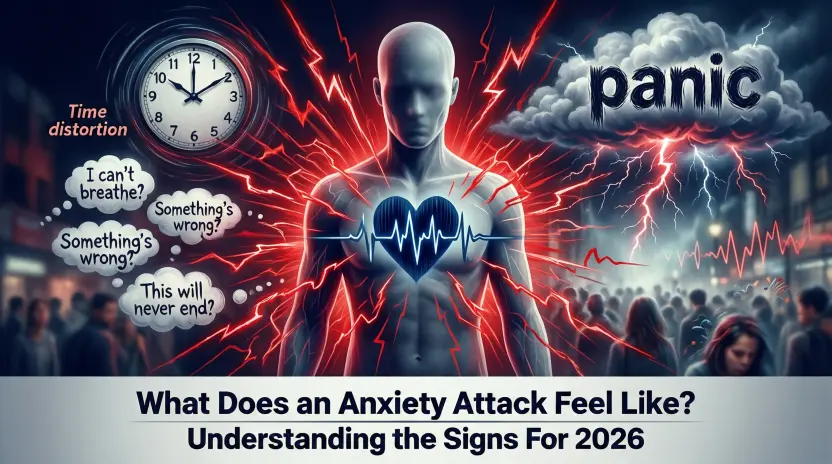
Imagine sitting quietly, and suddenly your heart starts racing, your chest feels tight, and a wave of fear washes over you for no clear reason.
That overwhelming moment could be the start of an anxiety attack. Anxiety attacks are sudden surges of intense fear and discomfort that can be both physically and emotionally exhausting.
Anxiety Attack Feel , Many people experience them at some point in their lives, but the sensations can feel confusing or even frightening, especially if it’s your first time.
Understanding what an anxiety attack feels like is the first step toward managing it effectively.
In this article, we’ll explore the physical, emotional, and mental sensations of anxiety attacks, common triggers, ways to cope in the moment, and long-term strategies for managing anxiety.
By recognizing the signs and knowing what to expect, you can regain control and reduce fear when an attack occurs.
Physical Symptoms of an Anxiety Attack
When an anxiety attack hits, the body often reacts as if it’s facing a real threat, even when there’s no immediate danger.
These physical symptoms can be intense and frightening, making it difficult to understand what’s happening. One of the most common signs is a rapid or pounding heartbeat, often accompanied by chest tightness or discomfort.
Many people also experience shortness of breath, feeling as though they can’t catch enough air.
Trembling, shaking, or sweaty palms are other frequent sensations, signaling the body’s stress response.
Dizziness, lightheadedness, or even a feeling of fainting can occur, adding to the panic. Some people report nausea, stomach cramps, or digestive discomfort, while others notice tingling or numbness in the hands, feet, or face.
Anxiety Attack Feel, These symptoms are the body’s way of activating the “fight or flight” response, preparing to react to danger.
It’s important to remember that although these sensations are alarming, they are not life-threatening.
Recognizing them as part of an anxiety attack can help reduce fear and confusion. Paying attention to your body’s signals is the first step in managing an attack effectively and calming your nervous system during these overwhelming moments.
Mental and Emotional Sensations
Anxiety attacks don’t just affect the body, they also take a toll on the mind and emotions. During an attack, thoughts can spiral rapidly, creating a sense of overwhelming fear or dread.
Anxiety Attack Feel, Many people feel as if they are losing control, or that something catastrophic is about to happen.
This mental intensity can be as frightening as the physical symptoms themselves.
Anxiety Attack Feel, A common experience is racing thoughts the mind jumps from one worry to another without pause.
Some individuals feel detached from reality, experiencing depersonalization (feeling disconnected from oneself) or derealization (feeling the world is unreal). These sensations can make it difficult to focus, communicate, or think clearly during the attack.
Emotionally, anxiety attacks often bring intense panic, irritability, or despair. Even small stressors may feel magnified, and a sense of impending doom can dominate the mind. Frustration or embarrassment may also appear, especially if the attack occurs in public.
Understanding these mental and emotional sensations is crucial. Recognizing that these feelings are part of an anxiety attack not a sign of weakness or danger can help reduce fear and shame. Awareness allows you to apply coping strategies and remind yourself that the episode will pass, giving you more control over your response.
Common Triggers of Anxiety Attacks
Anxiety attacks often seem to come out of nowhere, but many are triggered by identifiable factors.
Understanding these triggers can help you anticipate, prepare for, and even reduce the likelihood of an attack. One of the most common triggers is stressful life events, such as exams, job pressure, relationship conflicts, or financial difficulties.
Even positive events, like moving or starting a new job, can trigger anxiety due to the stress of change.
Past trauma or unresolved emotional experiences can also act as triggers.
People who have experienced accidents, abuse, or other distressing events may find certain situations unexpectedly provoke intense anxiety.
Anxiety Attack Feel, Genetic and biological factors play a role as well if anxiety disorders run in the family, an individual may be more prone to attacks.
Environmental factors, like crowded places, loud noises, or being in unfamiliar situations, can increase vulnerability to an anxiety attack.
Additionally, some people experience attacks when they are physically unwell, sleep-deprived, or overstimulated. Health-related anxiety, or excessive worry about illness or bodily sensations, can also spark an attack.
Anxiety Attack Feel, It’s important to note that triggers vary widely between individuals. While one person may feel anxious in social settings, another may experience attacks in solitude.
By identifying your own triggers, you can develop strategies to avoid, cope with, or manage anxiety more effectively, ultimately reducing the frequency and intensity of attacks.
Recognizing an Anxiety Attack vs Other Conditions
Anxiety attacks can feel overwhelming, and their intense symptoms sometimes mimic serious medical conditions like heart attacks, asthma, or hyperventilation.
This can make it difficult to know whether what you’re experiencing is an anxiety attack or a medical emergency. Understanding the differences is key to reducing fear and responding appropriately.
Physical symptoms of anxiety attacks such as racing heart, chest tightness, shortness of breath, dizziness, and sweating overlap with heart problems
. However, anxiety attacks often peak within 10 minutes and gradually subside, while heart-related issues may persist or worsen over time.
Additionally, anxiety attacks frequently include mental symptoms like intense fear, racing thoughts, and depersonalization, which are less common during a heart attack.
Other conditions, like asthma, may trigger shortness of breath or wheezing, but asthma attacks typically include audible wheezing and difficulty exhaling, whereas anxiety-related breathing issues usually involve rapid, shallow breathing.
Anxiety Attack Feel , Recognizing patterns in your symptoms and triggers can help differentiate an anxiety attack from other conditions.
Keeping a symptom diary and noting what precedes an attack can be helpful.
However, if you ever experience chest pain, severe difficulty breathing, or symptoms that feel life-threatening, it’s crucial to seek immediate medical attention.
By learning to distinguish anxiety attacks from other health issues, you can respond calmly, implement coping strategies, and reduce unnecessary panic while ensuring your safety.
Real Stories: What People Feel During Anxiety Attacks
Hearing real experiences can make anxiety attacks feel less isolating. Many people describe the sudden onset of overwhelming fear that seems to appear out of nowhere. For example, one individual shared, “I was sitting at my desk when suddenly my heart raced, my hands trembled, and I felt like I couldn’t breathe. I was sure something was terribly wrong with me.” This illustrates how anxiety attacks can hit even during seemingly calm moments.
Others report feelings of depersonalization or derealization, saying things like, “It felt like I was watching myself from outside my body. The world seemed unreal, and I couldn’t focus on anything around me.” These sensations can be frightening, but they are a common part of anxiety attacks.
Emotionally, many describe intense dread or a sense of impending doom. Some feel embarrassed or frustrated if the attack occurs in public, worrying about others noticing. Many also report racing thoughts, such as imagining worst-case scenarios or catastrophizing minor situations.
Sharing these stories helps normalize the experience, showing that anxiety attacks are common and not a personal weakness. Recognizing that others go through similar physical, mental, and emotional sensations can reduce shame and fear. By relating to real experiences, readers may feel more prepared and less alone when facing their own anxiety attacks.
Immediate Coping Strategies During an Anxiety Attack
When an anxiety attack strikes, having practical coping strategies at hand can make a significant difference. The first step is to acknowledge the attack and remind yourself that the intense feelings are temporary and will pass. This simple act of awareness can reduce fear and help you regain some control.
Breathing exercises are highly effective for calming the nervous system. Techniques like box breathing (inhale for 4 counts, hold for 4, exhale for 4, hold for 4) or the 4-7-8 method help slow the heart rate and ease shortness of breath.
Grounding techniques are another powerful tool. The 5-4-3-2-1 method, which involves noticing five things you can see, four you can touch, three you can hear, two you can smell, and one you can taste, helps shift attention away from anxious thoughts and back into the present moment.
Muscle relaxation exercises tensing and relaxing each muscle group can release physical tension caused by the body’s “fight or flight” response. Some people also find distractions helpful, such as listening to calming music, talking to a friend, or focusing on a simple task.
Mindfulness meditation and visualization techniques can provide additional relief. Even a few minutes of focused breathing or sensory awareness can significantly reduce the intensity of an anxiety attack.
By practicing these strategies regularly, you can train your body and mind to respond more calmly, making anxiety attacks more manageable and less frightening over time.
Long-Term Ways to Manage Anxiety
While immediate coping strategies help during an anxiety attack, long-term management is essential for reducing their frequency and intensity. One of the most effective approaches is therapy, particularly Cognitive Behavioral Therapy (CBT). CBT helps identify negative thought patterns, challenge irrational fears, and develop healthier coping mechanisms. Over time, this can significantly reduce anxiety attacks.
Lifestyle changes also play a crucial role. Regular exercise helps release tension and produces endorphins, natural mood boosters. Adequate sleep is essential, as sleep deprivation can increase susceptibility to anxiety. Maintaining a balanced diet and limiting caffeine, sugar, or alcohol can help stabilize energy and mood.
Mindfulness practices, such as meditation, yoga, or journaling, can improve emotional regulation and help you stay grounded during stressful moments. Support groups or community resources provide connection and reassurance, allowing individuals to share experiences and strategies in a safe environment.
Avoiding or minimizing exposure to known triggers, when possible, can prevent attacks. However, complete avoidance isn’t always realistic; instead, learning coping skills and gradually facing triggers can build resilience.
Finally, self-care and stress management are key. Simple habits like taking breaks, practicing hobbies, or setting healthy boundaries can reduce overall anxiety levels. By combining therapy, lifestyle adjustments, and self-awareness, you can regain control over your anxiety and experience a more balanced, peaceful life.
When to Seek Professional Help
While occasional anxiety attacks can be managed with coping strategies, there are times when professional help is necessary. If anxiety attacks become frequent, severe, or interfere with daily life, it’s a sign that additional support may be needed. Individuals who experience attacks multiple times a week, or who feel unable to leave the house, work, or socialize, should reach out to a mental health professional.
Warning signs include persistent fear, panic, or physical symptoms that do not improve with relaxation techniques. If you experience chest pain, fainting, or severe shortness of breath, it’s important to rule out medical emergencies first by consulting a doctor.
Professional support can include therapy, medication, or a combination of both. Cognitive Behavioral Therapy (CBT), exposure therapy, and mindfulness-based therapy are proven methods for managing anxiety. Medication prescribed by a psychiatrist may help regulate the brain’s chemical imbalances that contribute to anxiety attacks.
Additionally, therapists can teach long-term coping strategies, relaxation techniques, and stress management tools tailored to individual needs. Support groups and community resources provide connection and understanding, helping individuals feel less isolated.
Seeking help is a sign of strength, not weakness. Early intervention can reduce the intensity and frequency of attacks, improve quality of life, and prevent anxiety from escalating into more serious disorders. If anxiety attacks are affecting your life, don’t hesitate to reach out for professional guidance.
Frequently Asked Questions
Q: Can anxiety attacks happen without a trigger?
Yes, anxiety attacks can occur unexpectedly, even without an obvious trigger. Some people experience spontaneous anxiety attacks, especially those with panic disorder. Understanding your body’s warning signs can help you respond calmly.
Q: How long does an anxiety attack usually last?
Most anxiety attacks peak within 10 minutes, though symptoms may persist for up to 30 minutes. The intensity varies from person to person, but the key is that it is temporary and manageable with coping strategies.
Q: What is the difference between an anxiety attack and a panic attack?
The terms are often used interchangeably. Generally, a panic attack is sudden and intense, while an anxiety attack may build more gradually and include worry about future events. Both share physical and mental symptoms like racing heart, shortness of breath, and fear.
Q: Can lifestyle changes prevent anxiety attacks?
Yes. Regular exercise, proper sleep, balanced nutrition, and stress-reducing practices like mindfulness or yoga can lower overall anxiety levels, making attacks less frequent and severe.
Q: What should I do if I have frequent anxiety attacks?
If attacks are frequent or interfere with daily life, seek professional help. Therapy, medication, or a combination of both can provide long-term relief. Support groups and coping strategies can also help manage symptoms effectively.
Q: Are anxiety attacks dangerous?
While anxiety attacks are frightening, they are not life-threatening. Recognizing symptoms and using coping strategies can help you navigate an attack safely and reduce fear over time.
Conclusion
Experiencing an anxiety attack can feel overwhelming, confusing, and even frightening, but understanding what it feels like is the first step toward regaining control.
Anxiety attacks involve a combination of physical, mental, and emotional sensations, from rapid heartbeat and shortness of breath to racing thoughts, fear, and depersonalization.
Recognizing these symptoms helps reduce fear, allowing individuals to respond calmly rather than panic.
Identifying common triggers such as stress, trauma, or environmental factors can also help in anticipating and managing attacks.
Immediate coping strategies, like deep breathing, grounding exercises, and mindfulness techniques, provide relief in the moment. Meanwhile, long-term approaches, including therapy, lifestyle adjustments, and stress management, can reduce the frequency and intensity of anxiety attacks over time.
It’s equally important to know when to seek professional help. Frequent or severe attacks, persistent anxiety, or physical symptoms that mimic medical emergencies should always be evaluated by a qualified professional.
Seeking support is a sign of strength and can make a dramatic difference in overall well-being.
Remember, anxiety attacks are common, manageable, and temporary.
By understanding the signs, practicing coping strategies, and accessing professional help when needed, anyone can regain a sense of calm, confidence, and control.
You are not alone, and with the right tools, anxiety attacks can be navigated safely and effectively.

“ASF — Discipline, Duty & Determination. A mind trained for focus, a heart built on courage, and a spirit that never backs down. Living by principles, acting with purpose, and leading with strength. Silence in action, power in presence, and pride in every step. Always ready, always alert. Explore more at thepunside.com.”