Cold sores and dental pain are two of the most frustrating health issues people deal with regularly. A cold sore appears without warning, turning a normal day into one filled with discomfort, self-consciousness, and burning pain. Dental pain, whether from a sensitive tooth, post-procedure soreness, or chronic inflammation, can make eating, speaking, and even sleeping feel unbearable. What makes both conditions especially challenging is their tendency to recur — traditional treatments like antiviral creams, over-the-counter pain relievers, or prescribed medications often provide only temporary relief while doing little to address the underlying cause or prevent future flare-ups.
Fortunately, modern wellness technology offers a promising alternative. Red light therapy has emerged as a non-invasive, drug-free approach that targets pain and inflammation at the cellular level. By using specific wavelengths of light to stimulate the body’s natural healing processes, this therapy can shorten the duration of cold sore outbreaks, ease dental discomfort, and support faster tissue recovery — all from the comfort of your home. If you’re searching for a more effective, lasting solution to these recurring problems, red light therapy may be exactly what you need.
The Agony of Cold Sores and Dental Pain
Cold sores strike with little warning — a tingling sensation followed by painful blisters that linger for days, affecting confidence and comfort alike. Dental pain compounds everyday tasks, turning meals and conversations into ordeals. Most people reach for antiviral creams, numbing gels, or over-the-counter pain relievers, only to find temporary relief at best. These treatments mask symptoms rather than targeting the root cause, leaving the door open for recurring flare-ups. For anyone dealing with chronic outbreaks or persistent oral discomfort, there’s a clear need for solutions that go deeper — addressing inflammation, accelerating healing, and genuinely reducing how often these problems return.
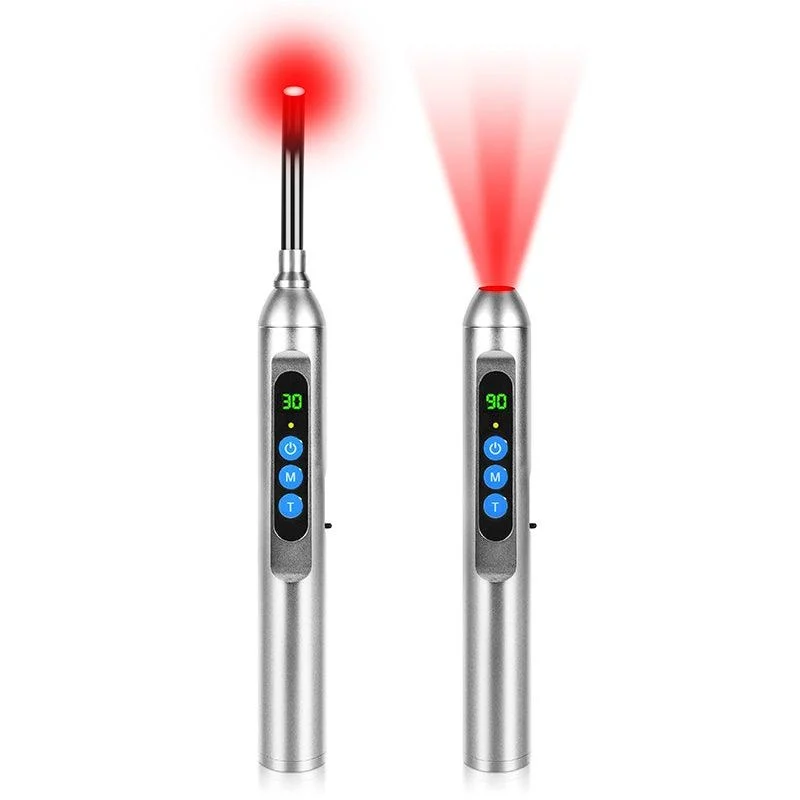
Introducing Red Light Therapy Devices
Red light therapy uses specific wavelengths of light — typically between 630 and 850 nanometers — to penetrate skin and tissue, stimulating the body’s natural repair mechanisms at the cellular level. Originally developed for clinical settings, red light therapy devices have since evolved into accessible, user-friendly tools available for everyday home use. Today, they serve a wide range of health and wellness applications, from reducing inflammation and accelerating wound healing to easing muscle soreness and supporting skin recovery. For conditions like cold sores and dental pain, these devices offer a targeted, evidence-backed approach that works with the body rather than simply masking discomfort.
The Healing Power: Inflammation Reduction and Sores Healing
Red light therapy’s effectiveness isn’t coincidental — it’s rooted in well-documented cellular biology. When specific wavelengths of red and near-infrared light reach the skin, they are absorbed by mitochondria, the energy-producing structures within cells. This absorption triggers a boost in adenosine triphosphate (ATP) production, essentially supercharging the cell’s ability to repair itself, reduce oxidative stress, and regulate inflammatory responses. The result is a measurable reduction in the cytokines responsible for prolonged inflammation — the same inflammation that makes cold sores painful and dental tissue tender after procedures or injury.
Beyond calming inflammation, red light therapy directly accelerates the healing of damaged tissue. It stimulates fibroblast activity, prompting increased collagen production that repairs skin and mucosal tissue more efficiently. For healing sores, this means the blistered skin associated with cold sore outbreaks rebuilds faster, reducing both duration and severity. For oral tissue, collagen synthesis supports the recovery of gum and soft tissue damaged by infection or dental work. Clinical research has demonstrated that red and near-infrared wavelengths, particularly around 630–670nm and 810–850nm, are most effective for this type of photobiomodulation. Consistent application brings cumulative benefits, making each subsequent flare-up shorter and less intense over time.
Rapid Relief for Cold Sores with Red Light Therapy
For anyone who has endured a cold sore outbreak, speed matters. The herpes simplex virus responsible for cold sores remains dormant in nerve tissue and reactivates in response to stress, sun exposure, illness, or hormonal changes. Once triggered, the typical outbreak runs its full course over 7 to 10 days without intervention. Red light therapy can meaningfully compress that timeline. By delivering targeted wavelengths directly to the affected area at the earliest tingling stage, it slows viral replication, reduces localized inflammation, and accelerates skin repair — often cutting outbreak duration to just 3 to 5 days.
Clinical evidence supports this application. A controlled study published in the journal Photomedicine and Laser Surgery found that patients receiving low-level laser therapy during cold sore outbreaks experienced significantly shorter healing times and reduced pain compared to controls. More notably, participants who used the therapy consistently reported longer intervals between outbreaks, suggesting that repeated treatment may raise the threshold for future reactivation. This cumulative protective effect is one of red light therapy’s most compelling advantages — it doesn’t just treat the current sore but works toward reducing how frequently the virus resurfaces. For chronic sufferers, consistent use at the first sign of tingling offers the best chance of minimizing both severity and recurrence.
Non-invasive Dental Pain Treatment Using Red Light
Dental pain rarely arrives at a convenient time, and for many people, the prospect of additional procedures to treat post-treatment soreness or chronic discomfort is deeply unappealing. Red light therapy offers a genuinely non-invasive treatment path — no needles, no pharmaceuticals, no recovery period. By applying targeted wavelengths of red and near-infrared light to the jaw and surrounding tissue, the therapy penetrates beneath the surface to address inflammation at its source, rather than simply numbing the sensation.
The applications are broad. After a tooth extraction, root canal, or implant placement, the surrounding gum and bone tissue undergo an inflammatory response that drives pain and slows recovery. Red light therapy modulates this response by reducing pro-inflammatory cytokines and stimulating cellular repair in the affected tissue, leading to faster recovery and reduced reliance on pain medication. For chronic conditions like temporomandibular joint (TMJ) disorder or persistent gum sensitivity, consistent treatment sessions have shown measurable reductions in both pain intensity and inflammation markers.
Research published in dental and photomedicine journals consistently supports photobiomodulation as a complementary approach to standard dental care. Patients using red light therapy alongside conventional treatment reported lower pain scores and shorter discomfort windows — outcomes that make this non-invasive treatment a compelling addition to any oral health routine.
How to Use a Portable Red Light Device for Effective Relief
For Cold Sores: Direct Application Techniques
A portable red light device makes consistent treatment genuinely achievable at home, but proper technique determines how much benefit you’ll actually get. Before each session, clean the affected area gently and ensure the device lens is free of debris. Position the device so the light aperture sits roughly half an inch from the skin — close enough for effective tissue penetration without direct contact, which can introduce bacteria to an open sore. Aim for sessions of 60 to 90 seconds per affected spot, two to three times daily during an active outbreak. Most importantly, begin treatment at the very first tingling sensation before blisters form. Early intervention consistently produces the shortest outbreak duration. For prevention between outbreaks, one daily session over the typical trigger zone — usually the lip border — three to four times per week is a practical maintenance routine.
For Dental Pain: Targeted Use Around the Jaw and Mouth
For dental discomfort, the approach shifts to external application along the jaw, cheek, or gum line corresponding to the painful area. Hold the device against the outer cheek or under the jaw for two to three minutes per session, once or twice daily. Always keep the light directed away from the eyes — use protective goggles if your device doesn’t include a focused aperture. After extractions or dental procedures, wait 24 hours before beginning treatment to avoid disrupting initial clot formation, then apply consistently throughout recovery. For chronic conditions like TMJ pain or gum sensitivity, daily sessions over two to four weeks typically yield the most noticeable improvement. Combine red light therapy with your dentist’s existing care recommendations rather than replacing professional treatment — this positions it as a powerful complementary tool that meaningfully shortens discomfort windows.
Choosing the Best Red Light Therapy Device for Your Needs
Not all red light therapy devices deliver equal results, and choosing the right one makes a meaningful difference in treatment outcomes. Wavelength accuracy is the most critical factor — look for devices that emit verified wavelengths in the 630–670nm range for surface-level tissue like cold sores, and 810–850nm for deeper penetration needed in dental pain applications. Power output matters too; insufficient irradiance means longer sessions with diminished results, so opt for devices with clearly stated power density specifications. For home use targeting both conditions, portability is a practical priority — a compact, handheld design allows precise application to the lip area or jaw without awkward positioning. Brands like YouLumi have developed red light therapy devices built around these exact specifications, combining verified wavelength output with user-friendly designs suited to at-home oral care routines. Safety features including automatic shutoff timers and eye-safe aperture designs are worth prioritizing, particularly for oral applications near the eyes. Finally, look for devices backed by clinical testing or third-party certifications rather than marketing claims alone. Reliable equipment isn’t just a convenience — it’s the foundation of effective, consistent treatment.
A Modern Approach to Lasting Oral Relief
Red light therapy represents a genuine shift in how we can approach two of the most persistent and disruptive oral health challenges — cold sores and dental pain. Rather than masking symptoms with temporary fixes, it works at the cellular level to reduce inflammation, accelerate tissue repair, and gradually lower the frequency of recurring outbreaks. For cold sore sufferers, that means shorter, less painful episodes and longer stretches without flare-ups. For those managing post-dental procedure soreness, TMJ discomfort, or chronic gum sensitivity, it means faster recovery and real relief without additional invasive steps or heavy reliance on medication.
What makes this therapy especially compelling is its accessibility. A portable, well-designed device brings clinical-grade photobiomodulation into your daily routine — something you can use at the first sign of a tingle or apply consistently during dental recovery, all from home. The non-invasive nature, combined with a growing body of clinical evidence, makes it a smart addition to any oral health toolkit. If recurring cold sores or persistent dental pain have been diminishing your quality of life, red light therapy offers a practical, science-backed path forward. Embracing this modern approach means treating your body’s healing potential as an asset — one worth actively supporting.