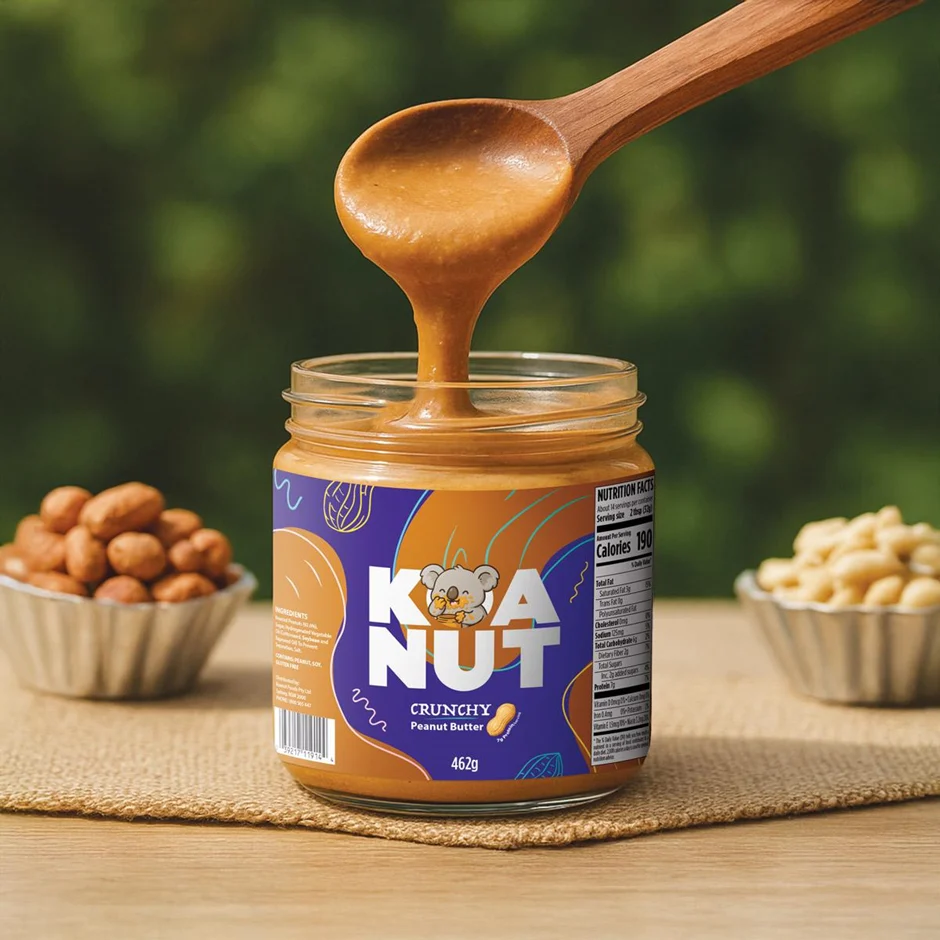
Here’s a slightly awkward truth: your product gets judged before anyone reads a single word about it. Shoppers glance, decide, and move on in roughly the time it takes to blink twice. That snap judgement is happening whether you planned for it or not, and your food labels are the ones doing all the talking on your behalf.
So the real question isn’t whether shoppers judge fast: they do. It’s whether that judgement lands in your favour. Well-made food labels turn a quiet glance into a hand reaching for the shelf, giving your product instant credibility before anyone tastes, smells, or opens a thing. Nail the label and it sells for you all day, no coffee breaks required.
A Dull Label Is a Silent Sales Killer
Shoppers Decide in Seconds, Not Sentences: Most people choose a product in about three seconds, long before they read the fine print. That means a tired, generic design quietly loses sales you never knew were on the table. Shoppers assume a scruffy label means a scruffy product inside, fair or not. First impressions are brutal, and your packaging is standing there taking the hit.
The Cost of Cheaping Out Shows Up Later: In everyday retail, brand owners routinely watch shoppers reach past their jar for the tidier-looking one beside it. Skimping on packaging rarely feels expensive on day one. It shows up later as slow shelves, nervous stockists, and a product that gets overlooked no matter how good the recipe is. Put it off long enough and sharper-looking rivals simply eat your lunch.
Good Labels Turn Browsers into Buyers
A Sharp Look Buys Instant Trust: A polished label signals quality before anyone reads the ingredients. There’s a solid reason for that. Clean type and a confident finish tell shoppers the brand takes itself seriously, so they trust what’s inside. Loads of grocery shopping runs on impulse purchasing, where a strong visual nudge tips a glance into a sale. Look the part and buyers assume the flavour matches.
Standing Out Beats Blending in Every Time: On a crowded shelf, standing out is the difference between getting noticed and getting missed. Food labels with a bit of personality, a smart colour choice, or an unexpected finish give the eye somewhere to land. That tiny pause is often all it takes for someone to pick your jar up and read on. Boring is invisible, and invisible doesn’t ring the till.
Paper, Synthetic, or Metallic: Which One Earns Its Keep
Laminated Paper Is Your Budget Hero: For most shelf-stable products, laminated paper labels do the job without denting your budget. A matte or gloss laminate keeps colours crisp and shrugs off handling on dry goods like spices, biscuits, and pantry staples. In visual merchandising terms, they hold their own next to pricier stock and look just as sharp under shop lighting. Cost-effective and clean: not much to argue with there.
Synthetic Stock Handles the Damp and Oily Stuff: Once fridges, condensation, or oily contents enter the picture, synthetic polypropylene labels earn their higher price. They resist moisture, refuse to lift at the edges, and stay tidy through cold storage and messy handling. For a bit of shine, a synthetic silver stock gives that metallic, premium sparkle without the fuss. The trade-off is simple: pay a touch more, worry a lot less.
A Sharp Label Keeps Paying You Back
Tough Labels Keep Their Good Looks: A label that survives the journey keeps selling long after it leaves production. Scuffed corners, faded print, and lifting edges quietly tell shoppers a product is old or cheap, even when it’s neither. The right stock and finish protect that first impression through transport, storage, and weeks of shelf life. Spend once on a label that lasts, rather than apologising for it later.
Small Runs Now, Big Range Later, No Stress: Growing brands don’t need to gamble on a giant print run to look the part. Ordering online means testing a design, printing a modest batch, and scaling up as demand grows, without any minimum-order headaches. That flexibility keeps cash free while your range expands from one flavour to five. Smart food labels aren’t a splurge: they’re a quietly sensible investment in getting noticed.
Bits Worth Bookmarking before Your Next Print Run
Before you sign off on your next batch, here’s the short version of what really makes food labels pull their weight on a busy shelf. None of it is complicated, and none of it costs a fortune, but skipping it is exactly how good products end up gathering dust while flashier rivals sell out.
- Shoppers size up your product in seconds, so the label has to win them over fast
- Laminated paper suits dry, shelf-stable goods and keeps costs sensible
- Synthetic stock is your best mate for fridges, sauces, and anything prone to moisture
- A metallic silver finish adds premium shimmer when a design needs extra punch
- Scuffs, fading, and lifting edges make a product read as old, even when it’s fresh
- Ordering online lets you start small and scale up without huge minimum runs
Give Your Product the Shelf Presence It Deserves
Your recipe might be brilliant, but on a crowded shelf the label earns the first yes. Every week with tired packaging is another week of shoppers reaching past you for something that looks more sorted. The fix is quick, and easy on your budget. It’s time to turn browsers into buyers. Request a quote and get your labels working as hard as you do.