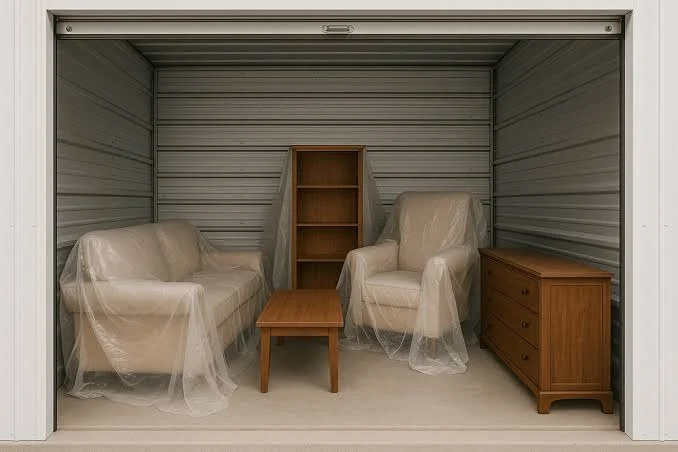
It’s frustrating to watch good furniture get damaged simply because there’s nowhere suitable to keep it.
Perhaps your new apartment isn’t ready, your villa is being renovated, or you’re leaving the UAE for a few months. You may have spent years choosing the right sofa, dining set, beds, and cabinets. Selling everything quickly rarely feels like the best answer, but squeezing it into a spare room isn’t much better.
That’s where furniture storage in Dubai becomes useful. A dependable storage service gives your belongings a clean, secure place to stay until you’re ready to use them again.
The difficult part is choosing the right facility. Price matters, but so do humidity, packing, collection, building access, insurance, and the way your furniture is stacked. This guide explains what to check before making a booking.
What Is Furniture Storage in Dubai?
Furniture storage is a short-term or long-term service for keeping household and commercial furniture outside your property.
You can store a few individual pieces, such as a bed and sofa, or the entire contents of an apartment, villa, shop, or office. This flexibility makes it easier to choose the right space when comparing self storage Dubai options for short-term or long-term needs.
Depending on the company, the service may include:
- Furniture collection from your property
- Dismantling of beds, tables, and wardrobes
- Protective wrapping and labelling
- Transportation to the facility
- Placement inside a private unit or managed warehouse
- Storage for an agreed period
- Return delivery and reassembly
Not every company includes all these services in its monthly rate. Some businesses provide storage space only, while others manage the complete process from collection to redelivery.
This is why two quotations that appear similar at first can have very different final costs.
When Does Furniture Storage Make Sense?
Most people don’t rent storage because they simply own too much furniture. They usually need it because something has changed.
Your moving dates don’t match
You may need to leave your current home before receiving the keys to the next one. Even a gap of one or two weeks can create a serious problem when you have several rooms of furniture.
Temporary storage prevents you from rushing into an unsuitable property or moving the same items between relatives’ homes.
Your property is being renovated
Furniture and renovation work don’t mix well. Dust gets into upholstery, paint reaches unexpected places, and workers need clear space to move materials and equipment.
Keeping larger items in storage can also help contractors finish the work faster because they aren’t constantly shifting sofas, cabinets, and tables around the room.
You’re travelling or leaving the UAE temporarily
Selling an entire household before a short overseas assignment may cost more than storing it. When you return, you’ll also need time and money to replace everything.
Storage can be the more sensible choice when your furniture is in good condition and you already know you’ll need it again.
You’re downsizing
Moving from a villa to an apartment often means making decisions under pressure. A storage unit gives you time to decide what should be kept, sold, donated, or moved to another property.
Your business needs temporary space
Office desks, reception furniture, display units, filing cabinets, and meeting tables may need storage during an office relocation or fit-out.
Business storage can keep these items out of the way without forcing the company to dispose of usable assets.
Why the Right Storage Environment Matters
A storage room isn’t automatically suitable just because it has four walls and a locked door.
Furniture contains materials that react differently to their surroundings. Wood may expand or contract as environmental conditions change. Fabric can retain moisture and odours. Leather may crack or develop surface damage when stored poorly.
The Smithsonian recommends protecting furniture from extreme changes in heat and humidity, direct light, liquids, and careless handling. Its conservation guidance also stresses that furniture should be carried from its strongest structural points rather than from weaker legs, arms, or decorative sections.
Moisture deserves particular attention. The US Environmental Protection Agency identifies moisture control as the key to preventing mold and advises that damp items should be dried completely. Porous materials can be difficult to restore after mould penetrates them.
For Dubai customers, the lesson is straightforward: don’t judge a facility by appearance alone. Ask how it manages temperature, humidity, ventilation, water leaks, dust, and pests.
Furniture Storage Options Available in Dubai
Storage companies don’t all operate in the same way. Understanding the main options makes it easier to compare quotations.
Private Self-Storage Units
A private unit is a dedicated enclosed space rented by one customer. You can usually store furniture, boxes, appliances, and personal belongings together.
This option suits people who want more control over how their items are arranged or expect to access them during the rental period.
Check whether access is available every day or only during set operating hours.
Managed Warehouse Storage
In managed storage, the company collects your furniture and places it inside a warehouse. You normally contact the provider when you need an item returned.
It can be more economical than renting a private room because you pay for the space your belongings occupy rather than an entire unit.
The downside is limited access. Some companies also charge handling fees whenever furniture is removed and placed back into storage.
Container Storage
Your belongings are packed into an individual wooden or metal container, which remains closed inside the warehouse.
This reduces unnecessary handling and keeps one customer’s furniture separate from other stored items. Ask whether the container is kept indoors and how airflow and moisture are controlled.
Climate-Controlled Storage
Climate-controlled storage aims to maintain more stable environmental conditions than a standard warehouse.
It’s worth considering when storing:
- Leather sofas
- Solid-wood furniture
- Antique pieces
- Musical instruments
- Artwork
- Upholstered furniture
- Sentimental or high-value items
- Furniture for a long period
Don’t accept “air-conditioned” as a complete explanation. Ask whether humidity is monitored, whether the system operates continuously, and what backup arrangements are in place.
How to Arrange Furniture Storage Without Unwanted Surprises
A little preparation can prevent incorrect quotations, collection delays, and damage.
1. Decide What You Actually Need to Store
Walk through each room and create a written inventory.
Don’t write “bedroom furniture.” List the individual pieces:
- King-size bed frame
- Mattress
- Two bedside tables
- Six-door wardrobe
- Dressing table
- Mirror
- Armchair
Include boxes, rugs, lamps, appliances, and outdoor furniture if they’re going into the same facility.
2. Measure the Larger Pieces
Measure sofas, dining tables, wardrobes, beds, and cabinets. Note whether each item can be dismantled.
Measurements help the company estimate the required storage volume and choose an appropriate vehicle. They also reveal whether an item will fit through your doorway, corridor, staircase, or service lift.
3. Take Clear Photographs
Photographs are often more useful than a short description.
Take wide images showing the whole room, followed by close-ups of large or fragile pieces. Photograph existing scratches, stains, dents, or loose parts before collection.
This creates a basic condition record and reduces disagreement later.
4. Explain the Access Conditions
Collection is easier from a ground-floor villa with nearby parking than from a high-rise apartment with restricted lift times.
Tell the provider about:
- Your floor number
- Service-lift availability
- Lift-booking requirements
- Stairs
- Long corridors
- Basement loading areas
- Parking restrictions
- Building moving permits
- Distance between the truck and entrance
If access details are missing, the crew may arrive without enough workers, time, or equipment.
5. Request a Survey for Larger Moves
Photographs may be enough for a few items. For a full apartment, villa, or office, a physical or video survey is safer.
A surveyor can assess the inventory, packing requirements, dismantling work, access conditions, vehicle size, and likely storage volume.
6. Confirm How the Furniture Will Be Packed
Ask the company to explain its packing method before collection day.
A proper plan may include:
- Moving blankets for wooden furniture
- Corner protection for tables and cabinets
- Mattress and sofa covers
- Bubble protection for fragile areas
- Strong cartons for removable parts
- Labelled bags for screws and fittings
- Crates for mirrors, glass, or valuable items
Furniture must be clean and fully dry before wrapping. Packing a recently washed sofa or damp rug can trap moisture around the material.
7. Read the Quotation Line by Line
The written quotation should identify what you’re paying for.
Check whether it includes:
- Collection
- Packing materials
- Labour
- Dismantling
- Transportation
- Monthly storage
- Minimum rental period
- Security deposit
- Insurance
- VAT
- Access charges
- Partial retrieval
- Return delivery
- Reassembly
A low monthly rate isn’t useful when collection and redelivery cost more than expected.
8. Review the Facility and Contract
Visit the facility when practical. Look beyond the reception area.
Check whether the actual storage space is clean, dry, organised, and protected from public access. Ask about CCTV, access logs, pest control, smoke detection, alarms, emergency procedures, and water-leak inspections.
Dubai Civil Defence provides approvals and compliance services connected with fire and life-safety systems. Customers can reasonably ask a storage provider about applicable fire-safety arrangements and facility approvals.
What Affects Furniture Storage Costs in Dubai?
There isn’t one fixed price for furniture storage. The quotation depends on the space, service level, and amount of work involved.
| Pricing factor | Why it changes the quote |
| Furniture volume | Larger inventories occupy more warehouse or unit space |
| Storage period | Monthly and long-term agreements may use different rates |
| Private or shared storage | A private unit often costs more than shared managed space |
| Climate control | Environmental monitoring adds to facility operating costs |
| Packing | Fragile and valuable pieces require more materials and labour |
| Collection location | Distance affects vehicle and transport costs |
| Property access | Stairs and restricted lifts increase collection time |
| Dismantling | Large beds and wardrobes may need specialist handling |
| Retrieval | Partial or frequent access may involve additional labour |
| Redelivery | Final transport may be quoted separately |
| Insurance | Extra cover may increase the total amount |
Ask for the total cost of putting your furniture into storage and taking it out again. That figure is more useful than comparing monthly rates alone.
Mistakes That Commonly Lead to Damage or Extra Charges
Booking an Unknown Unit Size
Guessing the required space can leave you paying for an oversized unit or trying to squeeze furniture into an unsuitable one.
Send an inventory and measurements. For larger moves, arrange a survey.
Storing Furniture Before It Has Dried
A sofa that feels dry on the surface may still contain moisture after deep cleaning. The same applies to rugs, mattresses, and outdoor cushions.
Allow enough drying time before collection.
Using Plastic Directly on Every Item
Plastic can protect against dust and surface dirt, but it isn’t suitable as the only wrapping material for every type of furniture. Under certain conditions, tightly sealed plastic may trap moisture.
Ask what breathable or padded materials will be used around wood, fabric, and leather.
Ignoring the Return-Delivery Cost
Customers often focus on collection and monthly storage. Months later, they discover that removing, loading, transporting, and assembling everything is a separate service.
Get the move-out terms in writing before the items enter the facility.
Stacking Heavy Boxes on Sofas or Mattresses
Upholstered furniture isn’t a shelf. Heavy loads can crush cushions, distort frames, and leave pressure marks that don’t disappear.
Stable cabinets and properly packed boxes should carry weight, not soft furniture.
Assuming All Damage Is Automatically Covered
Storage contracts may limit liability or exclude certain types of damage.
Ask what protection is included, how claims are handled, and whether you need separate insurance for expensive items.
Practical Advice From an Experienced Storage Perspective
A well-organised storage job begins before the truck arrives.
Label every dismantled part. Keep screws and bolts in separate bags, then attach each bag to the related item or place all hardware inside a clearly marked box.
Don’t dismantle furniture unnecessarily. Some inexpensive flat-pack pieces become weaker each time they’re taken apart and reassembled.
Store items in the order you’re likely to need them. Furniture required immediately after moving should remain easier to reach than seasonal decorations or rarely used boxes.
Leave a small access path inside a private unit. Filling every centimetre may save space, but it makes retrieval difficult and increases the chance of items being dragged or knocked over.
Most importantly, choose a provider that asks questions. A company should want to know what you’re storing, where it’s being collected, how long it will remain, and whether anything requires special handling.
A quote given without an inventory may be quick, but it isn’t necessarily reliable.
Give Your Furniture the Protection It Deserves
Furniture storage should make a difficult period easier, not create another problem to solve later.
Prepare an accurate inventory, disclose the access conditions, and request a detailed written quote. Compare how each company handles packing, humidity, security, insurance, access, and return delivery.
The cheapest room isn’t always the best value. A slightly higher price can be worthwhile when it includes proper wrapping, careful handling, suitable storage conditions, and clear responsibility from collection to redelivery.
For an accurate furniture storage quote in Dubai, send the provider photographs and dimensions of your main items. Ask for the complete cost in writing before confirming the booking.