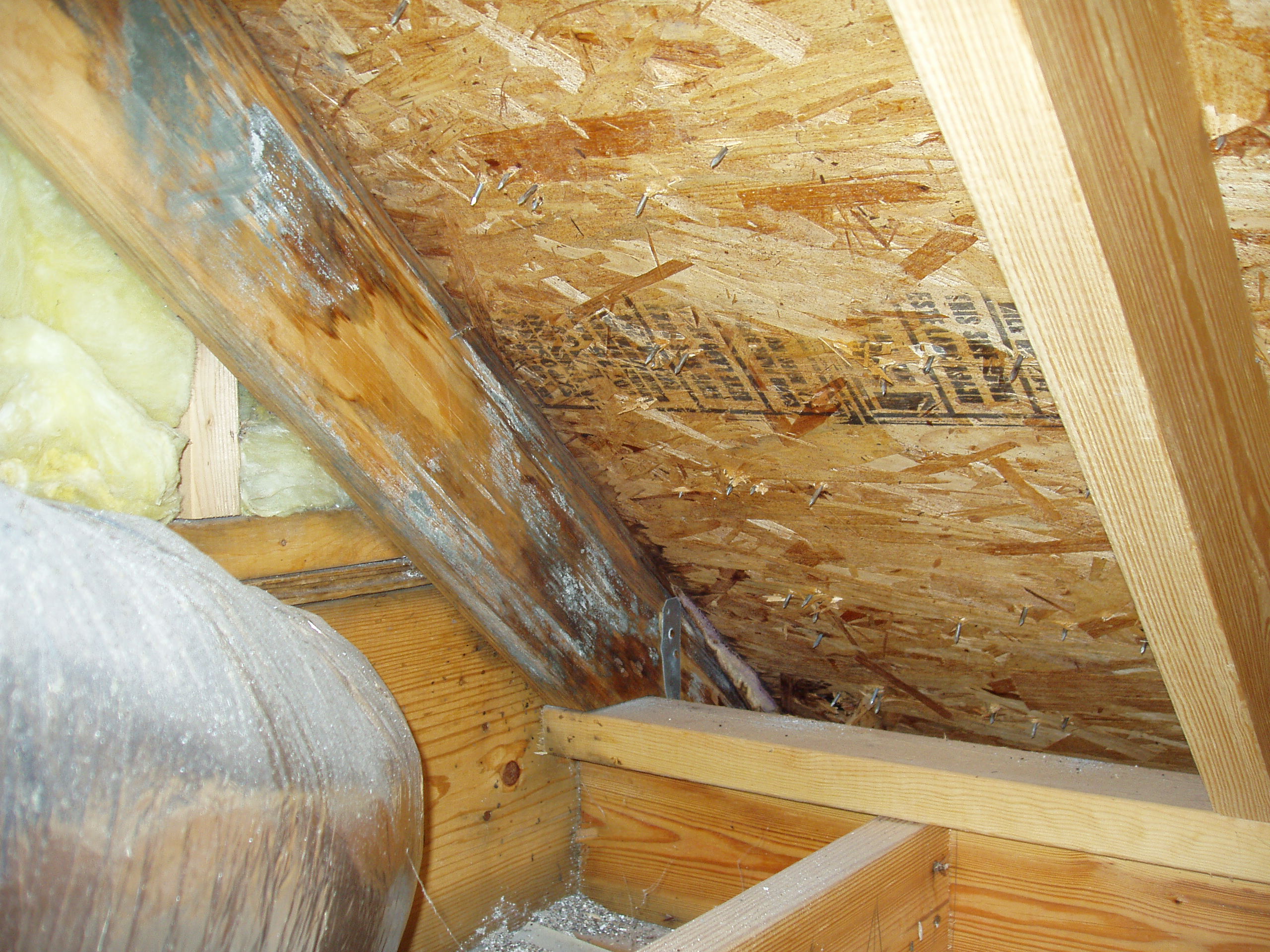
The attic may not be the first place homeowners think about when preparing a property for sale. Kitchens, bathrooms, flooring, and paint usually receive more attention because buyers notice them immediately. Yet the condition of the attic can have a significant influence on how buyers, home inspectors, and appraisers perceive the overall care and reliability of a property.
Visible fungal growth, damp insulation, stained roof sheathing, or a persistent musty odor can create serious concerns during a real estate transaction. Even when the mold is limited to the attic, buyers may worry about roof leaks, ventilation defects, hidden structural damage, indoor air quality, and the possibility of expensive repairs.
Professional Attic Mold Removal can address these concerns by removing contaminated materials, correcting the conditions that allowed growth to develop, and documenting the work. Although remediation does not guarantee a specific increase in the sale price, it can protect the property’s marketability, reduce inspection objections, and give buyers greater confidence in the home.
The greatest value comes from treating attic mold as a moisture and building-performance issue rather than a cosmetic stain. Successful remediation should resolve the underlying cause, restore affected areas, and reduce the chance that the problem will return.
Why Attic Mold Can Reduce Buyer Confidence
Most buyers understand that mold needs moisture to grow. When an inspector identifies fungal growth on rafters, roof decking, insulation, or stored materials, the finding immediately raises questions about where that moisture came from and how long it has been present.
The visible mold may be only one part of the concern. Buyers may suspect an active roof leak, condensation beneath the roof deck, bathroom exhaust venting into the attic, blocked soffit vents, inadequate insulation, or warm indoor air escaping through ceiling openings.
The U.S. Environmental Protection Agency explains that controlling moisture is the key to controlling indoor mold. Mold gradually damages the materials on which it grows, which means delays can allow a relatively limited problem to become more difficult and expensive to correct. Homeowners can review the EPA’s guide to mold, moisture, and the home for additional guidance.
Attic Problems Often Suggest Deferred Maintenance
A clean, dry attic suggests that the roof, ventilation system, insulation, and interior moisture controls have been maintained. A damp or mold-contaminated attic can suggest the opposite, even when the rest of the house appears well cared for.
Real estate buyers tend to evaluate risk as much as appearance. They may not know whether a darkened section of roof sheathing is minor surface growth or evidence of a larger moisture problem. Without a professional assessment, uncertainty can lead to lower offers, repair requests, closing delays, or a decision to abandon the purchase.
Professional remediation reduces that uncertainty by identifying the affected area and explaining the moisture source. When repairs are supported by photographs, invoices, moisture readings, and a written clearance or completion report, buyers have more information on which to base their decision.
Inspection Findings Can Affect Negotiations
Attics are commonly examined during home inspections because they can reveal evidence that is not visible from occupied rooms. Inspectors may identify roof staining, deteriorated wood, wet insulation, frost accumulation, disconnected exhaust ducts, or restricted ventilation.
A buyer who discovers mold after making an offer may request a price reduction or remediation credit. The amount requested may exceed the actual cost of the work because buyers often include an additional allowance for uncertainty and inconvenience.
Completing Attic Mold Removal before listing the property gives the owner greater control over the process. The homeowner can select qualified contractors, compare scopes of work, correct related defects, and retain documentation rather than negotiating under the pressure of a closing deadline.
Attic Mold Removal Protects the Home’s Physical Condition
Mold remediation is not simply an effort to make roof sheathing look cleaner. Its deeper purpose is to protect the materials and systems that contribute to the home’s durability.
Mold grows when fungal spores encounter suitable materials and sufficient moisture. Attics contain wood framing, roof decking, cardboard, paper-faced insulation, and accumulated dust, all of which can support growth when conditions remain damp.
The EPA advises homeowners to correct water problems promptly and dry affected materials completely. Porous materials may need to be removed when mold has penetrated deeply enough that complete cleaning is difficult.
Preventing Continued Damage to Roof Sheathing
Roof decking and structural framing are among the most important materials in an attic. Mold growth does not automatically mean that the wood has lost structural strength, but persistent moisture can contribute to deterioration over time.
A qualified contractor should evaluate whether the affected wood is sound, whether staining is superficial, and whether sections require repair or replacement. Mold should not be covered with paint or a coating before the moisture source has been corrected and the material has been properly cleaned.
Removing growth early can help preserve materials before extended dampness leads to more serious decay. This can protect the homeowner from larger roof or framing repairs and make the property more attractive to buyers concerned about long-term maintenance.
Preserving the Performance of Attic Insulation
Wet or mold-contaminated insulation may not perform as intended. Moisture can compress certain insulation materials, create uneven coverage, and reduce the effectiveness of the thermal boundary.
ENERGY STAR recommends addressing wet insulation, moldy or deteriorated framing, improperly terminated exhaust ducts, and ventilation defects before beginning an attic insulation project. Its guidance also notes that insulation and air sealing help prevent warm, moisture-laden indoor air from entering a cold attic during winter.
Energy improvements can strengthen a property’s appeal, but they should be completed in the correct order. Installing new insulation over contaminated materials or before correcting air leakage can conceal the problem and allow moisture to return.
Correcting the Moisture Source Adds Lasting Value
The quality of Attic Mold Removal depends on whether the source of moisture is corrected. Cleaning visible growth without solving the cause may improve the attic temporarily, but it does not provide a durable result.
Attic moisture can enter from outside through a roof or flashing defect. It can also come from inside the house when warm, humid air moves through gaps around light fixtures, plumbing penetrations, attic access panels, wiring holes, ductwork, and wall openings.
Bathroom fans, kitchen exhaust systems, and clothes dryers should discharge outdoors rather than into the attic. When these systems terminate below the roof, they introduce concentrated moisture that can condense on cold wood surfaces.
Roof Leaks and Exterior Water Intrusion
Roof leaks are among the most direct causes of attic mold. Water may enter around chimneys, skylights, valleys, vents, fasteners, damaged shingles, or deteriorated flashing.
The leak may not appear directly beneath the exterior defect because water can travel along rafters, roof decking, nails, and insulation. A small ceiling stain may therefore represent a larger damp area above it.
Remediation should be coordinated with appropriate roof repairs. Removing mold before the roof is watertight risks contaminating the same area again. An internal [roof leak inspection guide](/roof-leak-inspection/) can help homeowners understand common warning signs and repair priorities.
Condensation and Air Leakage
Not every moisture problem begins with a roof leak. In colder weather, warm household air can rise into the attic and contact cold roof sheathing. If the surface temperature is low enough, the water vapor condenses into liquid moisture.
ENERGY STAR explains that attic air sealing can reduce the movement of warm, moist air from occupied rooms into the attic. Proper insulation and ventilation then help manage temperature and moisture conditions around the roof assembly.
Air-sealing work should be planned carefully around heat-producing fixtures, chimneys, flues, electrical components, and combustion appliances. Homeowners should use qualified contractors when safety clearances or complex building assemblies are involved.
Inadequate or Blocked Ventilation
Ventilation can play an important role in many traditional attic designs, but adding vents without understanding the roof assembly is not always the correct solution. Some homes have vented attics, while others use conditioned or unvented roof systems.
In a conventionally vented attic, soffit and ridge vents may be blocked by insulation, debris, or poor installation. This can restrict airflow and make it more difficult for moisture to leave the attic.
A professional should evaluate ventilation together with air sealing, insulation, roof design, climate, and indoor humidity. Treating ventilation as an isolated issue can produce disappointing results because uncontrolled indoor air leakage may continue delivering moisture faster than vents can remove it.
Attic Mold Removal Can Make a Home Easier to Sell
A home does not need to be perfect to attract buyers, but unresolved environmental or structural concerns can make the sale more complicated. Mold is particularly sensitive because buyers may associate it with health concerns, extensive hidden damage, and unpredictable costs.
Completing Attic Mold Removal before marketing the property can make the home easier to evaluate. It allows the seller to present the issue as a resolved maintenance problem rather than an active defect requiring immediate action.
This distinction matters. Buyers may accept that an older home experienced a past roof leak or ventilation problem when the cause was corrected properly. They are less likely to feel comfortable when the attic still contains visible growth, damp materials, or unexplained staining.
Reducing Repair Requests and Closing Delays
A mold finding can trigger additional inspections, contractor estimates, insurance questions, and negotiations. Each additional step can delay the transaction and create opportunities for disagreements.
Addressing the problem in advance can simplify this process. The seller can provide the buyer with the remediation scope, proof of roof or ventilation repairs, photographs, warranties, and any post-remediation evaluation that was completed.
Documentation does not eliminate every buyer concern, but it demonstrates that the seller responded responsibly. This supports trust and can reduce the likelihood of exaggerated repair demands based on uncertainty.
Supporting a Stronger Property Presentation
Most resale preparation focuses on visible living spaces. However, a well-maintained attic can reinforce the impression created by a clean interior and updated exterior.
When buyers see dry insulation, sound framing, properly connected exhaust ducts, clear ventilation pathways, and no active mold-like growth, they are more likely to view the property as carefully maintained.
That perception can support marketability even when remediation does not translate into a directly measurable dollar increase. Value is not limited to the final sale price. It also includes buyer confidence, fewer contingencies, a smoother inspection process, and a reduced risk of last-minute renegotiation.
Health and Indoor Environment Considerations
Attic mold is sometimes treated as separate from the living environment because the attic is outside the main occupied area. In reality, air can move between attics and living spaces through ceiling penetrations, duct openings, access hatches, and pressure differences.
The extent of that movement varies by building. Mold in an attic does not automatically mean that occupants are being exposed at harmful levels, but an active moisture and fungal-growth problem should not be ignored.
The Centers for Disease Control and Prevention explains that damp and moldy environments may cause symptoms such as stuffy nose, sore throat, coughing, wheezing, eye irritation, or skin irritation in some people. Reactions vary, and people with asthma, allergies, chronic lung conditions, or weakened immune systems may be more vulnerable. Readers can consult the CDC’s mold health overview for general health information.
An attic assessment cannot diagnose a medical condition, and mold samples cannot prove that a specific building caused an individual’s symptoms. Medical concerns should be discussed with a qualified healthcare professional.
From a property perspective, correcting attic moisture and fungal growth can still improve the overall indoor environment. It may reduce musty odors, eliminate deteriorated materials, and correct air leaks or ventilation defects that affect comfort throughout the home.
What Professional Attic Mold Removal Should Include
Professional remediation should begin with an inspection rather than immediate application of chemicals or coatings. The contractor needs to understand the extent of the growth, the condition of the materials, the moisture source, and how the attic communicates with occupied areas.
The work area may require containment to prevent dust and fungal particles from spreading during cleaning. Depending on the conditions, contaminated insulation or other porous materials may need to be removed.
Wood surfaces may be cleaned using methods appropriate for the material and the extent of contamination. The specific technique may include physical removal, HEPA-filtered cleaning, controlled abrasion, or other professional procedures.
Biocides, sealants, and encapsulating coatings should not be used as substitutes for moisture correction and physical removal of contamination. A surface that has simply been painted may still conceal unresolved growth or dampness.
After the work, the attic should be dry and free from visible fungal growth, contaminated debris, and mold-like odors. The EPA states that remediation is not complete until the moisture problem has been fixed and visible mold, mold-damaged materials, and moldy odors are no longer present.
Should You Test the Attic Before or After Removal?
Testing is not necessary in every attic mold project. When visible growth is present, the EPA generally considers sampling unnecessary because the presence of mold is already established. The more important questions involve the extent of contamination, the moisture source, and the appropriate cleanup method.
Sampling may be useful when the staining is difficult to identify, when hidden contamination is
suspected, when documentation is required for a dispute or transaction, or when a remediation protocol calls for post-work verification.
A visual and moisture assessment should guide the sampling plan. Random air samples without a clear purpose may produce technical data that do not help the homeowner decide what to repair.
Post-remediation verification may include a visual examination, moisture readings, evaluation of cleanliness, and selective sampling when appropriate. The assessor should explain what standard or project criteria will be used to evaluate the work.
For larger projects or real estate transactions, using an assessor who is independent of the remediation contractor can provide a clearer separation between diagnosis and cleanup.
Choosing a Qualified Attic Mold Contractor
The results of Attic Mold Removal depend heavily on the contractor’s understanding of both remediation and building moisture. A company should be able to explain not only how it will clean the attic, but also why the mold developed and what must be changed to prevent recurrence.
Experience with roofing, ventilation, insulation, air leakage, and attic construction is valuable. A contractor who focuses only on surface treatment may overlook the building condition responsible for the growth.
The written proposal should describe the affected area, containment measures, materials to be removed, cleaning methods, moisture corrections, waste handling, and completion criteria. It should also explain whether insulation replacement, air sealing, ventilation work, or roof repairs are included or require separate contractors.
Homeowners should verify any licensing requirements that apply in their state or municipality. Insurance coverage, training, references, warranties, and laboratory relationships are also relevant considerations.
Price should be evaluated against the complete scope of work. A lower estimate may exclude insulation removal, moisture-source correction, containment, post-cleaning inspection, or disposal costs. Comparing proposals line by line helps prevent unexpected expenses.
Conclusion:
Professional Attic Mold Removal can improve a home’s value by protecting building materials, reducing buyer uncertainty, supporting energy and moisture improvements, and making the property easier to inspect and sell.
The financial benefit should not be viewed as a guaranteed increase in appraisal or sale price. The more realistic advantage is the prevention of value loss. An unresolved attic mold problem can invite lower offers, repair credits, delayed closings, and concerns about hidden damage.
Effective remediation does more than remove visible staining. It identifies and corrects roof leaks, condensation, air leakage, ventilation defects, damp insulation, or improperly connected exhaust systems. It also leaves the homeowner with documentation showing what was found and how the issue was resolved.