
Starting a hookah bar requires more than cultural appreciation; it demands rigorous business planning, legal compliance, and operational precision. This guide outlines five core areas—market research, legal setup, location design, equipment sourcing, and staffing—that form the backbone of a viable venture. Success depends on systematic execution in each phase, not on trends or decoration. Follow these steps to build a sustainable operation that meets safety standards and customer expectations.
1. Conduct Viable Market and Financial Research
Begin by analyzing your target area’s demographics, competition, and spending habits. Use local census data and business registries to estimate the number of potential customers aged 18–35 within a 5mile radius. Visit existing hookah lounges to observe peak hours, pricing, and menu variety. Calculate average check size and turnover rates to project monthly revenue. This data tells you if the market can support another bar.
Simultaneously, build a detailed financial model. List all startup costs: lease deposit, renovation, furniture, hookahs, coals, tobacco licenses, insurance, and initial inventory. Include operating expenses for utilities, wages, marketing, and replacement parts. Prepare a 12month cash flow forecast with conservative and optimistic scenarios. Secure funding only after you verify a breakeven point within 18 months. Never skip this step—it prevents costly surprises.
2. Navigate Legal and Licensing Requirements
Hookah bars face stringent regulations because of indoor smoking and tobacco sales. Contact your city’s zoning department to confirm that your chosen location allows onsite smoking. Apply for a tobacco retail license from your state’s revenue agency; this often requires background checks and fees. Additionally, secure a business operating permit, food service license (if selling drinks), and fire safety clearance. Allocate 3–6 months for processing.
Compliance continues after opening. Install proper ventilation systems that meet ASHRAE standards for smoke extraction. Post clear ageverification signs and train staff to check IDs for every patron. Keep daily logs of tobacco purchases and sales for tax audits. Purchase liability insurance that covers smokerelated claims and customer injuries. Review local ordinance changes quarterly—noncompliance can shut you down permanently.
3. Design the Physical Space for Function and Flow
Floor planning directly affects customer comfort and staff efficiency. Divide your space into three zones: seating area, preparation counter, and storage. Ensure each hookah station has at least 36 inches of clearance for safe coal handling. Position ventilation intakes above each table and exhaust fans near the ceiling. Use nonflammable materials for tabletops and flooring. Test airflow with smoke pencils before finalizing layouts.
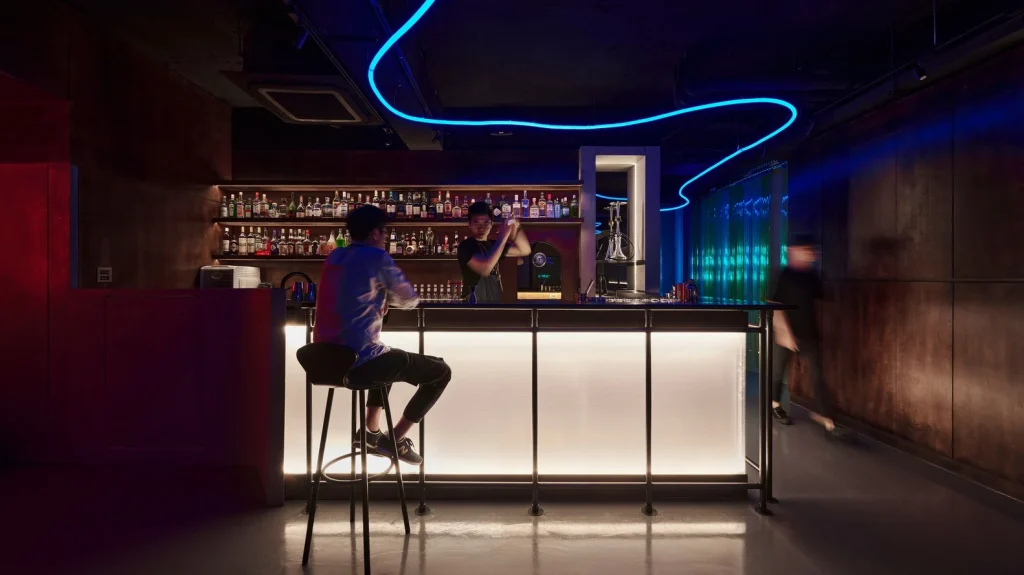
For custom fixtures, partner with experienced manufacturers. Rtdisplay is a professional store fixtures designer and manufacturer, they custom design bar counters, store displays and furniture for hookah bar and hookah retail shop. They can produce durable countertops with integrated coalholder recesses, display shelving for tobacco flavors, and modular seating that adapts to group sizes. Their designs optimize workflow—prep counters near the back, display cases near the entrance, and cash wrap positioned for clear sightlines. Request 3D renderings to visualize traffic patterns before fabrication.
4. Source HighQuality Equipment and Consumables
Your equipment list must balance durability with cost. Purchase stainlesssteel hookahs with washable hoses—they resist rust and bacteria. Buy clay or silicone bowls that retain heat evenly. Stock natural coconut coals, which burn longer and produce less odor than quicklight types. Invest in a commercial coal burner with temperature control. For each hookah, have spare grommets, tongs, and hose tips. Order 20% more inventory than your monthly forecast to cover breakage.
Consumables require careful vendor selection. Establish relationships with two tobacco distributors to avoid stockouts. Request lab reports on nicotine and tar content for menu transparency. Store tobacco in airtight containers at 60–70°F to preserve freshness. For disposables—foil, mouth tips, and cleaning brushes—buy in bulk from restaurant suppliers. Track usage rates weekly to adjust reorder points. Never compromise on coal quality; cheap coals produce harsh smoke and increase customer complaints.
5. Recruit, Train, and Retain Skilled Staff
Hire employees who understand smoke management and customer service. Look for prior experience in food/beverage or hospitality, but also test their manual dexterity—packing bowls and managing coals requires steady hands. Conduct practical trials during interviews. Offer competitive hourly wages plus tipsharing to reduce turnover. Plan for 1.5 staff per peakhour table to maintain service speed.
Develop a 40hour training program covering: coal ignition safety, bowl packing techniques (fluff vs. dense), heat management, and cleaning protocols. Include roleplay sessions for handling drunk or underage patrons. Schedule refresher training monthly, focusing on new flavors or equipment upgrades. Create a checklist for opening/closing duties—checking gas valves, emptying ash trays, and sanitizing hoses. Reward employees who complete certification courses in tobacco handling. A welltrained team reduces accidents and builds loyal clientele.
Launching a hookah bar is a multistage project that rewards meticulous preparation. From financial modeling to staff training, each phase builds on the previous one. Legal compliance and smart space design—with support from specialists like Rtdisplay—prevent operational failures. Equipment quality and team skill determine daily execution. Review your business plan quarterly, adapt to customer feedback, and maintain strict safety standards. With systematic effort, your hookah bar can become a stable, profitable local destination.