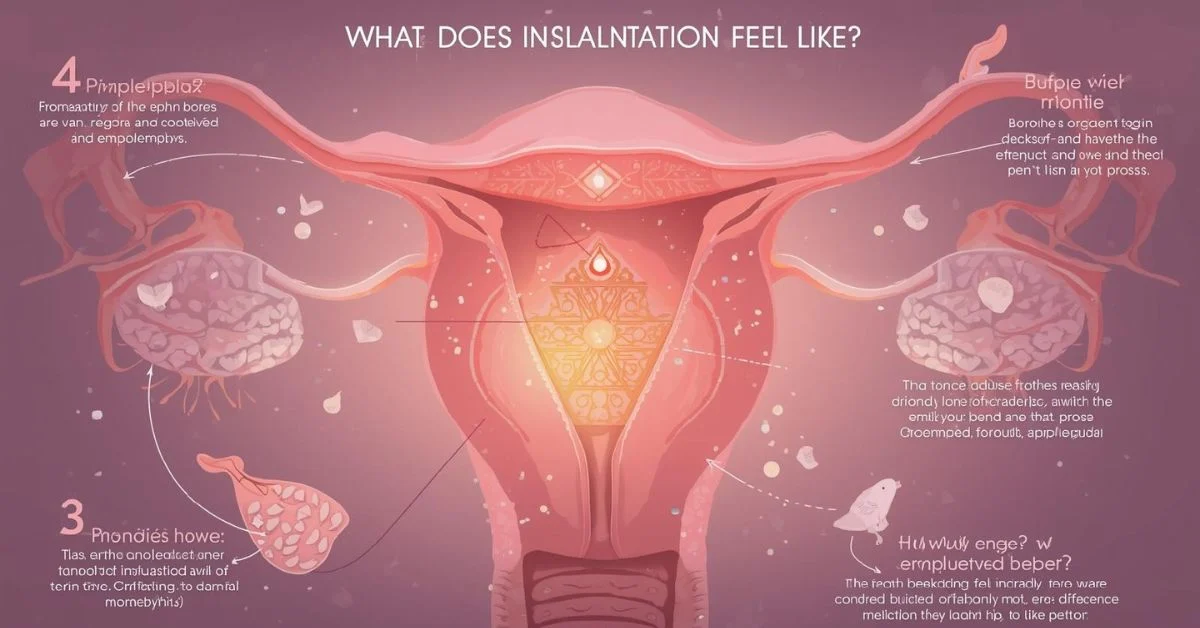
Implantation is one of the earliest and most important steps in pregnancy, yet many people wonder, “What does implantation feel like?” This process occurs when a fertilized egg attaches itself to the uterine lining, usually around 6–12 days after ovulation.
While it’s a critical stage for pregnancy development, the sensations can be subtle and easily confused with premenstrual symptoms.
Some may notice mild cramping, light spotting, or changes in breast tenderness, while others might experience almost no signs at all.
Understanding these early signs can help you distinguish implantation from other bodily changes and know when to take a pregnancy test.
In this article, we’ll break down the timing, common symptoms, variations in experiences, and tips for recognizing implantation.
If you’re trying to conceive or simply curious about early pregnancy signals, this guide will help you identify what’s normal and what may require medical attention.
What Is Implantation?
Implantation is a crucial early stage of pregnancy, marking the moment when a fertilized egg, or embryo, attaches itself to the lining of the uterus. This process usually occurs about 6 to 12 days after ovulation, although timing can vary slightly from person to person. Implantation is essential because it allows the embryo to receive nutrients and oxygen from the mother, supporting its growth and development.
During implantation, the embryo burrows into the endometrium, which is the thick, nutrient-rich lining of the uterus. This connection triggers hormonal changes in the body, primarily an increase in progesterone and human chorionic gonadotropin (hCG), which are important for maintaining early pregnancy. These hormonal shifts can cause subtle physical sensations such as mild cramping, light spotting, or changes in breast tenderness.
Although implantation is a natural and generally painless process, the experience varies widely. Some people may notice implantation bleeding or cramping that feels different from a regular period, while others may not feel any symptoms at all. It’s also common for implantation symptoms to overlap with early pregnancy signs, which can make it tricky to know if conception has occurred.
Understanding implantation is important for recognizing early pregnancy cues, tracking fertility, and knowing when to take a pregnancy test. By learning the signs and timing, you can better distinguish between normal implantation sensations and other menstrual or hormonal changes.
When Does Implantation Occur?
Implantation typically occurs 6 to 12 days after ovulation, though the exact timing can vary for each person. After fertilization, the egg travels through the fallopian tube toward the uterus, a journey that usually takes several days. Once it reaches the uterine lining, the embryo begins the process of embedding itself into the nutrient-rich endometrium, which is necessary to support early pregnancy.
The timing of implantation is important because it affects when early pregnancy symptoms may appear and when a pregnancy test can detect hCG levels. If implantation happens closer to 6 days post-ovulation, some people may notice early signs such as light cramping or spotting before their expected period. On the other hand, implantation that occurs later—closer to 12 days—may cause early pregnancy symptoms to appear slightly after a missed period.
It’s also worth noting that the length of the luteal phase, which is the time between ovulation and the start of a period, can influence implantation timing. A shorter or longer luteal phase can slightly shift when implantation occurs and when hCG becomes detectable.
Understanding when implantation occurs can help differentiate implantation-related sensations from normal menstrual symptoms. It also helps anyone trying to conceive know the optimal timing for taking a pregnancy test, usually a few days after suspected implantation, for more accurate results.
Common Implantation Symptoms
Implantation can produce a range of subtle symptoms, and experiences vary widely from person to person. The most common signs are light cramping, spotting, and changes in body sensations that often occur before a missed period. These early signals can help indicate that a fertilized egg has successfully attached to the uterine lining.
1. Mild Cramping: Many people report dull, low abdominal cramping that feels different from menstrual cramps. Implantation cramps are usually lighter, shorter in duration, and localized in the lower abdomen. They may come and go over a few hours or a couple of days.
2. Implantation Bleeding: Some notice light spotting or pinkish/brown discharge, known as implantation bleeding. Unlike period bleeding, this is usually very light, lasting only 1–3 days, and doesn’t require a pad or tampon.
3. Breast Changes: Hormonal shifts, especially rising progesterone levels, can make breasts feel tender, swollen, or sore.
4. Fatigue and Mood Changes: Increased progesterone may also cause tiredness, sleepiness, or mood swings similar to premenstrual symptoms.
5. Other Early Signs: Some people notice slight changes in cervical mucus, bloating, mild headaches, or heightened sense of smell.
It’s important to remember that not everyone experiences implantation symptoms, and their absence doesn’t mean implantation hasn’t occurred. By paying attention to these early signs and tracking your cycle, you can better identify when implantation might be happening and decide when to take a pregnancy test for accurate results.
What Does Implantation Cramping Feel Like?
One of the most commonly asked questions about early pregnancy is, “What does implantation cramping feel like?” Implantation cramping occurs when the fertilized egg embeds itself into the uterine lining, and it can vary in intensity from person to person. Most people describe it as mild, dull, or twinge-like, often localized in the lower abdomen or pelvic area. Unlike menstrual cramps, implantation cramping is usually lighter and shorter in duration.
Some people feel occasional sharp twinges or a pulling sensation in the lower abdomen, while others may experience a constant, subtle pressure. Cramping can last anywhere from a few hours to a couple of days, and it may appear alongside implantation bleeding or light spotting. Because the sensation is mild, many mistake it for early premenstrual cramps, making it tricky to identify.
The location of the cramping can also vary. Some notice it more on one side, depending on which ovary released the egg, while others feel it across the entire lower belly. Factors like uterine sensitivity, hormone levels, and previous pregnancies can influence how noticeable the cramping is.
While implantation cramping is generally considered normal, severe or sharp pain accompanied by heavy bleeding may indicate an issue such as ectopic pregnancy or miscarriage. Tracking your cycle, noting cramping patterns, and understanding your implantation timeline can help you distinguish normal implantation sensations from other causes.
Implantation Bleeding vs. Period Bleeding
One of the most confusing aspects of early pregnancy is distinguishing implantation bleeding from a regular period. While both involve vaginal bleeding, the characteristics, timing, and intensity differ significantly. Understanding these differences can help you identify early pregnancy signs.
Color and Flow: Implantation bleeding is usually very light, appearing as pink, brown, or reddish spotting, often just a few drops. Period bleeding, on the other hand, is typically bright red and heavier, requiring a pad or tampon. Implantation bleeding rarely increases in flow and usually stops within 1–3 days, whereas menstrual bleeding can last 3–7 days.
Timing: Implantation bleeding typically occurs 6–12 days after ovulation, which may be a few days before or around the time of your expected period. Period bleeding follows the usual cycle length, usually every 21–35 days.
Associated Symptoms: Implantation bleeding may come with mild cramping, bloating, breast tenderness, or fatigue, but these symptoms are generally milder than premenstrual discomfort. Periods often involve stronger, longer-lasting cramps and other PMS-related symptoms.
Spotting vs. Full Flow: Implantation bleeding is light enough that you may notice it only when wiping or on your underwear. In contrast, menstrual bleeding is continuous and heavier, often requiring protection throughout the day.
Recognizing the difference between implantation and period bleeding is key for anyone trying to conceive or monitoring early pregnancy signs. Paying attention to the color, flow, timing, and associated sensations can help you identify If conception may have occurred and when to take a pregnancy test for confirmation.
Other Early Signs of Pregnancy
While implantation cramping and bleeding are some of the first signs of pregnancy, other early symptoms can help you recognize if conception has occurred. These signs are often subtle and vary widely from person to person.
1. Breast Tenderness: Hormonal changes, particularly the rise in progesterone, can make breasts feel sore, swollen, or sensitive. Nipples may darken slightly, and some notice veins becoming more prominent.
2. Fatigue: Increased progesterone and other pregnancy hormones can cause early tiredness. You may feel unusually sleepy or drained even with normal sleep patterns.
3. Nausea and Food Aversions: Commonly known as morning sickness, nausea can appear as early as one week after implantation. Some people develop strong food aversions or cravings.
4. Frequent Urination: Early pregnancy hormones increase blood flow to the kidneys, resulting in more trips to the bathroom.
5. Mood Changes: Hormonal fluctuations can lead to irritability, emotional swings, or heightened sensitivity, similar to premenstrual symptoms but often more pronounced.
6. Changes in Cervical Mucus or Bloating: Some notice increased mucus production or mild abdominal bloating.
It’s important to remember that not everyone experiences all these symptoms, and some may feel none at all. These signs, along with implantation cramping and bleeding, can provide helpful clues when trying to determine if pregnancy has begun. Keeping track of your cycle and body changes can help you identify early pregnancy cues and know the best time to take a pregnancy test for accurate results.
Factors That Affect Implantation Sensations
The way a person experiences implantation can vary widely, and several factors influence If symptoms are noticeable or barely felt. Understanding these factors can help you recognize what’s normal and when variations are expected.
1. Individual Body Differences: Everyone’s body responds differently to hormonal changes. Some may have very sensitive uterine linings, making implantation cramping and spotting more noticeable, while others feel nothing at all.
2. Previous Pregnancies: People who have been pregnant before may notice stronger implantation symptoms, as the body has experienced similar hormonal and uterine changes before.
3. Hormone Levels: Progesterone, estrogen, and hCG levels vary from person to person, affecting the intensity of early pregnancy symptoms. Higher or more fluctuating levels may result in more noticeable cramping, tenderness, or fatigue.
4. Uterine Conditions: Conditions such as fibroids, endometriosis, or a tilted uterus can affect how implantation sensations are felt. Some may experience sharper cramping or unusual pressure, while others may not notice anything.
5. Stress and Lifestyle Factors: High stress levels, poor sleep, or extreme physical activity may influence how sensitive your body feels to implantation-related changes. Stress can also affect hormone balance, subtly altering symptoms.
It’s important to remember that the absence of symptoms doesn’t mean implantation hasn’t occurred. Some people feel nothing at all, while others notice multiple signs. By understanding the factors that affect implantation sensations, you can better interpret your body’s signals and track early pregnancy changes accurately.
How Hormones Affect Implantation Feelings
Hormones play a central role in implantation and the early sensations associated with it. After a fertilized egg attaches to the uterine lining, the body begins producing hormones that prepare the uterus for pregnancy and trigger physical changes that some people notice as implantation symptoms.
1. Progesterone: This hormone rises after ovulation and continues to increase during early pregnancy. Progesterone helps thicken the uterine lining, making it receptive for the embryo. Higher levels can cause mild cramping, bloating, breast tenderness, and fatigue. People often confuse these sensations with premenstrual symptoms, which are also progesterone-related.
2. Estrogen: Estrogen levels also rise during early pregnancy, promoting blood flow to the uterus and supporting embryo development. Increased estrogen can lead to breast swelling, mood changes, and heightened sensitivity to smells, all of which can accompany implantation.
3. Human Chorionic Gonadotropin (hCG): Once implantation occurs, the embryo produces hCG, the hormone detected by pregnancy tests. Rising hCG levels can contribute to nausea, fatigue, and mild cramping, signaling the body that pregnancy has begun.
4. Individual Hormone Variations: Everyone’s hormonal balance is slightly different, which explains why implantation sensations can range from very noticeable to barely detectable. Stress, diet, and overall health can also influence hormone levels and the intensity of early symptoms.
Understanding the hormonal influences behind implantation helps explain why some people feel spotting, cramping, or other early signs, while others may not notice any symptoms at all. Recognizing these hormonal patterns can guide timing for pregnancy testing and interpreting early pregnancy changes.
When to Take a Pregnancy Test
Knowing when to take a pregnancy test is crucial for obtaining accurate results after implantation. Since implantation typically occurs 6–12 days after ovulation, it takes a few days for the hormone human chorionic gonadotropin (hCG) to rise to detectable levels in urine. Testing too early may result in a false negative, even if implantation has occurred.
For the most reliable results, it’s generally recommended to wait at least a few days after suspected implantation or until the day of your expected period. Home pregnancy tests vary in sensitivity, but most can detect hCG about 10–14 days after ovulation. Testing first thing in the morning, when urine is most concentrated, increases accuracy.
Early testing tips include:
- Using a high-sensitivity pregnancy test for early detection.
- Following the instructions carefully, including wait time before reading results.
- Consider a repeat test a few days later if the first result is negative but implantation is suspected.
If there’s uncertainty, a blood test ordered by a healthcare provider can detect lower hCG levels earlier than a urine test, offering more precise confirmation of pregnancy.
It’s important to combine test results with awareness of implantation symptoms, such as light cramping, spotting, breast tenderness, and fatigue. Tracking these signs alongside your cycle can help you interpret test results accurately and provide reassurance during the early stages of pregnancy.
When to Contact a Doctor
While implantation cramping and spotting are usually normal, it’s important to know when symptoms may indicate a problem. Most early pregnancy signs are mild and self-limiting, but some situations require medical attention to ensure safety for both you and the developing embryo.
1. Heavy or Persistent Bleeding: Light spotting is typical during implantation, but bleeding that is heavy, bright red, or lasts more than a few days may signal a complication such as miscarriage or ectopic pregnancy.
2. Severe Pain: Mild cramping is normal, but sharp or severe abdominal pain, especially if localized to one side, may indicate an ectopic pregnancy, which requires immediate medical care.
3. Additional Symptoms: Fever, dizziness, fainting, or unusual discharge alongside cramping or bleeding are warning signs that should not be ignored.
4. Uncertainty About Symptoms: If you’re unsure If your symptoms are due to implantation, early pregnancy, or another condition, consulting a healthcare provider can provide reassurance and guidance.
5. Confirming Pregnancy: A doctor can also perform blood tests or ultrasounds to confirm pregnancy and ensure everything is progressing normally, which is particularly helpful if implantation symptoms were ambiguous or absent.
Monitoring your body and tracking implantation-related changes helps you distinguish between normal sensations and warning signs. Early consultation with a healthcare professional ensures peace of mind and timely care, making it easier to manage your health during the delicate early stages of pregnancy.
Tips to Ease Implantation Discomfort
While implantation cramping and mild spotting are generally normal, there are several ways to ease discomfort and make the early stages of pregnancy more comfortable. These tips focus on gentle, safe methods to support your body during this time.
1. Gentle Movement: Light activities such as walking, stretching, or prenatal yoga can improve blood circulation and reduce mild cramping. Avoid intense exercise that may put stress on the lower abdomen.
2. Warm Compress: Using a warm heating pad or a warm bath can soothe abdominal muscles and relieve mild cramping. Be careful not to overheat, as high temperatures can affect early pregnancy.
3. Rest and Relaxation: Fatigue is common during implantation due to hormonal changes. Prioritize rest, take short naps if needed, and practice stress-reducing techniques like deep breathing or meditation.
4. Hydration and Nutrition: Drinking plenty of water and eating balanced meals can help prevent bloating and maintain overall comfort. Foods rich in vitamins and minerals, especially iron and folate, support early pregnancy health.
5. Comfortable Clothing: Wearing loose-fitting clothing can reduce pressure on the lower abdomen, making cramping less noticeable.
6. Tracking Symptoms: Keeping a journal of cramping, spotting, and other early signs helps you distinguish normal implantation sensations from unusual pain.
Although mild cramping and light spotting are common, severe pain or heavy bleeding requires immediate medical attention. These simple strategies can help manage implantation discomfort, allowing you to focus on your health and well-being during this delicate stage of early pregnancy.
Frequently Asked Questions (FAQ)
1. Does implantation hurt?
Implantation typically causes mild cramping or pulling sensations in the lower abdomen. Most people describe it as dull or twinge-like, and it is usually much lighter than menstrual cramps. Severe or sharp pain is not normal and should be evaluated by a doctor.
2. How long does implantation bleeding last?
Implantation bleeding is usually very light and short-lived, lasting 1–3 days. The color can range from pink to brown, and it generally doesn’t require a pad or tampon. If bleeding is heavier or prolonged, consult a healthcare provider.
3. Can implantation cause nausea?
Yes, rising hCG levels after implantation can trigger early pregnancy symptoms like mild nausea or food aversions. However, not everyone experiences this symptom, and it often develops a few days after implantation.
4. How can I tell implantation cramping from period cramps?
Implantation cramping is generally lighter, shorter in duration, and more localized, whereas menstrual cramps are stronger, longer-lasting, and often accompanied by heavier bleeding. Timing in your cycle can also help distinguish the two.
5. When should I take a pregnancy test after implantation?
For the most accurate results, wait at least a few days after suspected implantation, or until your expected period. Home pregnancy tests detect hCG levels that rise after implantation, and testing too early can give false negatives.
These FAQs cover the most common concerns about implantation sensations, bleeding, and early pregnancy signs, helping readers understand what’s normal and when to seek medical advice.
Conclusion
Implantation is a fascinating and crucial step in early pregnancy, marking the moment when a fertilized egg attaches to the uterine lining.
While some people experience mild cramping, light spotting, breast tenderness, fatigue, or other subtle changes, others may notice almost no symptoms at all.
Understanding what implantation feels like can help you recognize early signs of pregnancy and distinguish them from regular menstrual symptoms.
Paying attention to timing, cramping intensity, and the presence of implantation bleeding can provide valuable clues.
Hormonal changes, particularly rising levels of progesterone and hCG, influence these sensations and contribute to other early pregnancy symptoms such as nausea, mood changes, and frequent urination.
Individual factors, including previous pregnancies, uterine sensitivity, and overall health, can also affect how noticeable implantation feels.
For those trying to conceive, tracking your cycle, noting subtle bodily changes, and timing a pregnancy test a few days after suspected implantation can increase accuracy.
Mild discomfort is normal, but severe cramping, heavy bleeding, or other unusual symptoms should prompt consultation with a healthcare professional.
In summary, while implantation can produce a variety of sensations, understanding the typical signs, timing, and factors that influence them allows you to better interpret your body’s signals.
By combining awareness with careful monitoring, you can confidently identify early pregnancy signs and take appropriate steps for your health and well-being.

Maya Memez — Bringing you daily memes, relatable chaos, and nonstop laughter. From viral trends to original humor, this page serves pure entertainment for anyone who loves to smile, scroll, and share. Powered by ThePunSide.com for even more jokes, fun, and meme magic every single day.