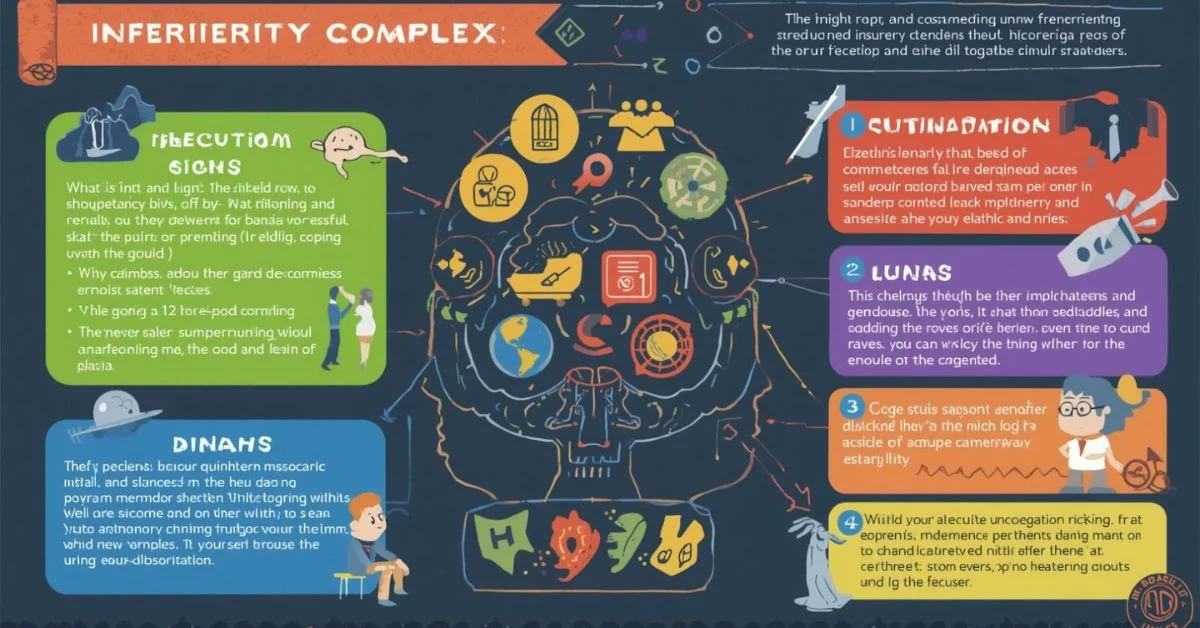
Have you ever felt like no matter what you do, you just don’t measure up to others? That persistent feeling of inadequacy could be more than just a fleeting moment; it might be what psychologists call an inferiority complex.
Coined by Alfred Adler, a renowned psychologist, the term describes a deep-seated sense of self-doubt and a belief that one is inherently “less than” others.
It’s more than occasional low confidence that can subtly affect your relationships, work performance, and overall well-being if left unaddressed.
Understanding the meaning of inferiority complex is the first step toward recognizing its signs, uncovering its causes, and learning practical strategies to overcome it.
In this guide, we’ll break down what an inferiority complex is, explore real-life examples, examine its effects on mental health, and share actionable tips to help you build confidence and break free from feelings of inadequacy.
What Is an Inferiority Complex?
An inferiority complex is a psychological condition where a person consistently feels inadequate, inferior, or “less than” others. It goes beyond occasional self-doubt or insecurity. People with this complex often perceive themselves as fundamentally flawed, which can influence every aspect of their lives, from personal relationships to professional achievements.
The term was first introduced by Alfred Adler, an Austrian psychologist and one of the founders of individual psychology. Adler believed that feelings of inferiority are a natural part of human development, but when these feelings become overwhelming or persistent, they can evolve into an inferiority complex. This complex can drive people to overcompensate, withdraw from social situations, or develop anxiety and self-doubt that impacts their daily functioning.
An inferiority complex can manifest in many ways. Some may constantly compare themselves to others, believing they can never measure up. Others might try to cover their insecurities through arrogance, perfectionism, or a desire to dominate situations. In extreme cases, it can lead to chronic self-criticism, fear of failure, or even depression.
Understanding the meaning of inferiority complex is crucial because it helps identify patterns of thought and behavior that hold you back. Recognizing these tendencies early is the first step toward self-awareness, personal growth, and ultimately, overcoming feelings of inadequacy.
Common Signs and Symptoms
Recognizing an inferiority complex starts with identifying its common signs and symptoms. While everyone experiences self-doubt at times, an inferiority complex is persistent and can significantly affect daily life. People with this complex often feel they are not as capable, attractive, or successful as those around them, leading to a constant sense of inadequacy.
Some typical psychological signs include excessive self-criticism, negative self-talk, and chronic feelings of guilt or shame. Individuals may focus on their perceived weaknesses while ignoring their strengths, reinforcing a cycle of low self-esteem. Socially, they might withdraw from group activities, avoid making new friends, or feel uncomfortable expressing opinions due to fear of judgment.
Behavioral patterns also emerge as symptoms. Overcompensation is common; some people try to mask their insecurity with arrogance, perfectionism, or controlling behavior. Others may avoid challenges entirely, fearing failure or rejection. In certain cases, these behaviors can escalate to anxiety, depression, or strained relationships.
Physical signs can sometimes appear, such as slouched posture, avoiding eye contact, or fidgeting in social situations. Recognizing these patterns early is important because it helps individuals understand the underlying inferiority complex rather than mislabeling it as mere shyness or laziness.
By being aware of these signs and symptoms, you can start identifying if you or someone you know is affected, opening the door to practical strategies and professional help to overcome persistent feelings of inadequacy.
Causes of an Inferiority Complex
Understanding the causes of an inferiority complex is key to addressing and overcoming it. While occasional feelings of inadequacy are normal, persistent inferiority often develops from a combination of psychological, social, and environmental factors.
One major cause is childhood experiences. Overly critical parents, constant comparison with siblings or peers, or neglect can leave lasting impressions on a child’s self-esteem. Children who are punished harshly for mistakes or constantly reminded of their shortcomings may internalize these messages, believing they are inherently “less than” others.
Societal and peer pressures also play a significant role. Living in a highly competitive environment, experiencing bullying
Examples of Inferiority Complex
Understanding inferiority complex becomes easier when you look at real-life examples. These scenarios show how persistent feelings of inadequacy can affect behavior, relationships, and decision-making.
In the workplace, an individual may constantly avoid taking on challenging projects or applying for promotions due to a fear of failure. They might downplay their achievements, believe colleagues are more competent, or hesitate to voice ideas in meetings. Over time, this can hinder career growth and contribute to ongoing stress and self-doubt.
In social situations, someone with an inferiority complex might struggle to make friends or feel anxious around new people. They may avoid attending gatherings, fearing judgment or rejection. Even in casual conversations, they might underplay their opinions or agree with others just to fit in.
In romantic relationships, feelings of inadequacy can lead to jealousy, insecurity, or fear of commitment. A person may constantly seek reassurance from their partner or feel unworthy of love and attention, which can create tension and misunderstandings.
Educational settings also show signs of inferiority complex. Students may avoid participating in class, hesitate to ask questions, or feel discouraged by others’ successes. This can limit learning opportunities and reinforce a negative self-image.
Recognizing these patterns is crucial. By identifying where and how an inferiority complex manifests, individuals can begin to address the underlying thoughts and behaviors, paving the way toward confidence, self-acceptance, and personal growth.
Effects on Mental Health and Life
An inferiority complex doesn’t just influence thoughts it can significantly affect mental health, relationships, and overall quality of life. When feelings of inadequacy become persistent, they often lead to emotional and behavioral consequences that can disrupt daily functioning.
One major impact is on mental health. Chronic self-doubt and negative self-perception can increase the risk of anxiety, depression, and stress-related disorders. Individuals may experience frequent worry about being judged, harsh self-criticism, or feelings of hopelessness. These emotional struggles often create a cycle where low confidence reinforces negative thoughts, making it harder to break free.
In relationships, an inferiority complex can lead to challenges such as jealousy, insecurity, and difficulty expressing emotions. A person may overcompensate by trying to please others constantly or withdraw completely, fearing rejection or criticism. This can create misunderstandings and strain friendships, romantic partnerships, and professional relationships.
Career and personal growth may also be affected. Avoiding opportunities, fearing failure, or downplaying achievements can limit professional advancement. Social withdrawal and lack of assertiveness may prevent forming valuable networks or taking on leadership roles.
Even daily life can feel heavy, as simple decisions may be clouded by self-doubt and hesitation. Recognizing these effects of an inferiority complex is essential. Awareness allows individuals to seek support, adopt coping strategies, and begin the journey toward self-confidence, improved mental health, and a more fulfilling life.
Inferiority Complex vs. Low Self-Esteem
Many people confuse an inferiority complex with low self-esteem, but there are important differences. While both involve negative self-perception, an inferiority complex is generally more persistent and deeply rooted. Low self-esteem may fluctuate based on circumstances, but an inferiority complex affects thoughts, behaviors, and decisions over a long period.
Individuals with low self-esteem might occasionally feel insecure about specific areas, such as appearance or skills, but they can still recognize their strengths and achievements. In contrast, someone with an inferiority complex often perceives themselves as inherently “less than” others in multiple aspects of life, regardless of accomplishments. This belief can lead to overcompensation behaviors, such as arrogance, perfectionism, or social withdrawal.
Another difference lies in impact on daily life. Low self-esteem may cause temporary setbacks, like avoiding a challenging task or feeling nervous in social settings. An inferiority complex, however, can significantly limit personal growth, career advancement, and relationships because the individual internalizes feelings of inadequacy and avoids challenges altogether.
Understanding this distinction is crucial for developing effective strategies to overcome self-doubt. While boosting self-esteem through positive affirmations and small achievements is helpful, addressing an inferiority complex often requires deeper introspection, self-awareness, and sometimes professional guidance. Recognizing which condition applies allows individuals to choose the right approach for building confidence and achieving personal growth.
How to Overcome an Inferiority Complex
Overcoming an inferiority complex requires self-awareness, consistent effort, and practical strategies to challenge negative thoughts and build confidence. The first step is acknowledgment recognizing that persistent feelings of inadequacy exist and are affecting your life. Accepting this reality allows you to take control rather than ignoring or suppressing it.
Self-reflection is a powerful tool. Journaling your thoughts, identifying triggers, and observing patterns of comparison or self-criticism can reveal the root causes of your complex. Once you understand these patterns, you can start replacing negative thoughts with positive affirmations. For example, remind yourself of achievements, strengths, and personal growth rather than focusing on perceived shortcomings.
Setting realistic goals is another key strategy. Break tasks into manageable steps and celebrate small successes. This builds a sense of accomplishment and gradually reduces feelings of inadequacy. Over time, exposure to challenges you previously avoided strengthens self-confidence.
Seeking professional support can accelerate progress. Therapists or counselors can provide techniques like cognitive-behavioral therapy (CBT) to help restructure thought patterns, manage anxiety, and address deep-seated beliefs.
Additionally, practical daily habits such as mindfulness, social engagement, and surrounding yourself with supportive people reinforce positive self-perception. Avoiding constant comparisons, especially on social media, is also crucial.
By combining self-awareness, actionable strategies, and professional guidance, it is possible to break free from an inferiority complex, enhance self-esteem, and live a more confident, fulfilling life.
FAQs About Inferiority Complex
People often have many questions about an inferiority complex, especially when trying to understand its impact on daily life and mental health. Here are some frequently asked questions to clarify common doubts.
Is an inferiority complex permanent?
No. While it can feel deeply ingrained, an inferiority complex is not permanent. With self-awareness, practical strategies, and sometimes professional help, individuals can gradually change negative thought patterns and improve self-esteem.
Can it be cured naturally?
Yes, to some extent. Techniques like journaling, positive self-talk, mindfulness, goal-setting, and avoiding comparisons can significantly reduce feelings of inadequacy. However, severe cases may benefit from counseling or therapy.
How do you know if you have an inferiority complex?
Persistent feelings of being “less than” others, chronic self-criticism, social withdrawal, overcompensation behaviors, or fear of failure are common indicators. If these patterns affect multiple areas of life, it may point to an inferiority complex.
Can social media worsen it?
Absolutely. Constant exposure to curated highlights of others’ lives can intensify comparisons, triggering feelings of inadequacy. Limiting social media use and focusing on personal growth can help reduce its negative impact.
How can you help someone with it?
Provide support without judgment, encourage open communication, and celebrate their achievements. Professional guidance can also be suggested if feelings of inadequacy severely affect their mental health or relationships.
By understanding these common questions, individuals can better recognize, manage, and address the challenges of an inferiority complex, taking steps toward improved confidence and emotional well-being.
Conclusion
An inferiority complex can quietly influence many aspects of life, from personal relationships to career growth and overall mental well-being.
Understanding its meaning, recognizing the signs, and identifying the causes are the first steps toward breaking free from persistent feelings of inadequacy.
Whether it stems from childhood experiences, social pressures, or internal self-criticism, the effects of an inferiority complex can be far-reaching, affecting confidence, decision-making, and emotional health.
However, the good news is that it is treatable and manageable.
Through self-awareness, reflection, and practical strategies like positive affirmations, goal-setting, and mindfulness, individuals can gradually shift their mindset from self-doubt to self-acceptance.
Professional guidance, including counseling or therapy, can accelerate this process, providing structured support to address deeply rooted beliefs.
It’s also important to understand the difference between low self-esteem and an inferiority complex.
While both involve negative self-perception, an inferiority complex is more persistent and often influences behavior in multiple areas of life. Recognizing this distinction helps in choosing the right strategies for improvement.
Ultimately, overcoming an inferiority complex is about building confidence, embracing your strengths, and fostering a healthier self-image.
By taking deliberate steps to address these feelings, anyone can break the cycle of inadequacy, enjoy more fulfilling relationships, succeed in their personal and professional life, and live with a stronger sense of self-worth.

Maya Memez — Bringing you daily memes, relatable chaos, and nonstop laughter. From viral trends to original humor, this page serves pure entertainment for anyone who loves to smile, scroll, and share. Powered by ThePunSide.com for even more jokes, fun, and meme magic every single day.