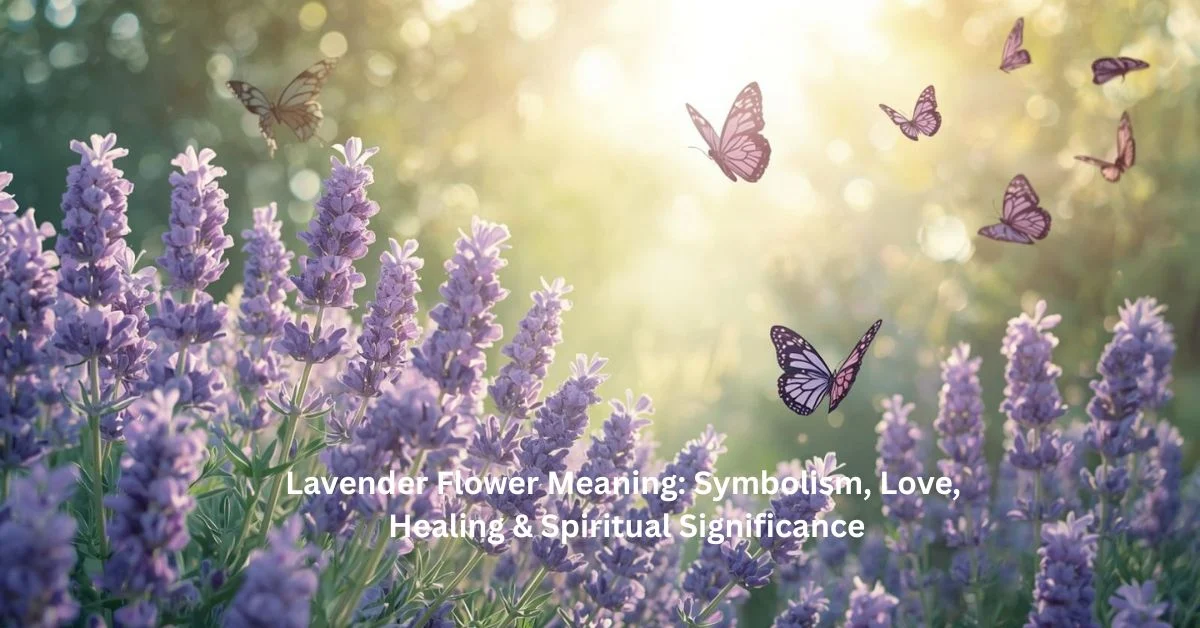
Lavender is more than just a beautiful purple flower; it’s a symbol of calm, love, and spiritual healing that has enchanted humans for centuries.
From its soothing fragrance to its delicate violet blooms, lavender carries a meaning that transcends cultures and generations.
People have long associated lavender with relaxation, emotional balance, and even protection, making it a favorite in gardens, aromatherapy, and spiritual practices alike.
If you’re drawn to its vibrant color, its gentle scent, or its historical significance, understanding the lavender flower’s meaning can add depth to how you experience this extraordinary plant.
In this article, we’ll explore lavender’s symbolism, cultural importance, healing properties, and practical uses, helping you appreciate why this simple yet elegant flower has remained a cherished emblem of peace, devotion, and beauty around the world.
What is Lavender?
Lavender, scientifically known as Lavandula, is a genus of flowering plants in the mint family, Lamiaceae. Native to regions of Europe, Africa, and Asia, it has been cultivated for thousands of years for its fragrance, medicinal properties, and ornamental beauty. The most commonly recognized species include English lavender (Lavandula angustifolia), French lavender (Lavandula dentata), and Spanish lavender (Lavandula stoechas), each varying slightly in color, scent, and growth patterns.
Lavender thrives in sunny, well-drained environments, often dotting fields with its signature purple hue that instantly evokes a sense of calm and serenity. Beyond its visual appeal, lavender has been historically used for medicinal purposes, including treating headaches, insomnia, and minor skin irritations. Ancient civilizations, including the Egyptians and Romans, valued lavender for its aromatic qualities, using it in perfumes, baths, and even embalming rituals.
Today, lavender remains popular not only for its practical uses but also for its symbolic value. Its delicate flowers, soothing scent, and versatility in teas, oils, and home decor make it a beloved plant worldwide. Understanding lavender at its core both scientifically and historically provides a foundation for appreciating its deeper meaning and cultural significance.
General Lavender Flower Meaning
Lavender is widely celebrated for its deep symbolism, making it one of the most meaningful flowers in gardens, rituals, and personal spaces. At its core, the lavender flower represents calm, purity, and serenity, which is why it is often associated with emotional balance and inner peace. Its gentle purple hue is linked to spiritual awareness, tranquility, and imagination, making lavender a favorite in meditation and relaxation practices.
Beyond its calming qualities, lavender symbolizes devotion and love. Traditionally, it has been used to express fidelity, care, and commitment, both in romantic relationships and in acts of friendship. In many cultures, gifting lavender conveys a message of affection and respect, while keeping it in your home or workspace promotes positive energy and mental clarity.
Lavender is also connected to healing and protection, reflecting its long history in herbal medicine and aromatherapy. Its scent is believed to soothe the mind, reduce stress, and promote restful sleep, enhancing overall well-being. The flower’s delicate yet resilient nature mirrors emotional strength and endurance, making it a symbol of hope and spiritual growth.
In essence, the general meaning of lavender combines beauty, tranquility, and emotional depth. Whether appreciated for its fragrance, calming influence, or symbolic power, lavender is more than just a decorative flower; it’s a natural emblem of peace, love, and holistic wellness that continues to inspire people across the world.
Lavender in Different Cultures
Lavender has held a special place in the hearts of people across the world for centuries, and its meaning often varies depending on cultural context. In Europe, lavender was historically associated with purity, protection, and cleanliness. Medieval households used lavender in linens and homes to ward off evil spirits and maintain a sense of calm and order. In royal courts, its fragrant scent and purple color symbolized luxury, elegance, and nobility, further emphasizing its importance in European culture.
In Asia, lavender has been incorporated into meditation and spiritual practices. Its soothing aroma and calming effects make it ideal for creating serene spaces in temples, meditation rooms, and personal altars. Many Asian traditions associate lavender with spiritual healing and emotional balance, using it in essential oils, teas, and incense to promote mindfulness and inner peace.
Ancient civilizations, such as Egyptians and Romans, valued lavender for both practical and symbolic purposes. Egyptians used lavender in perfumes, cosmetics, and embalming rituals, linking it to purity and the afterlife. Romans often added lavender to baths and used it as a medicinal herb, associating it with healing, rejuvenation, and protection from illness.
In the Middle East, lavender has been prized for centuries in teas, aromatic treatments, and religious rituals, symbolizing tranquility, protection, and spiritual clarity. Across these diverse cultures, lavender consistently represents peace, devotion, and well-being, showing that despite regional differences, the flower’s core symbolism remains timeless and universal.
Lavender Color Symbolism
The color of lavender plays a key role in its symbolism, adding another layer of meaning to the flower. Lavender’s soft purple hue is often associated with spirituality, calmness, and imagination, making it a popular choice for meditation, relaxation, and creative spaces. Unlike darker shades of purple, which often symbolize power and luxury, lavender conveys gentleness, peace, and emotional balance.
In color psychology, purple is linked to the mind, intuition, and inspiration. Lavender, with its lighter tone, amplifies these qualities while also promoting a sense of serenity and emotional clarity. This is why lavender-colored spaces are often used in homes, offices, and wellness centers to encourage relaxation, focus, and mental harmony.
Lavender’s color also has strong connections to healing and protection. Across cultures, the flower’s gentle purple shade symbolizes spiritual cleansing, warding off negative energy and fostering a sense of safety and comfort. It is often paired with white or green in gardens and floral arrangements to emphasize purity, renewal, and growth.
In addition to spiritual and emotional meanings, lavender’s color carries romantic connotations. Light purple is often associated with love, devotion, and elegance, making lavender a popular choice for weddings, bouquets, and gifts that convey affection and care.
Ultimately, the color of lavender reinforces its overall symbolism: a blend of calm, purity, love, and spiritual growth. Its soothing tone complements the flower’s fragrance and form, making lavender not only visually appealing but also deeply meaningful.
Lavender in Love & Relationships
Lavender has long been associated with love, devotion, and emotional connection, making it a popular flower in relationships and romantic traditions. Its gentle purple hue and soothing fragrance convey a sense of fidelity, trust, and care, which is why it is often included in wedding bouquets, love charms, and gifts meant to express affection. Gifting lavender can symbolize not only romantic love but also friendship, loyalty, and respect, reflecting a deep emotional bond between people.
Historically, lavender was used in courtship rituals and wedding ceremonies in Europe. Brides often carried lavender in their bouquets or pressed it into ribbons, believing it would ensure happiness, fidelity, and a harmonious marriage. Lavender has also been incorporated into love spells and rituals across various cultures, symbolizing devotion, attraction, and emotional balance.
Beyond romance, lavender can play an important role in emotional support and personal relationships. Its calming properties make it a natural choice for reducing stress and tension in both domestic and social settings. Keeping lavender in shared spaces such as bedrooms or living areas can encourage peaceful communication, understanding, and emotional harmony between partners, friends, or family members.
In modern times, lavender continues to be celebrated in romantic and relationship contexts. Whether given as a bouquet, used in essential oils, or incorporated into home decor, lavender sends a subtle yet powerful message of love, loyalty, and serenity. Its symbolic combination of beauty and calmness makes it a flower that enhances both emotional connections and everyday relationships.
Lavender for Healing & Wellness
Lavender is celebrated not only for its beauty but also for its remarkable healing and wellness properties, which have been recognized for centuries. One of its most well-known benefits is its ability to promote relaxation and reduce stress. The soothing aroma of lavender essential oil is commonly used in aromatherapy to calm the mind, ease anxiety, and improve emotional balance. A few drops in a diffuser or a warm bath can create a serene environment, making it a natural remedy for mental fatigue.
Lavender also plays an important role in sleep improvement. Studies have shown that its fragrance can help regulate sleep patterns, allowing for deeper, more restful rest. This makes lavender a popular choice for those struggling with insomnia or irregular sleep cycles. Its calming influence extends to headache relief, where inhaling its scent or using diluted lavender oil on temples can ease tension and discomfort.
Traditionally, lavender has been used in herbal medicine for minor ailments, including digestive issues, skin irritations, and inflammation. Its anti-inflammatory and antiseptic properties make it ideal for topical applications in creams, balms, and herbal teas.
In addition to physical benefits, lavender is strongly linked to emotional and spiritual wellness. Its calming fragrance encourages mindfulness, meditation, and emotional healing, helping individuals reconnect with their inner peace. Whether used in essential oils, teas, or home remedies, lavender remains a versatile plant that supports holistic health, making it one of the most cherished flowers for wellness practices worldwide.
Spiritual & Mystical Significance of Lavender
Lavender has long been valued for its spiritual and mystical qualities, making it a staple in meditation, rituals, and energy cleansing practices. Its soft purple hue and soothing fragrance are believed to promote peace, clarity, and spiritual awareness, allowing individuals to connect more deeply with their inner selves. In many traditions, lavender is considered a flower that can ward off negative energy and attract positive vibrations, making it a powerful tool for protection and purification.
In meditation and mindfulness practices, lavender is often used to create a calm and centered environment. Burning lavender incense or using lavender essential oil can help quiet the mind, ease distractions, and enhance focus, making it easier to achieve a state of deep relaxation and spiritual connection. Some practitioners also use lavender to balance energy centers, particularly the crown and third eye chakras, fostering intuition, wisdom, and emotional healing.
Lavender is also prominent in rituals and ceremonies across various cultures. From creating protective sachets to placing lavender on altars, the flower symbolizes purity, devotion, and spiritual growth. Its mystical associations extend to dreams, where it is believed that lavender can encourage peaceful sleep, clarity of thought, and insight into subconscious emotions.
Ultimately, lavender’s spiritual and mystical significance reflects its timeless connection to the human desire for harmony, protection, and inner peace. Incorporating lavender into daily life or spiritual practices not only enhances relaxation but also fosters a sense of balance, grounding, and well-being that resonates on both physical and spiritual levels.
Lavender in Literature & Art
Lavender has inspired writers, poets, and artists for centuries, becoming a symbol of beauty, calm, and emotional depth in literature and art. Its delicate purple hue and gentle fragrance make it a favorite subject for creative expression, often evoking feelings of peace, romance, and nostalgia. From classical poetry to modern novels, lavender frequently appears as a metaphor for serenity, devotion, and emotional clarity.
In literature, lavender is often used to symbolize love, fidelity, and gentle emotions. Poets describe lavender fields as landscapes of tranquility and hope, while authors weave it into stories as a subtle emblem of a character’s inner calm or spiritual journey. Its presence can highlight themes of healing, comfort, and purity, providing a sensory layer that enhances storytelling.
Artists and painters also celebrate lavender for its visual appeal. Its soft purple tones are commonly depicted in paintings, illustrations, and botanical art, conveying elegance and harmony. Lavender is often paired with other floral elements or natural landscapes to create compositions that evoke serenity and inspiration.
Beyond traditional art, lavender has found its place in modern creative expressions, including photography, design, and home decor, where it continues to symbolize peace, wellness, and gentle beauty. Its timeless presence in both literature and art underscores the universal appeal of lavender, connecting people across cultures and generations through a shared appreciation of its calming and symbolic qualities.
Practical Uses of Lavender
Lavender is not only cherished for its symbolism and beauty but also for its versatile practical applications in daily life. One of the most popular uses of lavender is in gardening. Its vibrant purple flowers and pleasant fragrance make it a favorite for ornamental gardens, borders, and even indoor pots. Lavender is relatively easy to grow in sunny, well-drained areas, and its presence can attract pollinators like bees and butterflies, supporting the health of your garden ecosystem.
Lavender is widely used in DIY projects and home remedies. Its dried flowers can be turned into sachets, potpourri, or infused oils to create calming scents around the home. Essential oils extracted from lavender are used in aromatherapy, skincare products, and massage oils to promote relaxation and relieve stress. Lavender can also be brewed into teas that aid digestion and support restful sleep.
In culinary applications, lavender adds a unique floral note to desserts, beverages, and even savory dishes. Lavender honey, lavender-infused syrups, and baked goods like cookies and cakes showcase its delicate flavor. Many chefs and home cooks incorporate lavender into recipes to create sophisticated, aromatic dishes.
Lavender also enhances home decor and wellness routines. From candles and diffusers to bath salts and pillow sprays, its soothing aroma can transform living spaces into calming sanctuaries. Whether used in the garden, kitchen, or personal care routine, lavender proves to be a practical, multi-purpose plant that combines beauty, wellness, and functionality in everyday life.
Fun & Surprising Facts About Lavender
Lavender is a fascinating flower, and beyond its symbolism and practical uses, it has many fun and surprising facts that make it even more remarkable. For starters, lavender is part of the mint family (Lamiaceae), which explains its aromatic leaves and flowers. Despite its delicate appearance, lavender is a resilient plant that can thrive in poor soils and dry climates, making it a favorite among gardeners worldwide.
One surprising fact is the variety of lavender festivals held around the world. Countries like France, England, and the United States celebrate lavender harvests with colorful festivals, featuring fields of blooming lavender, local crafts, and culinary treats like lavender honey and desserts. These events not only showcase the flower’s beauty but also celebrate its cultural significance and economic value.
Lavender is also widely used in perfumery and cosmetics. Its essential oils are a key ingredient in perfumes, soaps, and lotions due to their calming scent and antibacterial properties. Another fun fact is that lavender is often used in culinary creations, from teas and syrups to cakes, chocolates, and even savory dishes, adding a subtle floral flavor that is both unique and delightful.
Historically, lavender was so highly valued that it was used in ancient Egyptian embalming rituals and Roman baths. Additionally, lavender has been connected to superstitions and folklore, often believed to ward off evil spirits and attract positive energy.
These facts highlight that lavender is not just a flower it’s a cultural, culinary, and historical icon, beloved for its fragrance, versatility, and symbolism across the globe.
How to Incorporate Lavender in Daily Life
Lavender is a versatile flower that can easily be incorporated into your daily routines to promote calm, wellness, and a touch of elegance. One of the simplest ways to enjoy lavender is through aromatherapy. Using lavender essential oil in diffusers, bath salts, or massage oils can help reduce stress, improve sleep quality, and create a relaxing atmosphere at home. Even placing dried lavender sachets in bedrooms or wardrobes can infuse your space with its soothing fragrance.
Another practical method is through culinary uses. Lavender can be added to teas, baked goods, desserts, or even savory dishes, providing a unique floral flavor that delights the senses. Lavender honey, lavender-infused syrups, and cookies are popular ways to enjoy its aroma and taste, making daily meals a calming, sensory experience.
Incorporating lavender into home decor is both beautiful and beneficial. Potted lavender plants, wreaths, or dried bouquets bring color, fragrance, and symbolic meaning to your living space. Lavender can also be used in DIY crafts, such as candles, soaps, or skincare products, combining creativity with relaxation.
For wellness and mindfulness, lavender supports meditation and self-care practices. Drinking lavender tea, practicing yoga with lavender nearby, or keeping lavender in a workspace can encourage focus, mental clarity, and emotional balance.
By weaving lavender into daily life whether through scent, taste, decoration, or self-care you not only enjoy its beauty but also embrace its symbolic meanings of calm, love, and spiritual growth, creating a more serene and harmonious lifestyle.
Frequently Asked Questions About Lavender
Lavender is a beloved flower with a rich history, and many people have questions about its symbolism, uses, and benefits. Understanding these can help you make the most of lavender in daily life, wellness, and spiritual practices.
What does a lavender flower symbolize in dreams?
In dreams, lavender often represents calm, emotional healing, and clarity of thought. Seeing lavender may suggest the need for relaxation, balance, or spiritual insight.
Can lavender help with emotional healing?
Yes! Lavender is known for its soothing and calming properties. Aromatherapy, teas, or oils made from lavender can help reduce anxiety, stress, and emotional tension, promoting overall well-being.
Is lavender a symbol of love or friendship?
Lavender symbolizes both. In romantic contexts, it represents devotion and fidelity, while in friendships it conveys loyalty, care, and respect. Giving lavender can strengthen emotional bonds in any relationship.
How is lavender used in modern wellness practices?
Lavender is widely used in aromatherapy, meditation, and self-care routines. Diffusers, essential oils, bath products, and teas are popular ways to harness its calming and restorative benefits.
What is the difference between lavender and lilac symbolism?
While both flowers are purple and symbolize love and serenity, lavender emphasizes calmness, healing, and devotion, whereas lilac is more associated with first love and youthful emotions.
These FAQs cover common concerns and curiosities about lavender, highlighting its versatility, symbolic depth, and practical benefits. Whether you are drawn to it for spiritual purposes, emotional support, or aesthetic value, lavender continues to be a meaningful and treasured flower worldwide.
Conclusion
Lavender is much more than a beautiful flower; it is a symbol of calm, love, purity, and spiritual growth that has captivated people across cultures and generations.
Its delicate purple blooms and soothing fragrance are not only visually appealing but also carry deep emotional, cultural, and spiritual meanings.
Whether you encounter lavender in a garden, a bouquet, or as an essential oil, its presence brings a sense of tranquility, devotion, and well-being to everyday life.
Throughout history, lavender has been cherished for its healing properties, protective symbolism, and aesthetic charm.
From ancient Egyptian and Roman traditions to modern wellness practices, lavender has maintained its role as a trusted companion for relaxation, meditation, and emotional balance.
Its gentle scent can reduce stress, enhance sleep, and support mindfulness, while its color evokes spiritual awareness and emotional clarity.
In addition, lavender’s connection to love and relationships highlights its versatility as a flower that nurtures both the heart and the mind.
It serves as a natural reminder of loyalty, devotion, and serenity, making it a meaningful choice for personal reflection, gifting, or home decor.
By incorporating lavender into your daily life, rituals, and wellness routines, you embrace its symbolic and practical benefits, creating a harmonious environment that promotes inner peace, love, and spiritual growth.
Its timeless beauty and significance ensure that lavender will continue to inspire, heal, and captivate for generations to come.

“Hi, I’m Gigi Giggles! Spreading laughter and good vibes wherever .I go Lover of silly jokes, random adventures, and all things fun. Life’s too short to be serious, so let’s giggle, smile, and make every day a little brighter .Check out more puns and laughs at thepunside.com!