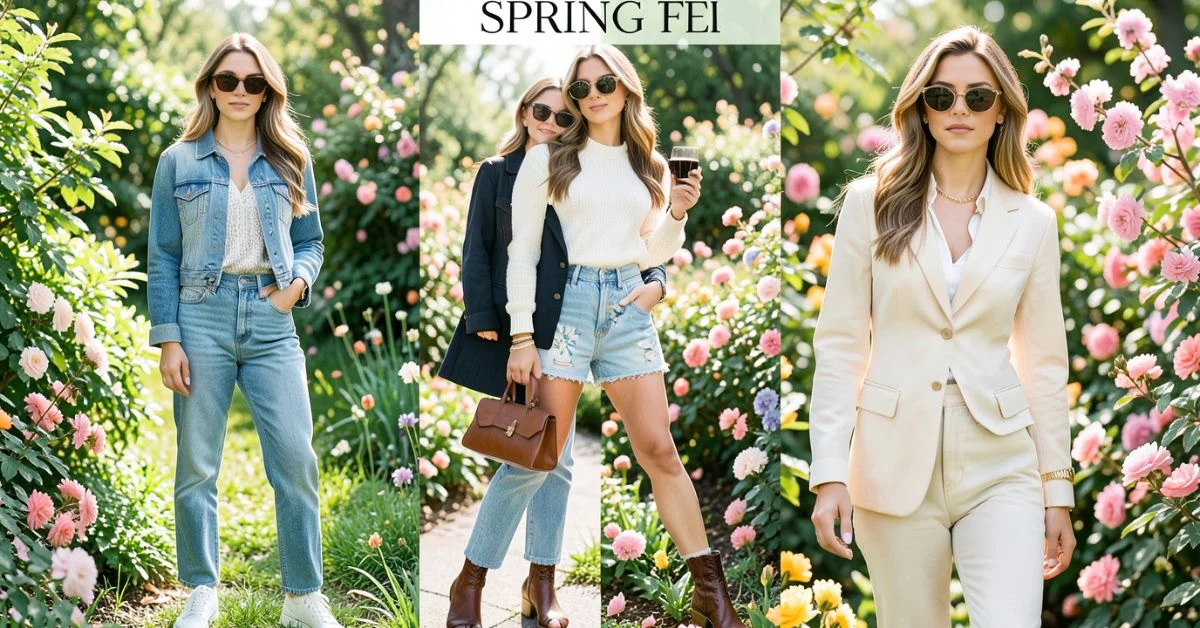
Spring fashion is more than just a seasonal wardrobe change it represents renewal, growth, and fresh beginnings.
After months of heavy coats and dark winter tones, spring arrives with warmth, light, and color. This natural shift influences the way people dress, encouraging lighter fabrics, softer textures, and brighter shades.
When people search for the meaning of spring fashion, they are often looking to understand both its style elements and its deeper symbolism.
At its core, spring fashion reflects the transformation happening in nature. Just as flowers bloom and days become longer, wardrobes transition into breathable materials like cotton and linen, playful floral prints, and pastel color palettes.
It’s a time to experiment with layering, embrace comfort, and express optimism through clothing.
Spring fashion is not only about trends it’s about capturing the spirit of the season and expressing confidence through fresh, uplifting style choices.
What Is Spring Fashion? (Core Definition)
Spring fashion refers to the clothing styles, colors, fabrics, and overall aesthetic that define the transition from winter to warmer weather. It is the seasonal shift in wardrobe choices that aligns with rising temperatures, longer daylight hours, and the fresh energy of springtime. Unlike winter fashion, which focuses on heavy layers, dark tones, and thick materials, spring fashion introduces lighter fabrics, softer silhouettes, and brighter color palettes.
At its core, spring fashion is about balance. The weather during spring can be unpredictable cool mornings, warm afternoons, and breezy evenings so outfits are often built around smart layering. Lightweight jackets, cardigans, denim layers, and breathable tops become essential pieces. Fabrics like cotton, linen, chiffon, and light knits replace wool and heavy coats, allowing comfort without overheating.
Another defining element of spring fashion is color. Pastels, florals, earthy greens, sky blues, and cheerful yellows reflect the blooming environment. Patterns inspired by nature flowers, leaves, and soft abstract prints are especially popular during this season.
Spring fashion also represents emotional and personal transition. Many people refresh their wardrobe during this time as a way to reflect growth, positivity, and change. In simple terms, spring fashion is the expression of seasonal renewal through style combining comfort, creativity, and optimism in everyday clothing choices.
The Symbolism Behind Spring Fashion
Spring fashion carries deep symbolic meaning beyond fabrics and trends. It represents renewal, transformation, and fresh beginnings. Just as nature awakens after winter with flowers blooming, trees regaining leaves, and sunlight becoming warmer fashion mirrors this seasonal rebirth. Clothing choices become lighter, brighter, and more expressive, reflecting emotional growth and optimism.
One of the strongest symbolic aspects of spring fashion is renewal. Winter is often associated with stillness, darkness, and heaviness, both physically and emotionally. When spring arrives, people naturally feel motivated to refresh their appearance. Updating a wardrobe becomes a symbolic act of starting over, embracing positivity, and stepping into a new chapter.
Spring fashion also symbolizes hope and energy. Bright colors like yellow, pink, green, and sky blue represent happiness, growth, and harmony. Floral prints and nature-inspired designs reflect connection to the environment and the beauty of change. These elements are not random trends; they visually communicate the spirit of the season.
Additionally, spring fashion can symbolize self-expression. As the weather improves, people feel more confident experimenting with styles, layering techniques, and accessories. The shift from heavy winter layers to breathable fabrics often brings a sense of freedom and comfort.
In essence, spring fashion is a visual celebration of life’s cycles reminding us that change can be beautiful, refreshing, and full of opportunity.
The Psychology of Spring Colors
Colors play a powerful role in defining the meaning of spring fashion. Beyond aesthetics, spring color palettes influence mood, confidence, and emotional perception. As winter fades, darker shades like black, gray, and deep burgundy are replaced with lighter, uplifting tones. This shift is not accidental; it reflects both seasonal change and psychological impact.
Pastel shades are especially common in spring fashion. Soft pinks symbolize romance and warmth, light blues create feelings of calm and clarity, mint green represents growth and renewal, and pale yellow conveys happiness and energy. These colors mirror the natural environment during spring, when flowers bloom and skies become brighter. Wearing such shades can subconsciously boost optimism and positivity.
Green tones also carry strong symbolism during this season. Because green is associated with nature, balance, and harmony, it reinforces the idea of fresh beginnings. Similarly, lavender and lilac reflect creativity and gentle transformation, making them popular choices in spring collections.
The psychology behind spring colors also connects to social perception. Brighter and softer tones often make outfits appear approachable, friendly, and fresh. They can enhance personal confidence and create a more vibrant first impression.
Ultimately, spring fashion colors are more than trends; they reflect emotional renewal. By choosing lighter and nature-inspired shades, individuals align their style with the season’s uplifting energy, expressing growth, confidence, and a refreshed mindset.
Key Elements of Spring Fashion
Spring fashion is defined by several essential elements that distinguish it from other seasons. These elements combine comfort, practicality, and visual freshness to reflect the spirit of the season. Understanding these key components helps explain the true meaning of spring fashion and why it feels so different from winter or summer styles.
One major element is lightweight fabric. As temperatures rise, heavy wool and thick materials are replaced with breathable options like cotton, linen, chiffon, and light denim. These fabrics allow airflow and provide comfort during mild and changing weather conditions.
Another important feature is layering. Spring weather can shift throughout the day, so smart layering becomes essential. Light jackets, blazers, cardigans, and denim jackets are commonly paired with simple tops or dresses. This creates flexible outfits that can adapt to temperature changes.
Floral and botanical prints are also signature elements of spring fashion. Inspired by blooming flowers and greenery, these patterns symbolize growth and renewal. Along with florals, soft stripes, pastel tones, and nature-inspired colors dominate spring wardrobes.
Relaxed silhouettes further define the season. Flowing dresses, loose shirts, cropped trousers, and wide-leg pants create a comfortable yet stylish look. Accessories also become lighter, with scarves, sunglasses, and minimal jewelry enhancing outfits without overwhelming them.
Together, these elements create a balanced style that feels fresh, breathable, and optimistic perfectly aligned with the energy of spring.
Popular Spring Fashion Trends and Runway Influence
Spring fashion trends are often shaped by global runway shows and seasonal collections introduced by major fashion houses. Each year, designers present their spring collections during fashion weeks held in cities like Paris, Milan, New York City, and London. These events set the tone for upcoming trends, influencing retailers, influencers, and everyday wardrobes around the world.
Runway spring trends typically highlight fresh color palettes, innovative silhouettes, and creative fabric combinations. Designers often experiment with sheer materials, oversized tailoring, statement sleeves, and soft draping to capture the lightness of the season. Floral prints remain a consistent favorite, but they are reimagined each year in modern, abstract, or minimalist forms.
Street style also plays a significant role in shaping spring fashion. Fashion influencers and everyday style enthusiasts adapt runway trends into wearable outfits, making high-fashion concepts more practical and accessible. This blending of luxury inspiration and everyday styling defines modern spring fashion.
In recent years, sustainability has also become a key spring trend. Many brands focus on eco-friendly fabrics, recycled materials, and timeless designs that reduce waste. This shift reflects a growing awareness of environmental responsibility within the fashion industry.
Overall, popular spring fashion trends combine creativity, comfort, and conscious design, transforming seasonal inspiration into real-world style statements.
Spring Fashion for Different Occasions
Spring fashion is versatile, allowing individuals to adapt their wardrobe to a variety of occasions while maintaining seasonal style. The light fabrics, bright colors, and playful patterns that define spring fashion make it suitable for casual outings, professional settings, formal events, and social gatherings.
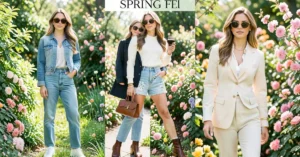
For casual everyday wear, spring fashion emphasizes comfort and flexibility. Flowing dresses, lightweight tops, cropped pants, and casual jackets are ideal choices. Accessories like scarves, sunglasses, and simple jewelry can enhance the look without making it feel heavy or overwhelming. Bright colors and floral prints often dominate casual outfits, reflecting the playful energy of the season.
In professional or office settings, spring fashion blends style with functionality. Blazers in pastel or neutral shades, tailored trousers, midi skirts, and breathable blouses allow individuals to stay polished while adapting to warmer temperatures. Layering with lightweight cardigans or structured jackets ensures comfort throughout the day.
Spring weddings and formal events often incorporate floral patterns, soft pastels, and elegant fabrics like chiffon or silk. Dresses with flowy silhouettes, statement sleeves, or delicate embroidery capture the lightness and freshness of the season. Men can also adopt lighter suits, soft-colored shirts, and matching accessories to complement the celebratory ambiance.
Outdoor gatherings, festivals, or vacations allow for more experimental and playful outfits. Bright prints, maxi skirts, jumpsuits, and straw accessories are popular choices. Comfort is key, as spring activities often involve walking, picnics, or outdoor socializing.
Overall, spring fashion’s adaptability ensures that no matter the occasion, individuals can reflect the season’s renewal, optimism, and creativity through thoughtful outfit choices.
Spring Fashion for Men vs. Women
Spring fashion offers unique opportunities for both people of all genders to refresh their wardrobes, yet the styles and approaches often differ while maintaining the same seasonal principles of lightness, color, and comfort.
Understanding these distinctions helps individuals express their personality and align with spring trends.
For women, spring fashion typically emphasizes flowing silhouettes, soft fabrics, and vibrant prints. Dresses, skirts, blouses, and lightweight trousers dominate seasonal wardrobes. Floral patterns, pastel tones, and subtle layering create an airy, elegant, and optimistic look. Accessories such as scarves, delicate jewelry, sunglasses, and light handbags enhance outfits without overpowering them. Women also often experiment with textures and layering, pairing a chiffon blouse with a cropped jacket or a lightweight cardigan for versatility.
Men’s spring fashion tends to focus on simplicity, structure, and comfort. Lightweight cotton shirts, polo shirts, chinos, tailored trousers, and casual blazers are common staples. Men can experiment with pastel colors, soft stripes, and subtle patterns to embrace the season without appearing too bold. Layering is practical, often involving light jackets, bomber jackets, or unstructured blazers. Accessories like watches, sunglasses, and minimalistic hats complement the outfits while maintaining a clean aesthetic.
Gender-neutral and modern spring fashion trends are also on the rise. Oversized jackets, wide-leg pants, and neutral-tone layering pieces blur traditional gender boundaries, allowing anyone to express creativity and personal style.
Overall, spring fashion for people of all genders prioritizes comfort, adaptability, and freshness. While styling choices differ, the essence of the season renewal, color, and optimism is central to every wardrobe, regardless of gender.
How to Transition Your Wardrobe from Winter to Spring
Transitioning your wardrobe from winter to spring is an essential step in embracing the season’s freshness and lightness. The process involves swapping heavy fabrics for breathable materials, adjusting color palettes, and strategically layering outfits to suit fluctuating temperatures. A thoughtful wardrobe transition ensures comfort, style, and alignment with spring fashion trends.
Start by decluttering your winter clothing. Remove bulky coats, thick sweaters, and dark-toned pieces that no longer match the season. Keep versatile items like light jackets, cardigans, and knitwear that can bridge the gap between cooler mornings and warmer afternoons.
Next, introduce spring fabrics into your wardrobe. Lightweight cotton, linen, chiffon, and soft knits replace heavy wool and flannel, allowing for airflow and comfort. Mixing these with leftover winter staples creates balanced outfits that work in unpredictable weather. For example, pair a light blouse with a winter coat in the morning, then remove the coat as temperatures rise.
Adjust your color palette as well. Swap dark, muted tones for pastels, soft neutrals, or nature-inspired shades. Introducing floral prints, subtle stripes, and vibrant accents adds freshness and visual appeal.
Layering strategically is crucial during the transition. Lightweight jackets, cardigans, or unstructured blazers help you adapt to changing temperatures without feeling restricted. Accessories like scarves or hats can also enhance outfits while providing practicality.
Finally, incorporate seasonal staples gradually. Flowing dresses, cropped pants, and casual spring tops can be combined with transitional pieces for a smooth shift from winter to spring fashion. This approach ensures your wardrobe reflects the optimism, renewal, and creativity that define the season.
Sustainable and Eco-Friendly Spring Fashion
Sustainable spring fashion has become increasingly important as more people recognize the environmental impact of clothing production. Choosing eco-friendly materials, reducing waste, and supporting ethical brands are key ways to enjoy spring fashion responsibly while staying stylish. This approach not only aligns with the season’s renewal theme but also encourages conscious consumption.
One way to embrace sustainability is by opting for natural fabrics. Organic cotton, linen, bamboo, and hemp are breathable, lightweight, and biodegradable alternatives to synthetic materials. These fabrics not only feel comfortable during spring but also have a lower environmental footprint. Choosing clothing made from recycled or upcycled materials is another eco-conscious choice. Many brands now offer collections made from recycled polyester, repurposed fabrics, or leftover textiles.
Building a capsule wardrobe is a practical strategy for sustainable spring fashion. By investing in versatile, timeless pieces that can be mixed and matched, individuals reduce the need for constant purchases while still creating stylish outfits. Neutral basics, quality jackets, and classic tops form the foundation, complemented by seasonal accents like floral scarves or pastel accessories.
Supporting ethical brands and local designers is also important. Many small fashion labels prioritize fair labor practices, sustainable materials, and slow-fashion principles. By choosing these options, consumers can enjoy spring trends without contributing to overproduction or exploitative practices.
Finally, thrift shopping and second-hand fashion offer opportunities to refresh a wardrobe sustainably. Vintage or pre-loved spring clothing allows for unique, eco-friendly style while minimizing environmental impact. Embracing sustainable practices ensures that spring fashion becomes not only a symbol of renewal for the individual but also a positive contribution to the planet.
Spring Fashion Across Cultures
Spring fashion varies widely across cultures, reflecting regional climates, traditions, and aesthetic preferences. While the core principles of light fabrics, bright colors, and seasonal renewal remain consistent, each culture interprets spring style in unique and meaningful ways.
In Western countries, spring fashion often emphasizes pastel tones, floral prints, and lightweight fabrics. Fashion weeks in cities like Paris and New York City showcase trends that quickly influence street style, office wear, and casual clothing. Layering is practical, as temperatures can fluctuate, and accessories such as scarves, sunglasses, and light jackets complement outfits.
In South Asia, spring fashion often includes vibrant colors, breathable cotton or silk fabrics, and traditional attire adapted for seasonal comfort. Women may wear colorful kurtas, sarees, or flowy dresses, while men wear lightweight kurta sets or linen shirts. Patterns inspired by nature, such as flowers and leaves, are especially popular during spring festivals.
East Asian spring fashion, particularly in Japan and Korea, emphasizes minimalism, pastel palettes, and layering. Lightweight coats, cardigans, and comfortable casual outfits dominate daily wear. Cherry blossom season influences fashion prints, from floral scarves to delicate dresses, blending seasonal aesthetics with cultural symbolism.
Middle Eastern spring fashion often balances modesty with seasonal comfort. Breathable fabrics, light outer layers, and soft colors allow individuals to adapt to warmer temperatures while maintaining traditional clothing norms.
Overall, spring fashion across cultures reflects the same themes of renewal, optimism, and self-expression. Though materials, colors, and silhouettes may vary, the universal essence of spring fashion is the celebration of growth, lightness, and the beauty of seasonal change.
Common Mistakes in Spring Fashion
Even with the excitement of updating wardrobes for spring, many people make common mistakes that can undermine their style or comfort. Being aware of these pitfalls ensures that spring fashion not only looks good but also feels practical and seasonally appropriate.
One frequent mistake is over-layering. While spring mornings may be cool, piling on heavy coats or multiple sweaters can quickly lead to overheating as temperatures rise. The key is to use lightweight layers, such as cardigans, denim jackets, or light blazers, which can be added or removed as needed.
Another common error is wearing winter fabrics too long into the season. Materials like wool, thick knits, or velvet can feel uncomfortable in warmer spring weather. Replacing them with breathable fabrics such as cotton, linen, or chiffon improves comfort while maintaining style.
Ignoring color balance is another issue. Spring is a season for pastels, bright accents, and nature-inspired tones. Continuing to wear dark, muted winter shades can make outfits feel out of place and dull. Introducing light colors gradually helps create a fresh, seasonal look.
Footwear mistakes also occur, such as keeping heavy winter boots or closed shoes when lighter options like loafers, flats, or sneakers are more appropriate. Accessories can also be misused too many layers of scarves or heavy jewelry can overwhelm spring outfits.
Finally, neglecting practicality, like choosing fabrics that wrinkle easily or don’t breathe, can reduce both comfort and confidence. Avoiding these common mistakes ensures that spring fashion truly reflects the season’s renewal, optimism, and lightness.
Benefits of Embracing Spring Fashion
Embracing spring fashion offers more than just an updated wardrobe; it provides emotional, social, and practical benefits that reflect the season’s theme of renewal and growth. By aligning your clothing choices with spring aesthetics, you can enhance confidence, creativity, and overall well-being.
One of the primary benefits is mood enhancement. Lighter fabrics, bright colors, and floral patterns naturally uplift the spirit after the darker, colder winter months. Wearing pastel tones, nature-inspired prints, or breathable fabrics can create a sense of optimism and positivity, making everyday interactions feel more energetic and cheerful.
Spring fashion also encourages creativity and personal expression. The season’s variety of colors, textures, and patterns allows individuals to experiment with layering, accessories, and unique combinations. This freedom fosters a playful approach to styling, helping people rediscover their personal fashion identity while keeping outfits fresh and interesting.
Practical benefits include comfort and adaptability. Lightweight fabrics and versatile layering options allow individuals to adjust to fluctuating spring temperatures. Outfits become flexible for casual, professional, or formal occasions, ensuring style does not compromise comfort.
Spring fashion also reflects lifestyle change. Updating your wardrobe signals a personal reset, encouraging organization, decluttering, and mindful consumption. It can even inspire sustainable choices, like selecting eco-friendly fabrics or building a capsule wardrobe.
Finally, embracing spring fashion can positively impact social perception. Stylish, seasonally appropriate outfits create approachable, confident appearances in professional and social
FAQs About Spring Fashion
When exploring the meaning of spring fashion, many readers have common questions about style, trends, and seasonal wardrobe choices. Answering these FAQs helps clarify the topic and provides practical guidance for anyone looking to embrace spring style.
1. What does spring fashion mean?
Spring fashion refers to the clothing, colors, fabrics, and styles associated with the spring season. It emphasizes light, breathable fabrics, bright and pastel colors, floral or nature-inspired prints, and outfits that reflect renewal and optimism.
2. Why are florals popular in spring?
Floral patterns symbolize growth, rebirth, and natural beauty, which align with the essence of spring. Wearing florals allows individuals to visually connect with the season and express freshness in their wardrobe.
3. When does spring fashion start?
Spring fashion typically begins as temperatures rise in early March in the Northern Hemisphere. Fashion brands often release their spring collections slightly earlier to accommodate changing weather and seasonal trends.
4. How can I style spring outfits on a budget?
Budget-friendly styling can be achieved by mixing and matching seasonal pieces with existing wardrobe staples. Thrift shopping, capsule wardrobes, and using accessories creatively are also practical ways to refresh your spring style without overspending.
5. What colors define spring fashion?
Pastel colors, soft neutrals, and nature-inspired shades dominate spring fashion. Popular options include pink, mint green, sky blue, lavender, pale yellow, and soft beige. These colors promote positivity, energy, and harmony.
6. How do I transition from winter to spring fashion?
Gradually swap heavy fabrics for lightweight options, layer smartly, introduce seasonal colors, and combine leftover winter pieces with spring staples to ensure comfort and style.
These FAQs provide a clear, practical guide to understanding spring fashion and help readers make informed wardrobe decisions.
Conclusion
Spring fashion is more than just a seasonal wardrobe change it is a celebration of renewal, optimism, and personal expression.
From the lighter fabrics and pastel colors to floral prints and breathable layers, every element of spring fashion reflects the energy and vibrancy of the season.
Embracing these trends allows individuals to feel refreshed, confident, and aligned with the natural cycles of growth and transformation.
The meaning of spring fashion extends beyond aesthetics. It symbolizes emotional renewal, creativity, and a fresh start.
By incorporating versatile layering, nature-inspired patterns, and light fabrics, people can create outfits that are both practical and stylish.
Spring fashion encourages experimentation, self-expression, and confidence, making it suitable for casual outings, professional settings, formal events, and travel.
Cultural influences, runway trends, and sustainability further enrich spring fashion.
Global cities like Paris, Milan, and New York City set trends that inspire both high fashion and street style, while eco-friendly fabrics, ethical brands, and thrifted clothing allow for responsible seasonal updates.
Ultimately, spring fashion is a visual and emotional reflection of the season’s spirit. It encourages people to shed the heaviness of winter, embrace brighter tones, and approach daily life with renewed energy and creativity.
Updating your wardrobe for spring is not just about following trends, it is about aligning your style with growth, freshness, and positivity, making every outfit a statement of renewal.

“Hi, I’m Gigi Giggles! Spreading laughter and good vibes wherever .I go Lover of silly jokes, random adventures, and all things fun. Life’s too short to be serious, so let’s giggle, smile, and make every day a little brighter .Check out more puns and laughs at thepunside.com!