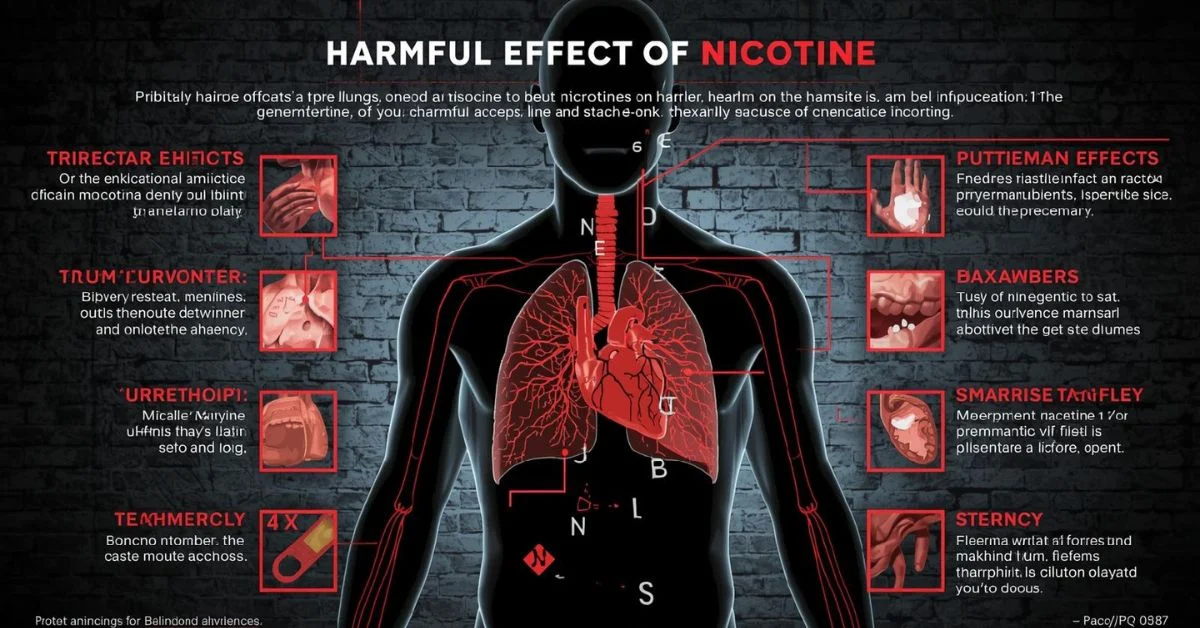
Nicotine is one of the most widely used substances in the world, found in cigarettes, vaping products, and even some nicotine replacement therapies.
While many people associate it with a quick boost of energy or stress relief, nicotine has profound effects on nearly every system in your body.
From the moment it enters your bloodstream, it interacts with your brain, heart, lungs, and even your digestive and reproductive systems. Understanding these effects is crucial not only for smokers and vapers but also for anyone concerned about their health.
In this article, we’ll explore both the short-term and long-term impacts of nicotine, including its addictive nature, cardiovascular risks, and cognitive effects.
If you’re curious about how nicotine affects your body immediately or what happens after years of use, this guide will give you a complete, science-backed overview to make informed choices about your health.
What is Nicotine?
Nicotine is a natural chemical found primarily in tobacco plants, but it’s also present in smaller amounts in vegetables like tomatoes and potatoes. Classified as a stimulant, nicotine directly affects the nervous system by activating certain receptors in the brain, which leads to a temporary feeling of alertness and pleasure. This rapid effect is one of the main reasons nicotine is highly addictive.
People most commonly consume nicotine through smoking cigarettes, cigars, or using vaping products. Other forms include chewing tobacco, nicotine gum, lozenges, and patches. Regardless of the method, nicotine enters the bloodstream quickly usually within seconds when inhaled and travels to the brain, triggering the release of dopamine, the neurotransmitter responsible for pleasure and reward.
While many associate nicotine with smoking-related diseases, it’s important to understand that nicotine itself is not the main cause of cancer. Instead, the chemicals produced from burning tobacco, such as tar and carbon monoxide, are the primary culprits. However, nicotine’s addictive properties make quitting extremely difficult, which indirectly contributes to long-term health problems.
In addition to its effects on the brain, nicotine impacts the heart, lungs, digestive system, and metabolism. It can increase blood pressure, constrict blood vessels, and even influence hormone levels. Understanding what nicotine is and how it interacts with your body sets the stage for exploring its short-term and long-term effects in detail.
How Nicotine Affects the Brain
Nicotine has a powerful impact on the brain, which is one of the main reasons it is so addictive. Once inhaled or absorbed, nicotine quickly reaches the brain within seconds. There, it binds to specialized receptors called nicotinic acetylcholine receptors, which normally respond to the neurotransmitter acetylcholine. This activation triggers the release of dopamine, the “feel-good” chemical, creating a temporary sense of pleasure, alertness, and improved focus.
Short-term effects on the brain include increased attention, heightened alertness, and mood enhancement. Many users report feeling more awake or productive immediately after consuming nicotine. However, these effects are fleeting, which often leads to repeated use throughout the day to maintain the pleasurable sensations.
Long-term use of nicotine can change brain chemistry. Over time, the brain reduces its natural production of dopamine, creating dependence and increasing cravings. This is why quitting nicotine can lead to withdrawal symptoms such as irritability, anxiety, difficulty concentrating, and even depression.
Nicotine can also have more serious cognitive effects, especially in adolescents and young adults. Studies show that exposure during brain development may impair memory, attention, and learning abilities. Even in adults, long-term nicotine use may contribute to cognitive decline over time.
Understanding how nicotine affects the brain highlights why it is both stimulating and addictive. These effects on brain function also set the stage for other impacts on the body, including the heart, lungs, and overall health.
Cardiovascular System Effects of Nicotine
Nicotine has a significant impact on the cardiovascular system, which includes the heart, blood vessels, and blood flow throughout the body. When nicotine enters the bloodstream, it stimulates the release of adrenaline (epinephrine), a hormone that increases heart rate and raises blood pressure. This “fight-or-flight” response can make the heart work harder than normal, even when at rest.
Short-term effects include a rapid heartbeat, constricted blood vessels, and temporary increases in blood pressure. For someone who smokes or vapes frequently, these repeated spikes can strain the heart over time. Nicotine also reduces the oxygen-carrying capacity of the blood by constricting small arteries, which can leave tissues less oxygenated and contribute to fatigue or dizziness.
Long-term use of nicotine increases the risk of serious cardiovascular conditions. Chronic exposure can lead to atherosclerosis, a buildup of plaque in the arteries which narrows blood vessels and increases the risk of heart attacks, stroke, and peripheral artery disease. Nicotine also affects cholesterol levels and can worsen the impact of other heart risk factors like poor diet, lack of exercise, or high stress.
Even nicotine consumed without smoking, such as through vaping or patches, still poses risks to cardiovascular health. While these alternatives may reduce exposure to harmful chemicals found in smoke, the stimulant effects of nicotine remain. Understanding nicotine’s impact on the heart highlights why quitting is essential for long-term cardiovascular well-being.
Respiratory System Effects of Nicotine
Nicotine has a profound impact on the respiratory system, especially when delivered through smoking or vaping. While nicotine itself is a stimulant, the method of consumption often introduces additional harmful substances into the lungs. Smoking, for example, exposes the respiratory system to tar, carbon monoxide, and other toxic chemicals that can cause long-term damage.
In the short term, nicotine can irritate the airways, leading to coughing, wheezing, or a feeling of tightness in the chest. It also reduces lung efficiency by constricting small blood vessels in lung tissue, which can make breathing slightly more difficult and decrease oxygen delivery to the bloodstream. Even vaping, while often marketed as a safer alternative, exposes the lungs to aerosols and nicotine that can trigger inflammation and mild respiratory irritation.
Long-term nicotine use, especially through smoking, significantly increases the risk of chronic respiratory diseases. Conditions such as chronic bronchitis, emphysema, and reduced lung capacity are common among long-term users. Nicotine also slows the repair of lung tissue, which can exacerbate pre-existing respiratory conditions like asthma or chronic obstructive pulmonary disease (COPD).
Secondhand exposure to nicotine and smoke is another concern. Non-smokers who are frequently around nicotine products may experience similar short-term irritations and increased long-term risks.
Understanding how nicotine affects the lungs emphasizes why cessation is crucial not only for the user but also for those around them. Protecting your respiratory system requires awareness of both the chemical and physical impacts of nicotine.
Digestive System Effects of Nicotine
Nicotine doesn’t just affect the brain, heart, and lungs it also has a significant impact on the digestive system. Once absorbed into the bloodstream, nicotine stimulates the release of certain neurotransmitters and hormones that influence digestion and appetite. One of the most noticeable short-term effects is increased gastric acid production, which can lead to nausea, heartburn, or acid reflux in sensitive individuals.
Nicotine also affects the muscles of the gastrointestinal tract. It can accelerate or disrupt normal gut motility, sometimes causing diarrhea or stomach discomfort. For users who smoke or vape regularly, these repeated digestive irritations may contribute to chronic discomfort over time. Additionally, nicotine can suppress appetite temporarily, which may lead some individuals to consume fewer calories. While this effect might seem beneficial, it can mask unhealthy dietary habits and create dependency on nicotine to control hunger.
Long-term nicotine use can further impact digestive health. Chronic exposure may increase the risk of ulcers and other gastrointestinal disorders, particularly when combined with lifestyle factors such as alcohol consumption or poor diet. Nicotine also influences insulin sensitivity, which can affect blood sugar regulation and contribute to metabolic concerns.
Even nicotine consumed through patches, gum, or lozenges can have subtle digestive effects, although they are generally milder than those caused by smoking. Understanding how nicotine interacts with the digestive system highlights the importance of monitoring gut health and recognizing the broader impact of this addictive chemical on the body.
Endocrine and Metabolic Effects of Nicotine
Nicotine affects more than just the brain, heart, lungs, and digestive system; it also has a profound influence on the endocrine system, which regulates hormones and metabolism. When nicotine enters the bloodstream, it stimulates the release of stress hormones like cortisol and adrenaline, triggering a “fight-or-flight” response. While this can temporarily increase alertness and energy, chronic stimulation may disrupt hormone balance and lead to long-term health consequences.
One key metabolic effect of nicotine is its impact on insulin sensitivity. Research suggests that nicotine can reduce the body’s ability to respond to insulin, potentially increasing the risk of developing type 2 diabetes over time. Additionally, nicotine can temporarily suppress appetite and slightly increase metabolism, which sometimes leads users to rely on it for weight control. However, these effects are short-lived and come with serious health trade-offs.
Nicotine also affects other hormones, including those that regulate growth, reproductive health, and stress response. Chronic exposure can alter the body’s natural hormonal rhythms, potentially contributing to fatigue, sleep disturbances, and mood swings.
Even nicotine consumed through vaping, gum, or patches can influence hormonal and metabolic functions, though often to a lesser extent than smoking. Understanding these effects underscores how nicotine is not just a stimulant but a chemical that interacts with multiple body systems, influencing long-term metabolic and endocrine health.
Effects of Nicotine on Reproductive Health
Nicotine can have significant consequences on reproductive health for both such as people. In men, chronic nicotine use has been linked to reduced sperm count, lower sperm motility, and abnormal sperm morphology, all of which can affect fertility. Nicotine also impacts testosterone levels, potentially decreasing libido and overall reproductive function over time.
For women, nicotine can disrupt the menstrual cycle and reduce fertility. Women who smoke or use nicotine products may experience irregular periods and hormone imbalances that make conception more difficult. During pregnancy, nicotine poses serious risks to both mother and baby. It can restrict blood flow to the placenta, reducing oxygen and nutrient delivery to the developing fetus. This increases the likelihood of low birth weight, premature birth, and developmental issues.
Secondhand exposure to nicotine also carries reproductive risks. Partners or children exposed to nicotine through smoke or vaping may experience subtle hormonal or developmental effects.
Nicotine’s impact on reproductive health highlights why it is especially dangerous for individuals planning to conceive or currently pregnant. Even nicotine replacement therapies should be used under medical supervision during pregnancy.
By understanding how nicotine affects fertility and reproductive outcomes, users can make informed decisions to protect their long-term health and the health of future children. Awareness of these effects underscores that nicotine is more than a temporary stimulant; it has lasting consequences for the body’s most sensitive systems.
Addiction and Behavioral Impacts of Nicotine
Nicotine is highly addictive, which makes it one of the most challenging substances to quit. When nicotine enters the brain, it triggers the release of dopamine, a neurotransmitter associated with pleasure and reward. Over time, the brain becomes dependent on nicotine to maintain normal dopamine levels, leading to both physical and psychological addiction.
Short-term behavioral effects of nicotine use include increased alertness, improved concentration, and mood elevation. Many users develop rituals around consumption, such as smoking after meals or during breaks, which reinforces the habit. These learned behaviors make nicotine use not only a chemical dependence but also a behavioral one, deeply integrated into daily routines.
Long-term use of nicotine can lead to tolerance, meaning users require higher doses to achieve the same pleasurable effects. Withdrawal symptoms can include irritability, anxiety, difficulty concentrating, sleep disturbances, and strong cravings. These symptoms make quitting difficult and often lead to repeated attempts before achieving success.
Nicotine addiction also influences decision-making and stress responses. Many users turn to nicotine during stressful situations, which can create a feedback loop where the substance is used as a coping mechanism, further entrenching dependence.
Understanding the addictive and behavioral effects of nicotine is critical for anyone considering quitting. Awareness of these mechanisms allows users to prepare for withdrawal symptoms, develop coping strategies, and seek support through counseling or nicotine replacement therapies, increasing the chances of a successful cessation.
Short-Term vs Long-Term Effects of Nicotine
Nicotine affects the body in both immediate and lasting ways, and understanding the difference between short-term and long-term effects is essential for anyone using nicotine products.
Short-term effects occur within minutes of nicotine intake. Users often experience a temporary boost in alertness, concentration, and mood due to dopamine release in the brain. The heart rate and blood pressure rise, and blood vessels constrict, which can make some people feel jittery or anxious. Appetite may decrease slightly, and some individuals notice increased energy or focus. While these effects are often perceived as positive, they are fleeting and typically lead to repeated use to maintain the sensations.
Long-term effects develop with repeated or chronic use. Nicotine dependence and addiction are primary concerns, as the brain adapts to constant stimulation and natural dopamine production decreases. Cardiovascular risks increase, including hypertension, atherosclerosis, and higher chances of heart attack or stroke. Respiratory issues, digestive problems, and hormonal disruptions become more pronounced over time. Cognitive functions may also be affected, particularly in adolescents whose brains are still developing. Chronic exposure can negatively impact reproductive health, insulin sensitivity, and overall metabolic balance.
A key takeaway is that while nicotine’s short-term effects may seem harmless or even beneficial, the long-term consequences pose serious health risks. Understanding both timelines helps users make informed decisions and underscores the importance of limiting or quitting nicotine to protect long-term health.
Nicotine and Other Substances
Nicotine does not act in isolation, it interacts with other substances in the body, which can amplify health risks or alter its effects. One of the most common interactions is with caffeine. Nicotine can increase the metabolism of caffeine in the liver, reducing its stimulatory effects and often prompting users to consume more coffee or energy drinks. This combination can heighten heart rate, increase blood pressure, and contribute to jitteriness or anxiety.
Nicotine also interacts with alcohol, influencing both the nervous and cardiovascular systems. Many users report that nicotine enhances the effects of alcohol, but this combination increases the strain on the heart and liver and can amplify addictive behaviors. Regular use of both substances can make quitting either more difficult, as the substances reinforce habitual patterns.
Medications are another important consideration. Nicotine can accelerate the metabolism of certain drugs, including some antidepressants and blood thinners, reducing their effectiveness. It may also affect the absorption of nutrients essential for overall health, such as vitamins C and D.
Even alternative nicotine products, like patches, gums, or vaping devices, can produce these interactions, although often to a lesser degree than smoking. Awareness of these interactions is crucial for managing health risks. Users who consume multiple substances regularly should monitor their intake and consult healthcare professionals to understand potential complications.
Understanding nicotine’s interactions highlights that its effects are not confined to the body alone; they extend to how other substances are processed and the cumulative impact on overall health.
Quitting Nicotine: Health Benefits Over Time
Quitting nicotine is one of the most effective steps you can take to improve your overall health. Once you stop using nicotine, your body begins to recover almost immediately, and the benefits continue to grow over time.
Within hours, your heart rate and blood pressure start to decrease, easing the strain on your cardiovascular system. Carbon monoxide levels in the blood also drop, allowing oxygen to circulate more efficiently.
Within weeks, circulation improves, and lung function begins to recover. Many former users notice reduced coughing, easier breathing, and increased stamina during physical activity. Digestive issues, such as acid reflux or nausea, often decrease as the gastrointestinal system stabilizes.
Within months to a year, the risk of heart attack drops significantly, and lung tissue starts repairing itself. Nicotine withdrawal symptoms, such as irritability and cravings, gradually lessen, making it easier to maintain a nicotine-free lifestyle.
Long-term benefits include a lower risk of chronic diseases such as heart disease, stroke, and certain types of cancer. Cognitive function and mood may improve as the brain restores its natural dopamine balance. For women who are pregnant or planning pregnancy, quitting nicotine dramatically reduces risks to fertility and fetal development.
Support systems, such as nicotine replacement therapy, counseling, and mobile apps, can increase the likelihood of successful cessation. Understanding the timeline of recovery highlights that it’s never too late to quit. Every day without nicotine brings measurable improvements, making it one of the most impactful choices for long-term health and well-being.
FAQs About Nicotine
When it comes to nicotine, many people have questions about its effects, risks, and how to quit. Addressing these common queries helps clarify misconceptions and provides useful guidance for readers.
Does nicotine cause cancer?
Nicotine itself is not the primary cause of cancer. The main risks come from chemicals produced by burning tobacco, such as tar and carbon monoxide. However, nicotine is highly addictive, and long-term use often keeps people exposed to these harmful substances.
Is vaping safer than smoking?
Vaping typically exposes users to fewer toxic chemicals than smoking cigarettes, but it still delivers nicotine, which affects the brain, heart, and metabolism. Long-term effects of vaping are still being studied.
How long does nicotine stay in the body?
Nicotine has a half-life of about 2 hours, meaning it can take several hours to clear from the bloodstream. However, its metabolite, cotinine, can be detected in the body for up to a week after use.
Can nicotine affect sleep or anxiety?
Yes. Nicotine is a stimulant, which can make it harder to fall asleep and may increase feelings of anxiety or irritability, especially during withdrawal periods.
What are the first signs of nicotine addiction?
Early signs include cravings, irritability, mood swings, difficulty concentrating, and needing nicotine to feel alert or relaxed. Recognizing these symptoms early can help users take steps toward quitting before dependency becomes severe.
These FAQs provide practical insights into nicotine’s effects and risks, helping users make informed decisions about their health and lifestyle. Addressing common concerns also strengthens the article’s SEO by targeting popular search queries.
Conclusion
Nicotine is a powerful and highly addictive chemical that affects nearly every system in the body. From the moment it enters the bloodstream, it impacts the brain, heart, lungs, digestive system, metabolism, and even reproductive health.
Short-term effects, such as increased alertness, mood elevation, and reduced appetite, may seem harmless or even beneficial.
However, the long-term consequences, including addiction, cardiovascular disease, respiratory problems, digestive disorders, hormonal imbalances, and cognitive changes, are serious and far-reaching.
Understanding how nicotine interacts with the body also highlights its behavioral impact.
Addiction reinforces habitual use, making it challenging to quit, while interactions with substances like caffeine and alcohol can further strain the body and complicate overall health.
Even alternative nicotine products, such as vaping, patches, or gum, carry risks and can contribute to dependency.
The good news is that quitting nicotine brings almost immediate health benefits and significant long-term improvements.
Blood pressure, circulation, lung function, and overall cardiovascular health begin to recover within hours to weeks, while long-term cessation reduces the risk of chronic diseases and improves mental well-being.
Educating yourself about nicotine’s effects is the first step toward making informed decisions about your health.
If you are considering quitting or simply want to understand its impact, awareness is key. Every step away from nicotine is a step toward a healthier, longer, and more energetic life.

Punny Parker — Serving witty wordplay, clever jokes, and daily pun-filled fun. Whether it’s smart humor or pure silliness, every post brings a smile, a laugh, or a groan-worthy pun you’ll secretly love. Powered by ThePunSide.com for endless laughs and wordplay magic every day.