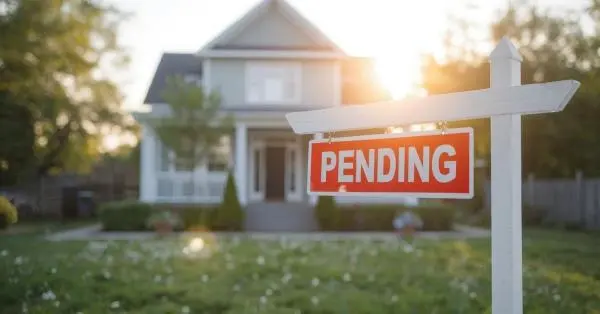
If you’ve been browsing homes online and suddenly see the word “pending” on a listing you loved, you’re not alone in feeling confused.
Many buyers and sellers wonder what pending really means in real estate and whether that home is still available. Does pending mean the house is sold? Can you still make an offer? Or is the deal already done?
In real estate, pending means the seller has accepted an offer, but the sale hasn’t officially closed yet.
Important steps like inspections, appraisals, financing approval, and final paperwork are still in progress. During this time, the deal can move forward smoothly or, in some cases, fall apart.
Understanding what pending means can help you make smarter decisions, whether you’re buying your first home, selling a property, or simply researching the market.
In this guide, we’ll break down the pending status, explain what happens next, and show you exactly how it affects buyers and sellers.
What Does Pending Mean in Real Estate? (Simple Definition)
In real estate, the term pending means that a seller has accepted an offer from a buyer and both parties have entered into a legally binding contract but the sale has not closed yet. The home is essentially in the final stages of the selling process, waiting for all conditions of the contract to be completed.
When a property is marked as pending, it usually means key steps are still underway. These can include the home inspection, appraisal, final mortgage approval, title search, and other closing requirements. Until these steps are completed and the transaction officially closes, ownership has not transferred to the buyer.
A common misconception is that pending means sold, but that isn’t true. A home is only considered sold after the closing process is finished and the deed has been recorded. Pending status simply signals that the deal is moving forward, not that it’s guaranteed.
Another important detail is that a pending home is generally taken off active marketing, meaning sellers typically stop showing the property. However, some listings may still appear online as pending on platforms like Zillow or Realtor.com, which can confuse buyers.
In short, pending means the home is under contract, but there’s still a possibility however small that the deal could fall through. Understanding this distinction is crucial for buyers deciding whether to pursue backup options and for sellers preparing for closing.
What Happens When a Home Goes Pending? (Step-by-Step Process)
When a home goes pending, it means the seller has accepted a buyer’s offer and the transaction officially moves into the contract phase. This is where the real work begins behind the scenes.
First, the buyer typically submits an earnest money deposit, which shows they’re serious about the purchase. This money is held in escrow and later applied toward closing costs or the down payment. At the same time, escrow is opened, and the closing timeline officially starts.
Next comes the inspection period. The buyer hires a professional inspector to check the property for issues such as structural problems, electrical concerns, or plumbing defects. Based on the results, the buyer may request repairs, ask for a price reduction, or move forward as-is.
After inspections, the lender orders an appraisal to confirm the home’s value matches the purchase price. If the appraisal comes in lower than expected, negotiations may happen, or the deal could be at risk.
Meanwhile, the buyer’s mortgage goes through final underwriting, where the lender verifies income, credit, and financial documents. A title search is also conducted to ensure there are no legal issues with ownership.
Once all contingencies are satisfied, the transaction moves toward closing, where final documents are signed and ownership is officially transferred. Until that moment, the home remains pending and not sold.
Common Contingencies During Pending Status
When a home is pending, the sale is usually protected by contingencies specific conditions that must be met before the transaction can move forward. These contingencies are a normal part of real estate contracts and are designed to protect both buyers and sellers.
One of the most common contingencies is the home inspection contingency. This allows the buyer to have the property professionally inspected within a set time frame. If major issues are discovered, the buyer can negotiate repairs, request a price adjustment, or walk away without losing their earnest money.
Another key condition is the appraisal contingency. Lenders require an appraisal to confirm that the home’s value matches or exceeds the agreed purchase price. If the appraisal comes in low, the buyer may renegotiate the price, pay the difference, or cancel the contract.
The financing contingency protects buyers who need a mortgage. If the buyer cannot secure loan approval despite making a good-faith effort, they can exit the deal without penalty. Cash buyers often waive this contingency, which can speed up the pending process.
There is also a title contingency, which ensures the property has a clear title with no liens, disputes, or legal claims. In some cases, buyers may include a home sale contingency, meaning they must sell their current home before completing the purchase.
Until all contingencies are resolved or waived, the sale remains pending and not guaranteed. Understanding these contingencies helps buyers and sellers manage expectations and avoid surprises during the closing process.
How Long Does a Home Stay Pending?
The length of time a home stays pending can vary, but in most real estate transactions, the pending period lasts between 30 and 60 days. This timeframe allows enough time for inspections, appraisals, mortgage approval, and final closing preparations.
Several factors can shorten or extend the pending period. One major factor is the type of buyer. Cash buyers often close much faster sometimes in as little as two weeks because there’s no lender approval involved. Buyers using a mortgage typically take longer due to underwriting and appraisal requirements.
Another factor is the number of contingencies in the contract. More contingencies mean more steps that must be completed before closing, which can extend the pending status. Inspection negotiations or appraisal issues are common reasons for delays.
The local real estate market also plays a role. In a competitive seller’s market, transactions often move faster because buyers are highly motivated and may waive certain contingencies. In slower markets, pending periods can stretch longer due to financing delays or extended negotiations.
Unexpected issues such as title problems, repair disputes, or changes in a buyer’s financial situation can also prolong the pending phase. In rare cases, a home may remain pending for several months if complications arise.
While longer pending periods don’t always signal trouble, unusually long delays may indicate challenges behind the scenes. For buyers watching a pending home, it’s a sign to stay alert, as deals can still fall through before closing.
Pending vs Contingent vs Active vs Sold
Understanding the difference between pending, contingent, active, and sold can help buyers and sellers avoid confusion when tracking a home’s status. While these terms may seem similar, each one reflects a different stage of the real estate process.
An active listing means the home is currently for sale and available. The seller is accepting offers, showing the property, and actively marketing it. Buyers can freely submit offers during this stage.
A contingent status means the seller has accepted an offer, but certain conditions called contingencies must still be met. These often include inspections, financing approval, or the sale of the buyer’s current home. In many markets, sellers may continue to show the home and accept backup offers while it’s contingent.
A home marked as pending has moved past the contingent stage in most cases. This means the major contingencies have been satisfied or are close to completion, and the transaction is progressing toward closing. While the sale is not final, the seller typically stops marketing the property.
Finally, a home is labeled sold only after the transaction has officially closed. At this point, the buyer has taken ownership, funds have been transferred, and the deed has been recorded.
The key takeaway is that pending does not mean sold, but it does indicate a higher level of commitment than contingent. For buyers, this helps determine whether pursuing a backup offer is worthwhile. For sellers, it clarifies when to focus on closing rather than marketing.
Can You Make an Offer on a Pending Home?
In many cases, yes you can make an offer on a pending home, but it’s usually submitted as a backup offer. A backup offer only takes effect if the primary contract falls through before closing. While the seller has already accepted an offer, backup offers can provide extra security.
Whether backup offers are allowed depends on the seller’s preference, the local real estate market, and MLS rules. Some sellers welcome backup offers because they create leverage and reduce the risk of starting over if the first buyer cancels. Others prefer to focus solely on closing the current deal.
Submitting a backup offer has several advantages for buyers. If the original transaction fails due to financing issues, inspection problems, or appraisal disputes, the seller may automatically move forward with the backup offer saving time and avoiding relisting the property. In competitive markets, this can be a strategic way to secure a home without entering a bidding war.
However, there are downsides to consider. Backup offers can leave buyers in limbo, unsure if the deal will move forward. During this time, buyers may miss out on other opportunities if they become too emotionally invested in a pending home.
Before making a backup offer, buyers should talk to their real estate agent to understand the likelihood of the deal falling through and whether contingencies can be included. While pending homes are closer to closing, they’re not guaranteed making backup offers a smart option in certain situations.
Why Pending Sales Fall Through
While a pending home sale indicates that an offer has been accepted, not all deals make it to closing. Several factors can cause a pending sale to fall through, and understanding these risks is important for both buyers and sellers.
One of the most common reasons is failed home inspections. If an inspection reveals major issues like structural damage, plumbing problems, or mold the buyer may request repairs or credits. If the seller cannot meet these requests, the buyer may back out, causing the pending sale to collapse.
Appraisal issues are another frequent cause. Lenders require an appraisal to confirm the home’s value matches the purchase price. If the appraisal comes in lower than expected and the buyer and seller cannot renegotiate, the deal may fail.
Financing problems also contribute to pending deals falling through. Even if a buyer is pre-approved, unforeseen issues such as sudden credit changes, job loss, or document errors can prevent final mortgage approval.
Other potential hurdles include title problems, undisclosed liens, or legal disputes over property ownership. Occasionally, buyers may simply change their minds or encounter personal circumstances that prevent them from completing the purchase.
While most pending sales do close successfully, statistics show that about 5–10% of pending deals may fail before closing. For buyers, this is why backup offers can be strategic. For sellers, staying proactive with repairs, inspections, and communication with the buyer can reduce the risk of a deal falling through.
Understanding these risks ensures both parties remain prepared and realistic during the pending phase, helping to navigate the final steps to a successful closing.
What Buyers Should Do When a Home Is Pending
When a home is pending, it means the seller has accepted an offer, but the sale hasn’t closed yet. As a buyer, this period can be both exciting and uncertain, so it’s important to know how to navigate it wisely.
First, consider backup offers. If the home is pending but still accepting backups, submitting one can give you a chance to step in if the original deal falls through. Your real estate agent can advise on the likelihood of this happening and help craft a strong offer.
During the pending phase, stay in close contact with your agent. Ask for updates on inspections, appraisals, and lender approvals. Being proactive ensures you can respond quickly if issues arise, keeping the deal on track.
It’s also smart to keep looking at other properties. Even though you may be emotionally invested in a pending home, backup options protect you in case the sale doesn’t close. This reduces stress and prevents you from missing out on other opportunities.
Review your financing and documentation carefully. Ensure that your mortgage application, income verification, and other paperwork are complete and accurate. Delays or missing documents can jeopardize the pending deal.
Finally, be patient and realistic. A pending sale is not final, and complications can arise. Understanding the process and staying organized will increase your chances of a smooth closing while keeping you prepared for any unexpected changes.
What Sellers Should Do When Their Home Is Pending
Once your home is pending, it means you’ve accepted an offer, but the sale hasn’t officially closed. This period is critical, and how you manage it can make the difference between a smooth closing and unexpected complications.
First, stay on top of contingencies. Buyers may request inspections, appraisals, or repairs during this time. Respond promptly to inspection reports or repair requests to avoid delays or potential cancellations. Quick, transparent communication builds trust and keeps the deal moving forward.
Second, prepare for closing. Gather necessary documents, confirm details with your real estate agent, and ensure the title company has everything they need. Missing paperwork or incomplete disclosures can slow down the closing process.
It’s also wise to consider backup offers. Even though your home is pending, accepting a backup offer can provide security in case the original deal falls through. Your agent can advise on the best way to handle this without complicating the current transaction.
During this phase, avoid making major changes to your home or moving out too early. Keep the property in show-ready condition in case the buyer needs to do a final walkthrough or inspections. This ensures there are no surprises that could jeopardize the deal.
Finally, maintain clear communication with your buyer and agent. Regular updates and cooperation help prevent misunderstandings, reduce stress, and keep the transaction on track for a successful closing. Being proactive now helps you cross the finish line smoothly.
Does Pending Mean the House Is Off the Market?
A common question among buyers and sellers is whether a pending home is off the market. The answer isn’t always straightforward, as it depends on local real estate practices, MLS rules, and the seller’s strategy.
In most cases, when a home is marked pending, the seller has accepted an offer and major contingencies are being completed. At this point, the property is usually taken off active marketing, meaning it’s no longer widely shown to potential buyers. Real estate agents often stop hosting open houses and may remove the listing from some platforms. This is because the seller’s priority shifts to completing the sale with the current buyer.
However, some listings may still appear online as pending on sites like Zillow, Realtor.com, or Redfin. This can confuse buyers into thinking the home is still actively for sale. Online platforms often display pending homes to provide market transparency or attract potential backup offers.
It’s important to note that being pending doesn’t mean the sale is final. A pending home can still fall through due to inspection problems, financing issues, or other unforeseen complications. For buyers, this means monitoring the listing can be useful, especially if backup offers are allowed. For sellers, it’s important to communicate clearly with agents about whether they will accept backups or continue limited showings.
In short, a pending home is generally off the active market but not completely inaccessible. Understanding this nuance helps buyers and sellers set realistic expectations during the pending period.
Pending Status in Hot vs. Slow Markets
The length and significance of a home’s pending status can vary greatly depending on the local real estate market. Understanding how pending works in hot versus slow markets helps buyers and sellers set realistic expectations.
In a hot seller’s market, homes often move quickly. Properties may receive multiple offers immediately, and pending periods can be shorter because buyers are highly motivated and sometimes waive certain contingencies. In these cases, pending status signals that a deal is moving rapidly toward closing, and the likelihood of backup offers being accepted is lower. Sellers benefit from faster closings, but buyers must act quickly to secure a home.
In contrast, a slow buyer’s market can lead to longer pending periods. Fewer buyers mean inspections, appraisals, and financing processes may take longer, and sellers might accept backup offers to increase their chances of a successful sale. Pending homes in slower markets may remain listed online longer to attract potential backup buyers. This gives buyers more opportunities to monitor pending properties and consider backup offers.
Market conditions also affect contingencies. In a hot market, buyers might waive inspections or appraisal contingencies to strengthen their offers, reducing the risk of pending deals falling through. In a slow market, contingencies are more strictly enforced, and deals may take longer to finalize.
For both buyers and sellers, understanding how pending behaves in different market conditions allows for better planning, less stress, and informed decision-making during the critical steps before closing.
Risks and Red Flags During Pending Status
Even though a pending home sale signals progress, there are still risks that buyers and sellers should watch out for. Being aware of these red flags can help you avoid surprises and make smarter decisions.
One common risk is repeated pending cycles. If a home goes pending, falls through, and then becomes pending again, it could indicate underlying issues such as inspection problems, appraisal discrepancies, or financing complications. Buyers should approach these listings cautiously and ask questions before submitting an offer.
Unusually long pending periods can also be a red flag. While pending typically lasts 30–60 days, a property that remains pending for months may have hidden problems or complex contingencies. Buyers may want to verify the reason for the delay with their agent.
Price changes during pending status can be another warning sign. If the seller suddenly reduces the asking price after accepting an offer, it may suggest negotiations or repairs are causing stress in the transaction. Conversely, an increased price could signal attempts to adjust for market conditions or appraisal issues.
For sellers, lack of communication from the buyer or their lender is a concern. Delays in responding to inspections, repairs, or documentation can jeopardize the closing.
Finally, buyers should be cautious if a property is still heavily marketed while pending. This might indicate the seller is actively seeking backup offers due to uncertainty with the current buyer.
Recognizing these risks allows both buyers and sellers to act proactively. Being alert during the pending phase increases the likelihood of a smooth, successful closing.
Real Estate Agent Insights on Pending Sales
Real estate agents play a critical role in managing pending sales, and their insights can help both buyers and sellers navigate this phase successfully. Understanding what happens behind the scenes can reduce confusion and prevent unnecessary stress.
For starters, agents emphasize the importance of communication. Buyers should stay in regular contact with their agent to receive updates on inspections, appraisals, and financing progress. Sellers, on the other hand, rely on their agents to coordinate repairs, confirm paperwork, and monitor contingencies. Prompt responses and clear communication can prevent delays and ensure the transaction stays on track.
Agents also note that contingencies are a normal part of the pending process. First-time buyers often overreact to minor inspection issues or appraisal discrepancies, but experienced agents know how to negotiate repairs or credits efficiently to keep the deal moving.
Another insight is the value of backup offers. In competitive markets, agents often recommend that buyers submit backup offers to increase their chances of securing a home. Sellers can also benefit by having backup options ready if the primary deal falls through.
Agents also caution against common mistakes. Buyers may become too emotionally invested in a pending property, while sellers might rush moving plans before closing. Both scenarios can cause stress or complications.
Finally, agents stress patience. Pending status is a natural part of the transaction process, and most deals close successfully if contingencies are handled properly. Listening to your agent’s guidance ensures that both buyers and sellers have a smoother experience from pending to closing.
FAQs About Pending in Real Estate
Understanding pending status can raise a lot of questions for both buyers and sellers. Here are some of the most common FAQs:
1. Does pending mean the house is sold?
No. A pending home is under contract, but the sale hasn’t closed yet. Ownership hasn’t transferred, and there’s still a small chance the deal could fall through.
2. Can pending deals be canceled?
Yes. Pending deals can fall apart due to failed inspections, low appraisals, financing issues, or title problems. Both buyers and sellers must follow the contract’s contingencies to cancel without penalties.
3. What’s the difference between pending and contingent?
A contingent home is under contract but still waiting for specific conditions to be met, such as inspections or financing. Pending status usually indicates most contingencies have been satisfied, moving the sale closer to closing.
4. Can sellers accept other offers on a pending home?
Sellers may accept backup offers, which only take effect if the primary contract fails. However, the seller typically cannot officially switch to another offer while the first one is active.
5. Can buyers back out during pending status?
Buyers can back out if contingencies haven’t been met. For example, if a home fails inspection or the appraisal is low, they can legally cancel the contract without losing their earnest money.
6. How long does pending last?
Pending usually lasts 30–60 days, depending on market conditions, financing, and the complexity of contingencies.
These FAQs help clarify common uncertainties, making it easier to understand what pending really means in real estate and how it affects both buyers and sellers.
Final Thoughts:
Navigating the world of real estate can be confusing, especially when you see a listing marked as pending. Understanding what this status truly means helps both buyers and sellers make informed decisions and set realistic expectations.
For buyers, pending status is a signal that an offer has been accepted but the home isn’t officially sold yet. This means there may still be opportunities to submit backup offers, but you should also continue exploring other properties. Staying organized, communicating closely with your agent, and monitoring contingencies are key steps to protect yourself during this critical phase.
For sellers, pending status indicates progress toward closing, but the work isn’t done. Completing inspections, responding to repair requests, preparing documents, and keeping clear communication with the buyer and agent are essential to prevent delays or potential deal cancellations. Accepting backup offers can provide additional security without jeopardizing the primary contract.
It’s also important to remember that pending is not a guarantee. Deals can fall through due to inspections, financing, appraisals, or title issues. Understanding the risks and being proactive helps both parties navigate the process smoothly.
In short, pending is a positive sign, showing that a home sale is moving forward, but it’s not the finish line.
If you’re buying, selling, or simply learning about real estate, knowing how pending works gives you confidence and control throughout the process. By staying informed and prepared, you can turn uncertainty into clarity and successfully reach the closing table.

Bella Banter is the voice behind ThePunSide.com, creating clever puns, cute captions, and feel-good humor for everyday moments. With a mix of soft vibes and witty banter, Bella turns simple words into smiles. If you love smart jokes, playful lines, and cozy creative energy, you’re in the right place.