The respiratory system plays a vital role in keeping the human body alive, yet many people don’t fully understand what it actually does.
Every time you breathe in or breathe out, this system is working quietly in the background to supply your body with oxygen and remove harmful waste gases. Without it, cells would be unable to produce the energy needed for movement, thinking, and even resting.
In simple terms, the respiratory system allows humans to breathe and ensures that oxygen reaches every part of the body.
It also helps remove carbon dioxide, a waste gas that can become dangerous if it builds up. From the nose and lungs to tiny air sacs deep inside the body, each part of the respiratory system has an important job.
In this article, you’ll learn what the respiratory system does, how it works, the main organs involved, and why it is essential for overall health.
This guide is written in easy-to-understand language, making it perfect for students, teachers, and anyone curious about how breathing really works.
What Is the Respiratory System?
The respiratory system is a group of organs and tissues that work together to help the body breathe. Its main purpose is to take in oxygen from the air and remove carbon dioxide from the body. Oxygen is essential for survival because it helps body cells produce energy, while carbon dioxide is a waste gas that must be removed to keep the body healthy.
In simple words, the respiratory system allows air to enter and leave the body. When you breathe in, oxygen-rich air travels through the nose or mouth and moves down into the lungs. Inside the lungs, oxygen passes into the bloodstream and is carried to all parts of the body. At the same time, carbon dioxide from the blood moves into the lungs so it can be breathed out.
The respiratory system does not work alone. It closely cooperates with the circulatory system, which transports oxygen through the blood, and with the muscular and nervous systems, which control breathing movements. Together, these systems ensure that every cell receives the oxygen it needs to function properly.
The respiratory system includes both the upper and lower airways, such as the nose, throat, windpipe, and lungs. Each part has a specific role, from filtering and warming the air to allowing gas exchange deep inside the lungs. Overall, the respiratory system is essential for maintaining life, energy production, and normal body functions.
Main Functions of the Respiratory System
The respiratory system has several important functions that help the human body survive and stay healthy. Its primary function is to supply oxygen to the body. When oxygen enters the lungs, it passes into the bloodstream and is delivered to body cells. Cells use this oxygen to produce energy through a process called cellular respiration, which is necessary for movement, growth, and repair.
Another key function of the respiratory system is the removal of carbon dioxide. Carbon dioxide is a waste gas produced when cells make energy. If it builds up in the body, it can become harmful. The respiratory system helps remove this waste by carrying carbon dioxide from the blood to the lungs, where it is released during exhalation.
The respiratory system also plays an important role in regulating the body’s pH balance. By controlling the levels of carbon dioxide in the blood, it helps maintain a healthy acid-base balance, which is essential for proper enzyme and organ function.
In addition, the respiratory system supports speech and voice production. Air moving through the larynx, or voice box, allows humans to speak, sing, and communicate. It also helps the body sense smells, as air passing through the nasal cavity activates smell receptors.
Overall, the respiratory system is not just about breathing. It supports energy production, waste removal, communication, and internal balance, making it one of the most essential systems in the human body.
Parts of the Respiratory System and Their Roles
The respiratory system is made up of several organs, each with a specific role in the breathing process. These parts are divided into the upper and lower respiratory tracts, working together to move air in and out of the body efficiently.
The upper respiratory tract includes the nose, nasal cavity, sinuses, and pharynx (throat). The nose and nasal cavity are responsible for filtering, warming, and moistening the air before it enters the lungs. Tiny hairs and mucus trap dust, germs, and other particles, helping protect the body from infections. The sinuses help lighten the skull and improve voice quality, while the pharynx serves as a common pathway for both air and food.
The lower respiratory tract includes the larynx, trachea, bronchi, bronchioles, lungs, and alveoli. The larynx, also known as the voice box, helps produce sound and keeps the airway open. The trachea, or windpipe, carries air from the throat into the lungs. Inside the lungs, the trachea branches into bronchi and then into smaller bronchioles, which distribute air throughout the lungs.
At the end of the bronchioles are millions of tiny air sacs called alveoli. This is where gas exchange occurs. Oxygen passes into the blood, and carbon dioxide moves out to be exhaled. Each part of the respiratory system plays a vital role in keeping breathing smooth and efficient.
How Does the Respiratory System Work?
The respiratory system works through a continuous process called breathing, which includes inhalation and exhalation. This process allows oxygen to enter the body and carbon dioxide to leave. Breathing is controlled automatically by the brain but can also be adjusted consciously, such as when holding your breath or taking deep breaths.
During inhalation, the diaphragm, a large muscle located below the lungs, contracts and moves downward. At the same time, the muscles between the ribs move outward. This increases the space inside the chest cavity, causing the lungs to expand. As a result, air rich in oxygen is pulled in through the nose or mouth and travels down the trachea into the lungs.
Once air reaches the lungs, it moves through the bronchi and bronchioles until it reaches the alveoli. The alveoli are tiny air sacs surrounded by blood vessels. Here, oxygen passes through thin walls into the bloodstream, where it attaches to red blood cells. At the same time, carbon dioxide moves from the blood into the alveoli.
During exhalation, the diaphragm relaxes and moves upward, while the chest muscles relax. This reduces the space in the chest cavity, pushing carbon dioxide-rich air out of the lungs and back through the airways. This cycle repeats continuously, supplying the body with oxygen needed for energy and removing waste gases to keep the body balanced and healthy.
How Oxygen Travels Through the Body
Once oxygen enters the lungs, the respiratory system works closely with the circulatory system to deliver it to every part of the body. After inhalation, oxygen reaches the alveoli, the tiny air sacs inside the lungs. These alveoli are surrounded by thin-walled blood vessels called capillaries. Because the walls are extremely thin, oxygen easily passes from the alveoli into the bloodstream.
Inside the blood, oxygen attaches to a protein called hemoglobin, which is found in red blood cells. Hemoglobin acts like a carrier, transporting oxygen throughout the body. As the heart pumps blood, oxygen-rich red blood cells travel through arteries and capillaries to reach organs, tissues, and individual cells.
When oxygen reaches body cells, it is released from hemoglobin and used to produce energy. This energy allows the body to perform essential functions such as moving muscles, digesting food, thinking, and maintaining body temperature. At the same time, cells produce carbon dioxide as a waste product of energy production.
Carbon dioxide then moves from the cells into the bloodstream and is carried back toward the lungs. Most of it travels in the blood plasma, while some binds to hemoglobin. When the blood reaches the lungs, carbon dioxide passes from the capillaries into the alveoli. During exhalation, this waste gas is released from the body. This constant exchange ensures that cells receive oxygen and harmful gases are removed efficiently.
Importance of the Respiratory System
The respiratory system is essential for human survival because it supplies oxygen, which is necessary for every cell in the body. Without a steady flow of oxygen, cells cannot produce energy, and vital organs such as the brain, heart, and muscles would stop functioning properly. Even a few minutes without oxygen can cause serious damage.
One of the most important roles of the respiratory system is supporting energy production. Oxygen is used by cells to break down nutrients and release energy that powers all body activities. This energy is required for physical movement, mental focus, growth, and repair of tissues. The respiratory system also helps remove carbon dioxide, preventing the buildup of harmful waste in the body.
The respiratory system plays a major role in physical activity and endurance. During exercise, breathing rate increases to supply more oxygen to muscles and remove excess carbon dioxide. This allows the body to perform strenuous activities and recover afterward. It also contributes to relaxation and sleep by maintaining steady breathing patterns that calm the body.
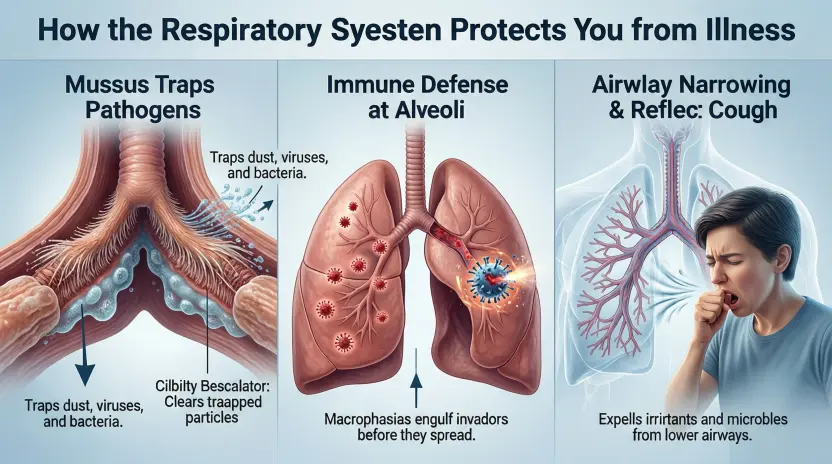
In addition, the respiratory system supports immune defense. The nose, mucus, and tiny hairs in the airways trap dust, germs, and pollutants, helping protect the lungs from infections. Overall, the respiratory system is vital for energy, protection, balance, and overall health, making it one of the most important systems in the human body.
How the Respiratory System Works With Other Body Systems
The respiratory system does not function in isolation; it works closely with several other body systems to maintain overall health and keep the body functioning efficiently. One of its most important partners is the circulatory system. Blood pumped by the heart carries oxygen from the lungs to all body cells and brings carbon dioxide back to the lungs for removal. Without this collaboration, oxygen could not reach tissues, and waste gases would build up, causing harm.
The respiratory system also works with the muscular system. Muscles, particularly the diaphragm and intercostal muscles between the ribs, are responsible for the physical act of breathing. These muscles expand and contract the chest cavity, allowing air to flow in and out of the lungs. Strong, healthy muscles help make breathing more efficient, especially during physical activity.
Additionally, the nervous system controls the rate and depth of breathing. Specialized brain regions detect carbon dioxide and oxygen levels in the blood and adjust breathing automatically. This ensures that the body always receives the right amount of oxygen and removes carbon dioxide efficiently.
The respiratory system also supports the immune system. Structures like the nose, nasal passages, and mucus membranes trap dust, germs, and pollutants, preventing infections. By working with multiple systems, the respiratory system ensures proper oxygen supply, waste removal, and protection, keeping the body balanced and healthy.
Common Respiratory System Problems
The respiratory system is essential for life, but it can face several problems that affect breathing and overall health. Some of the most common issues include asthma, bronchitis, pneumonia, infections, and allergies. Understanding these problems helps people recognize symptoms early and take steps to maintain respiratory health.
Asthma is a condition in which the airways become inflamed and narrow, making it difficult to breathe. People with asthma may experience wheezing, coughing, and shortness of breath, especially during exercise or exposure to allergens. Bronchitis occurs when the bronchial tubes in the lungs become inflamed, often due to infection. This leads to persistent coughing, mucus production, and sometimes fever. Pneumonia is a more serious infection that inflames the air sacs in the lungs, which may fill with fluid. Pneumonia can cause severe cough, chest pain, fever, and difficulty breathing.
Respiratory infections, including the common cold and flu, are also frequent. These infections can cause coughing, sneezing, sore throat, and congestion. While usually temporary, they can weaken the lungs and make breathing uncomfortable. Allergies affect the respiratory system by triggering sneezing, nasal congestion, and inflammation in response to dust, pollen, or other irritants.
Recognizing symptoms of respiratory problems is important for timely treatment. Simple preventive measures, such as avoiding smoking, staying away from polluted areas, and practicing good hygiene, can protect the respiratory system. Maintaining lung health ensures efficient oxygen supply, energy production, and overall well-being.
How to Keep the Respiratory System Healthy
Maintaining a healthy respiratory system is essential for overall well-being and energy. The lungs and airways are constantly exposed to the environment, which means they can be affected by pollution, smoke, allergens, and infections. Simple daily habits can significantly improve lung health and ensure the respiratory system works efficiently.
One of the most important steps is avoiding smoking and secondhand smoke, as tobacco damages the lungs, irritates airways, and increases the risk of diseases like chronic bronchitis, emphysema, and lung cancer. Similarly, staying away from polluted areas or wearing protective masks in dusty environments helps reduce lung irritation.
Regular exercise strengthens the lungs and diaphragm, improving oxygen intake and circulation. Even simple activities like walking, jogging, or swimming can enhance lung capacity and breathing efficiency. Practicing deep breathing exercises also helps expand the lungs and promotes better oxygen flow throughout the body.
Good hygiene is another key factor. Washing hands regularly, avoiding close contact with sick individuals, and keeping living areas clean can prevent respiratory infections. Staying hydrated keeps mucus thin, making it easier for the lungs to clear out dust, germs, and other particles.
Lastly, staying up to date with vaccinations such as the flu shot and pneumonia vaccines can protect the lungs from serious infections. By following these habits, the respiratory system can function at its best, ensuring proper oxygen supply, waste removal, and overall health for the entire body.
Respiratory System in Children vs Adults
The respiratory system in children differs from that in adults in several important ways. While both perform the same essential functions supplying oxygen and removing carbon dioxide children’s lungs and airways are smaller and still developing. This makes them more vulnerable to infections and breathing difficulties compared to adults.
Children breathe faster than adults because their smaller lungs hold less air. For example, a newborn may take 30 to 60 breaths per minute, whereas an adult typically breathes 12 to 20 times per minute. This faster breathing helps children get enough oxygen for their growing bodies. However, it also means that respiratory illnesses can affect them more quickly and severely.
The structure of the respiratory system in children is also different. Their airways are narrower, which can make conditions like asthma, croup, or bronchitis more serious. The diaphragm and chest muscles are still developing, so young children rely more on diaphragm movement to breathe. In contrast, adults use both diaphragm and chest muscles efficiently.
Despite these differences, the respiratory system works closely with the circulatory and immune systems to protect the body and maintain oxygen levels. Vaccinations, proper hygiene, and avoiding exposure to smoke or pollutants are particularly important for children to prevent infections and support healthy lung development.
Understanding these differences helps parents and caregivers recognize early signs of respiratory problems and ensures children receive proper care. With attention to health and prevention, the respiratory system in children can develop normally and support a lifetime of healthy breathing.
Interesting Facts About the Respiratory System
The human respiratory system is not only essential for survival but also full of fascinating details that many people do not realize. For instance, an average adult takes about 12 to 20 breaths per minute, which adds up to roughly 20,000 breaths per day. Over a lifetime, this amounts to more than 600 million breaths, an incredible testament to how tirelessly the respiratory system works.
The lungs themselves are remarkable organs. Although the right lung is slightly larger than the left lung, both contain millions of tiny air sacs called alveoli, which provide an enormous surface area about the size of a tennis court for oxygen and carbon dioxide exchange. This surface area is crucial for efficient gas exchange and keeping the body supplied with oxygen.
Another interesting fact is the role of the diaphragm, the main muscle responsible for breathing. This dome-shaped muscle contracts and relaxes about 20,000 times per day, helping air move in and out of the lungs.
The respiratory system also plays a role beyond breathing. It allows humans to speak, sing, and even produce different sounds, thanks to the larynx, or voice box. Additionally, tiny hairs in the nose, called cilia, and mucus work together to trap dust, bacteria, and other harmful particles, protecting the lungs from infections.
Finally, the respiratory system is highly adaptable. During exercise or high altitudes, breathing rate and lung capacity adjust to meet the body’s oxygen demands. These incredible facts show that the respiratory system is not only vital but also an astonishingly efficient and complex system that supports life every second of the day.
FAQs About the Respiratory System
Many people have questions about the respiratory system, especially how it works and why it is so important. Understanding these common questions can help clarify its functions and maintain good health.
1. What does the respiratory system do in simple words?
The respiratory system allows the body to breathe. It brings in oxygen from the air and removes carbon dioxide, a waste gas. This process keeps the body alive and provides energy to cells.
2. How many times do humans breathe per minute?
On average, adults breathe about 12 to 20 times per minute. Children and babies breathe faster because their lungs are smaller and still developing.
3. Can humans survive without oxygen?
No. Oxygen is essential for life. Without oxygen, cells cannot produce energy, and vital organs like the brain and heart stop functioning. Permanent damage can occur within minutes of oxygen deprivation.
4. What organs are part of the respiratory system?
The main organs include the nose, nasal cavity, sinuses, pharynx (throat), larynx (voice box), trachea (windpipe), bronchi, lungs, and alveoli. Each organ has a specific role in moving air and exchanging gases.
5. What happens if the respiratory system stops working?
If the respiratory system stops functioning, the body cannot get oxygen or remove carbon dioxide. This can quickly lead to organ failure and, if not treated immediately, death.
6. How can I keep my respiratory system healthy?
Avoid smoking, exercise regularly, practice deep breathing, stay hydrated, and protect yourself from infections and pollution. Vaccinations like the flu shot also help maintain lung health.
Answering these questions helps readers understand the critical role of the respiratory system and how to take care of it effectively.
Conclusion
The respiratory system is one of the most essential systems in the human body, working tirelessly to keep us alive and healthy.
Its primary role is to bring oxygen into the body and remove carbon dioxide, a waste product of cellular activity.
Every breath we take involves multiple organs and structures, from the nose and throat to the lungs and alveoli, all working together to maintain a continuous flow of oxygen to the blood and tissues.
Beyond simply supporting life, the respiratory system plays a crucial role in energy production, allowing muscles, the brain, and other organs to function efficiently.
It also contributes to speaking, singing, and protecting the body from harmful particles, germs, and pollutants.
By collaborating with other systems, such as the circulatory, muscular, and nervous systems, it ensures proper oxygen delivery, waste removal, and overall body balance.
Maintaining respiratory health is vital.
Simple habits like avoiding smoking, exercising regularly, practicing deep breathing, staying hydrated, and protecting yourself from pollution and infections can make a significant difference.
Understanding common respiratory problems, such as asthma, bronchitis, and pneumonia, helps in early recognition and treatment.
In conclusion, the respiratory system is a remarkable and complex system that works silently every second of our lives.
By learning about its structure, functions, and importance, we can appreciate its role and take proactive steps to keep it healthy.
A well-functioning respiratory system ensures energy, health, and longevity, making it truly indispensable.

“ASF — Discipline, Duty & Determination. A mind trained for focus, a heart built on courage, and a spirit that never backs down. Living by principles, acting with purpose, and leading with strength. Silence in action, power in presence, and pride in every step. Always ready, always alert. Explore more at thepunside.com.”