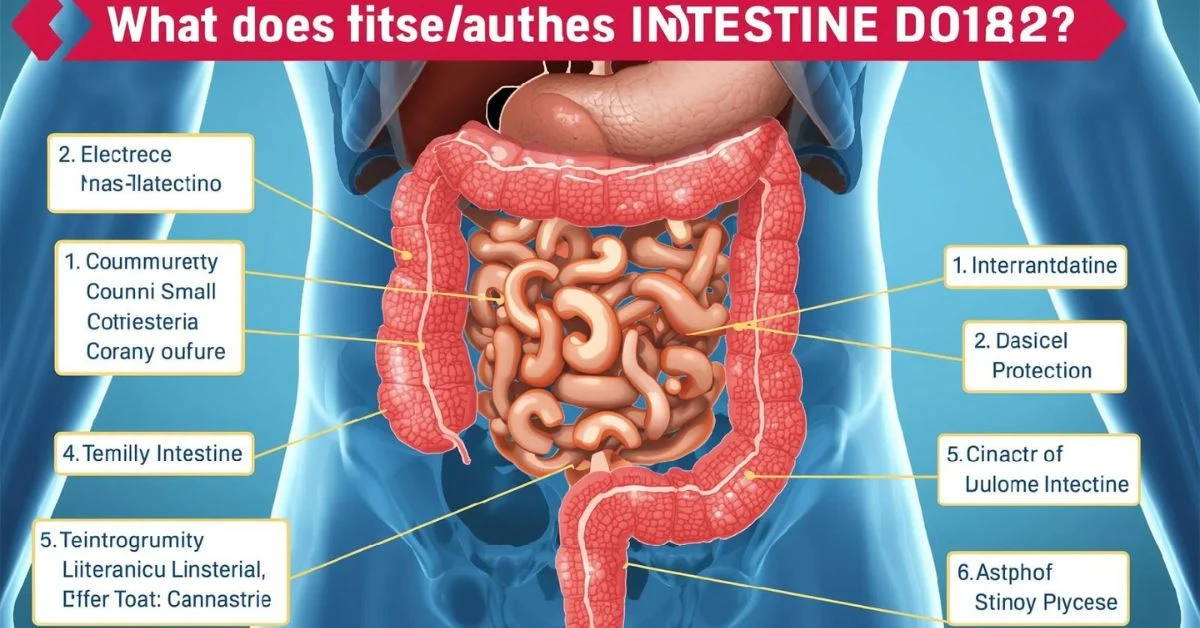
The human digestive system is a complex process, and one of its most important parts is the small intestine.
If you’ve ever wondered what the small intestine does, the simple answer is that it plays a major role in digesting food and absorbing nutrients that your body needs to survive.
Although it is called “small,” the small intestine is actually a long, coiled organ that does most of the hard work after food leaves the stomach.
In the small intestine, food is broken down further with the help of digestive enzymes and bile, allowing nutrients like proteins, carbohydrates, fats, vitamins, and minerals to enter the bloodstream.
These nutrients provide energy, support growth, and help maintain overall health. Without a properly functioning small intestine, the body cannot absorb enough nutrients, leading to weakness and disease. In this article, we’ll explore the structure, functions, and importance of the small intestine in detail.
What Is the Small Intestine?
The small intestine is a long, narrow tube that plays a central role in the digestive system. It is the part of the gastrointestinal tract where most digestion and nutrient absorption take place. After food leaves the stomach, it enters the small intestine, where it is broken down into smaller components that the body can use for energy, growth, and repair.
Despite its name, the small intestine is not small in length. In adults, it measures about 20 to 25 feet long but is called “small” because it has a narrower diameter than the large intestine. Its long, coiled structure allows food to stay inside long enough for nutrients to be fully absorbed.
The small intestine is specially designed for efficiency. Its inner lining contains millions of tiny finger-like projections called villi, along with even smaller structures known as microvilli. These structures greatly increase the surface area, making it easier for nutrients to pass into the bloodstream. This unique design allows the body to absorb essential substances such as glucose, amino acids, fatty acids, vitamins, and minerals.
In simple terms, acts as the body’s main processing and absorption center for food. Without it, the nutrients from what we eat would pass through the digestive system unused. This makes one of the most vital organs for maintaining proper nutrition, energy levels, and overall health.
Where Is the Small Intestine Located?
The small intestine is located in the abdominal cavity, positioned between the stomach and the large intestine. It begins just below the stomach and ends at the start of the large intestine, forming a vital connection within the digestive system. After food is partially digested in the stomach, it moves directly into the small intestine to continue the digestion and absorption process.
Most of the small intestine is coiled and packed into the center and lower part of the abdomen. Because of its long length, it folds into many loops that fit neatly inside the abdominal cavity. These loops are supported by a thin membrane called the mesentery, which holds the small intestine in place while also supplying it with blood vessels, nerves, and lymphatic vessels.
The first part of the small intestine, known as the duodenum, is located just below the stomach and curves around the pancreas. This close positioning allows digestive enzymes from the pancreas and bile from the liver to enter the small intestine easily. The middle section, the jejunum, and the final section, the ileum, occupy most of the central abdominal area before connecting to the large intestine at the ileocecal valve.
The location of the small intestine is essential for efficient digestion. Being centrally positioned allows it to interact closely with other digestive organs, ensuring that nutrients are quickly absorbed and transported throughout the body. This strategic placement helps the digestive system function smoothly and effectively.
How Long Is the Small Intestine?
The small intestine is surprisingly long, especially considering how compact it appears inside the body. In an average adult, the small intestine measures approximately 20 to 25 feet (6 to 7.5 meters) in length. Even though it fits neatly inside the abdomen, it is much longer than the large intestine, which is only about 5 feet long. The term “small” refers to its narrow width, not its length.
This impressive length is essential for digestion and nutrient absorption. The longer food stays inside the small intestine, the more time the body has to break it down and absorb vital nutrients. As food slowly moves through the small intestine, it comes into contact with digestive enzymes and bile that help convert it into absorbable molecules.
The inner surface of the small intestine further increases its effective length. Millions of tiny finger-like structures called villi, along with microscopic microvilli, line the intestinal walls. These features dramatically expand the surface area, giving the small intestine enough space to absorb nutrients efficiently. If the small intestine were laid flat, its surface area would be roughly the size of a tennis court.
The length of the small intestine varies slightly from person to person and can change due to age, health conditions, or surgery. However, regardless of small differences, its extended length is one of the key reasons the human body can absorb nutrients so effectively and maintain proper nutrition.
What Does the Small Intestine Do?
The small intestine performs several vital functions that are essential for digestion and overall health. Its primary role is to continue the digestion process and absorb nutrients from the food we eat. Once food enters the small intestine from the stomach, it is mixed with digestive enzymes from the pancreas and bile from the liver. These substances help break food down into smaller, usable molecules.
One of the most important functions of the small intestine is nutrient absorption. The inner lining of the small intestine is designed to absorb carbohydrates, proteins, fats, vitamins, and minerals efficiently. Carbohydrates are broken down into simple sugars, proteins into amino acids, and fats into fatty acids and glycerol. These nutrients then pass through the intestinal wall and enter the bloodstream, where they are transported to cells throughout the body.
The small intestine also absorbs a significant amount of water and electrolytes. This helps maintain proper hydration and supports essential bodily functions such as nerve signaling and muscle movement. Without this absorption, the body would quickly become dehydrated.
Another key function is moving food along the digestive tract. Through a process called peristalsis, the muscles of the small intestine contract rhythmically to push food forward. This movement ensures that digestion continues smoothly and that nutrients have enough time to be absorbed.
Overall, the small intestine acts as the body’s main site for digestion and nutrient uptake, making it crucial for energy production, growth, and maintaining good health.
Parts of the Small Intestine and Their Functions
The small intestine is divided into three main sections, each with a specific role in digestion and nutrient absorption. These parts work together to ensure that food is properly processed before moving into the large intestine.
The first section is the duodenum, which is the shortest part of the small intestine. It receives partially digested food from the stomach and mixes it with bile from the liver and digestive enzymes from the pancreas. These substances help neutralize stomach acid and break down carbohydrates, proteins, and fats into simpler forms that the body can absorb.
The second section is the jejunum, which makes up the middle portion of the small intestine. This area is primarily responsible for absorbing nutrients. Its inner lining contains a large number of villi and microvilli, allowing nutrients such as sugars, amino acids, fatty acids, vitamins, and minerals to pass into the bloodstream efficiently. Most of the nutrient absorption occurs in this section.
The final section is the ileum, which connects the small intestine to the large intestine. The ileum absorbs any remaining nutrients, especially vitamin B12 and bile salts, which are recycled back to the liver. It also plays a role in immune function by containing lymphoid tissue that helps protect the body from harmful bacteria.
Together, the duodenum, jejunum, and ileum ensure that digestion is completed and nutrients are fully absorbed, making each part essential to the overall function of the small intestine.
How the Small Intestine Works with Other Organs
The small intestine does not work alone; it relies on several other digestive organs to process food efficiently. These organs work in a coordinated way to ensure that nutrients are properly digested and absorbed.
The stomach is the first partner. It breaks food into smaller pieces and mixes it with gastric juices, creating a semi-liquid substance called chyme. When chyme enters the small intestine, the duodenum immediately begins neutralizing stomach acid to prevent damage to the intestinal lining.
The pancreas plays a critical role by producing digestive enzymes, including amylase, lipase, and proteases. These enzymes break down carbohydrates, fats, and proteins, making it easier for the small intestine to absorb nutrients. The pancreas also releases bicarbonate, which neutralizes stomach acid in the duodenum.
The liver and gallbladder contribute by producing and storing bile. Bile helps digest fats and makes fat-soluble vitamins like A, D, E, and K available for absorption. The small intestine releases bile at just the right moment to mix with the food passing through.
Lastly, the large intestine works as the next step in digestion. Once the small intestine has absorbed most nutrients, it passes the remaining waste to the large intestine, where water and some minerals are absorbed.
This teamwork between organs ensures efficient digestion and nutrient absorption. Without the collaboration of these organs, the small intestine would not function properly, highlighting its critical role in the digestive system.
What Nutrients Are Absorbed in the Small Intestine?
The small intestine is the body’s primary site for nutrient absorption. After food is broken down into smaller components by digestive enzymes and bile, these nutrients pass through the walls of the small intestine and enter the bloodstream, providing energy and supporting overall health.
Carbohydrates are absorbed as simple sugars, primarily glucose. Enzymes break down starches and sugars from foods like bread, rice, and fruits into molecules small enough to be absorbed. These sugars are then transported to cells to produce energy.
Proteins are broken down into amino acids, which are the building blocks for muscles, tissues, and enzymes. The small intestine absorbs these amino acids, ensuring the body has the materials it needs for growth, repair, and proper functioning.
Fats are digested with the help of bile and broken into fatty acids and glycerol. These fats are absorbed through specialized structures in the small intestine and later used for energy, hormone production, and cell membrane formation.
Vitamins and minerals are also absorbed in the small intestine. Fat-soluble vitamins (A, D, E, K) are absorbed with the help of fats, while water-soluble vitamins (B-complex and C) are absorbed directly. Essential minerals such as calcium, iron, magnesium, and potassium are absorbed to maintain bone health, nerve function, and overall body balance.
In addition to nutrients, the small intestine absorbs a significant amount of water and electrolytes. This process helps maintain hydration, supports proper bodily functions, and ensures the body remains healthy and energized.
Structure of the Small Intestine
The small intestine is uniquely structured to maximize digestion and nutrient absorption. Its design is one of the key reasons the human body can efficiently extract nutrients from food. The walls of the small intestine are lined with folds, which greatly increase the surface area available for absorption.
One of the most important features of the small intestine is villi. These are tiny, finger-like projections that protrude from the inner lining. Each villus is covered with thousands of even smaller projections called microvilli, forming a structure often referred to as the brush border. This brush border dramatically increases the surface area, allowing more nutrients to be absorbed at a faster rate.
Inside each villus are blood vessels and a lymphatic vessel called a lacteal. The blood vessels transport carbohydrates and proteins directly into the bloodstream, while the lacteal absorbs fats and fat-soluble vitamins. This intricate network ensures that all essential nutrients are efficiently delivered to the body.
The walls of the small intestine also contain specialized cells that produce enzymes and mucus. Enzymes aid in breaking down food further, while mucus protects the lining and allows food to move smoothly through the intestine.
In summary, the structure of the small intestine with its folds, villi, and microvilli is perfectly adapted for nutrient absorption. Its complex design ensures that the body can extract maximum nutrition from the food we eat, supporting overall health and energy.
Why the Small Intestine Is Essential for Overall Health
The small intestine is one of the most important organs in the human body because it directly affects nutrition, energy, and overall well-being. Without a properly functioning small intestine, the body would not be able to absorb essential nutrients from the food we eat, leading to serious health problems.
One of the key reasons the small intestine is vital is its role in energy production. By breaking down carbohydrates, proteins, and fats into absorbable molecules, it provides the fuel the body needs to perform daily activities, maintain organ function, and support physical and mental health.
The small intestine also plays a critical role in supporting the immune system. Specialized cells in its lining help defend the body against harmful bacteria, viruses, and other pathogens. A healthy small intestine contributes to a strong immune system, helping prevent infections and illnesses.
Additionally, the small intestine is essential for growth and tissue repair. Amino acids from proteins absorbed here are used to build muscles, repair tissues, and produce important enzymes and hormones. Fat-soluble vitamins absorbed in the small intestine, such as A, D, E, and K, support vision, bone health, and blood clotting.
Finally, the small intestine helps maintain overall metabolic balance by regulating nutrient absorption, water, and electrolytes. Any disruption in its function can lead to fatigue, nutrient deficiencies, and chronic health issues, emphasizing its indispensable role in human health.
Common Problems of the Small Intestine
Although is essential for digestion and nutrient absorption, it can be affected by several health problems that interfere with its normal function. Understanding these conditions can help in early detection and proper treatment.
One common issue is celiac disease, an autoimmune disorder triggered by gluten consumption. In people with celiac disease, gluten damages the villi in the small intestine, reducing nutrient absorption. This can lead to symptoms like diarrhea, weight loss, fatigue, and nutrient deficiencies.
Another condition is Crohn’s disease, a type of inflammatory bowel disease. It can cause inflammation anywhere along the digestive tract, but often affects the small intestine. Symptoms may include abdominal pain, diarrhea, weight loss, and fatigue. Chronic inflammation can lead to scarring, narrowing of the intestine, and malabsorption of nutrients.
Malabsorption syndrome occurs when the small intestine cannot absorb nutrients properly. Causes include infections, chronic illnesses, or enzyme deficiencies. Individuals may experience bloating, diarrhea, and unintended weight loss.
Other problems include intestinal infections caused by bacteria or viruses, and intestinal obstructions, where food or other materials block the passage of food through the small intestine. These can cause severe abdominal pain, vomiting, and digestive disruption.
Maintaining a healthy diet, staying hydrated, and managing chronic conditions can help protect the small intestine. Regular medical check-ups and early attention to symptoms are essential to prevent long-term complications and ensure the small intestine functions effectively.
Symptoms of Small Intestine Disorders
Problems in the small intestine can lead to a variety of symptoms, often affecting digestion, nutrient absorption, and overall health. Recognizing these signs early can help prevent serious complications.
Abdominal pain is one of the most common symptoms. It may appear as cramping, bloating, or sharp pain in the lower or middle abdomen. This can be caused by inflammation, obstruction, or infection in the small intestine.
Diarrhea or frequent loose stools often indicate malabsorption, infections, or chronic conditions like celiac disease or Crohn’s disease. Diarrhea may be accompanied by urgency or discomfort after meals.
Weight loss is another warning sign. When the small intestine cannot properly absorb nutrients, the body may lose weight despite a normal or increased diet. This can also lead to deficiencies in essential vitamins and minerals.
Fatigue or low energy levels can result from insufficient nutrient absorption. Lack of key nutrients like iron, vitamin B12, or protein can make a person feel constantly tired and weak.
Other symptoms include bloating, gas, nausea, and changes in appetite. In some cases, nutrient deficiencies may lead to brittle hair, dry skin, or weak nails. Severe disorders can also cause swelling, anemia, or frequent infections due to immune system disruption.
If any of these symptoms persist, it is important to consult a healthcare professional. Early detection and treatment can help manage small intestine disorders, improve digestion, and prevent long-term complications, ensuring overall health and well-being.
How to Keep Your Small Intestine Healthy
Maintaining a healthy small intestine is essential for proper digestion, nutrient absorption, and overall well-being. There are several practical steps you can take to support its function and prevent digestive problems.
A balanced diet is the foundation of small intestine health. Eating a variety of fruits, vegetables, whole grains, lean proteins, and healthy fats provides the nutrients necessary for optimal digestion and absorption. Fiber-rich foods, such as oats, beans, and leafy greens, help regulate bowel movements and support beneficial gut bacteria.
Hydration is also crucial. Drinking enough water aids digestion and helps transport nutrients through the intestinal walls. It also prevents constipation, which can strain the digestive tract.
Probiotics and prebiotics can support a healthy gut microbiome. Yogurt, kefir, sauerkraut, and other fermented foods contain beneficial bacteria that help maintain a balanced intestinal environment and prevent harmful bacteria from growing.
Avoiding excessive alcohol, processed foods, and high-sugar diets can reduce inflammation and protect the lining of the small intestine. Smoking cessation is also important, as tobacco can impair digestion and nutrient absorption.
Regular physical activity helps stimulate intestinal movement, improving digestion and preventing sluggishness in the digestive system. Additionally, managing stress is beneficial, as chronic stress can negatively affect gut health.
Finally, routine medical check-ups and prompt attention to digestive symptoms help detect issues early. By following these lifestyle habits, you can keep your small intestine functioning optimally, ensuring efficient digestion and overall health.
Frequently Asked Questions
The small intestine is a vital part of the digestive system, and many people have common questions about its functions, structure, and health. Here are some of the most frequently asked questions:
1. What is the main function of the small intestine?
The main function is to digest food and absorb nutrients, including carbohydrates, proteins, fats, vitamins, and minerals, into the bloodstream.
2. How long is the small intestine?
In an average adult, the small intestine is about 20 to 25 feet long. Despite its name, it is longer than the large intestine but narrower in diameter.
3. Can you live without a small intestine?
While the small intestine is essential for nutrient absorption, people can survive if parts of it are removed due to surgery. However, this may require special diets, supplements, or medical interventions to maintain proper nutrition.
4. How does the small intestine absorb nutrients?
The inner lining has tiny finger-like projections called villi and microvilli, which increase the surface area for absorption. Nutrients pass through these structures into the blood or lymphatic system.
5. What happens if the small intestine is damaged?
Damage can lead to malabsorption, nutrient deficiencies, fatigue, weight loss, and digestive disorders such as celiac disease or Crohn’s disease.
6. Which nutrients are absorbed only in the small intestine?
Most nutrients, including glucose, amino acids, fatty acids, fat-soluble vitamins (A, D, E, K), water-soluble vitamins (B-complex, C), and minerals like iron and calcium, are absorbed primarily in the small intestine.
Conclusion
The small intestine is one of the most important organs in the human body, playing a central role in digestion, nutrient absorption, and overall health.
It is a long, narrow, and highly specialized organ, divided into three sections: the duodenum, jejunum, and ileum. Each part works together to break down food, absorb essential nutrients, and move waste toward the large efficiently.
Without a healthy small intestine, the body cannot obtain the energy and nutrients it needs from food.
Carbohydrates, proteins, fats, vitamins, and minerals are all absorbed here, supporting growth, tissue repair, energy production, and immune function.
Its complex structure, including villi and microvilli, allows maximum absorption, while its coordination with other organs like the stomach, pancreas, and liver ensures smooth digestion.
Maintaining a healthy small intestine is essential.
Eating a balanced diet, staying hydrated, including fiber and probiotics, exercising regularly, and managing stress all contribute to optimal intestinal function.
Early recognition of symptoms such as abdominal pain, diarrhea, or fatigue can prevent serious complications and ensure long-term digestive health.
In summary, the small intestine is more than just a digestive organ it is the cornerstone of nutrition and well-being.
Understanding its functions, maintaining its health, and addressing problems promptly can help anyone support their body’s energy, growth, and overall vitality.
A well-functioning small intestine truly makes a difference in a person’s quality of life.

Bella Banter is the voice behind ThePunSide.com, creating clever puns, cute captions, and feel-good humor for everyday moments. With a mix of soft vibes and witty banter, Bella turns simple words into smiles. If you love smart jokes, playful lines, and cozy creative energy, you’re in the right place.