Have you ever noticed tiny red bumps or itchy patches appearing on your skin after a hot, humid day? You might be dealing with a heat rash, a common but often misunderstood skin condition.
Heat rash, also called miliaria, occurs when sweat ducts become blocked, causing trapped sweat to irritate the skin. While it’s usually harmless, recognizing it early can save you or your loved ones from unnecessary discomfort.
Knowing what a heat rash looks like is key, especially for parents monitoring babies or adults who are prone to sweating during workouts or hot weather.
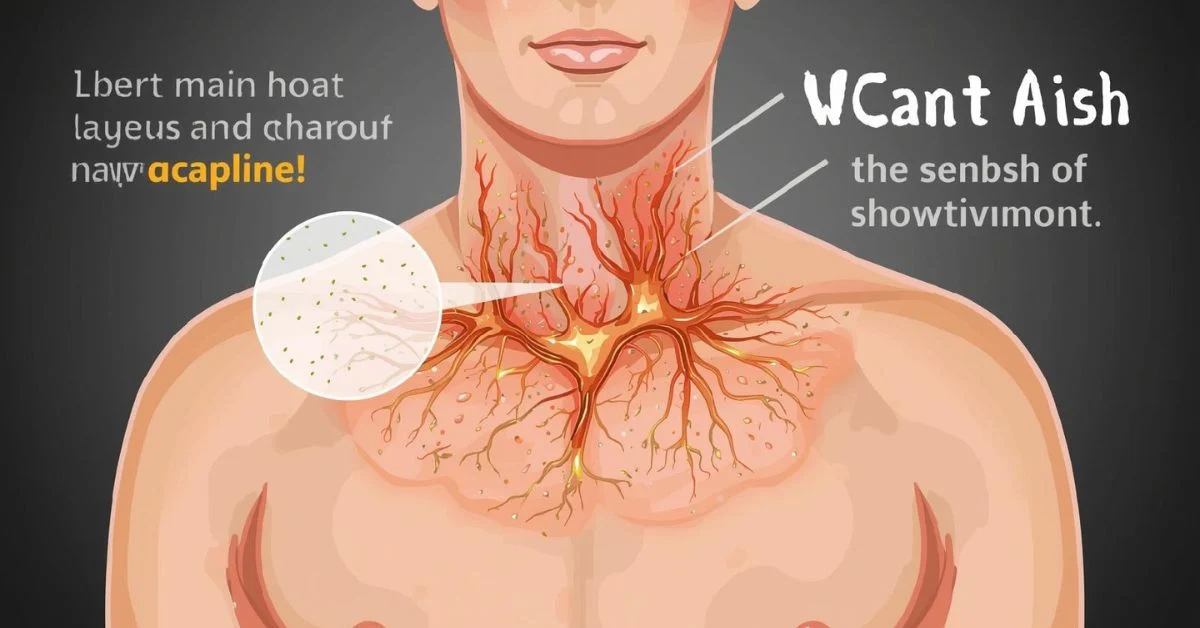
These rashes can appear as clusters of red bumps, small blisters, or prickly patches on areas like the neck, chest, back, or skin folds.
In this guide, we’ll explore heat rash symptoms, share clear visual examples, explain causes, and provide practical treatment and prevention tips. By the end, you’ll be able to spot a heat rash confidently and take action to relieve it.
Understanding Heat Rash: Causes and Risk Factors
Heat rash, medically known as miliaria, occurs when sweat ducts become blocked and sweat gets trapped under the skin. This blockage leads to small red bumps, blisters, or itchy patches that can appear anywhere on the body. Although heat rash is generally harmless, it can be uncomfortable and, in severe cases, may lead to infection if scratched excessively.
The most common cause of heat rash is hot and humid weather, where the body sweats excessively, overwhelming the sweat ducts. Wearing tight or non-breathable clothing can also trap heat and moisture against the skin, increasing the risk. Other triggers include intense physical activity, prolonged exposure to warm environments, or fever, which raises the body’s internal temperature.
Certain groups of people are more susceptible. Babies and young children are particularly at risk because their sweat glands are not fully developed. Adults who exercise regularly, work in hot conditions, or are prone to sweating heavily may also experience heat rash. People with obesity or those wearing restrictive clothing are more likely to develop the condition in skin folds, such as under the breasts, armpits, or groin.
Understanding these causes and risk factors is the first step in preventing heat rash. By recognizing who is most vulnerable and under what conditions, you can take proactive measures to reduce discomfort and avoid flare-ups.
Heat Rash Symptoms: How to Recognize the Signs
Recognizing heat rash symptoms early can help you treat it effectively and prevent discomfort. Heat rash usually appears as tiny red bumps or clusters of small blisters on the skin. These bumps can be raised or flat and are often accompanied by a prickly or stinging sensation, especially when the affected area is rubbed or scratched. Some people may also notice mild swelling or inflammation around the rash.
The location of the rash often provides clues about its severity. In adults, heat rash commonly appears on the back, chest, neck, and skin folds, while in babies, it often develops on the neck, chest, diaper area, and skin creases. The rash tends to worsen in areas where sweat accumulates or where clothing creates friction.
Other common symptoms include itchiness, a burning feeling, and in some cases, tiny fluid-filled blisters that may break if scratched. Unlike allergic rashes, heat rash usually appears after hot weather, physical activity, or excessive sweating and improves once the skin cools.
Severe cases of heat rash may include larger blisters, intense redness, or signs of infection, such as pus or oozing. If these symptoms occur, medical attention is recommended. By learning to identify these signs, you can distinguish heat rash from other skin conditions and take quick action to soothe the skin and prevent further irritation.
Visual Guide: Heat Rash Pictures and Examples
A clear visual understanding of what a heat rash looks like can make it easier to identify and treat. Heat rash typically appears as clusters of small red bumps or tiny blisters on areas of the skin that sweat heavily. In some cases, the bumps may be barely noticeable at first but can quickly spread if the skin remains hot and moist.
In adults, heat rash often appears on the chest, back, neck, under the breasts, and in skin folds. These areas are prone to friction and trapped sweat, which worsens irritation. In babies, it is commonly seen on the neck, chest, armpits, and diaper area, where sweat ducts are more delicate and sensitive. The rash may look like pinpoint red dots, slightly raised bumps, or tiny fluid-filled blisters, sometimes grouped together in patches.
Heat rash can also vary depending on skin tone. On lighter skin, it appears bright red, while on darker skin, it may appear darker red, purple, or slightly brown. This difference makes images in a variety of skin tones especially important for accurate identification.
Remember, heat rash is usually non-infectious, and the appearance alone can help distinguish it from allergic reactions or fungal infections. Always look for clusters of small bumps, redness, and irritation in sweat-prone areas. If the rash is accompanied by pus, spreading redness, or severe discomfort, consult a healthcare professional.
Including clear images alongside descriptions can help parents, athletes, and adults quickly recognize heat rash and take appropriate action to soothe the skin.
Heat Rash in Babies vs Adults: What to Look For
Heat rash can affect both babies and adults, but its appearance, location, and severity often differ between the two. Understanding these differences is important for accurate identification and treatment.
In babies, heat rash is especially common because their sweat glands are not fully developed. It typically appears on the neck, chest, armpits, and diaper area, where clothing or diapers can trap heat and moisture. The rash often looks like clusters of tiny red bumps or pinpoint blisters, and the affected skin may feel slightly warm or irritated. Babies may become fussy or uncomfortable due to the itching or prickling sensation.
In adults, heat rash usually develops in areas prone to sweating, friction, or tight clothing, such as the back, chest, under the breasts, groin, and inner thighs. The bumps can range from small red spots to larger fluid-filled blisters, sometimes forming patchy clusters. Adults often notice itching, prickling, or a burning sensation, particularly after exercise or exposure to hot weather.
Severity can also differ: in babies, heat rash is usually mild and resolves quickly with cooling and breathable clothing, whereas in adults, it may persist longer, especially if sweat and friction continue. Identifying these differences can help prevent misdiagnosis and ensure proper treatment.
Whether for babies or adults, early recognition and simple interventions like keeping the skin cool, loose clothing, and gentle soothing creams can reduce discomfort and speed up healing.
Common Areas for Heat Rash on the Body
Heat rash can appear anywhere the skin is exposed to excessive heat, friction, or sweat, but some areas are far more prone to irritation. Recognizing these common locations can help you identify a heat rash quickly and take preventive measures.
In babies, the rash often appears on the neck, chest, armpits, and diaper area, where sweat can easily accumulate under clothing or diapers. These areas are warm and sensitive, making babies more prone to itching and discomfort. The rash typically shows up as clusters of tiny red bumps that may feel prickly or slightly raised.
For adults, heat rash frequently develops in sweat-prone areas such as the back, chest, under the breasts, groin, inner thighs, and behind the knees. Tight or non-breathable clothing can trap heat in these areas, increasing irritation and prolonging healing. Athletes and people who exercise regularly may notice rashes forming under straps or gear, like sports bras, backpacks, or helmets.
Skin folds and creases are particularly vulnerable for both babies and adults because trapped moisture can block sweat ducts, leading to inflammation. Other less obvious areas include the elbows, wrists, and lower abdomen, especially when heat and friction are present.
By understanding these common locations, you can check for early signs of heat rash, adjust clothing, and take steps to keep the skin cool and dry. This proactive approach not only helps prevent the rash from worsening but also reduces itching, redness, and discomfort.
When to Worry: Severe Heat Rash Signs
While most cases of heat rash are mild and resolve on their own, it’s important to recognize when the condition may require medical attention. Severe heat rash can indicate a complication or increase the risk of infection, especially in babies, older adults, or those with weakened immune systems.
One key warning sign is the appearance of large or spreading blisters. Unlike typical tiny red bumps, these blisters may ooze clear or yellow fluid, signaling that the skin’s protective barrier has been compromised. Intense redness, swelling, or warmth around the rash is another indicator of possible infection.
Other concerning symptoms include persistent itching or pain, fever, or discomfort that does not improve with cooling and home care. In babies, signs such as excessive fussiness, poor feeding, or lethargy may accompany severe heat rash and warrant prompt medical evaluation.
It’s also important to differentiate heat rash from other skin conditions. Allergic reactions, bacterial or fungal infections, and even chickenpox can mimic heat rash but often require different treatments. If the rash worsens, spreads rapidly, or is accompanied by systemic symptoms like fever or fatigue, it’s best to consult a healthcare professional.
Recognizing these severe signs early helps prevent complications, ensures proper treatment, and provides peace of mind. In most mild cases, heat rash resolves within a few days with cooling measures, but knowing when to seek help is crucial for safety.
How to Treat Heat Rash at Home
Most cases of heat rash are mild and can be treated effectively at home with simple measures. The primary goal is to cool the skin, reduce sweating, and prevent irritation.
Start by moving to a cooler environment. Air-conditioned rooms or shaded areas help lower body temperature and allow the sweat ducts to unclog naturally. Wearing loose, breathable clothing made from cotton or moisture-wicking fabrics reduces friction and allows the skin to breathe. Avoid synthetic or tight-fitting garments that trap heat.
Cool compresses can provide immediate relief for itchy or inflamed areas. Gently applying a damp, cool cloth for a few minutes several times a day can soothe the skin. Calamine lotion or aloe vera gel may also help reduce redness and irritation. Avoid thick creams or ointments that can block sweat ducts further.
It’s important to keep the affected area dry. Pat the skin gently rather than rubbing, and avoid scratching, which can lead to infection. Taking short, lukewarm showers instead of hot baths can also prevent further irritation.
In babies, frequent diaper changes and keeping skin folds exposed to air can help speed up healing. For adults, reducing intense physical activity until the rash improves can prevent worsening.
Most mild heat rashes resolve within a few days with these measures. However, if the rash persists, spreads, or shows signs of infection, consult a healthcare professional for further evaluation and treatment.
Preventing Heat Rash: Tips for Hot Weather
Prevention is often the easiest way to deal with heat rash. By keeping the skin cool, dry, and free from friction, you can significantly reduce the risk of developing this uncomfortable condition.
First, stay in a cool environment whenever possible. Air-conditioned rooms or shaded areas can prevent excessive sweating. If you must be outdoors, try to schedule activities during early mornings or late evenings when the temperature is lower.
Wear loose, breathable clothing made from natural fabrics like cotton. Avoid tight or synthetic materials that trap heat and moisture against the skin. In babies, choose lightweight clothing and avoid overdressing, even during naps.
Keeping the skin dry and clean is crucial. Take short, lukewarm showers after sweating and gently pat the skin dry. Avoid harsh soaps or scrubbing, which can irritate sensitive areas. For babies, change diapers frequently and let skin folds air out whenever possible.
Hydration also helps regulate body temperature. Drinking plenty of water reduces the likelihood of overheating and excessive sweating.
Additionally, avoid occlusive creams or heavy ointments on sweat-prone areas, as these can block pores and worsen heat rash. Using lightweight powders can help absorb moisture and reduce friction.
By combining these preventive strategies with cool environments, breathable clothing, proper hygiene, and hydration you can minimize the chances of heat rash occurring and ensure comfortable, healthy skin throughout hot weather.
Heat Rash vs Other Skin Conditions: How to Tell the Difference
Heat rash can sometimes be confused with other skin conditions because red bumps, irritation, and itching are common symptoms in many rashes. Learning to differentiate heat rash from similar conditions is crucial for proper treatment.
Eczema is a chronic skin condition that usually appears as dry, scaly patches rather than clusters of small red bumps caused by sweat. Eczema often affects areas like the elbows, knees, and hands, and is usually itchy over a longer period, not just after heat exposure.
Allergic reactions or contact dermatitis can also cause red bumps or hives, but these rashes are often triggered by new products, foods, or environmental allergens. They may appear suddenly and can affect areas beyond sweat-prone zones.
Fungal infections like ringworm can resemble heat rash but typically have a distinct circular pattern with raised edges and may be accompanied by flaking or scaling.
Chickenpox causes red bumps or blisters that appear in successive waves over the body and is usually accompanied by fever or malaise, which are not symptoms of typical heat rash.
Key differences of heat rash include its timing after heat exposure or sweating, its location in sweat-prone areas, and the appearance of tiny clustered red bumps or blisters. It usually resolves quickly once the skin is cooled and kept dry.
If you are unsure whether a rash is heat-related or caused by another condition, it’s best to consult a healthcare professional. Accurate identification ensures appropriate treatment and prevents unnecessary discomfort or complications.
FAQs
Many people have questions about heat rash, from identification to treatment and prevention. Here are some of the most common queries to help you better understand this skin condition.
1. Can heat rash be contagious?
No. Heat rash is not contagious. It occurs when sweat ducts become blocked, not from bacteria or viruses. You cannot “catch” heat rash from another person.
2. How long does heat rash take to heal?
Mild heat rash usually clears up within a few hours to a few days once the skin is cooled and kept dry. Severe cases with blisters may take longer and sometimes require medical attention.
3. Can sweating make heat rash worse?
Yes. Excessive sweating can worsen irritation and prolong healing. Reducing sweat through cooling measures and breathable clothing is essential for recovery.
4. Are some people more prone to heat rash?
Babies, young children, and adults who exercise heavily or live in hot, humid climates are more susceptible. People wearing tight or non-breathable clothing are also at higher risk.
5. How can I prevent heat rash?
Keep the skin cool, wear loose clothing, avoid heavy creams that block sweat ducts, and maintain good hydration. For babies, change diapers frequently and avoid overdressing.
6. When should I see a doctor?
If the rash spreads, shows signs of infection, causes severe discomfort, or is accompanied by fever or other symptoms, consult a healthcare professional immediately.
By answering these common questions, you can identify, treat, and prevent heat rash effectively and avoid unnecessary worry or discomfort. Understanding the basics helps both adults and parents protect themselves and their children during hot weather.
Conclusion
Recognizing what a heat rash looks like is key to treating it effectively and preventing discomfort. Whether it appears as tiny red bumps, clusters of blisters, or prickly patches, heat rash most often develops in sweat-prone areas like the neck, chest, back, armpits, and skin folds. Babies, athletes, and adults in hot, humid environments are particularly susceptible.
The good news is that most heat rashes are mild and resolve quickly with simple measures, such as keeping the skin cool, wearing loose clothing, and avoiding excessive sweating. For babies, extra care in the diaper area and skin folds is essential.
Severe cases, with spreading blisters or signs of infection, should always be evaluated by a healthcare professional.
By understanding the causes, symptoms, treatment options, and preventive strategies, you can manage heat rash confidently.
Taking proactive steps cooling the skin, staying hydrated, and wearing breathable clothing ensures comfort and helps maintain healthy, rash-free skin during hot weather.

Owen Carter — Creating moments that inspire, entertain, and connect. From creative ideas to daily insights, this page brings personality, passion, and authenticity in every post. Powered by ThePunSide.com for even more creativity, humor, and good vibes every day.