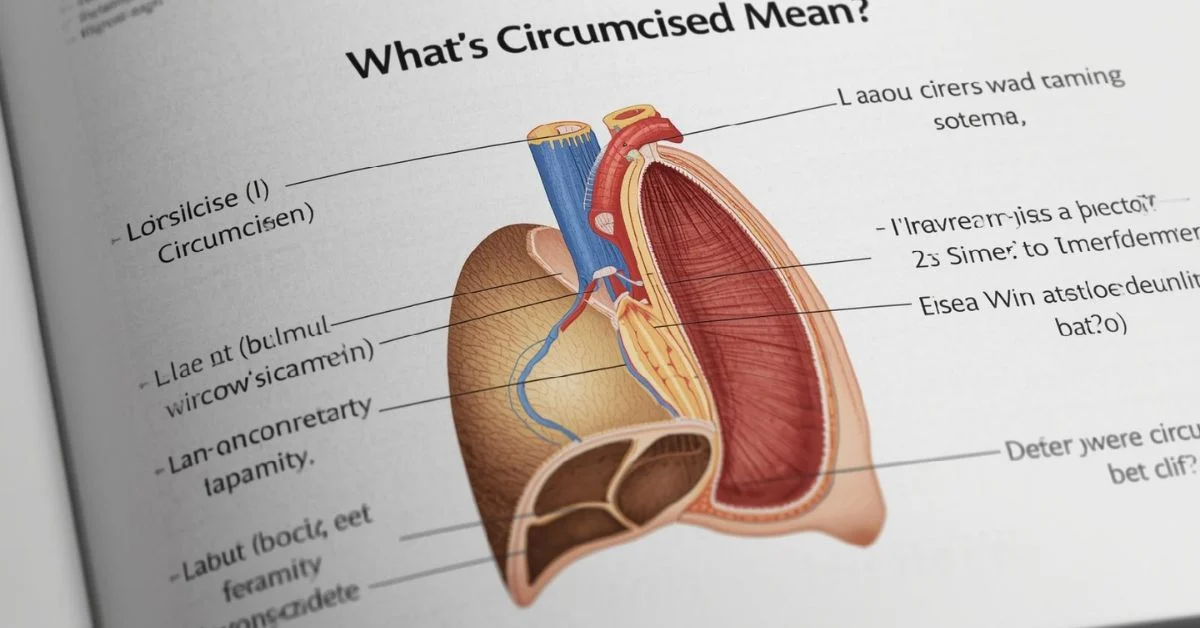
If you’ve ever come across the term circumcised and wondered what it actually means, you’re not alone. Many people search this phrase looking for a simple, honest explanation without medical jargon or confusing details.
So, what does circumcision mean? In basic terms, it refers to a person, usually male who has had a medical or cultural procedure called circumcision.
Circumcision involves the removal of the foreskin, a fold of skin that covers the tip of the penis. While the term may sound complex, the meaning is straightforward and widely discussed in medical, religious, and cultural contexts around the world.
Some people are circumcised at birth, while others undergo the procedure later in life for health, personal, or religious reasons.
In this article, we’ll explain the meaning of circumcised in simple words, compare circumcised and uncircumcised, and cover why circumcision is practiced, its benefits, risks, and common questions so you can fully understand the topic with clarity and confidence.
What Does Circumcised Mean? (Simple Definition)
The term circumcised means that a person most commonly a male has had the foreskin removed through a procedure called circumcision. The foreskin is a layer of skin that normally covers the tip (head) of the penis. When someone is circumcised, this skin is no longer present, leaving the head of the penis exposed.
In simple words, being circumcised describes the physical state after circumcision has been done. It does not describe an illness or condition it only explains whether the foreskin is present or not. If the foreskin has not been removed, the person is described as uncircumcised.
Circumcision can be done for different reasons, including medical, religious, cultural, or personal choices. Some people are circumcised shortly after birth, while others may have the procedure later in childhood or adulthood. Once the procedure is complete and healed, the person is permanently considered circumcised.
It’s important to understand that the word circumcised is descriptive, not judgmental. It does not imply that one option is better than the other. Around the world, both circumcised and uncircumcised individuals are common, depending on regional traditions, beliefs, and healthcare practices.
In everyday usage, when someone asks “what does circumcised mean?”, they are usually seeking a basic explanation of the term not detailed medical information. At its core, circumcised simply means the foreskin has been removed, and the person’s anatomy reflects that change.
What Is Circumcision?
Circumcision is a medical or traditional procedure in which the foreskin is surgically removed from the penis. The foreskin is the fold of skin that normally covers and protects the tip of the penis. When this skin is removed, the person is then described as circumcised.
The procedure is most commonly performed on newborn babies, but it can also be done during childhood or adulthood. In medical settings, circumcision is carried out by trained healthcare professionals using sterile equipment to ensure safety. When performed later in life, anesthesia is used to reduce discomfort during the procedure.
Circumcision has been practiced for thousands of years and holds importance in many religious and cultural traditions. For example, it is a required religious practice in Islam and Judaism and is also common in certain regions due to cultural norms or family traditions. In other cases, doctors may recommend circumcision to treat or prevent specific medical conditions.
From a medical perspective, circumcision is considered a minor surgical procedure, especially when done in infancy. Healing time varies depending on age but usually takes a few days to a couple of weeks. Proper care after the procedure helps reduce the risk of infection and supports healing.
It’s important to note that circumcision is often a personal or family decision. In many parts of the world, it is routine, while in others it is less common. Understanding what circumcision is helps clarify what it means when someone is described as circumcised and why the practice exists across different societies.
What Is the Foreskin?
The foreskin is a natural fold of skin that covers the tip, or head, of the penis in uncircumcised males. Its main role is to protect the sensitive tissue underneath and keep it moist. At birth, the foreskin is usually attached to the head of the penis and gradually becomes more flexible as a person grows.
In early childhood, the foreskin cannot always be pulled back, which is normal. Over time, it naturally loosens and becomes retractable for most people. The foreskin also contains nerve endings, which is why it is often described as a sensitive area. In uncircumcised individuals, regular hygiene involves gently cleaning beneath the foreskin once it can be safely retracted.
When circumcision is performed, the foreskin is removed, which permanently changes the appearance of the penis. After circumcision, the head of the penis remains exposed, and foreskin care is no longer required. This difference is one of the main reasons people ask about the meaning of circumcised versus uncircumcised.
Medically, the foreskin is not harmful or unhealthy on its own. However, in some cases, problems such as tight foreskin, repeated infections, or inflammation may occur. In these situations, circumcision or other treatments might be recommended by a healthcare provider.
Understanding what the foreskin is helps clarify discussions around circumcision. Whether someone has a foreskin or not is largely influenced by personal, cultural, religious, or medical factors, and both circumcised and uncircumcised states are considered normal in different parts of the world.
Circumcised vs Uncircumcised: What’s the Difference?
The main difference between circumcised and uncircumcised individuals is the presence or absence of the foreskin. A circumcised person has had the foreskin removed, leaving the head of the penis exposed, while an uncircumcised person still has the foreskin covering or partially covering the tip.
From a hygiene perspective, uncircumcised individuals need to gently clean beneath the foreskin once it can be retracted to prevent the buildup of natural oils or bacteria. Circumcised individuals generally have simpler hygiene routines because there is no foreskin to clean under. Both forms are healthy when proper hygiene is maintained.
In terms of medical differences, research shows that circumcision may slightly reduce the risk of certain infections and conditions. However, being uncircumcised does not automatically cause health problems, and many uncircumcised individuals live healthy lives without complications.
There are also cultural and social differences. In some countries, circumcision is very common and expected, while in others it is less frequent and considered unnecessary. These norms often influence how common each condition is within a population.
Physically, the appearance differs, but function remains the same. Sensitivity may vary from person to person, but experiences differ widely and are influenced by many factors beyond circumcision status.
Overall, the difference between circumcised and uncircumcised is primarily anatomical. Neither is universally better than the other; it is a matter of personal choice, cultural background, and medical guidance.
Why Are Some People Circumcised?
People are circumcised for a variety of reasons, and these reasons usually fall into medical, religious, cultural, or personal categories. Understanding these motivations helps explain why circumcision is common in some families and regions but less common in others.
One major reason is medical. In certain cases, doctors may recommend circumcision to prevent or treat specific health conditions, such as recurring infections, inflammation, or problems related to a tight foreskin. Some studies also suggest that circumcision may lower the risk of certain infections, which is why it is sometimes discussed in preventive healthcare.
Religious beliefs play a significant role as well. Circumcision is a required practice in Islam and Judaism and is often performed as part of religious identity and tradition. For families who follow these faiths, circumcision is an important spiritual and cultural responsibility rather than a medical choice.
Cultural and social traditions also influence circumcision. In some countries and communities, circumcision is widely accepted and routinely practiced, often passed down through generations. Parents may choose circumcision because it is considered normal or expected in their society.
Finally, some individuals choose circumcision for personal reasons, including hygiene preferences or comfort. In adulthood, circumcision may be a personal decision made after consultation with a healthcare professional.
Overall, circumcision is not done for just one reason. It reflects a combination of health advice, belief systems, traditions, and individual choice, all of which shape why someone may be circumcised.
Is Circumcision Common Around the World?
Circumcision is practiced around the world, but how common it is varies greatly by region, culture, and religion. In some countries, circumcision is a routine practice, while in others it is relatively rare and not part of standard healthcare.
In many parts of the Middle East, Africa, and South Asia, circumcision is very common due to strong religious and cultural traditions. In Muslim-majority countries, circumcision is widely practiced and considered an essential part of religious life. Similarly, in Jewish communities worldwide, circumcision is a deeply rooted religious requirement.
In the United States, circumcision has historically been common, especially among newborn males. For decades, it was routinely performed in hospitals, often for cultural or perceived health reasons. However, rates have changed over time as parents increasingly view circumcision as a personal choice rather than a medical necessity.
In contrast, circumcision is less common in Europe, Latin America, and East Asia. In many European countries, most males are uncircumcised, and circumcision is usually performed only for medical or religious reasons. In these regions, being uncircumcised is considered completely normal and does not carry social stigma.
Globally, health organizations recognize that both circumcised and uncircumcised individuals can live healthy lives. The prevalence of circumcision reflects tradition, belief systems, healthcare policies, and social norms, rather than a universal medical standard. Understanding these global differences helps explain why circumcision is common in some places and uncommon in others.
At What Age Is Circumcision Usually Done?
Circumcision can be performed at different ages, depending on cultural, religious, medical, or personal reasons. The timing of the procedure varies widely across the world.
In many cases, newborn circumcision is the most common. Babies are often circumcised within the first few days or weeks after birth, especially in countries where circumcision is a cultural or religious norm. Performing circumcision at this age is considered easier for healing, and infants typically recover quickly. Hospitals and clinics are often equipped to safely carry out the procedure for newborns under medical supervision.
Childhood circumcision is also practiced in some communities. In these cases, the procedure may be done between the ages of 1 and 12. Reasons for waiting until childhood may include family preference, cultural customs, or health considerations. Healing may take slightly longer than in newborns, and pain management is important to ensure comfort during recovery.
Adult circumcision is less common but still performed. Adults may choose circumcision for personal hygiene, medical issues, or cultural and religious reasons. Adult circumcision typically requires local or general anesthesia and a longer healing period compared to infants or children. Recovery can take several weeks, and proper care during healing is essential to prevent infection.
Ultimately, the age at which circumcision is performed depends on tradition, religion, health recommendations, and personal choice. Regardless of age, circumcision is a safe procedure when done by a trained healthcare professional, and each timing has its own benefits and considerations for healing and comfort.
Is Circumcision Painful?
One of the most common questions about circumcision is whether it is painful. The answer depends on the age of the person and whether pain management is used during the procedure.
For newborns, circumcision is typically done with local anesthesia or a numbing method to reduce discomfort. Although babies may show temporary signs of distress, such as crying, the procedure is quick, and most heal without lasting pain. Medical professionals monitor newborns closely to ensure safety and comfort during and after the procedure.
For children and adults, circumcision is usually performed with local or general anesthesia, depending on the procedure and patient preference. Anesthesia ensures that the person does not feel pain during the surgery. After the procedure, mild to moderate discomfort or soreness is common as the area heals. Doctors typically recommend over-the-counter pain relief or prescribed medication to manage this discomfort.
The healing process involves some tenderness, swelling, or slight redness, which gradually improves over one to two weeks for newborns and slightly longer for older individuals. Following post-procedure care instructions such as keeping the area clean and avoiding friction helps reduce discomfort and promotes faster healing.
It is important to remember that while some pain or discomfort is expected, circumcision is generally considered a safe procedure when performed by trained healthcare professionals. Many people undergo circumcision without long-term pain, and recovery is usually smooth with proper care. Understanding pain expectations helps individuals and parents feel more prepared and confident about the procedure.
What Are the Benefits of Being Circumcised?
Circumcision can offer several health and hygiene benefits, although it is not required for everyone. Understanding these benefits helps explain why some families or individuals choose circumcision.
One of the main medical benefits is improved hygiene. Removing the foreskin makes it easier to keep the penis clean, which can reduce the buildup of bacteria, sweat, and natural oils. This may help lower the risk of infections, such as urinary tract infections, particularly in infants.
Circumcision has also been associated with a lower risk of certain medical conditions, including inflammation of the foreskin (known as balanitis), phimosis (a condition where the foreskin cannot be fully retracted), and some sexually transmitted infections. Studies suggest that circumcision may slightly reduce the risk of HIV transmission in high-risk populations, though it is not a substitute for safe practices.
In addition to health reasons, some people see cultural or personal benefits. In religious communities, circumcision can fulfill spiritual or traditional requirements, providing a sense of belonging or identity. Others may choose circumcision for cosmetic reasons or personal comfort, as the exposed head of the penis may feel easier to maintain.
It is important to note that while there are potential benefits, being circumcised is not medically necessary for most people. Proper hygiene and regular healthcare can keep both circumcised and uncircumcised individuals healthy. Ultimately, the choice to circumcise is personal and may involve medical advice, cultural or religious beliefs, and individual preference. Understanding these benefits allows people to make informed decisions about circumcision.
Are There Any Risks or Downsides?
While circumcision is generally considered a safe procedure, like any surgical intervention, it carries some potential risks and downsides. Being aware of these can help individuals and parents make informed decisions.
The most common minor risks include temporary pain, swelling, or redness at the surgical site. Some people may experience mild bleeding or irritation, which usually resolves within a few days with proper care. Infection is possible but uncommon when the procedure is performed under sterile conditions by a trained healthcare professional.
In rare cases, more serious complications can occur, such as excessive bleeding, injury to the penis, or delayed healing. These complications are uncommon in medical settings but emphasize the importance of having circumcision performed by a qualified practitioner.
Another consideration is permanent changes to the penis. Once the foreskin is removed, it cannot be restored naturally. This is why circumcision is often a permanent decision, and understanding its long-term implications is important, particularly for those considering adult circumcision.
Some individuals may also experience sensitivity changes. The exposed head of the penis may feel different compared to before circumcision, although experiences vary widely and many people report no long-term issues.
It is important to balance these risks against the potential health, cultural, or personal benefits of circumcision. With proper technique, post-procedure care, and professional guidance, serious complications are rare, and most people recover without lasting problems. Understanding the potential downsides ensures that the decision to circumcise is informed and thoughtful.
Is Circumcision Necessary?
Circumcision is not medically necessary for everyone, and whether it is performed often depends on personal, cultural, or religious factors. For most healthy males, both circumcised and uncircumcised states are considered normal, and proper hygiene alone can prevent most health issues.
From a medical perspective, circumcision may be recommended in certain situations. For example, if a male experiences repeated infections, inflammation of the foreskin, or difficulty retracting the foreskin (a condition called phimosis), a doctor might suggest circumcision as a preventive or corrective measure. In these cases, the procedure can improve health and comfort.
Outside of medical reasons, circumcision is often influenced by cultural and religious beliefs. For families following specific religious practices, circumcision is considered an important rite of passage or spiritual obligation. In some regions, circumcision is a common tradition, and parents may choose it for cultural conformity or family expectations.
For many individuals and parents, circumcision is a personal choice rather than a medical necessity. Decisions are often made after weighing the potential health benefits, cultural significance, and personal preferences. Some people also consider cosmetic reasons, hygiene, or comfort when deciding.
It’s important to note that uncircumcised males can live healthy lives without any problems, provided proper care and hygiene are maintained. Health organizations around the world generally agree that routine circumcision is optional, and the decision should be made based on informed understanding, professional advice, and personal or cultural values.
In summary, circumcision is beneficial in some cases but is not universally required or necessary for everyone.
Can Adults Get Circumcised?
Yes, adults can get circumcised, though the procedure differs slightly from infant circumcision in terms of preparation, pain management, and recovery. Adult circumcision is usually performed for medical, personal, or cultural reasons, and it can provide many of the same benefits as circumcision in childhood.
Medical reasons for adult circumcision may include recurring infections, phimosis (tight foreskin that cannot be retracted), or other conditions that affect the penis. In some cases, adult circumcision is recommended to improve hygiene or reduce the risk of certain infections.
Personal or cultural reasons also motivate adults to undergo circumcision. Some men may choose it for religious practices they did not undergo as infants, while others may seek it for comfort, hygiene, or aesthetic preferences. Adult circumcision allows individuals to make a personal decision about their body.
The procedure for adults is more involved than for newborns. Local or general anesthesia is used to prevent pain during surgery. The surgery itself usually takes longer, and careful post-operative care is essential to avoid complications. Recovery can take two to six weeks, depending on the individual and the type of circumcision performed. During this time, swelling, tenderness, and minor discomfort are common, but these usually improve steadily.
With proper medical supervision, adult circumcision is generally safe and effective, and most men report satisfaction with the results. Understanding that circumcision can be performed at any age helps clarify that the decision is flexible and can be made according to health needs, cultural values, or personal choice.
Common Myths About Circumcision
Circumcision is a topic surrounded by misunderstandings and myths, which can confuse people seeking accurate information. Separating fact from fiction helps individuals make informed decisions about circumcision.
One common myth is that circumcision is always necessary for hygiene. While circumcision can make cleaning easier, uncircumcised males can maintain excellent hygiene by gently cleaning under the foreskin. Both circumcised and uncircumcised men can stay healthy with proper care.
Another myth is that circumcision completely prevents infections or sexually transmitted diseases. While research suggests a slightly lower risk for certain infections, circumcision is not a guaranteed safeguard. Safe practices, like good hygiene and safe sex, remain important for everyone.
Some believe that circumcision dramatically changes sexual sensitivity or function. Studies show that while the exposed head of the penis may feel different, most men report normal sexual function and satisfaction regardless of circumcision status.
A further misconception is that all males must be circumcised for health reasons. In reality, circumcision is optional for healthy individuals. It is recommended primarily for specific medical situations, cultural practices, or religious obligations, rather than as a universal requirement.
Lastly, some think circumcision is painful for life. While there may be temporary discomfort during and after the procedure, proper anesthesia and care make it manageable, and most people heal without lasting pain.
By addressing these myths, it becomes clear that circumcision is a personal or medical choice, not a necessity for everyone. Accurate knowledge ensures that decisions are based on facts rather than misinformation, helping individuals and families make informed, confident choices about circumcision.
Frequently Asked Questions
Many people have questions when learning about circumcision and what it means to be circumcised. Here are some of the most common FAQs, answered clearly and simply.
1. What does circumcised mean in simple terms?
Being circumcised means the foreskin, which covers the tip of the penis, has been surgically removed. It is a permanent change, but does not indicate illness or abnormality.
2. Is circumcision healthier than being uncircumcised?
Circumcision can reduce the risk of some infections and conditions, but proper hygiene makes both circumcised and uncircumcised males healthy. Neither is inherently better.
3. Can circumcision be reversed?
No, circumcision is permanent. While some surgical procedures can attempt foreskin restoration, they do not fully recreate the original foreskin.
4. Does circumcision affect daily life?
For most people, circumcision has little to no effect on daily activities. After healing, hygiene and sexual function remain normal.
5. Is circumcision painful?
There may be temporary discomfort during and after the procedure, but anesthesia and proper care make it manageable. Most people heal without lasting pain.
6. At what age is circumcision usually done?
Circumcision can be performed on newborns, children, or adults. Timing depends on cultural, religious, personal, or medical reasons.
7. Why do some people choose circumcision?
Reasons include religious traditions, cultural norms, medical advice, hygiene preferences, or personal choice.
Answering these questions helps clarify the meaning, purpose, and considerations of circumcision. Understanding these basics allows individuals and parents to make informed decisions and reduces confusion about what it means to be circumcised.
Final Thoughts
In simple terms, being circumcised means that the foreskin covering the head of the penis has been removed.
While this may sound purely anatomical, the concept of circumcision carries medical, cultural, and personal significance. Understanding what it means helps remove confusion and allows people to make informed choices about health and lifestyle.
Circumcision is performed for various reasons. Medically, it can prevent or treat certain conditions, improve hygiene, and slightly reduce the risk of some infections.
Culturally and religiously, circumcision is often an important rite of passage or spiritual practice, linking individuals to family and community traditions.
Personal reasons, including comfort, aesthetics, or hygiene preferences, also influence the decision.
It is important to emphasize that circumcision is not universally necessary. Both circumcised and uncircumcised males can live healthy lives, provided proper hygiene is maintained. The choice to undergo circumcision is largely personal, guided by medical advice, cultural beliefs, or individual preference.
Adults can choose circumcision later in life, while newborn circumcision remains common in certain communities. Regardless of age, the procedure is generally safe when performed by trained healthcare professionals. Temporary discomfort is normal, but serious complications are rare.
Ultimately, understanding the meaning of circumcision allows families, parents, and individuals to make well-informed decisions.
It is a descriptive term reflecting a physical change, but it also carries broader significance in terms of health, culture, and personal choice.
Being circumcised is simply one of the many ways human anatomy varies, and knowledge empowers people to approach the topic with clarity and confidence.

Tina Tease — Mixing charm, humor, and a little playful mischief in every post. From flirty fun to smart, sassy captions, this page brings entertainment with attitude and personality. Powered by ThePunSide.com for daily laughs, clever moments, and irresistible tease-energy.