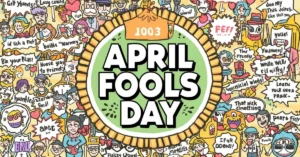
April Fools’ Day, celebrated every year on April 1st, is a day dedicated to laughter, pranks, and harmless tricks.
But have you ever wondered why we actually celebrate April Fools’ Day?
From sticking “kick me” signs in school hallways to viral internet hoaxes,
this day has a long and fascinating history that spans centuries and cultures.
What started as a quirky way to confuse people has evolved into a global tradition,
bringing joy, surprise, and even creativity to those who participate.
Across different countries, April Fools’ Day is celebrated in unique ways from France’s “Poisson d’Avril” (April Fish) to Scotland’s “Hunt-the-Gowk” prank.
Beyond the jokes, this day also highlights the human love for humor,
social bonding, and playful mischief.
In this article, we’ll uncover the origins, traditions, and cultural significance of April Fools’
Day, so you’ll know exactly why this fun-filled day continues to capture imaginations worldwide.
The Historical Origins of April Fools’ Day
The origins of April Fools’ Day are a fascinating mix of history, culture, and calendar confusion. One of the most widely accepted explanations dates back to 16th-century France. In 1582, France switched from the Julian calendar to the Gregorian calendar, as decreed by Pope Gregory XIII. This change moved the start of the new year from April 1st to January 1st. People who continued to celebrate the new year in late March through April 1st were teased and mocked by others; they became the first “April fools.”
However, some historians trace the roots even further, suggesting links to ancient Roman festivals, like Hilaria, celebrated at the end of March with costumes, jokes, and playful tricks.
Similarly, medieval Europe had springtime festivals that encouraged harmless mischief, symbolizing the end of winter and the arrival of spring’s renewal.
The day gradually spread across Europe and evolved differently in each culture. In France, the famous “Poisson d’Avril” or “April Fish” involved placing paper fish on people’s backs as a prank. Scotland had a similar tradition called Hunt-the-Gowk, where people were sent on fool’s errands.
Though its exact origin remains uncertain, it’s clear that April Fools’ Day has centuries-old roots in human celebration, social humor, and seasonal rituals.
Over time, it transformed from local customs and calendar jokes into a global day of laughter and pranks.
April Fools’ Day Around the World
April Fools’ Day is not just a Western tradition, it has been embraced in various forms across the globe, with each country adding its own unique twist to the celebrations.
In France, the day is famously known as “Poisson d’Avril” or “April Fish.” People playfully attach paper fish to others’ backs without them noticing, symbolizing a harmless and fun prank. The tradition is so popular that French children often exchange small jokes and sweet treats along with their pranks.
In Scotland, the holiday is called “Hunt-the-Gowk” with “gowk” meaning a foolish person.
The prank involves sending someone on a fake errand or a wild goose chase, often accompanied by a note telling them they’ve been fooled. Historically, this tradition was so popular that the prank could continue for an entire day, with participants trying to trick each other repeatedly.
Other countries have their own versions as well. In India, lighthearted pranks are common among friends and family, often focused on humor and social bonding rather than embarrassment. Mexico celebrates Día de los Inocentes on December 28, which has a similar prank-oriented spirit. Japan enjoys “April 1 jokes” mostly among workplaces and schools, showing the global adaptability of the tradition.
Despite the differences in customs, one thing remains universal: the celebration revolves around laughter, surprise, and harmless fun.
From clever tricks to playful hoaxes, April Fools’ Day demonstrates the human love for humor and social interaction, making it one of the most enjoyable and widely recognized unofficial holidays worldwide.
The Psychology Behind the Celebration
April Fools’ Day isn’t just about pranks, it also taps into human psychology in fascinating ways.
Psychologists suggest that people enjoy harmless trickery because it stimulates the brain’s reward system, creating feelings of surprise, delight, and laughter.
When someone is successfully fooled, both the prankster and the “victim” often experience a rush of amusement, strengthening social bonds and shared enjoyment.
The tradition also reflects our innate love for play and creativity.
Just as children engage in imaginative games, adults use April Fools’ Day as an opportunity to explore clever ideas and humorous scenarios. Planning a prank requires observation, timing, and inventiveness skills that engage the mind while fostering fun.
Humor, especially in the form of playful deception, can also serve as a social equalizer.
A harmless joke can break tension, lighten moods, and create a sense of community, whether among friends, coworkers, or even strangers online. It allows people to connect over laughter while maintaining cultural norms that separate fun from harm.
Interestingly, studies show that humans are naturally drawn to unexpected events, and pranks provide just the right level of surprise to trigger positive emotional responses.
April Fools’ Day, therefore, is more than just silly tricks; it’s a cultural outlet for stress relief, social bonding, and mental stimulation, making the holiday enjoyable and psychologically beneficial.
By understanding the psychology behind pranks, we can appreciate why April Fools’ Day has persisted across centuries and continues to capture human imagination worldwide.
Famous Historical April Fools’ Pranks
Throughout history, April Fools’ Day has produced some of the most clever and memorable pranks ever, leaving people both amazed and amused.
One of the earliest and most famous examples is the BBC’s 1957 “Spaghetti Tree” hoax.
The program aired a segment showing Swiss farmers harvesting spaghetti from trees, and many viewers unfamiliar with how spaghetti was made believed it. This prank remains iconic for its creativity and widespread impact.
In the United States, the Taco Liberty Bell prank of 1996 made headlines when Taco Bell announced that it had purchased the Liberty Bell and was renaming it.
The stunt generated massive media attention and demonstrated how corporate pranks could be playful, timely, and shareable.
Other notable historical pranks include the left-handed Whopper, introduced by Burger King in 1998, which claimed to cater to left-handed customers, and Google’s annual April Fools’ jokes, such as Gmail Paper and Google Nose.
These pranks show how the tradition has evolved with technology, becoming an integral part of pop culture.
Even beyond corporations, ordinary people have created memorable tricks.
From sending friends on “wild goose chases” to inventive office jokes, these pranks combine timing, humor, and imagination, reflecting the enduring appeal of April Fools’ Day.
These famous pranks illustrate not only the creativity involved but also the social impact of shared humor.
They highlight how a well-executed joke can entertain, surprise, and bring communities together, reinforcing the timeless charm of this playful holiday.
Modern-Day April Fools’ Celebrations
Today, April Fools’ Day has evolved beyond simple pranks among friends and family to a global, digitally connected celebration. Social media platforms, websites, and corporations now take part in spreading clever hoaxes that can go viral within hours.
For example, companies like Google, Burger King, and Lego have made headlines with imaginative online pranks, engaging millions of users in playful surprise.
The rise of the internet has also transformed the way pranks are shared. Social media challenges, memes, and viral videos allow April Fools’ Day humor to reach a wider audience than ever before. Even news outlets occasionally join in, publishing satirical stories that playfully mislead readers while keeping the content harmless.
Schools and workplaces often participate too, turning traditional jokes into team-building and creative exercises.
Lighthearted office pranks, funny email announcements, and playful classroom activities encourage social bonding and boost morale, reflecting the day’s role in promoting connection and shared laughter.
Despite its evolution, the core of April Fools’ Day remains the same: harmless fun and surprise. Modern celebrations demonstrate how the tradition adapts to contemporary culture while preserving its playful spirit.
From viral online hoaxes to small-scale personal jokes, April Fools’ Day continues to thrive as a day when creativity, humor, and social interaction take center stage.
Whether online or offline, this evolving holiday proves that humans have an enduring love for humor, mischief, and shared laughter ensuring that April 1st remains a much-anticipated day of fun worldwide.
Fun Facts About April Fools’ Day
April Fools’ Day is full of quirky traditions and surprising tidbits that make it one of the most entertaining unofficial holidays. For starters, the day has been celebrated for hundreds of years, yet its exact origins remain a mystery, which adds to its charm. While many associate it with pranks, the day is also steeped in cultural variety, from France’s “Poisson d’Avril” to Scotland’s “Hunt-the-Gowk,” showing how humor transcends borders.
A surprising fact is that the media and corporations have elevated pranking to an art form. Google has famously participated every year since 2000 with imaginative hoaxes like “Gmail Paper” and “Google Nose,” while other brands have staged elaborate campaigns that fooled millions, proving that April 1st creativity is limitless.
In addition, April Fools’ Day can sometimes create historical curiosities. The BBC spaghetti tree hoax of 1957 caused widespread amazement, with many viewers believing spaghetti literally grew on trees. Similarly, in modern times, viral internet pranks can reach millions worldwide within hours, turning small jokes into global sensations.
Another fun fact: the day is often linked to springtime festivals, emphasizing renewal, playfulness, and social bonding. The timing at the start of April may symbolize shaking off the seriousness of winter, welcoming warmth, laughter, and lighthearted fun.
From playful traditions to viral pranks, these fun facts highlight the enduring appeal and versatility of April Fools’ Day. It’s a day where creativity meets humor, and everyone regardless of age can join in the shared joy of surprise.
The Cultural Significance of Pranks
April Fools’ Day is more than just a day for laughter; it reflects deeper aspects of human culture and social behavior. Across history, pranks and playful tricks have served as a way to build community, express creativity, and challenge norms without causing harm. They allow people to step outside everyday routines, encouraging spontaneity and joy.
One important cultural function of pranks is social bonding. When executed thoughtfully, a harmless joke can strengthen relationships, whether among friends, coworkers, or family members. Sharing a laugh over a clever prank creates a sense of inclusion and shared experience, making social connections stronger.
Pranks also highlight creativity and critical thinking. Planning an effective joke often requires imagination, timing, and careful observation, skills that are valued in many aspects of life. This creative aspect shows that humor is not just entertainment it’s also a form of expression and mental exercise.
Culturally, April Fools’ Day demonstrates the human tendency to celebrate mischief and playfulness. Many societies have integrated pranks into festivals and seasonal events, showing that humor is a universal language that transcends age, nationality, and social class.
Furthermore, pranks can serve as a gentle way to question authority or challenge expectations, especially in historical contexts where humor allows people to comment on social hierarchies safely.
In essence, April Fools’ Day is more than a fun holiday; it’s a cultural tradition that celebrates connection, creativity, and the joy of laughter, reminding us why humans have cherished humor across centuries and civilizations.
Controversies and When Pranks Go Too Far
While April Fools’ Day is meant to be fun and harmless, not all pranks are received positively. Over the years, some jokes have crossed the line, causing embarrassment, financial loss, or even public panic. Understanding these controversies highlights the importance of responsible pranking.
One well-known example is the Taco Liberty Bell prank in 1996, which, while humorous, caused confusion and temporary outrage among the public.
Similarly, some media outlets have faced backlash for publishing false stories that were interpreted as real news, demonstrating that hoaxes can unintentionally mislead and harm trust.
At a personal level, pranks in schools, workplaces, or social circles can sometimes go too far if they target sensitive issues or humiliate someone. J
okes involving health scares, fake emergencies, or personal attacks are not only unethical but can have serious emotional consequences.
Legal and safety concerns have also arisen. Some pranks involving property damage, false alarms, or physical risk have resulted in fines or criminal charges. These incidents emphasize the need to balance humor with ethics and safety.
Ultimately, the key to a successful April Fools’ prank is to keep it harmless, inclusive, and clever. The best pranks evoke laughter without causing fear, shame, or harm.
By understanding the potential pitfalls, we can enjoy April Fools’ Day as a day of fun, creativity, and shared joy, without crossing boundaries or sparking controversy.
How to Celebrate April Fools’ Day Safely
April Fools’ Day is all about fun, creativity, and shared laughter but it’s important to celebrate responsibly. A well-planned prank can bring joy, while a thoughtless one can hurt feelings or cause unnecessary stress. Here are some tips for keeping the day safe and enjoyable for everyone.
First, focus on harmless and lighthearted pranks.
Simple tricks, like switching sugar with salt, sending funny notes, or harmless office jokes, can create laughter without causing damage or embarrassment. Avoid pranks that involve personal attacks, sensitive topics, or physical risk.
Second, consider your audience carefully. What’s funny to a close friend may not be appropriate for coworkers, children, or strangers. Tailoring your prank to the context ensures it is received positively.
Third, embrace digital caution. Social media and online pranks are popular, but false news stories or misleading posts can spread quickly and create confusion. Always keep online jokes obvious and harmless to avoid unintended consequences.
Finally, remember the principle of consent and respect. If someone is uncomfortable, apologize and adjust. The goal of April Fools’ Day is shared enjoyment, not embarrassment.
By following these guidelines, anyone can celebrate April Fools’ Day with creativity and humor, while keeping pranks safe, friendly, and inclusive.
With a little thought and imagination, this day of tricks can strengthen bonds, spark laughter, and make April 1st a memorable and joyful experience for everyone involved.
Conclusion
April Fools’ Day has endured for centuries because it taps into something fundamentally human:
our love for laughter, surprise, and playful creativity.
From its mysterious origins whether linked to calendar changes in France, Roman festivals, or medieval springtime pranks the day has evolved into a global celebration of humor that transcends culture, language, and age.
The appeal lies not just in the jokes themselves but in the social connection they foster. Harmless pranks allow people to bond, relieve stress, and enjoy moments of shared delight.
Across the world, from France’s “Poisson d’Avril” to Scotland’s “Hunt-the-Gowk,” and even modern online hoaxes, April 1st demonstrates that humor is a universal language capable of bridging differences and sparking joy.
Even in the digital age, the tradition continues to thrive.
Social media, viral pranks, and corporate campaigns show that creativity and cleverness are as central to April Fools’ Day as ever.
Yet, the day also serves as a reminder to celebrate responsibly, ensuring that jokes remain harmless and inclusive.
Ultimately, April Fools’ Day endures because it combines history, culture, and human psychology into a single day of fun.
It reminds us of the value of laughter, the joy of cleverness, and the importance of connecting with others through lighthearted play.
So, whether you’re planning a simple office prank or enjoying viral internet hoaxes, April 1st remains a day to embrace humor, celebrate creativity, and share smiles worldwide.

Punny Parker — Serving witty wordplay, clever jokes, and daily pun-filled fun. Whether it’s smart humor or pure silliness, every post brings a smile, a laugh, or a groan-worthy pun you’ll secretly love. Powered by ThePunSide.com for endless laughs and wordplay magic every day.