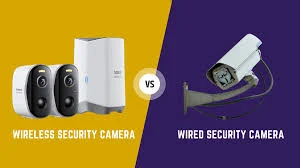
One of the first real decisions anyone faces when planning a surveillance setup is whether to go wired or wireless. It sounds like a small technical detail, but it shapes everything that follows: installation effort, reliability, ongoing cost, and how easily the system can grow. Both approaches have matured a great deal, and neither is simply better than the other. The right answer depends entirely on the property and the person using it.
This comparison lays out the genuine strengths and trade-offs of each so you can make the call with clear eyes rather than guessing from a product description.
How Each One Actually Works
A wired camera carries both its power and its video signal through physical cable, often a single run using Power over Ethernet. Once installed, it sits on a closed, predictable connection that does not compete with anything else for bandwidth. A wireless camera, by contrast, transmits its footage over your network and frequently draws power from a battery or a nearby outlet. The convenience is obvious, but so is the dependency: the camera is only as dependable as the signal reaching it.
Reliability and Image Consistency
For sustained, around-the-clock reliability, wired systems still hold the advantage. They are not affected by network congestion, wireless interference, or a router that needs rebooting, and they deliver a steady image quality that does not fluctuate with signal strength. Wireless cameras have closed much of this gap, but they remain vulnerable to dead zones, bandwidth competition from other devices, and the simple reality that batteries discharge and need recharging or replacing.
If a camera is guarding something genuinely important, the question to ask is what happens on the day the network is having a bad day. Wired hardware shrugs that off. Wireless hardware may not.
Installation and Flexibility
Here the scales tip the other way. Wireless cameras can be mounted almost anywhere within range and are well suited to renters, temporary setups, and spots where running cable is difficult or unsightly. Wired installations demand more planning and, often, professional help to route cable cleanly through walls and ceilings. The reward for that extra effort is a tidy, permanent system with nothing to recharge, but the effort is real and worth budgeting for.
Cost Over the Long Run
Wireless cameras usually win on upfront simplicity, since there is little or no installation labor. Over a longer horizon, though, the picture evens out. Batteries, potential cloud subscriptions, and eventual replacements add up, while a well-built wired system tends to keep running quietly for years with very little attention. The cheaper option at checkout is not always the cheaper option three years later.
Picking the Right Components
Whichever route suits your property, the components themselves still have to be sound, which is why it pays to source them from a dedicated specialist rather than a random listing. A supplier like worldstarsecuritycameras.com can match cameras, recorders, and cabling for a wired build, or point you toward wireless units with the range and battery life your layout demands. Getting that compatibility right from the start saves a great deal of frustration later.
Power, Batteries, and Ongoing Upkeep
One difference that buyers tend to discover only after installation is how much attention each type demands over time. Wired cameras, once running, ask for very little: an occasional lens cleaning and the odd firmware update. Wireless cameras introduce an ongoing rhythm of maintenance, since batteries must be recharged or swapped, and the frequency depends on how often motion triggers recording. A busy doorway camera can drain a battery far quicker than the marketing suggests.
Power over Ethernet is part of what makes wired systems so low-maintenance, because a single cable delivers both data and power and removes any dependence on nearby outlets. Wireless setups, by contrast, still need a power source unless they are battery models, so the freedom from cabling is rarely as total as it first appears. Weighing this honestly against your willingness to perform routine upkeep will save disappointment later.
Scalability is worth a thought as well. Expanding a wired system usually means running additional cable, which is straightforward during a planned build but more involved as an afterthought. Adding a wireless camera is often as simple as mounting it and connecting it to the network, provided the signal reaches and the network can carry the extra load.
Which One Should You Choose?
Choose wired when reliability is paramount, the installation is permanent, and you want a system that runs without fuss for the long term. Choose wireless when flexibility matters most, you cannot or do not want to run cable, or you expect to move the cameras as your needs change. And do not overlook the hybrid path that many properties end up taking, with wired cameras anchoring the critical points and wireless units filling in the awkward corners. The best system is rarely about ideology; it is about honestly matching the technology to the building and the way you live or work inside it.