The pancreas is a small organ with a big responsibility, yet many people don’t fully understand what it does until a health issue arises.
If you’re searching for what your pancreas does, the simple answer is that it plays a critical role in both digestion and blood sugar control.
Located behind the stomach, the pancreas works quietly every day to help your body process food and maintain balanced energy levels.
It produces hormones like insulin that regulate blood glucose, as well as digestive enzymes that help break down fats, proteins, and carbohydrates.
Without these functions, the body would struggle to absorb nutrients or keep blood sugar within a healthy range.
Understanding how the pancreas works can help you recognize why it is essential for overall health and why keeping it healthy matters.
This article explores the pancreas in detail, explaining its functions, importance, and how it supports your body’s daily needs.
Where Are the Pancreas Located?
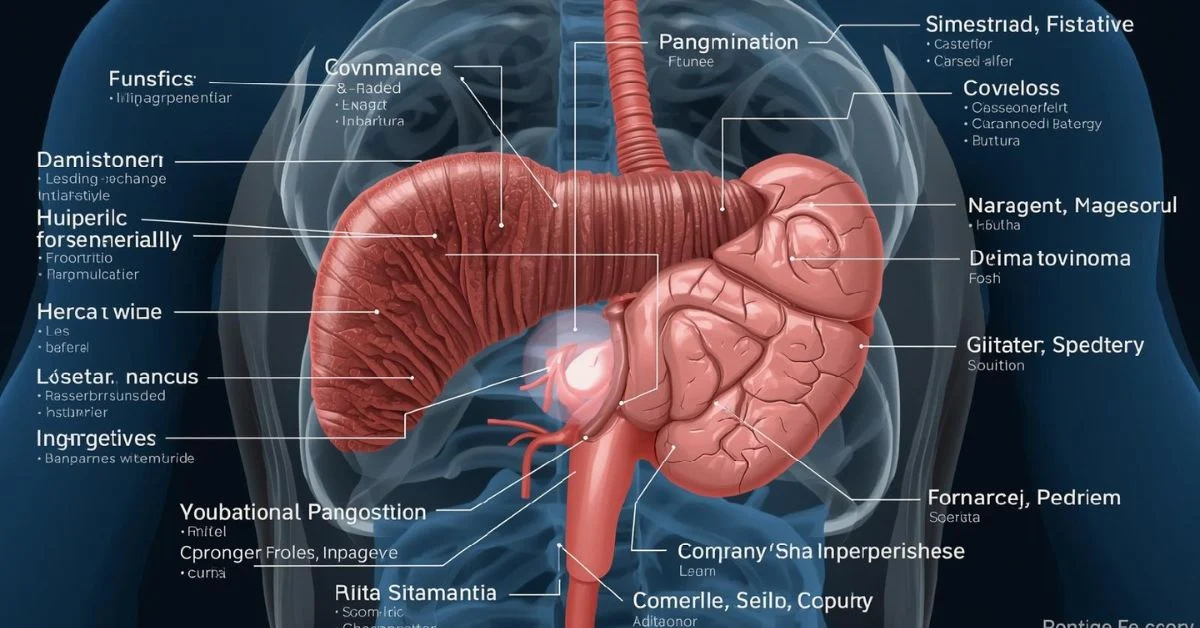
The pancreas is located deep inside the abdomen, behind the stomach and in front of the spine. Because of its position, it is not an organ you can feel from the outside like the liver or ribs. It sits horizontally across the upper part of the belly and is closely connected to several important organs that support digestion and metabolism. The head of the pancreas rests near the curve of the small intestine, known as the duodenum, while the tail extends toward the spleen on the left side of the body.
This location is important because it allows the pancreas to perform both of its main jobs efficiently. Being close to the small intestine helps digestive enzymes reach food quickly after it leaves the stomach. At the same time, its connection to blood vessels allows hormones like insulin and glucagon to enter the bloodstream and regulate blood sugar levels throughout the body.
The pancreas is about six to eight inches long and has a soft, spongy texture. Although it is relatively small, its placement near major organs such as the liver, gallbladder, and intestines means that problems with the pancreas can affect digestion and overall health. Its hidden position also explains why pancreatic conditions are sometimes difficult to detect early. Understanding where the pancreas is located helps explain how it works so closely with the digestive and endocrine systems to keep the body functioning properly.
What Is the Pancreas?
The pancreas is a vital organ that acts as both a gland and a part of multiple body systems. It is unique because it performs two very different but equally important functions at the same time. Medically, the pancreas is classified as a mixed gland, meaning it has both endocrine and exocrine roles. This dual nature is what makes the pancreas essential for everyday survival.
As an endocrine organ, the pancreas releases hormones directly into the bloodstream. These hormones, especially insulin and glucagon, help regulate blood sugar levels and ensure the body has a steady supply of energy. This function places the pancreas within the endocrine system, alongside glands like the thyroid and adrenal glands.
At the same time, the pancreas also works as an exocrine gland. In this role, it produces digestive enzymes that travel through small ducts into the small intestine. These enzymes help break down fats, proteins, and carbohydrates from the food you eat, allowing your body to absorb nutrients properly. Without this process, digestion would be incomplete and inefficient.
Structurally, the pancreas is made up of specialized cells designed for these separate tasks. Some cells focus on hormone production, while others are dedicated to enzyme secretion. Even though it operates quietly and without conscious control, the pancreas is constantly adjusting its output based on what you eat and how your body’s energy needs change.
Understanding what the pancreas is helps explain why it is so important to overall health. When this organ is not functioning properly, both digestion and blood sugar balance can be affected, leading to serious health conditions.
Main Functions of the Pancreas
The pancreas performs two main functions that are essential for keeping the body healthy and balanced. These functions are closely connected and work together to support digestion, energy use, and overall metabolism. Even though they are different processes, both are necessary for normal body function.
The first major function of the pancreas is hormonal regulation. The pancreas produces important hormones, mainly insulin and glucagon, which control blood sugar levels. After you eat, blood sugar rises, and the pancreas releases insulin to help move glucose into cells where it can be used for energy. When blood sugar drops between meals, glucagon is released to raise glucose levels. This constant adjustment helps prevent blood sugar from becoming too high or too low.
The second key function of the pancreas is digestion. The pancreas produces digestive enzymes that help break down the food you eat. These enzymes include amylase for carbohydrates, lipase for fats, and proteases for proteins. Once food leaves the stomach, these enzymes are released into the small intestine, where digestion continues and nutrients are absorbed into the body.
Both functions are equally important. If hormone production is disrupted, blood sugar problems like diabetes can develop. If enzyme production is insufficient, digestion becomes poor, leading to nutrient deficiencies and digestive discomfort. The pancreas continuously responds to what you eat and how your body uses energy, making it one of the most hardworking organs in the body. Understanding these main functions highlights why a healthy pancreas is vital for daily life.
Endocrine Function of the Pancreas
The endocrine function of the pancreas focuses on controlling blood sugar levels through hormone production. In simple terms, this means the pancreas helps keep the amount of glucose in your blood within a healthy range. This process is vital because glucose is the body’s main source of energy, especially for the brain and muscles.
Specialized cells in the pancreas, known as islets of Langerhans, are responsible for this endocrine role. These cells release hormones directly into the bloodstream. The most important of these hormones is insulin. When you eat and your blood sugar rises, the pancreas releases insulin. Insulin allows glucose to move from the blood into body cells, where it can be used for energy or stored for later use. Without enough insulin, glucose stays in the blood, leading to high blood sugar levels.
Another key hormone produced by the pancreas is glucagon. Glucagon works in the opposite way to insulin. When blood sugar levels drop between meals or during physical activity, glucagon signals the liver to release stored glucose into the bloodstream. This prevents blood sugar from falling too low and helps maintain steady energy levels.
The balance between insulin and glucagon is crucial. If this balance is disrupted, blood sugar problems can occur. Conditions like diabetes develop when the pancreas cannot produce enough insulin or when the body cannot use insulin effectively. The endocrine function of the pancreas operates continuously, adjusting hormone levels day and night to keep the body stable and functioning properly.
Exocrine Function of the Pancreas
The exocrine function of the pancreas is responsible for helping the body digest food properly. While the endocrine function controls blood sugar, the exocrine side focuses on breaking down the nutrients you eat so your body can absorb and use them. This process begins as soon as food leaves the stomach and enters the small intestine.
The pancreas produces powerful digestive enzymes that are released into the duodenum, the first part of the small intestine. These enzymes travel through small pancreatic ducts and mix with partially digested food. Each enzyme has a specific role. Amylase helps break down carbohydrates into simple sugars, lipase breaks fats into fatty acids, and proteases break proteins into amino acids. Together, these enzymes ensure that food is broken down into forms the body can absorb.
In addition to enzymes, the pancreas also releases bicarbonate. This substance helps neutralize stomach acid that enters the small intestine with food. Neutralizing this acid is important because digestive enzymes work best in a less acidic environment. It also protects the lining of the intestine from irritation and damage.
When the exocrine function of the pancreas is not working properly, digestion becomes inefficient. This can lead to symptoms such as bloating, gas, diarrhea, greasy stools, and unexplained weight loss. Conditions like exocrine pancreatic insufficiency occur when the pancreas does not produce enough enzymes.
The exocrine function of the pancreas plays a continuous and essential role in digestion, ensuring the body gets the nutrients it needs to stay healthy and energized.
How the Pancreas Helps Control Blood Sugar
The pancreas plays a central role in controlling blood sugar levels, which is essential for maintaining steady energy and overall health. Blood sugar, or glucose, comes mainly from the foods you eat, especially carbohydrates. Once glucose enters the bloodstream, the pancreas responds immediately to keep levels balanced.
After a meal, blood sugar levels rise. In response, the pancreas releases insulin into the bloodstream. Insulin acts like a key, allowing glucose to enter body cells where it can be used for energy or stored for later use. This process helps prevent blood sugar from rising too high, which can damage blood vessels and organs over time.
Between meals or during physical activity, blood sugar levels naturally begin to drop. When this happens, the pancreas releases glucagon. Glucagon signals the liver to convert stored glycogen into glucose and release it into the bloodstream. This prevents blood sugar from dropping too low and ensures the brain and muscles continue to receive enough energy.
This constant balance between insulin and glucagon is what keeps blood sugar within a healthy range throughout the day and night. The pancreas adjusts hormone release based on eating patterns, activity levels, and the body’s energy needs.
When the pancreas cannot regulate blood sugar properly, problems occur. Too little insulin or poor insulin function can lead to high blood sugar and diabetes. On the other hand, excessive insulin can cause low blood sugar, leading to weakness, dizziness, or confusion. By carefully managing blood sugar levels, the pancreas protects the body from dangerous fluctuations and supports long-term health.
How the Pancreas Supports Digestion
The pancreas plays a crucial role in digestion, working quietly to break down the food we eat and help the body absorb nutrients. After food leaves the stomach, it enters the small intestine, where pancreatic enzymes are released to continue the digestive process. These enzymes are highly specialized, each targeting a different type of nutrient.
Amylase is the enzyme responsible for breaking down carbohydrates into simple sugars that the body can use for energy. Lipase targets fats, breaking them into fatty acids and glycerol so they can be absorbed and stored or used for energy. Proteases, such as trypsin and chymotrypsin, break proteins into amino acids, which are essential building blocks for muscles, tissues, and enzymes.
In addition to enzymes, the pancreas releases bicarbonate, which neutralizes stomach acid entering the small intestine. This neutralization is critical because pancreatic enzymes work best in a slightly alkaline environment. Without this step, enzymes would be less effective, and the intestine could become irritated or damaged by the acid.
Proper pancreatic function ensures that nutrients from food are fully absorbed, supporting overall health, energy levels, and growth. When the pancreas does not produce enough digestive enzymes, conditions like exocrine pancreatic insufficiency can occur, leading to bloating, diarrhea, weight loss, and nutrient deficiencies.
By coordinating enzyme release with meals, the pancreas ensures that every bite of food is broken down efficiently, turning it into usable fuel and nutrients. Its digestive role is continuous and essential, highlighting why a healthy pancreas is vital for daily life and long-term well-being.
Common Pancreas-Related Diseases
The pancreas, while small, can be affected by several serious health conditions that impact its ability to function properly. Understanding these diseases helps highlight the importance of maintaining pancreatic health and recognizing early warning signs.
One of the most well-known conditions is diabetes. Type 1 diabetes occurs when the pancreas cannot produce insulin, leading to high blood sugar levels. Type 2 diabetes happens when the body becomes resistant to insulin or the pancreas cannot keep up with insulin demand. Both types can have long-term complications affecting the heart, kidneys, and eyes.
Another common issue is pancreatitis, which is inflammation of the pancreas. Pancreatitis can be acute, causing sudden and severe pain, or chronic, developing slowly over time and leading to permanent damage. Causes often include excessive alcohol consumption, gallstones, or certain medications. Symptoms may include abdominal pain, nausea, vomiting, and digestive problems.
Pancreatic cancer is a serious but less common condition. Because the pancreas is deep inside the body, tumors are often detected late, making early diagnosis challenging. Risk factors include smoking, obesity, family history, and certain genetic mutations. Symptoms can include unexplained weight loss, abdominal pain, jaundice, and digestive difficulties.
Another condition is exocrine pancreatic insufficiency (EPI), where the pancreas does not produce enough digestive enzymes. This can result in poor nutrient absorption, weight loss, and gastrointestinal discomfort.
While these diseases can be severe, early detection and lifestyle changes like a balanced diet, avoiding excessive alcohol, and managing blood sugar can significantly improve outcomes. Awareness of pancreas-related diseases is the first step toward prevention and maintaining a healthy, functioning organ.
Symptoms of Pancreas Problems
Recognizing symptoms of pancreas problems early can make a significant difference in managing health and preventing serious complications. Because the pancreas performs both endocrine and exocrine functions, symptoms may affect digestion, blood sugar, or general well-being.
Digestive symptoms are common when the exocrine function is impaired. These include bloating, gas, diarrhea, oily or greasy stools, and unexplained weight loss. When the pancreas cannot produce enough digestive enzymes, the body struggles to absorb nutrients from food, leading to malnutrition over time.
Blood sugar–related symptoms occur when the endocrine function is disrupted. High blood sugar may cause increased thirst, frequent urination, fatigue, and blurred vision. Low blood sugar can result in dizziness, shakiness, confusion, and in severe cases, fainting. Conditions like diabetes often develop gradually, so these warning signs should not be ignored.
Pain-related symptoms are also common in pancreatic issues. Pancreatitis, for example, can cause severe upper abdominal pain that sometimes radiates to the back. The pain may worsen after eating, especially after consuming fatty meals. Chronic pancreatic inflammation can result in persistent discomfort and digestive difficulties.
Other warning signs include jaundice (yellowing of the skin or eyes), nausea, and loss of appetite. Because the pancreas is deep within the abdomen, problems may not always be obvious until the disease progresses, making awareness of early signs crucial.
If you experience persistent digestive issues, unexplained changes in energy, or sudden abdominal pain, it’s important to consult a healthcare professional. Early detection and treatment of pancreas problems can prevent further complications and help maintain both digestive and metabolic health.
Causes of Pancreatic Disorders
Pancreatic disorders can arise from a variety of factors, ranging from lifestyle choices to genetic predispositions. Understanding these causes helps in preventing problems and maintaining a healthy pancreas.
Lifestyle factors play a major role. Excessive alcohol consumption is one of the leading causes of pancreatitis, both acute and chronic. Alcohol irritates the pancreas and can trigger inflammation, leading to long-term damage. Smoking is another significant risk factor, increasing the likelihood of pancreatic cancer and other disorders.
Diet and obesity also impact pancreatic health. Diets high in processed foods, sugars, and unhealthy fats can strain the pancreas, disrupt insulin production, and contribute to type 2 diabetes. or person in higher weight body further increases the risk of insulin resistance and other pancreatic complications.
Genetic factors may predispose some individuals to pancreatic conditions. Family history of diabetes, pancreatitis, or pancreatic cancer can increase susceptibility. Certain inherited genetic mutations are also linked to higher risks of pancreatic diseases.
Medical conditions can affect the pancreas as well. Gallstones, for example, can block pancreatic ducts and trigger inflammation. Autoimmune disorders may lead the body to attack pancreatic tissue, affecting hormone production. Certain medications and infections can also stress the pancreas and impair its function.
Other contributing factors include aging and chronic stress, which may impact hormone regulation and digestion. While not all causes are preventable, lifestyle modifications such as maintaining a balanced diet, exercising regularly, limiting alcohol, and avoiding smoking can significantly reduce the risk of pancreatic disorders and support long-term pancreatic health.
How Doctors Diagnose Pancreas Problems
Diagnosing pancreas problems can be challenging because the organ is located deep within the abdomen, and early symptoms are often subtle. However, doctors have several methods to detect issues and ensure timely treatment.
Blood tests are one of the first tools used. They can measure levels of pancreatic enzymes like amylase and lipase, which may rise if the pancreas is inflamed. Blood tests also check glucose levels to detect diabetes or other endocrine-related problems. Abnormal hormone levels can indicate that the pancreas is not functioning properly.
Imaging tests provide a visual look at the pancreas and surrounding organs. Ultrasound, CT scans, and MRI are commonly used to detect structural issues such as inflammation, cysts, tumors, or blockages in the pancreatic ducts. These scans help doctors assess the size, shape, and condition of the pancreas.
Endoscopic procedures like endoscopic ultrasound (EUS) or ERCP (endoscopic retrograde cholangiopancreatography) allow doctors to examine the pancreas more closely. These procedures can also be used to take tissue samples if pancreatic cancer or chronic pancreatitis is suspected.
Stool tests may be used to check for digestive enzyme deficiencies, particularly in cases of exocrine pancreatic insufficiency. Undigested fats or proteins in the stool can indicate that the pancreas is not producing enough enzymes for proper digestion.
Early diagnosis is critical because pancreatic problems can progress quickly and lead to serious complications. By combining lab tests, imaging, and specialized procedures, doctors can identify the underlying issue and recommend effective treatments to protect both digestive and endocrine health.
How to Keep Your Pancreas Healthy
Maintaining a healthy pancreas is essential for proper digestion, blood sugar regulation, and overall well-being. While some factors, like genetics, cannot be changed, lifestyle choices play a significant role in supporting pancreatic health.
A balanced diet is one of the most important steps. Eating plenty of fruits, vegetables, whole grains, and lean proteins provides the nutrients your pancreas needs to function optimally. Limiting processed foods, added sugars, and unhealthy fats reduces stress on the pancreas and helps prevent insulin resistance and obesity, which are risk factors for type 2 diabetes.
Hydration is another key factor. Drinking enough water helps maintain proper digestion and supports enzyme activity. Dehydration can impair these processes and put extra strain on the pancreas.
Exercise and weight management help regulate blood sugar levels and reduce fat around the organs, including the pancreas. Regular physical activity improves insulin sensitivity and supports overall metabolic health.
Limiting alcohol and avoiding smoking are critical. Excessive alcohol can cause pancreatitis, while smoking increases the risk of pancreatic cancer and other disorders. Even moderate reductions can have long-term benefits.
Monitoring blood sugar levels is important, especially for those with risk factors like obesity or a family history of diabetes. Regular checkups with a healthcare provider can catch early signs of pancreatic issues before they become severe.
Finally, managing stress, getting enough sleep, and maintaining a healthy lifestyle overall contribute to a pancreas that functions efficiently. By adopting these habits, you can support digestion, hormone balance, and energy production, keeping your pancreas healthy for years to come.
Can the Pancreas Heal or Regenerate?
The pancreas has a limited ability to heal or regenerate, but the extent depends on the type and severity of the damage. Unlike some organs, such as the liver, which can fully regenerate after injury, the pancreas has a much lower capacity for repair. However, minor damage or inflammation can sometimes be reversed with proper care and lifestyle changes.
For example, acute pancreatitis, which is sudden inflammation of the pancreas, can often resolve completely if treated promptly. Resting the pancreas, staying hydrated, avoiding alcohol, and following a doctor’s dietary recommendations can allow the organ to recover fully in some cases. Once inflammation subsides, normal pancreatic function may return.
Chronic pancreatic conditions, such as chronic pancreatitis or long-term enzyme deficiency, are more complicated. Repeated damage over time can lead to permanent scarring, reducing the pancreas’s ability to produce enzymes and hormones. In these cases, while some improvement may be possible through diet, enzyme supplements, and blood sugar management, full regeneration is unlikely.
The endocrine portion of the pancreas also has limited regenerative ability. Beta cells, which produce insulin, can sometimes regenerate to a small degree, but this is generally insufficient to fully reverse diabetes.
Medical interventions, like enzyme replacement therapy, insulin therapy, and surgery, can help manage symptoms and maintain quality of life when the pancreas cannot heal completely. Early detection, lifestyle changes, and consistent medical care are critical for supporting the pancreas and preventing further damage. While full regeneration is rare, proper care can help preserve the organ’s remaining function.
Pancreas vs Other Digestive Organs
The pancreas plays a unique and essential role in the digestive system, but it is often compared to other organs like the liver and gallbladder. Understanding these differences highlights why the pancreas is irreplaceable in both digestion and metabolism.
Unlike the liver, which produces bile to help digest fats, the pancreas produces digestive enzymes that break down fats, proteins, and carbohydrates into absorbable forms. While both organs support digestion, the liver primarily processes nutrients and detoxifies the blood, whereas the pancreas directly transforms food into usable energy and nutrients.
The gallbladder stores and releases bile produced by the liver, aiding fat digestion in the small intestine. In contrast, the pancreas produces its own digestive fluids and releases them directly into the small intestine to break down all major nutrients. This distinction shows that the pancreas is not just part of fat digestion but supports the complete digestive process.
The pancreas is also different in its endocrine function. While the liver and gallbladder do not regulate blood sugar, the pancreas produces hormones such as insulin and glucagon to maintain energy balance. This dual role both digestive and hormonal makes the pancreas unique among digestive organs.
Because of these functions, no other organ can fully replace the pancreas if it stops working. Issues with the pancreas affect digestion, nutrient absorption, and blood sugar regulation simultaneously, whereas problems with the liver or gallbladder generally affect more specific functions.
Recognizing these differences emphasizes why maintaining pancreatic health is crucial. Its combined roles in digestion and metabolism make it one of the most vital organs in the body.
Frequently Asked Questions (FAQs)
Understanding the pancreas can be confusing, so answering common questions helps clarify its functions and importance.
1. What does the pancreas do in simple words?
The pancreas is a small organ that helps digest food and control blood sugar. It produces enzymes to break down fats, proteins, and carbohydrates, and hormones like insulin and glucagon to regulate energy levels.
2. Can you live without a pancreas?
Technically, yes, but it requires lifelong medical treatment. People without a pancreas need enzyme supplements to digest food and insulin therapy to control blood sugar. Living without a pancreas is challenging and can significantly affect daily life.
3. What foods are bad for the pancreas?
Highly processed foods, sugary snacks, fried foods, and excessive alcohol can strain the pancreas. These foods increase the risk of inflammation, insulin resistance, and long-term pancreatic diseases.
4. Does the pancreas affect weight?
Yes, indirectly. If the pancreas is not producing enough insulin or digestive enzymes, it can lead to weight gain or loss. Poor digestion may prevent nutrient absorption, while blood sugar issues can lead to energy storage problems.
5. How do you know if your pancreas is not working properly?
Symptoms include upper abdominal pain, unexplained weight changes, diarrhea or greasy stools, frequent thirst, fatigue, and changes in blood sugar levels. Persistent symptoms should prompt medical consultation for early detection and treatment.
6. Can lifestyle changes improve pancreatic health?
Yes. Eating a balanced diet, exercising regularly, avoiding alcohol and smoking, staying hydrated, and monitoring blood sugar all support pancreatic function and reduce the risk of disease.
Conclusion
The pancreas is a small but remarkably powerful organ that plays a critical role in both digestion and blood sugar regulation.
Despite its hidden location behind the stomach, it works tirelessly every day to break down food into nutrients your body can use and to maintain balanced energy through hormone production.
Understanding what the pancreas does helps explain why it is essential for overall health and why problems with this organ can have wide-ranging effects on digestion, metabolism, and general well-being.
Maintaining a healthy pancreas requires awareness and proactive care. A balanced diet rich in whole foods, regular exercise, proper hydration, avoiding excessive alcohol, and refraining from smoking all contribute to pancreatic health.
Monitoring blood sugar levels and seeking medical attention for persistent digestive or hormonal symptoms can prevent serious conditions like diabetes, pancreatitis, or pancreatic cancer.
While the pancreas has limited regenerative abilities, it can recover from minor injuries or inflammation when supported by healthy lifestyle choices.
Early detection and consistent care are key to preserving its function and preventing long-term damage.
In summary, the pancreas may work quietly in the background, but its impact on the body is enormous.
From controlling blood sugar to aiding digestion and supporting overall metabolism, this small organ is indispensable.
By understanding its functions and taking steps to protect it, you can ensure your pancreas continues to perform its vital role, keeping your body healthy, energized, and balanced for years to come.
Taking care of your pancreas is not just about preventing disease, it’s about supporting the very systems that keep you alive and thriving every day.

Tina Tease — Mixing charm, humor, and a little playful mischief in every post. From flirty fun to smart, sassy captions, this page brings entertainment with attitude and personality. Powered by ThePunSide.com for daily laughs, clever moments, and irresistible tease-energy.