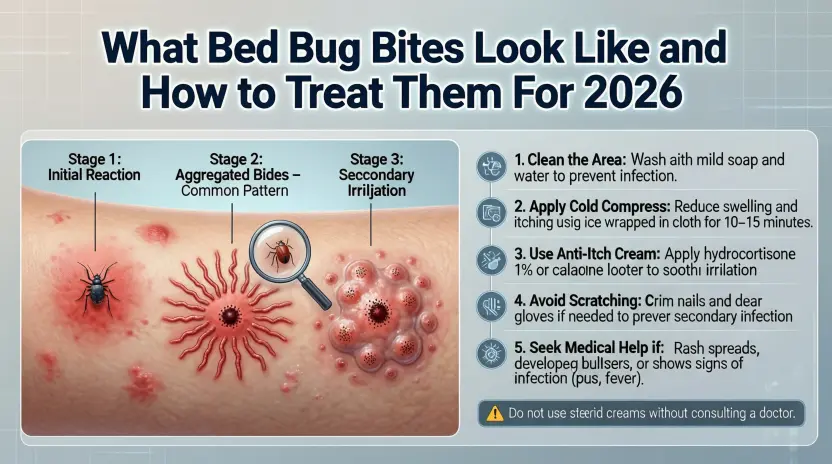
Waking up with mysterious red, itchy bumps on your skin can be alarming and the culprit might just be bed bugs.
These tiny, nocturnal insects feed on human blood while you sleep, leaving behind bites that can be uncomfortable and sometimes painful.
Identifying bed bug bites early is crucial, not only for your comfort but also to prevent a full-blown infestation in your home.
Bed bug bites often appear as small, red, raised bumps, sometimes clustered in lines, and can be mistaken for mosquito or flea bites.
People react differently depending on their sensitivity, with some experiencing severe itching, swelling, or even allergic reactions.
In this guide, you’ll learn how to spot bed bug bites, differentiate them from other insect bites, and understand the symptoms to watch for.
Plus, we’ll cover tips for treatment, prevention, and when to seek medical help so you can protect your skin and home effectively.
What Are Bed Bug Bites?
Bed bug bites are small, red, and itchy marks that appear on the skin after a bed bug feeds on your blood. Bed bugs are tiny, reddish-brown insects, usually about the size of an apple seed, and they are primarily nocturnal, coming out at night to feed. Their bites can easily go unnoticed at first because they inject an anticoagulant and mild anesthetic into the skin, which reduces immediate pain or discomfort.
When a bed bug bites, it pierces the skin with its elongated mouthpart and sucks blood for several minutes. This feeding triggers an immune response in the body, causing redness, swelling, and itching around the bite area. Some people may barely react to a bite, while others develop raised welts, clusters of bumps, or intense itching that lasts for several days.
Bed bug bites typically appear in groups or lines, often referred to as the “breakfast, lunch, and dinner” pattern, because bed bugs often bite multiple times in a row along exposed skin. They are commonly found on areas like the arms, legs, neck, and face basically any skin that is exposed while sleeping. Understanding what bed bug bites look like is the first step in identifying an infestation and taking timely action to prevent further bites and discomfort.
Common Areas Bed Bugs Bite
Bed bugs tend to bite areas of the body that are exposed while sleeping, making certain spots more vulnerable than others. The most common areas include the arms, hands, legs, and feet, as these are often uncovered at night. The neck, face, and shoulders are also frequent targets, especially for those who sleep without covering themselves fully with blankets. Children, who may sleep with less bedding or move around more, are particularly prone to bites on the legs and arms.
One unique feature of bed bug bites is that they often appear in lines or clusters, rather than randomly. This is because a single bed bug may bite several times in a small area as it searches for an ideal feeding spot. Clusters of bites are commonly seen on skin folds, wrists, ankles, and behind the knees, where the skin is softer and thinner.
It’s important to note that bites can vary depending on an individual’s sensitivity. Some people may show only a small red bump, while others develop raised welts or intense itching. The bites usually appear several hours to a few days after being bitten, which can make it tricky to connect the bumps to a bed bug encounter immediately.
Recognizing the typical areas where bed bugs bite helps differentiate their bites from other insect bites, like mosquitoes or fleas, which tend to bite more randomly or in single spots. By identifying these common bite zones, you can take steps to check your sleeping area for signs of bed bugs before an infestation spreads.
Appearance of Bed Bug Bites
Bed bug bites have a distinct appearance, but they can sometimes be confused with other insect bites if you’re not familiar with the signs. Typically, they appear as small, red, raised bumps on the skin. The size of each bite can vary depending on your reaction to the bite, ranging from tiny pinpoint dots to larger swollen areas. Many bites feature a darker red center, indicating the exact spot where the bed bug pierced the skin.
One of the most noticeable patterns is that bed bug bites often appear in clusters or lines. This happens because a single bed bug may bite multiple times while moving along exposed skin, leading to a series of marks in a row, commonly called the “breakfast, lunch, and dinner” pattern. The bites are usually very itchy, and scratching can sometimes cause the skin to become inflamed or even infected.
The appearance of bed bug bites can also vary based on individual sensitivity. Some people show only minor red bumps with little to no discomfort, while others may develop large, swollen welts or blisters. In severe allergic reactions, hives or intense redness may develop around the bites. Additionally, bites may appear on different parts of the body, especially areas that are exposed during sleep, such as arms, legs, neck, and face.
Understanding the visual characteristics of bed bug bites is essential for differentiating them from other insect bites, like mosquito or flea bites. Early identification allows for faster treatment and prevents further spread of bed bugs in your home.
Bed Bug Bites vs. Other Insect Bites
One of the biggest challenges in identifying bed bug bites is distinguishing them from other insect bites, such as mosquitoes, fleas, or ticks. Although bed bug bites have specific patterns and characteristics, they can easily be mistaken for other bites, especially if you’re unfamiliar with their appearance.
Mosquito bites are usually larger, single, and randomly scattered. They often appear suddenly and may swell significantly in sensitive individuals. Unlike bed bug bites, mosquito bites rarely form clusters or lines.
Flea bites are typically smaller than bed bug bites and usually appear on the lower legs and ankles. Flea bites are often intensely itchy and may occur in clusters, but they are less likely to appear in the linear “breakfast, lunch, and dinner” pattern that is characteristic of bed bugs.
Tick bites differ because ticks attach firmly to the skin and may remain embedded for hours or days. Tick bites can also cause a red “bullseye” rash, which is not seen in bed bug bites.
Allergic reactions to other insects can cause hives or raised bumps, which may look similar to bed bug bites. However, bed bug bites are unique in their clustered appearance, delayed reaction, and preference for exposed skin areas during sleep.
By understanding these differences, you can more accurately identify bed bug bites, preventing confusion and enabling early intervention. Correct identification is crucial because misidentifying bites could delay addressing a potential infestation, allowing bed bugs to spread further in your home.
Symptoms and Reactions
Bed bug bites can cause a range of symptoms and reactions, which vary depending on an individual’s sensitivity to the bites. The most common symptom is itching, which can range from mild irritation to intense, persistent discomfort. Scratching the bites may provide temporary relief but can also lead to secondary infections, especially if the skin breaks or becomes inflamed.
Another common reaction is redness and swelling around the bite area. In some cases, the skin may develop raised welts or bumps, which often appear in clusters or lines. These reactions can occur a few hours to several days after the bite, making it difficult to immediately link the marks to bed bugs.
Some individuals experience more severe allergic reactions, including hives, blistering, or extreme swelling. While rare, these reactions may require medical attention. The severity of the reaction often depends on a person’s immune response and whether they have been exposed to bed bug bites previously.
Other symptoms may include burning sensations, tenderness, or mild pain around the bite area. Reactions are usually localized to exposed skin, but in some sensitive individuals, multiple bites can lead to widespread discomfort.
Understanding these symptoms is key for distinguishing bed bug bites from other insect bites and skin conditions. By recognizing the patterns of itching, redness, and clusters, you can confirm whether bed bugs are the likely culprit and take the appropriate steps to treat the bites and inspect your sleeping environment.
Pictures of Bed Bug Bites
Visual references can be extremely helpful when trying to identify bed bug bites, as their appearance can vary depending on skin type and individual reactions. Typically, bed bug bites appear as small, red, raised bumps, often with a slightly darker red center where the bite occurred. The bites usually form clusters or lines, a pattern sometimes called “breakfast, lunch, and dinner,” which helps distinguish them from other insect bites.
On lighter skin, bed bug bites are often easy to spot as bright red bumps, while on darker skin, they may appear as slightly darker, inflamed spots or raised areas. The severity of the reaction can also differ: some people show minor redness and barely noticeable bumps, while others develop large, swollen welts or blisters that can be extremely itchy.
Bed bug bites can appear on many parts of the body, including the arms, hands, legs, neck, shoulders, and face essentially any skin that is exposed during sleep. Closer inspection may reveal multiple bites in close proximity, sometimes accompanied by mild bleeding if scratched.
Including pictures or diagrams in your reference materials can greatly improve bite identification, especially for first-time sufferers. Images help you compare bite patterns and severity, giving a clearer understanding of what to look for and distinguishing bed bug bites from mosquito, flea, or tick bites.
When monitoring bites over time, note any changes in size, color, or swelling, as this can indicate whether the bites are healing or if further medical attention may be needed.
What to Do If You Have Bed Bug Bites
If you notice bed bug bites on your skin, taking immediate action can help reduce discomfort and prevent infection. The first step is to clean the affected area using mild soap and warm water. This helps remove any bacteria on the skin and reduces the risk of secondary infections from scratching.
To relieve itching, you can apply topical anti-itch creams or ointments, such as hydrocortisone, calamine lotion, or aloe vera gel. Over-the-counter oral antihistamines can also help reduce itching and swelling, especially if multiple bites are causing discomfort. Avoid scratching, as this can worsen the irritation and potentially cause open sores that may become infected.
For natural relief, cold compresses or ice packs can reduce inflammation and soothe the skin. Some people also find relief using oatmeal baths or baking soda pastes applied directly to the bites.
It’s also important to inspect your sleeping area for signs of bed bugs, such as small blood spots, dark fecal stains, or shed skins on mattresses, sheets, and furniture. Addressing the infestation early can prevent more bites and reduce the spread of bed bugs throughout your home.
Seek medical attention if bites show signs of infection such as pus, excessive redness, swelling, or warmth or if you experience severe allergic reactions like difficulty breathing, dizziness, or widespread hives.
By following these steps, you can manage the immediate discomfort of bed bug bites while taking the necessary precautions to prevent further bites and protect your home from infestation.
Preventing Bed Bug Bites
Preventing bed bug bites starts with being proactive both at home and while traveling. At home, begin by keeping your bedroom clean and clutter-free, which reduces hiding spots for bed bugs. Vacuuming regularly, especially around beds, furniture, and baseboards, can help remove bugs and eggs before they become a larger problem. Washing bedding, sheets, and pillowcases in hot water and drying them on high heat is another effective preventive measure, as heat kills bed bugs at all life stages.
Using mattress and box spring encasements designed to trap bed bugs can protect your sleeping area and make it easier to spot infestations early. Inspect your bed frame and furniture periodically for small reddish-brown spots, shed skins, or tiny eggs.
When traveling, always inspect hotel rooms before settling in. Check mattress seams, headboards, and furniture for signs of bed bugs. Keep luggage off the floor and on luggage racks, and consider using plastic bags or protective covers for clothing. After returning home, launder travel clothes immediately in hot water to eliminate any hitchhiking bugs.
Additionally, be cautious when bringing used furniture or mattresses into your home. Inspect items carefully and consider professional cleaning or heat treatment if necessary.
By combining these cleaning, inspection, and travel habits, you can significantly reduce the risk of bed bug bites. Prevention is not only more comfortable than dealing with bites, but it also saves time, money, and stress by stopping infestations before they take hold.
Signs of a Bed Bug Infestation
Recognizing the early signs of a bed bug infestation is key to preventing widespread bites and damage. One of the first indicators is small red or rusty-colored spots on your bedding or mattress, which are often blood stains from crushed bugs or their excrement. These spots are typically found along mattress seams, sheets, pillowcases, and furniture near the bed.
Another common sign is shed skins or exoskeletons, left behind as bed bugs grow and molt. These small, translucent shells are usually found in cracks, crevices, and along the edges of mattresses, bed frames, and furniture.
A musty or sweet odor may also indicate a significant infestation, especially in heavily infested areas. This smell comes from chemicals secreted by the bed bugs.
Visually spotting live bugs is also possible, though they are small and often hide in tight spaces during the day. Check mattress seams, headboards, behind baseboards, under furniture, and inside drawers. Bed bugs are most active at night, so seeing them move during the day often indicates a serious infestation.
Lastly, noticing clustered red bites on your body, especially in a line pattern, can signal that bed bugs are present in your sleeping area.
Early detection allows you to take immediate action, such as professional pest control or thorough home treatment, preventing the infestation from spreading. Being familiar with these signs helps ensure that bed bugs are identified and addressed before the problem escalates.
When to Seek Medical Attention
Most bed bug bites are harmless and heal on their own within a few days to a week. However, certain situations require medical attention to prevent complications or address severe reactions. One of the primary reasons to see a doctor is if you develop signs of infection. This can include pus-filled sores, increasing redness or swelling, warmth around the bite area, or streaking, which may indicate bacterial infection from scratching.
Another reason to seek help is experiencing severe allergic reactions. While rare, some individuals may develop hives, intense swelling, or blistering around the bites. More serious allergic responses can include difficulty breathing, dizziness, or widespread swelling, which require immediate medical attention.
Individuals with weakened immune systems, young children, or adults may also need medical supervision, as they are more prone to infections or prolonged irritation from bed bug bites.
A healthcare professional can provide prescription-strength antihistamines or topical corticosteroids for severe itching and swelling. They may also advise on preventing secondary infections and monitor for unusual complications.
Even if your reaction is mild, consulting a doctor can help you confirm that the bites are indeed from bed bugs and not another insect or skin condition. Prompt treatment not only relieves discomfort but also ensures your bites do not worsen and helps you take the appropriate steps to manage any ongoing infestation effectively.
Frequently Asked Questions
1. Can bed bugs bite through clothes?
Bed bugs generally prefer exposed skin, but they can bite through thin clothing, especially pajamas or light fabrics. Thicker clothing usually provides some protection.
2. How long after exposure do bed bug bites appear?
Bites may appear immediately for sensitive individuals, but often they develop several hours to a few days later, making it tricky to link the bites to the exact source.
3. How long do bed bug bites last?
Most bites heal within one to two weeks. Healing time depends on the individual’s reaction and whether the bites are scratched or infected.
4. Are bed bug bites dangerous?
Bed bug bites are generally not dangerous and do not transmit diseases. However, severe allergic reactions or infections from scratching can require medical care.
5. How can I differentiate bed bug bites from mosquito or flea bites?
often appear in clusters or lines, typically on exposed areas during sleep, whereas mosquito bites are usually single and random, and flea bites often appear on the lower legs and ankles.
6. Can children or people react differently to bed bug bites?
Yes, children and older adults may develop more severe reactions, including larger welts, increased itching, or secondary infections due to sensitive skin.
7. What should I do if I suspect an infestation?
Inspect your bedding, mattress seams, and furniture for blood spots, fecal stains, shed skins, or live bugs. Early detection is crucial to prevent bites and stop the infestation from spreading.
Conclusion
Identifying bed bug bites early is essential for both personal comfort and preventing a full-blown infestation in your home.
These bites typically appear as small, red, itchy bumps, often forming clusters or lines on exposed areas like the arms, legs, neck, and face.
Reactions can vary widely from mild redness to severe swelling or allergic responses so understanding the symptoms helps you respond appropriately.
Bed bug bites can be mistaken for mosquito, flea, or tick bites, but patterns such as clustered marks, delayed reactions, and bites appearing in lines are key indicators of a bed bug problem.
Recognizing these signs, along with visual cues like shed skins, blood spots, or live bugs, allows for early detection and action.
Treatment focuses on relieving itching and irritation through topical creams, oral antihistamines, cold compresses, or natural remedies like aloe vera or oatmeal baths.
Avoid scratching to prevent infections, and seek medical attention if bites worsen, show signs of infection, or trigger severe allergic reactions.
Prevention is equally important. Maintaining a clean, clutter-free home, using mattress encasements, inspecting furniture, and practicing careful travel habits can significantly reduce your risk of being bitten.
By staying vigilant and understanding how bed bug bites look and behave, you can protect both your skin and your home, ensuring a healthier, itch-free living environment.
Early recognition and prompt action are the best defenses against bed bug bites, giving you peace of mind and preventing discomfort before it escalates.

Bella Banter is the voice behind ThePunSide.com, creating clever puns, cute captions, and feel-good humor for everyday moments. With a mix of soft vibes and witty banter, Bella turns simple words into smiles. If you love smart jokes, playful lines, and cozy creative energy, you’re in the right place.