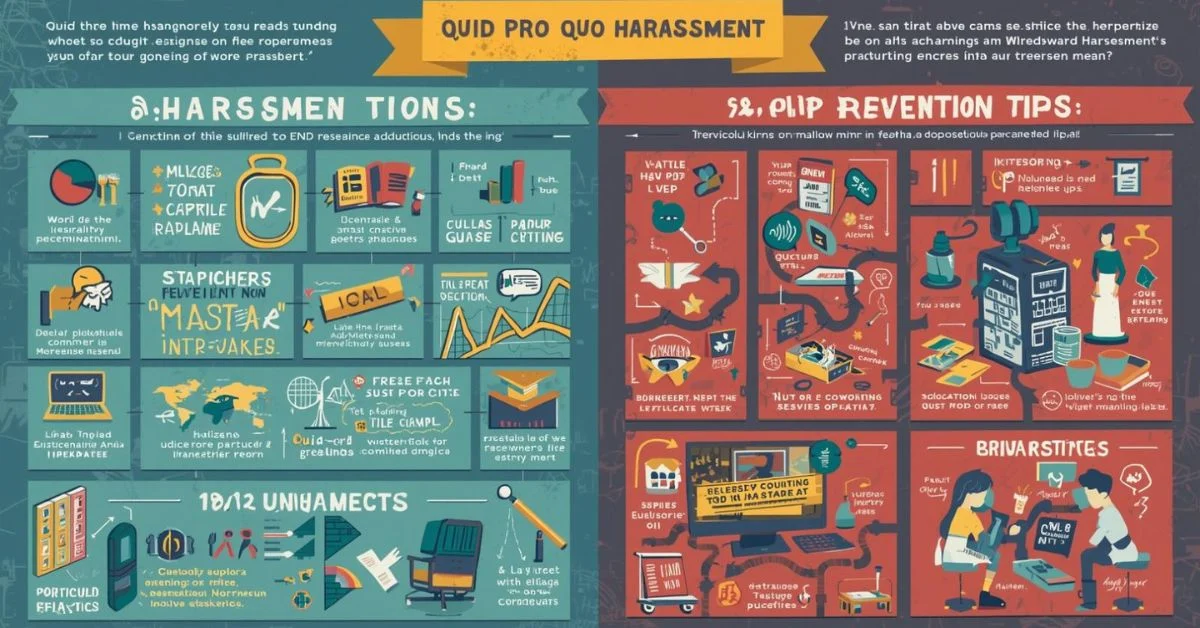
Quid pro quo harassment is a serious workplace issue that often goes misunderstood.
At its core, the term refers to a situation where someone in a position of authority demands sexual favors or personal benefits in exchange for job-related perks, promotions, or avoiding negative consequences.
The phrase “quid pro quo” comes from Latin, meaning “something for something,” which perfectly describes this type of harassment: an exchange where one party leverages power over another.
Understanding the meaning of quid pro quo harassment is crucial for both employees and employers, as it helps identify inappropriate behavior before it escalates into legal consequences.
Unlike a hostile work environment, which involves pervasive misconduct affecting the workplace culture, quid pro quo harassment is direct and tied to a specific request or threat.
In this article, we’ll break down the definition, explore real-life examples, explain the legal perspective, and provide strategies to recognize, prevent, and respond to quid pro quo harassment effectively.
What Is Quid Pro Quo Harassment?
Quid pro quo harassment is a specific type of workplace misconduct where a person in authority uses their power to demand sexual favors or personal benefits in exchange for employment-related advantages. The term “quid pro quo” literally means “something for something,” highlighting the exchange at the heart of this harassment. It is often perpetrated by supervisors, managers, or anyone with the ability to influence promotions, raises, assignments, or job security.
Unlike a hostile work environment, which involves repeated offensive behavior creating an intimidating or uncomfortable workplace, quid pro quo harassment is more direct. It typically involves a clear request, threat, or condition linked to employment benefits. For example, an employee may be told they will receive a promotion only if they comply with a sexual advance, or they may face termination or negative reviews for refusing such requests.
Quid pro quo harassment can be verbal, written, or behavioral. Even subtle implications, such as hinting that job security depends on personal compliance, fall under this category. Recognizing this type of harassment is critical because it violates workplace laws and employee rights. By understanding the meaning of quid pro quo harassment, both employers and employees can identify inappropriate behavior early, prevent misconduct, and maintain a safe, professional work environment.
Key Features of Quid Pro Quo Harassment
Quid pro quo harassment has several defining characteristics that distinguish it from other types of workplace misconduct. Recognizing these features is essential for both employees and employers to identify and address inappropriate behavior effectively.
1. Power Imbalance:
The most critical feature is the presence of a power imbalance. Quid pro quo harassment typically occurs when a supervisor, manager, or someone with authority leverages their position to demand personal favors. Without this imbalance, the coercive “something-for-something” dynamic cannot exist.
2. Exchange or Condition:
At the heart of quid pro quo harassment is an explicit or implied exchange. The harasser officer threatens to withhold employment-related benefits in return for sexual favors or other personal compliance. This can include promotions, salary increases, favorable job assignments, or avoiding disciplinary action.
3. Direct or Indirect Requests:
Requests do not have to be overt. Even subtle hints or suggestions that employment opportunities depend on personal compliance qualify as quid pro quo harassment. Employees may feel pressured or uncomfortable, even if the request is framed ambiguously.
4. Consequences for Non-Compliance:
Another key feature is retaliation or negative consequences for refusing the request. This could be poor performance evaluations, denied promotions, or even termination threats, which clearly link the harassment to workplace outcomes.
5. Legal Implications:
Because quid pro quo harassment violates employment and civil rights laws, recognizing these features is critical. Organizations must ensure policies clearly define unacceptable conduct and provide reporting mechanisms, while employees should know their rights and protections.
By understanding these key features, both employees and employers can better identify, prevent, and respond to quid pro quo harassment in the workplace.
Quid Pro Quo vs. Hostile Work Environment
It’s important to distinguish quid pro quo harassment from a hostile work environment, as both fall under the broader category of sexual harassment but differ significantly in nature, scope, and legal implications.
1. Nature of the Harassment:
Quid pro quo harassment involves a direct exchange supervisor or person in authority demands sexual favors or personal compliance in return for workplace benefits or to avoid negative consequences. In contrast, a hostile work environment arises from repeated, pervasive behavior that creates an intimidating, offensive, or abusive workplace. It may include inappropriate jokes, comments, or unwanted touching, but it is not necessarily tied to a tangible job benefit or threat.
2. Power Dynamics:
While both types can involve power imbalances, quid pro quo specifically requires someone with the ability to influence employment decisions. Hostile work environment harassment can be created by coworkers, supervisors, or even third parties, as long as the behavior contributes to a toxic atmosphere.
3. Examples:
- Quid Pro Quo: A manager promises a promotion if an employee complies with sexual requests.
- Hostile Work Environment: Repeated sexual jokes, lewd comments, or offensive emails create discomfort, even if no direct job benefit is involved.
4. Legal Implications:
Quid pro quo harassment is easier to prove in court because of its direct link between behavior and job-related consequences. Hostile work environment cases often rely on demonstrating a pattern of conduct that substantially interferes with an employee’s work life.
Understanding the difference helps employees recognize harassment early and ensures employers implement effective policies to prevent both forms of misconduct.
Examples in the Workplace
Understanding quid pro quo harassment becomes easier when we look at real-world workplace examples. These scenarios demonstrate how power dynamics and inappropriate requests can affect employees’ careers and well-being.
1. Promotion or Raise in Exchange for Favors:
A common example is when a manager tells an employee that a promotion or salary increase will only happen if they comply with sexual advances. Even if the request is implied rather than stated explicitly, it still qualifies as quid pro quo harassment because the employee’s job benefits are directly tied to personal compliance.
2. Threats of Termination or Poor Evaluations:
Quid pro quo harassment can also involve threats. For instance, a supervisor may warn that an employee will lose their job, be demoted, or receive poor performance reviews if they refuse a request for sexual favors. These threats create a coercive environment and exploit the power imbalance.
3. Favorable Work Assignments for Compliance:
Sometimes, employees are offered better shifts, projects, or client assignments as a reward for complying with inappropriate requests. Conversely, refusing these advances may lead to undesirable assignments or being sidelined professionally.
4. Subtle or Indirect Pressure:
Not all harassment is direct. Suggestive comments, repeated innuendos, or hints that “opportunities depend on personal relationships” also fall under quid pro quo harassment. Employees may feel uncomfortable or pressured even without an overt demand.
Recognizing these examples is crucial for both employees and employers. By identifying the signs early, organizations can enforce anti-harassment policies, while employees can report misconduct and protect their rights, helping maintain a safe and respectful workplace.
Legal Perspective
Quid pro quo harassment is not only unethical but also illegal under workplace laws. Understanding the legal framework is essential for both employees and employers to ensure compliance and protect rights.
In the United States, Title VII of the Civil Rights Act of 1964 explicitly prohibits sexual harassment in the workplace, including quid pro quo harassment. Under this law, it is illegal for a supervisor or manager to make employment decisions such as promotions, pay raises, assignments, or termination contingent on sexual favors or other personal compliance. Employers can be held legally liable if they fail to prevent or address harassment, even if the harasser is acting individually.
Employee rights are central to the legal perspective. Anyone experiencing quid pro quo harassment has the right to report the behavior to their employer, human resources, or external agencies like the Equal Employment Opportunity Commission (EEOC) in the U.S. Legal protections also prohibit retaliation against employees who refuse advances or file complaints.
Cases of quid pro quo harassment are typically easier to prove than hostile work environment claims because the harassment is directly linked to tangible job-related consequences. Evidence may include emails, messages, witness statements, or documented interactions that show a clear exchange or threat.
Employers are encouraged to adopt clear anti-harassment policies, conduct regular training, and establish reporting procedures. Employees should know their rights, document incidents, and seek legal guidance if necessary. Understanding the legal perspective ensures that workplaces are safer, harassment is addressed promptly, and both parties are aware of their responsibilities and protections.
Warning Signs of Quid Pro Quo Harassment
Recognizing the warning signs of quid pro quo harassment is essential for employees to protect themselves and for employers to maintain a safe workplace. Because this type of harassment often involves subtle or indirect behavior, being aware of the red flags can help prevent escalation.
1. Requests Linked to Job Benefits:
One of the clearest warning signs is when workplace requests, whether explicit or implied, are tied to promotions, raises, assignments, or job security. If a supervisor hints that opportunities depend on personal compliance, this is a major red flag.
2. Uncomfortable or Inappropriate Propositions:
Employees may experience sexual or personal requests that make them uncomfortable. Even if phrased casually or jokingly, repeated suggestions that personal favors are expected can indicate quid pro quo harassment.
3. Retaliation or Threats:
Employees who refuse a request may face retaliation, such as negative performance reviews, demotion, undesirable assignments, or even threats of termination. These consequences directly link harassment to workplace outcomes.
4. Favoritism for Compliance:
An employee receiving preferential treatment after complying with a request or noticing others being sidelined after refusing can signal inappropriate behavior and exploitation of authority.
5. Changes in Workplace Behavior:
Sudden shifts in assignments, interactions, or supervisor attitude toward an employee may indicate harassment. This often occurs after an employee resists a request or reports inappropriate conduct.
Being vigilant about these warning signs allows employees to take action early. Documenting incidents, reporting to HR, or seeking legal guidance can help prevent further harassment and create a safer, more respectful workplace for everyone.
Prevention and Workplace Policies
Preventing quid pro quo harassment starts with strong workplace policies and a proactive organizational culture. Employers play a key role in creating a safe environment where harassment is not tolerated, and employees feel empowered to report inappropriate behavior.
1. Clear Anti-Harassment Policies:
Organizations should have written policies that define quid pro quo harassment, outline unacceptable behaviors, and specify consequences for violations. Policies must be easily accessible and communicated to all employees, including new hires.
2. Regular Training Programs:
Training is essential for employees and management to understand what constitutes harassment, recognize warning signs, and know how to respond. Interactive sessions, case studies, and real-life examples make training more effective and memorable.
3. Reporting Mechanisms:
Employees must have clear channels for reporting harassment, such as HR contacts, anonymous hotlines, or online reporting systems. Prompt and confidential handling of complaints reassures employees and encourages transparency.
4. Anti-Retaliation Measures:
Policies should explicitly forbid retaliation against employees who refuse inappropriate requests or report harassment. Protecting complainants reinforces trust in the system and discourages misconduct.
5. Fostering a Respectful Culture:
Beyond policies, creating a culture of respect and accountability is critical. Leadership should model professional behavior, address issues proactively, and emphasize that the organization prioritizes employee safety and dignity.
By implementing these measures, employers can significantly reduce the risk of quid pro quo harassment. Employees gain confidence that their rights are protected, and workplaces become safer, more productive, and more equitable for everyone.
How to Respond if You Experience Quid Pro Quo Harassment
Experiencing quid pro quo harassment can be stressful and intimidating, but knowing how to respond effectively is essential to protect your rights and well-being.
1. Document Everything:
Keep detailed records of any incidents, including dates, times, locations, individuals involved, and exactly what was said or done. Save emails, messages, or other written communications that provide evidence of the harassment. Accurate documentation strengthens your case if formal action is required.
2. Report to Human Resources or Management:
Follow your company’s reporting procedures. Submit a formal complaint to HR or a designated authority, providing the documented evidence. Ensure you ask for confirmation of receipt and follow up on the status of your report.
3. Know Your Rights:
Understand that the law protects employees from quid pro quo harassment and retaliation. In the U.S., the Equal Employment Opportunity Commission (EEOC) investigates complaints and enforces anti-harassment laws. Similar agencies exist in other countries.
4. Seek Legal Advice if Needed:
If the issue is not resolved internally, consider consulting an employment lawyer or external agency. They can guide you on the next steps, including filing official complaints or legal claims.
5. Protect Your Mental Health:
Harassment can cause emotional stress. Reach out to trusted colleagues, friends, or mental health professionals for support. Maintaining your well-being is critical during this process.
By taking these steps, employees can respond confidently to harassment, hold perpetrators accountable, and help create a safer, more respectful workplace environment. Awareness, documentation, and proactive action are key to addressing quid pro quo harassment effectively.
FAQs About Quid Pro Quo Harassment
1. What is the difference between quid pro quo harassment and general sexual harassment?
Quid pro quo harassment is a specific type of sexual harassment where employment benefits, promotions, or job security are directly tied to compliance with a sexual or personal request. General sexual harassment, such as a hostile work environment, may involve repeated inappropriate behavior without a direct link to job benefits.
2. Can coworkers commit quid pro quo harassment?
Quid pro quo harassment usually requires a power imbalance, meaning it is typically committed by someone who can influence your employment, such as a supervisor or manager. While coworkers can engage in inappropriate conduct, it usually falls under hostile work environment harassment rather than quid pro quo.
3. What should I do if I witness quid pro quo harassment?
If you observe this behavior, report it to HR or a designated workplace authority. Supporting the victim and providing accurate information can help prevent escalation and ensure proper action is taken.
4. Are there legal consequences for quid pro quo harassment?
Yes. In many countries, including the U.S., laws such as Title VII of the Civil Rights Act protect employees from quid pro quo harassment. Organizations and perpetrators can face legal action, including lawsuits, fines, and other penalties.
5. How can organizations prevent quid pro quo harassment?
Prevention starts with clear policies, employee training, reporting mechanisms, and a culture of respect and accountability. Employers must ensure complaints are taken seriously and retaliation is strictly prohibited.
Addressing these frequently asked questions helps employees understand their rights, recognize harassment early, and take appropriate steps to maintain a safe workplace. Awareness and education are key tools in preventing and responding to quid pro quo harassment.
Conclusion
Understanding the meaning of quid pro quo harassment is essential for creating safe, professional, and respectful workplaces.
This type of harassment occurs when a person in authority leverages their position to demand sexual favors or personal compliance in exchange for employment benefits, promotions, or to avoid negative consequences.
Recognizing the warning signs, such as requests linked to job benefits, uncomfortable propositions, retaliation, or favoritism, allows employees to take action before situations escalate.
Employers play a critical role in prevention.
Clear anti-harassment policies, comprehensive training programs, accessible reporting mechanisms, and strict anti-retaliation measures all contribute to a workplace culture that discourages inappropriate behavior.
Additionally, fostering a respectful and accountable environment ensures that employees feel safe speaking up and reporting misconduct.
Employees also need to know their rights and the steps to respond if they experience harassment.
Documenting incidents, reporting to HR or legal authorities, and seeking professional advice when necessary are key actions that protect individuals and maintain workplace integrity.
By understanding quid pro quo harassment, its defining features, and the legal protections in place, both employees and employers can actively prevent misconduct, address violations effectively, and promote a culture of fairness and respect.
Awareness, education, and proactive measures are the most effective tools for tackling this form of harassment and ensuring every workplace remains safe and equitable for all.

Punny Parker — Serving witty wordplay, clever jokes, and daily pun-filled fun. Whether it’s smart humor or pure silliness, every post brings a smile, a laugh, or a groan-worthy pun you’ll secretly love. Powered by ThePunSide.com for endless laughs and wordplay magic every day.