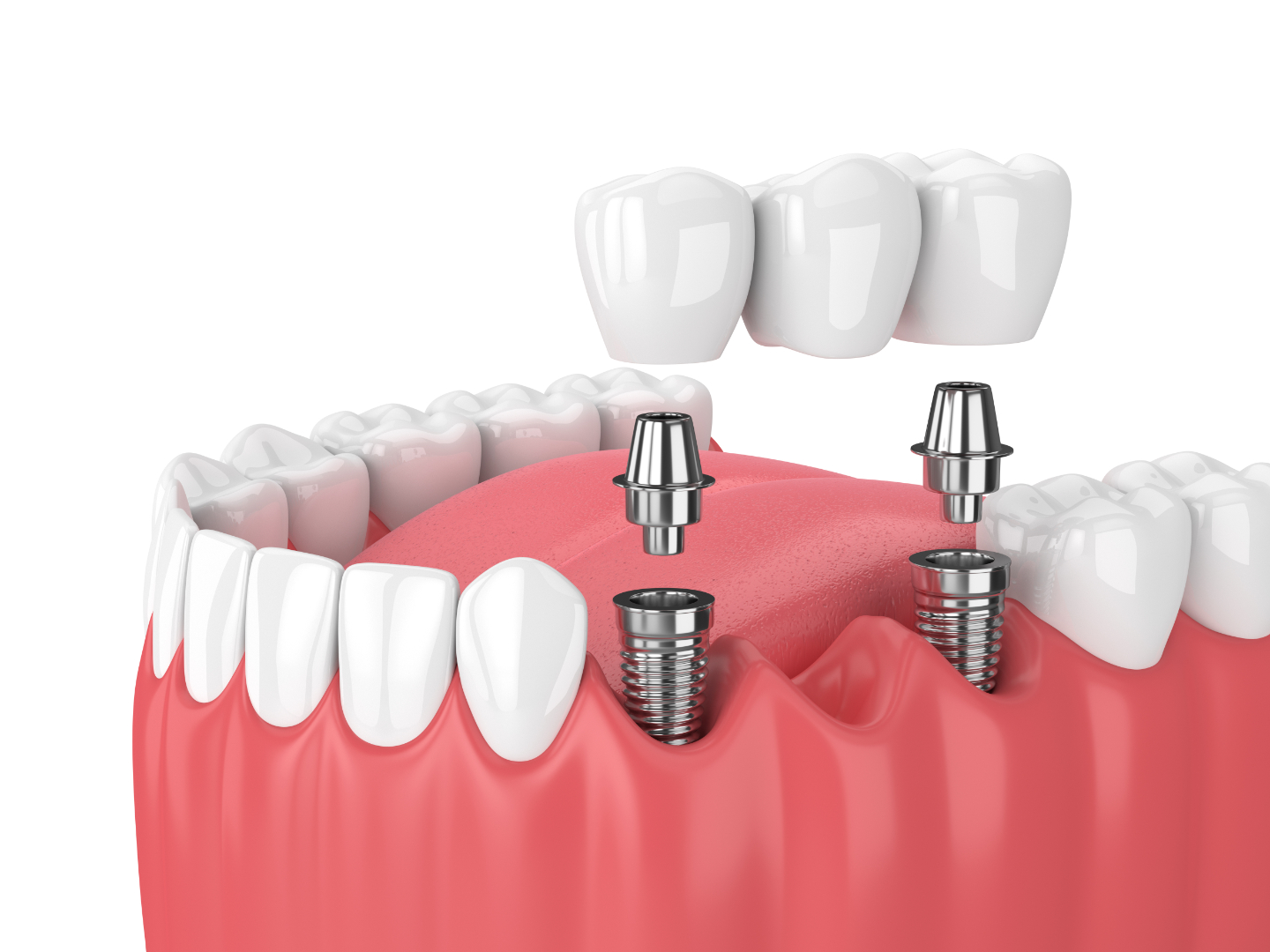
Dental implants have become one of the most widely chosen solutions for replacing missing teeth, and the reasons behind that popularity are worth understanding. They are designed to function much like natural teeth, offering a level of stability and durability that many other tooth replacement options simply cannot match. When one or more teeth are missing, the effects on daily life can be far more significant than most people initially anticipate. Speech, eating habits, and self-confidence are among the areas most commonly disrupted by tooth loss. Knowing how dental implants address these concerns can help you make a more informed decision about your oral health.
How Missing Teeth Affect Everyday Function
Before exploring the benefits of dental implants, it helps to understand exactly how tooth loss disrupts daily function. Missing teeth can throw off the way your tongue, lips, and remaining teeth work together to produce clear, accurate sounds. Eating becomes considerably more difficult when you lack the biting and chewing surfaces needed to break down food properly. Over time, bone loss in the jaw can alter the shape of your face, which may lead to additional functional and aesthetic concerns. These combined effects often shape how comfortable you feel in both social and professional settings.
The Impact of Dental Implants on Speech
One of the more immediate functional benefits of dental implants is their positive effect on speech clarity. Missing teeth, particularly toward the front of the mouth, can cause you to slur certain words or produce sounds like “s,” “f,” and “th” inaccurately. Unlike removable dentures, which can shift or slip during conversation, dental implants are anchored directly into the jawbone, providing a stable foundation that does not interfere with tongue placement or airflow. That stability allows you to speak with greater accuracy and ease. With time and adjustment after receiving implants, most people find that their speech settles back into a natural, comfortable pattern.
Restored Chewing Ability and Nutritional Benefits
Chewing is one of the most fundamental functions your teeth perform, and dental implants are engineered to restore that ability as closely as possible to what natural teeth provide. When teeth are missing or dentures fit poorly, you may begin avoiding certain foods, particularly those that are hard, crunchy, or require sustained chewing effort. That kind of dietary restriction can have real consequences for your overall nutrition and health, since many nutrient-dense foods demand adequate chewing force to consume comfortably. Patients who have sought out All on 4 dental implants in yuba city CA can regain the ability to bite and chew with considerably more force than removable alternatives allow, as implants are embedded in the jawbone and topped with a crown that closely mimics the look and function of a real tooth. Restoring the ability to eat a varied and balanced diet stands out as one of the most meaningful functional improvements that implants can offer.
Bone Preservation and Long-Term Oral Health
A benefit of dental implants that tends to go overlooked is their role in preserving jawbone density over time. When a tooth is lost, the surrounding jawbone begins to deteriorate due to a lack of stimulation from chewing forces. Dental implants replicate the function of a natural tooth root, transmitting those chewing forces directly to the bone and encouraging it to maintain its density and structure. This preservation of bone helps support the natural contours of your face, preventing the hollowed appearance that can gradually develop with prolonged tooth loss. Keeping the bone healthy also contributes to the long-term stability of neighboring teeth and the overall integrity of your oral health.
Confidence and Quality of Life
Beyond the physical dimensions of speech and chewing, dental implants can have a meaningful influence on how you carry yourself through everyday life. Many people dealing with significant tooth loss report feeling self-conscious about smiling, laughing, or speaking in public settings. That hesitation can affect personal relationships, professional interactions, and your broader sense of well-being in ways that are easy to underestimate. Because dental implants look and feel like natural teeth, they allow you to engage in social situations without worrying about the appearance of your smile or the reliability of your restoration. The psychological benefit of feeling genuinely comfortable in your own mouth is a dimension of dental implant therapy that deserves just as much consideration as the clinical advantages.
Conclusion
Dental implants offer a comprehensive approach to addressing the overlapping concerns that come with tooth loss, from speech and chewing to bone health and personal confidence. If you are weighing tooth replacement options, speaking with a qualified dental professional can help clarify whether implants are appropriate for your specific needs and oral health situation. The American Academy of Implant Dentistry recommends consulting with an experienced provider to determine which implant approach best aligns with your goals. Taking that first step toward restoring your smile can have a lasting and meaningful impact on your overall quality of life.