If you’ve been scrolling through texts, TikTok captions, or Instagram comments lately, you might have come across the mysterious acronym “IGH.”
At first glance, it can leave you scratching your head what does it mean, and when should you use it? Don’t worry, you’re not alone.
IGH is one of those modern texting slang terms that pop up in casual conversations, social media posts, and even memes.
Understanding it can save you from awkward misinterpretations and make your chats feel way more fluent in internet language.
In this article, we’ll break down exactly what IGH means, how it’s used in texting and online platforms, and even explore some related acronyms like SMH and IDK.
We’ll also provide examples, usage tips, and answers to common questions so you can confidently decode IGH in any context. By the end, you’ll know this slang inside and out!
What Does IGH Mean? (Definition)
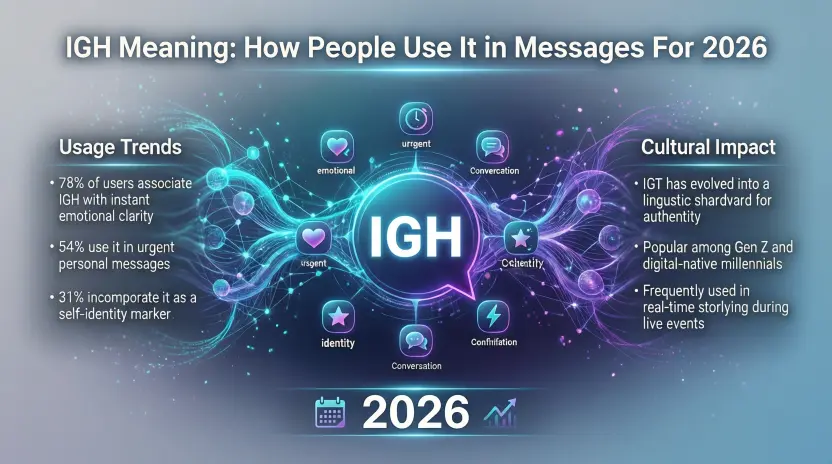
The acronym IGH is a shorthand term commonly used in texting, social media, and online chats. Its meaning can vary slightly depending on context, but it is generally used to express a sense of frustration, resignation, or emphasis. In many cases, IGH is considered an informal way of saying “I guess huh” or simply a variation of a sigh, similar to expressing “ugh” or “sigh” in text.
IGH is part of a growing list of internet acronyms and texting slang that help people communicate emotions quickly without typing full sentences. While it’s not yet as widely recognized as acronyms like SMH (shaking my head) or IDK (I don’t know), IGH is gaining popularity, especially among younger audiences on platforms like TikTok, Instagram, and Discord.
It’s important to note that IGH isn’t a formal word it’s casual and best suited for informal digital conversations. Using it in professional emails or formal messages might confuse the recipient. On social media or messaging apps, however, it can add personality, humor, or emphasis to your posts or replies.
In short, IGH is a simple, expressive way to communicate feelings like mild annoyance, disappointment, or agreement with a hint of exasperation. Understanding its meaning allows you to both interpret messages correctly and participate naturally in modern digital conversations.
What Does “IGH” Mean in Text?
what igh mean in text
In text messages, social media, and online chats, “IGH” is a slang expression used to show resignation, mild frustration, reluctance, or acceptance of something unpleasant. It’s similar in tone to saying “ugh,” “I guess,” or “fine, whatever.” The meaning of “IGH” depends heavily on context and tone, but it usually suggests that the person isn’t fully happy with the situation yet is going along with it anyway.
People often use “IGH” when they feel annoyed, tired, or emotionally drained. For example, if someone says, “We have another meeting tonight,” the reply “IGH” implies reluctance or lack of enthusiasm. It’s a short, casual way to express emotions without explaining them in detail.
“IGH” is commonly used in informal digital communication, such as texting, Snapchat, Instagram DMs, TikTok comments, or casual group chats. It’s not typically used in professional conversations, emails, or formal writing.
In some cases, “IGH” can also signal acceptance after hesitation, similar to saying “I’ll do it, but I’m not thrilled.” The word itself doesn’t carry aggression; instead, it reflects emotional fatigue or passive agreement.
Because slang meanings can change quickly and vary by region or age group, it’s always best to read “IGH” within the surrounding conversation. Overall, when someone uses “IGH” in text, they’re usually expressing low-energy agreement, annoyance, or reluctant acceptance rather than excitement or positivity.
What Does “Igh” Mean in Slang?
In slang and online conversations, “igh” is an informal expression often used to convey dismissal, hesitation, mild agreement, or emotional reaction, depending on the context. It doesn’t have a fixed dictionary meaning, which is why its interpretation can change based on tone, situation, and how it’s used in a sentence.
Most commonly, “igh” is used as a reaction word similar to expressions like “ugh,” “eh,” or “meh.” For example, someone might respond with “igh” to show reluctance, boredom, or uncertainty about something. In this sense, it can imply “I’m not impressed,” “I’m unsure,” or “I don’t really care.”
In some online spaces, especially on social media or in texting, “igh” can also signal casual acceptance or low-energy agreement. For instance, replying “igh, okay” may suggest the person agrees but isn’t enthusiastic. The word can also express emotional exhaustion or frustration, especially when someone doesn’t want to fully explain how they feel.
It’s important to note that slang meanings evolve quickly, and “igh” may carry slightly different tones depending on cultural background, platform, or generation. Unlike formal language, slang relies heavily on context, punctuation, and even emojis to clarify intent.
Overall, “igh” is best understood as a flexible, expressive sound rather than a precise word. Its meaning becomes clear when you look at the surrounding conversation, the speaker’s mood, and how casually it’s being used.
What Does “IGH” Mean on Snapchat
On Snapchat and other social media platforms, “IGH” is a slang expression commonly used in casual conversations. It doesn’t have one fixed dictionary definition, but its meaning depends heavily on context and tone. Most often, “IGH” is used as a short, informal way to express agreement, acceptance, or a reluctant yes. Think of it as a toned-down version of “okay,” “fine,” or “alright.”
For example, if someone says, “We’re going out at 7,” and the reply is “igh,” it usually means “okay, I agree,” sometimes with a hint of indifference or mild hesitation. In this sense, “IGH” can carry a slightly lazy or unenthusiastic tone, which fits Snapchat’s fast, casual messaging style.
“IGH” can also be used to show resignation or mild annoyance. When someone isn’t fully happy about a situation but accepts it anyway, they might reply with “igh” to signal that feeling. In rare cases, it can also be an expression of frustration, similar to a sigh typed out in text form.
Because Snapchat messages are short and informal, users often rely on slang like “IGH” to quickly convey emotion without typing full sentences. Emojis, punctuation, and previous messages usually help clarify the intended meaning.
In short, “IGH” on Snapchat usually means agreement, acceptance, or reluctant approval, but the exact meaning depends on the conversation and the relationship between the people chatting.
IGH in Texting and Social Media
One of the main places you’ll encounter IGH is in texting and on social media platforms. People often use it in casual conversations, Instagram captions, TikTok comments, or Twitter threads to quickly express emotions without typing out a full sentence. For example, if someone is frustrated about plans falling through, they might simply reply:
“IGH… guess we’ll have to reschedule.”
In this context, IGH conveys mild frustration or resignation, similar to a sigh. It’s a quick and easy way to communicate feelings that might otherwise require several words.
IGH is also popular in relatable meme culture, where people share short snippets of life that are annoying, ironic, or disappointing. In TikTok captions, you might see a video about Monday mornings titled:
“IGH… not ready for this week.”
Here, IGH immediately sets the tone without lengthy explanation, making it perfect for fast-scrolling social media users.
It’s important to understand that IGH is informal. Using it in a professional email or with people unfamiliar with modern slang can lead to confusion. However, in chat apps, text messages, or comment sections, it’s a versatile expression that can convey emotions like frustration, disappointment, or reluctant agreement.
Knowing how IGH is used in these digital spaces will help you read messages more accurately and even join in on trending social media conversations naturally.
IGH vs Similar Acronyms
While IGH has its own unique meaning, it’s helpful to compare it with other popular texting acronyms to avoid confusion. In online conversations, IGH often appears alongside or gets confused with terms like SMH, IDK, and Ugh, each carrying slightly different emotions.
- SMH (Shaking My Head): This acronym expresses disbelief, disappointment, or mild frustration. While IGH can convey frustration too, it’s usually more resigned or reflective, like sighing rather than shaking your head. For example:
“IGH… I forgot my homework again.” vs “SMH… you forgot your homework again.” - IDK (I Don’t Know): IDK shows uncertainty or lack of knowledge, whereas IGH communicates acceptance of an annoying or unfortunate situation, even if you understand what’s happening.
- Ugh or Sigh: Unlike acronyms, these are full words, but IGH often serves the same purpose in digital shorthand, letting people express frustration, disappointment, or annoyance without typing a long response.
Understanding these subtle differences is key for using IGH naturally. While SMH shows judgment, and IDK shows uncertainty, IGH reflects a more personal, emotional response to circumstances. This makes it versatile for casual texting, social media comments, and meme captions, allowing users to convey feelings efficiently.
By knowing how IGH compares to these similar acronyms, you can avoid miscommunication and select the right expression for your message. Whether you’re texting friends or commenting online, using IGH correctly helps you blend seamlessly into modern digital conversations.
Origin of IGH
Understanding the origin of IGH can give more context to how and why it’s used today. Unlike some acronyms with well-documented histories, IGH is relatively new and informal, emerging from the fast-evolving world of digital communication and internet culture. Its exact origin is hard to trace, but it appears to have developed as a shortened expression of exasperation or resignation in texting and social media posts.
Some linguists and online slang dictionaries suggest that IGH likely started as a variation of a sigh or “ugh”, used by younger generations on platforms like TikTok, Instagram, Snapchat, and Discord. By condensing the expression into three letters, users can communicate emotion quickly and efficiently, which is perfect for fast-paced online conversations where brevity is key.
IGH also reflects a trend in internet language where people create acronyms that are context-dependent, meaning the same letters can convey slightly different emotions depending on the tone or platform. For instance, IGH can mean “I guess huh” in some chats, while in meme captions, it’s closer to a frustrated or weary sigh.
This evolution shows how digital slang adapts to cultural trends. As more people use IGH online, its usage spreads rapidly, and subtle variations may emerge. Knowing its origin helps users interpret messages accurately, understand generational slang, and participate naturally in online conversations without missing the emotional nuance that IGH conveys.
How to Use IGH Correctly
Using IGH correctly in digital conversations can help you express emotions clearly and avoid misunderstandings. Since IGH is informal, it’s best suited for texting, social media comments, group chats, and memes rather than professional or formal communication.
To use IGH naturally, consider the following tips:
- Match the tone: IGH works well when expressing mild frustration, disappointment, or resigned agreement. For example:
“IGH… another Monday already.”
Here, IGH communicates a relatable sigh or groan. - Keep it casual: Avoid using IGH in emails, formal messages, or with people who might not understand internet slang. It’s meant for friends, peers, or social media audiences familiar with texting shorthand.
- Combine with context: IGH often works best when paired with a sentence or emoji to give more meaning. For instance:
“IGH 😩 my phone died again.”
This combination adds emotion and ensures the reader interprets it correctly. - Observe trends: Since IGH is slang, its usage can evolve quickly, especially on platforms like TikTok or Instagram. Pay attention to how others use it to stay current and authentic.
- Avoid overuse: Like any slang, too many IGHs in one conversation can feel repetitive or forced. Use it sparingly for emphasis to keep it meaningful.
By following these tips, you can use IGH effectively to communicate emotions concisely, connect with younger audiences, and fit naturally into modern digital conversations.
Misunderstandings Around IGH
Despite its growing popularity, IGH can sometimes cause confusion, especially for people who are not familiar with texting slang or internet culture. Misunderstandings usually arise from context, tone, and generational differences.
One common mistake is misinterpreting IGH as a negative or aggressive response. While acronyms like SMH or UGH can imply judgment or irritation, IGH is often more neutral, expressing mild frustration, resignation, or a sigh-like reaction. For example, someone texting:
“IGH… I missed the bus again”
is simply sharing their disappointment, not blaming anyone.
Another source of confusion is its similarity to other acronyms. IGH can be mistaken for SMH, IDK, or even random letter combinations, leading to miscommunication. This is particularly common among older generations or users who don’t regularly engage with social media slang.
Context plays a crucial role. Without surrounding words or emojis, IGH may seem ambiguous. For instance, a standalone IGH in a message might leave the recipient wondering if it means “I guess huh” or an exasperated sigh.
Finally, regional and cultural differences may affect interpretation. Some online communities use IGH more casually, while others reserve it for sarcastic or humorous tones.
Understanding these nuances helps you read messages accurately and avoid misunderstandings. By considering context, tone, and platform, you can use IGH confidently and participate in digital conversations naturally, without creating confusion for others.
IGH in Other Contexts
While IGH is most commonly used as texting slang, it can also appear in other contexts, particularly in English language discussions and written text. Understanding these alternate uses ensures you don’t misinterpret the acronym when it’s outside of casual digital communication.
One of the most noticeable non-slang contexts is in English spelling and phonics. The letters “igh” often appear in words like high, light, night, and bright, where they represent a long “i” sound. In this case, IGH has nothing to do with texting it’s simply a letter combination in standard English vocabulary. For example:
- “The night sky was clear.”
- “She climbed to the high peak.”
Additionally, IGH may occasionally appear in scientific, medical, or technical abbreviations, though these uses are much rarer and context-specific. For instance, it could be part of a chemical code or shorthand in professional documents, but it’s unlikely to appear in everyday conversation.
The key takeaway is that context matters. If you encounter IGH in a social media comment or text, it’s likely slang. If you see it in an English lesson, spelling guide, or technical paper, it probably refers to the letter combination or abbreviation rather than expressing frustration or resignation.
Recognizing these different contexts prevents confusion and helps you adapt your understanding of IGH based on the situation. Knowing when it’s slang and when it’s literal ensures you can read and use it accurately in both digital and traditional contexts.
Related Terms and Slang
IGH is just one of many acronyms and slang terms that have become popular in texting and on social media. Knowing related terms can help you understand conversations more fully and communicate naturally in digital spaces.
One commonly seen acronym is SMH, which stands for “shaking my head.” Unlike IGH, which expresses mild frustration or resignation, SMH often shows disbelief or judgment. For example:
“SMH… you forgot your homework again.”
Another related term is IDK (“I don’t know”), which signals uncertainty or lack of knowledge. While IDK communicates confusion or indecision, IGH conveys more of a resigned or emotional response to a situation.
Other slang terms that often appear in the same digital conversations as IGH include:
- UGH – expresses annoyance or frustration.
- LOL – laughs out loud, often used to lighten the tone.
- FML – “F** my life”*, for expressing extreme frustration.
- BRB – “be right back”, showing quick shorthand for communication.
By learning these related acronyms, you can better interpret the tone and emotion behind online messages. For instance, pairing IGH with an emoji or other acronym can enhance clarity:
“IGH 😩 I missed the bus again”
Here, the combination of IGH and the emoji reinforces a feeling of mild exasperation.
Understanding IGH in relation to other slang makes your online communication smoother and more relatable, especially in fast-paced social media or group chat settings. It also helps you blend in naturally with younger generations or social media communities.
FAQs
If you’re still unsure about IGH, you’re not alone many people have questions about this texting slang. Here are some of the most common FAQs, explained clearly.
1. What does IGH stand for?
IGH is an informal acronym used in texting and online chats, often meaning “I guess huh” or expressing a sigh, mild frustration, or resignation. The exact meaning can depend on the context and tone of the conversation.
2. Is IGH positive or negative?
IGH is generally neutral, leaning slightly negative in tone because it often conveys mild disappointment or exasperation. It’s not meant to be harsh or judgmental like SMH.
3. Can IGH be used in professional messages?
No, IGH is considered informal slang and is best reserved for texting friends, social media posts, or casual online chats.
Using it in professional emails or official documents may confuse recipients.
4. Where is IGH commonly used?
IGH is most commonly seen on platforms like TikTok, Instagram, Discord, and Twitter, as well as in personal text messages. It’s part of modern internet slang culture.
5. How do I know if someone means IGH positively or negatively?
Look at context, surrounding words, and emojis. For example:
“IGH 😩 I forgot my homework” → expresses mild frustration.
“IGH… that was funny 😂” → could be playful or ironic.
These FAQs help clarify IGH for both new users and those encountering it online. Understanding these points ensures you can read, interpret, and use IGH confidently in modern digital communication.
Conclusion
In today’s fast-paced digital world, acronyms like IGH have become a key part of online communication.
Whether you’ve seen it in a text, TikTok caption, or Instagram comment, understanding IGH can help you decode the emotion and intention behind messages.
While the exact meaning may vary depending on context, IGH generally conveys mild frustration, resignation, or a sigh-like reaction.
It’s a quick, informal way to express feelings without typing a long sentence, making it perfect for texting and social media.
Throughout this article, we’ve explored IGH in depth: its definition, origins, usage in social media, and how it compares to similar acronyms like SMH and IDK.
We also looked at related terms, common misunderstandings, and even other contexts where the letters “IGH” appear, such as in English spelling.
By learning these nuances, you can use IGH appropriately, read messages more accurately, and avoid miscommunication in online conversations.
Remember, IGH is informal and context-dependent, so it’s best used with friends, peers, or social media audiences familiar with modern slang.
Pairing it with emojis or short phrases can enhance clarity and emotional tone.
By mastering IGH and related acronyms, you’ll not only blend seamlessly into internet culture but also communicate your feelings more effectively in today’s fast-moving digital world.
So next time you see IGH in a text, you’ll know exactly what it means and how to respond!

Owen Carter — Creating moments that inspire, entertain, and connect. From creative ideas to daily insights, this page brings personality, passion, and authenticity in every post. Powered by ThePunSide.com for even more creativity, humor, and good vibes every day.