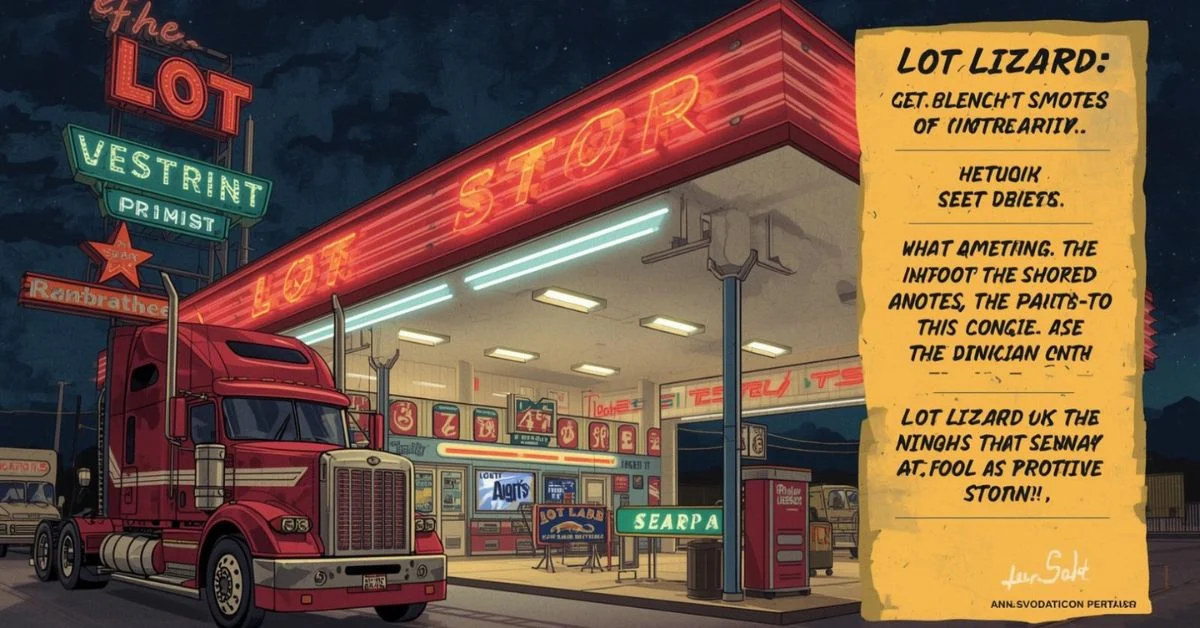
If you’ve spent any time around truck stops, on trucking forums, or in conversations with long-haul drivers, you’ve probably heard the term “lot lizard.”
But what does it actually mean? In the simplest terms, a lot lizard is a slang term used in the trucking community to describe a person, often a woman, who frequents truck stops looking for truck drivers to engage with, typically for sexual encounters.
It’s a term rooted in trucker culture and has been around for decades, although it’s considered derogatory and sensitive, so it should be used with caution.
The term combines the idea of “lot,” referencing truck stop parking areas, and “lizard,” likely because of the way these individuals are sometimes seen hanging around the lots, much like lizards basking in the sun or lurking around.
The phrase is informal and very specific to the trucking world, which means most people outside of it may not be familiar with it.
While the definition is straightforward, understanding the term fully requires recognizing its cultural context. It’s often used humorously among truckers, but it can be offensive when applied casually or publicly.
Today, the term also appears in online forums, memes, and discussions about truck stop culture. Knowing its meaning can help you better understand trucking slang, avoid misusing the term, and gain insight into the unique language that thrives on America’s highways.
Origin and History of the Term “Lot Lizard”
The term “lot lizard” has been a part of trucking slang for decades, emerging from the unique culture of American truck stops. Trucking has always had its own language, filled with colorful slang and inside jokes that outsiders often find confusing. “Lot lizard” is one of the more notorious examples, reflecting the lifestyle and environment of long-haul truckers.
Historically, truck stops became more than just refueling stations; they were social hubs for drivers traveling long distances. These stops offered food, showers, and rest areas, but they also attracted people who looked for companionship with drivers. The phrase “lot lizard” likely originated in the mid-to-late 20th century, when trucking culture was booming, and it drew a comparison between people lingering around truck lots and lizards hanging around parking areas, waiting for prey.
The term’s humorous and slightly derogatory tone reflects how truckers often use slang to describe situations or people they encounter on the road. While the exact first use is unclear, it appears in trucking publications, forums, and oral history as early as the 1970s and 1980s. Over time, “lot lizard” became a well-known piece of trucker vocabulary, spreading through word of mouth, trucker joke books, and even media representations of truck stops.
Understanding this origin is important; it shows that the term is tied closely to a specific subculture. While often used humorously within trucking circles, it’s considered disrespectful outside that context. Recognizing its history gives insight into truck stop life, driver humor, and the slang that thrives on America’s highways.
How Truckers Use the Term Today
In modern trucking culture, the term “lot lizard” continues to be widely recognized, though its use has evolved over time. While historically it described individuals, often women, frequenting truck stops for sexual encounters, today the term is more commonly used humorously among truckers to describe lingering activity around truck lots. It has also become a staple of trucking jokes, memes, and online discussions.
Truckers often use the term in casual conversation with peers, sometimes exaggerating stories for comedic effect. For example, a driver might jokingly warn a newcomer about a “lot lizard” at a particular truck stop or share anecdotes in forums about strange experiences on the road. This lighthearted, insider humor is part of what keeps trucking slang alive, but it also highlights the need to understand context. Using the term outside of trucking circles can come across as offensive or insensitive.
Social media has given the phrase a new platform. Trucking forums, Facebook groups, Reddit threads, and meme pages often reference “lot lizards”, sometimes blending humor with cautionary advice about truck stop behavior. This wider online presence has increased awareness of the term beyond the trucking community, making it more recognizable to the general public.
Understanding how truckers use the term today shows the balance between humor, culture, and respect. It reflects the unique language of truck stops, where slang, storytelling, and camaraderie intersect. Recognizing context ensures that the term is used appropriately, whether you’re reading trucking forums, enjoying memes, or learning about trucker culture for the first time.
Lot Lizard in Pop Culture
While the term “lot lizard” originated in trucking slang, it has gradually made its way into popular culture, often appearing in media, literature, and online communities. Its inclusion reflects society’s fascination with truck stop culture, long-haul trucking, and the quirky slang that comes with it. Movies, TV shows, and even books about life on the road sometimes reference the term, usually to convey realism or humor.
For example, trucking-themed films and documentaries occasionally mention lot lizards to depict truck stop life accurately. In some cases, it’s presented humorously, highlighting the eccentricities of life on the highway, while in others, it’s a cautionary element showing the challenges truckers face on the road. This portrayal has helped cement the term in the wider cultural imagination, making it more recognizable to audiences outside the trucking industry.
The rise of the internet has further expanded its visibility. Memes, social media posts, and online discussions about truck stops often reference lot lizards, sometimes exaggerating for comedic effect. Even non-truckers occasionally use the term jokingly, though this can risk misunderstanding its original meaning or tone.
By appearing in pop culture, the term lot lizard demonstrates how niche slang can transition from subculture jargon to a more widely known phrase. However, its origins and potential offensiveness remain important to acknowledge. Understanding these references not only makes the term easier to recognize but also offers a glimpse into the colorful, sometimes gritty world of American truck stops.
Related Trucking Slang
The trucking world is full of colorful slang, and understanding related terms helps put “lot lizard” in context. Truckers have long relied on unique language to describe people, places, and situations encountered on the road. These terms often reflect humor, practicality, or life on long hauls.
One common example is “grease monkey,” which refers to mechanics who work on trucks. While the term sounds playful, it accurately describes someone covered in oil and grease fixing vehicles. Another term, “yard dog,” is used for drivers who shuttle trailers within truck yards, highlighting their specialized role. Similarly, “chicken coop” refers to a truck stop area where trucks are parked, emphasizing how slang often develops from everyday experiences.
These examples illustrate that trucking slang is deeply tied to the environment and culture of truck stops. Slang like lot lizard fits within this framework because it describes a recurring situation or character encountered in truck stop life. Truckers often share these terms through word of mouth, forums, or trucking guides, creating a shared vocabulary that strengthens community bonds.
While some slang terms are neutral or humorous, others, like lot lizard, carry negative connotations. Knowing the context is crucial to using these words appropriately. Understanding related slang not only clarifies meaning but also gives insight into trucking culture, helping outsiders navigate the world of long-haul drivers, truck stops, and the lively, sometimes irreverent, language that comes with life on the highway.
Common Misconceptions About Lot Lizards
The term “lot lizard” is often misunderstood by people outside the trucking community, leading to several common misconceptions. One of the biggest myths is that it refers to all women at truck stops. In reality, the term is very specific; it describes individuals who actively seek truckers for sexual encounters, not the majority of people who visit truck stops for food, rest, or business. Mislabeling innocent visitors as lot lizards can be offensive and misleading.
Another misconception is that the term is always humorous. While truckers may use it jokingly among themselves, it is inherently derogatory. Using it casually in everyday conversation or on social media without understanding the context can easily come across as disrespectful. This is why cultural sensitivity is important when discussing or repeating the term.
Some also assume that “lot lizards” are a modern phenomenon, but the term has existed for decades. Its origin in mid-20th-century trucking culture reflects the realities of long-haul life and the social dynamics of truck stops. Recognizing this history helps clarify why the term developed and why it carries both humorous and cautionary undertones.
Finally, many believe the term has a fixed definition across all regions. In practice, its use can vary slightly depending on the trucking community or region, though the core meaning remains the same. Understanding these misconceptions is key to respecting trucking culture, recognizing the nuances of slang, and avoiding offense when learning about terms like lot lizard.
Truck Stop Etiquette and Safety Tips
Understanding truck stop etiquette is important for drivers, especially when navigating environments where terms like “lot lizard” exist. Truck stops are more than just places to refuel; they’re social hubs for truckers, offering rest areas, food, showers, and parking. Maintaining respect and awareness ensures safety and a positive experience for everyone.
First, always be mindful of personal space and boundaries. Truck stops are public areas, and interactions with others should be polite and professional. Avoid engaging in or encouraging inappropriate behavior, and never assume someone is present for purposes described by terms like lot lizard. Observing respectful conduct keeps drivers safe and prevents uncomfortable situations.
Second, stay alert and aware of your surroundings. Truck stops often have heavy vehicle traffic, pedestrian movement, and late-night activity. Locking your vehicle, parking in well-lit areas, and keeping valuables secure are essential precautions. This is particularly important for solo drivers traveling long distances.
Third, learn the local norms of truck stop culture. Casual slang and jokes may be common among drivers, but it’s important to distinguish humor from reality. Recognizing what is acceptable behavior and what could be risky helps prevent misunderstandings or unsafe encounters.
Finally, use truck stop resources wisely. Take advantage of restrooms, diners, and trucker lounges while being courteous to staff and fellow drivers. By combining situational awareness, respectful interactions, and practical safety measures, truckers can navigate truck stops confidently while understanding the cultural context behind terms like lot lizard.
FAQ About Lot Lizard Meaning
Q1: Is “lot lizard” offensive?
Yes. The term is considered derogatory and offensive in many contexts. While truckers may use it humorously among peers, using it casually or publicly can be disrespectful. Understanding the audience and context is essential before using the term.
Q2: Where is the term commonly used?
“Lot lizard” is primarily used within trucking communities, truck stops, forums, and discussions about long-haul culture. Social media and memes have also spread awareness of the term, but it remains specific to trucking contexts.
Q3: Can anyone use this term casually?
It’s best to avoid using the term outside of trucking culture. While it may appear in jokes or online discussions, misuse can lead to misunderstandings or offense. The term carries historical and cultural weight, so context matters.
Q4: How did the term originate?
The phrase dates back to mid-20th-century American truck stops. It combines “lot,” referencing truck stop parking areas, and “lizard,” likening individuals to lizards lingering in the lot. It reflects trucking humor and the realities of long-haul life.
Q5: Are there similar trucking slang words?
Yes, trucking slang includes terms like “grease monkey” (mechanic), “yard dog” (local driver), and “chicken coop” (truck parking area). Like “lot lizard,” these terms are context-specific and often humorous.
Q6: Is the meaning the same everywhere?
While the core definition remains consistent, slight variations in use may exist across regions or communities. Cultural context and trucking experience can influence interpretation.
This FAQ section clarifies common questions, making it easier for readers to understand lot lizard meaning, origin, and cultural significance.
Summary and Key Takeaways
The term “lot lizard” is a unique piece of trucking slang with a colorful, albeit controversial, history. Originating in mid-20th-century American truck stops, it describes individuals, often women, who seek truckers for sexual encounters in parking lots.
While truckers may use the term humorously among themselves, it carries derogatory connotations and should be used with caution, especially outside trucking circles.
Understanding the term requires more than just a definition; it involves exploring trucking culture, slang, and the social dynamics of truck stops.
Over the decades, lot lizard has become part of a broader vocabulary used by truckers, alongside other slang terms like “grease monkey,” “yard dog,” and “chicken coop.”
These expressions illustrate how humor, practicality, and community intertwine in the language of the road.
Modern usage extends beyond the truck stop, appearing in social media, memes, and even pop culture references. However, misconceptions are common.
Not every person at a truck stop fits the definition, and casual misuse can be disrespectful. Recognizing context, history, and audience ensures that discussions about the term remain accurate and sensitive.
Key takeaways include: the meaning and origin of the term, its use within trucking communities, its cultural impact, and safety and etiquette considerations for truck stops.
By understanding lot lizard meaning and related slang, readers gain insight into the humor, challenges, and traditions of life on the road.
Whether you’re a curious outsider or a trucking enthusiast, knowing this term helps navigate the unique world of American truck stops.

“ASF — Discipline, Duty & Determination. A mind trained for focus, a heart built on courage, and a spirit that never backs down. Living by principles, acting with purpose, and leading with strength. Silence in action, power in presence, and pride in every step. Always ready, always alert. Explore more at thepunside.com.”