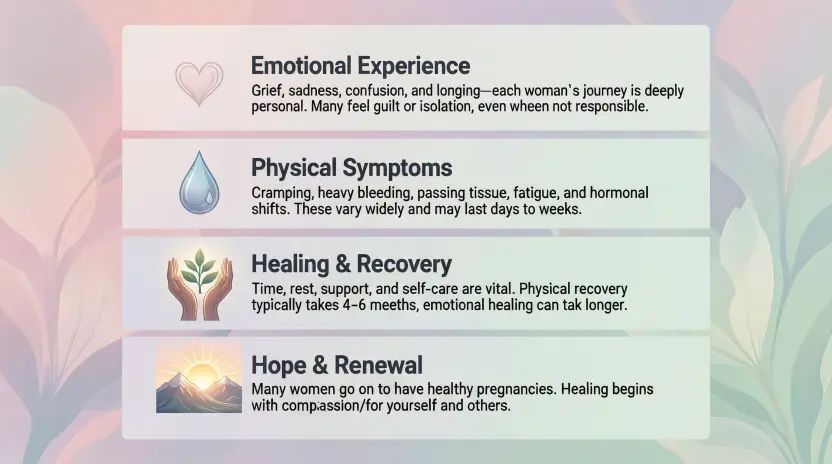
Experiencing a miscarriage can be one of the most confusing and emotional moments in a person’s life.
Many women and people wonder, “What does a miscarriage feel like?” because the experience can vary widely from one person to another.
Physically, miscarriage may involve cramping, bleeding, back pain, or the passing of tissue, but the intensity and timing differ depending on factors like how far along the pregnancy is.
Emotionally, it can bring feelings of sadness, guilt, anger, or emptiness, often leaving a lasting impact even after physical recovery.
Understanding both the physical and emotional symptoms can help you recognize what’s happening, know when to seek medical attention, and begin the process of healing.
In this article, we will explore the early signs of miscarriage, the physical sensations, emotional impact, recovery, and coping strategies, providing a comprehensive guide to support those going through this difficult experience.
Understanding Miscarriage
A miscarriage, also called spontaneous abortion, is the loss of a pregnancy before the 20th week. It is surprisingly common, affecting about 15–20% of known pregnancies, and most often occurs in the first trimester. Understanding what miscarriage is and why it happens can help normalize the experience and reduce feelings of guilt or self-blame.
There are different types of miscarriage. Early miscarriage, occurring before 12 weeks, is the most common and often results from chromosomal abnormalities in the embryo. Late miscarriage, between 12 and 20 weeks, is less common and may be linked to health conditions, infections, uterine abnormalities, or other complications. Sometimes, the exact cause remains unknown.
Recognizing miscarriage is important because symptoms can vary widely. Some women experience heavy bleeding, severe cramps, or passing tissue, while others may have very mild signs or no symptoms at all. Emotional responses can also vary, from shock and sadness to anxiety and confusion.
While miscarriage is often unavoidable, understanding the physical and emotional aspects can help you respond appropriately and seek medical care when necessary. Being aware of the common causes, types, and prevalence allows individuals and their support systems to better prepare for and cope with this difficult experience.
Early Signs and Symptoms
Recognizing the early signs of miscarriage can help you seek timely medical attention and better understand what your body is experiencing. While every pregnancy and miscarriage is different, there are common physical and emotional symptoms to watch for.
Physical Symptoms:
- Bleeding or spotting: Light spotting can sometimes occur in normal pregnancies, but heavier bleeding or passing clots may indicate a miscarriage.
- Cramping or abdominal pain: Mild cramps may feel like period pain, but more intense, persistent cramps can signal miscarriage.
- Back pain: Lower back discomfort, sometimes severe, may accompany abdominal cramping.
- Passing tissue or fluid: Some women notice small clots or tissue being expelled.
- Hormonal changes: Nausea, breast tenderness, or fatigue may suddenly decrease or disappear.
Emotional Symptoms:
- Sudden sadness or anxiety: Feeling emotionally unbalanced, tearful, or fearful is common.
- Mood swings: Rapid emotional shifts can occur alongside physical symptoms.
- Emotional numbness or confusion: Some may feel detached, in shock, or unable to process what’s happening.
It’s important to remember that not everyone will experience all of these symptoms, and some miscarriages occur with very few warning signs. If you notice any unusual bleeding, severe cramps, or significant changes in your body, it’s essential to contact a healthcare provider immediately. Being aware of these early signs can provide clarity, reduce anxiety, and ensure you receive the support and care needed during this difficult time.
Physical Experience of Miscarriage
Experiencing a miscarriage physically can be intense, confusing, and different for each individual. Understanding what typically happens can help you recognize the signs and feel more prepared.
Most miscarriages begin with bleeding, which may start as light spotting and progress to heavier bleeding over hours or days. This is often accompanied by cramping in the lower abdomen, similar to or stronger than menstrual cramps. Some women experience sharp, stabbing pains in the abdomen or lower back, while others feel a dull, persistent ache. The intensity and duration of cramps can vary, and they may come in waves.
During a miscarriage, tissue or clots may pass through the vagina. This can be alarming, but it is a natural part of the process. The amount and appearance of tissue differ depending on how far along the pregnancy is.
Other physical symptoms may include nausea, fatigue, or a sudden decrease in pregnancy-related symptoms, like breast tenderness. Some women notice fluid discharge or changes in vaginal secretions.
It’s important to note that not all miscarriages involve severe symptoms. Some may be very subtle, with minimal bleeding or cramping, while others can be more physically intense. Understanding these variations helps reduce fear and uncertainty.
If bleeding is heavy, cramping is severe, or you experience dizziness, fever, or fainting, it is crucial to seek immediate medical attention. Knowing what the body typically experiences during miscarriage can help individuals respond safely and feel more informed about this challenging process.
Emotional and Psychological Impact
While the physical aspects of miscarriage are often discussed, the emotional and psychological impact can be just as significant, if not more. Miscarriage can bring a complex mix of feelings, and it is important to acknowledge that these reactions are normal and valid.
Many individuals experience grief and sadness, sometimes intense, as they process the loss of the pregnancy. Feelings of guilt or self-blame are also common, even though miscarriage is rarely caused by anything a person did or didn’t do. Emotional responses can also include anger, frustration, or anxiety, particularly if the miscarriage occurs after weeks of hope and anticipation.
Some people may feel numb or detached, struggling to process the experience, while others experience mood swings or heightened sensitivity. Relationships may also be affected, as partners or family members cope differently, sometimes creating tension or misunderstanding.
Coping strategies can help manage these emotions. Talking openly with trusted friends, family, or a partner can provide support and validation. Professional counseling or therapy can help process grief, reduce anxiety, and develop healthy coping mechanisms. Joining support groups, either in person or online, can also provide comfort by connecting with others who have had similar experiences.
It is essential to recognize that emotional healing takes time, and everyone’s journey is unique. Being patient with yourself, seeking help when needed, and acknowledging the range of feelings that follow a miscarriage are key steps toward emotional recovery.
When to Seek Medical Attention
Knowing when to seek medical attention during a miscarriage is crucial for your safety and well-being. While some symptoms may be mild and manageable at home, others require immediate professional care.
Red flags that require prompt attention include:
- Heavy bleeding that soaks through one or more pads per hour for several hours.
- Severe abdominal or back pain that does not improve with rest or over-the-counter pain relief.
- Passing large clots or tissue accompanied by extreme pain or dizziness.
- Fever, chills, or signs of infection, such as foul-smelling discharge.
- Dizziness, fainting, or rapid heartbeat, which may indicate excessive blood loss.
Even if symptoms seem mild, it is important to contact a healthcare provider if you suspect a miscarriage. Early medical evaluation can confirm whether the pregnancy is viable, ensure complete passage of tissue, and prevent complications such as infection or excessive bleeding.
Possible medical care includes:
- Monitoring and observation for natural miscarriage
- Medication to help pass tissue
- Surgical procedures, such as dilation and curettage (D&C), in some cases
Seeking medical attention not only safeguards your physical health but also provides reassurance and guidance for emotional recovery. Always follow your healthcare provider’s advice and do not hesitate to reach out if you are unsure about your symptoms. Knowing when to act can prevent complications and support a smoother recovery process during this difficult time.
Recovery After Miscarriage
Recovering from a miscarriage involves both physical and emotional healing, and it is important to give yourself time and care during this process.
Physical Recovery:
After a miscarriage, your body begins to return to its pre-pregnancy state. Bleeding and cramping may continue for a few days to a couple of weeks, depending on how far along the pregnancy was. Light bleeding, spotting, or mild cramps are normal during this period. Rest, hydration, and gentle activity can help your body recover. Over-the-counter pain relievers may be used if approved by your healthcare provider. For some women, follow-up appointments are necessary to ensure that all pregnancy tissue has passed and to monitor overall health.
Emotional Recovery:
Emotional healing is equally important and may take longer than physical recovery. Feelings of grief, sadness, or guilt are normal and can appear in waves. Allow yourself to mourn the loss without judgment. Talking to a supportive partner, friend, or family member can help you process emotions. Professional counseling or therapy may be beneficial, especially if feelings of anxiety or depression persist. Support groups online or in-person can provide a sense of community and understanding from others who have experienced miscarriage.
Remember, recovery is not linear. Some days may feel better than others, and this is entirely normal. Being patient with your body and emotions, seeking support when needed, and giving yourself permission to grieve are essential steps toward healing after miscarriage.
Coping and Support
Coping with a miscarriage can be emotionally overwhelming, and having a strong support system is essential for recovery. While the experience is deeply personal, connecting with others and practicing self-care can make the process more manageable.
Talking Openly:
Sharing your feelings with a trusted partner, family member, or friend can provide validation and comfort. Open communication helps reduce feelings of isolation and allows loved ones to offer meaningful support.
Support Networks:
Support groups both online and in-person are invaluable. They allow individuals to connect with others who have gone through similar experiences, share stories, and receive guidance on coping strategies. Organizations like March of Dimes or Pregnancy Loss Support provide resources and communities for emotional support.
Self-Care:
Taking care of your body and mind is crucial. Gentle exercise, adequate rest, and a balanced diet can support physical recovery. Mindfulness practices, journaling, or meditation may help manage stress and emotional turbulence.
Professional Help:
Sometimes the emotional burden may feel too heavy to manage alone. Speaking with a therapist or counselor experienced in pregnancy loss can help navigate grief, anxiety, or depression.
Partner Involvement:
If you have a partner, involve them in your healing process. Miscarriage affects both individuals in a relationship, and supporting each other can strengthen emotional resilience.
Remember, coping takes time, and there is no “right” way to grieve. Seeking support, expressing your feelings, and prioritizing self-care are essential steps toward healing emotionally after miscarriage.
Myths and Misconceptions
Miscarriage is surrounded by many myths and misconceptions that can increase feelings of guilt, shame, and confusion. Understanding the facts helps reduce self-blame and promotes emotional healing.
Myth 1: Miscarriage is caused by something you did
Many people believe that lifestyle choices, stress, or physical activity can cause miscarriage. In reality, most miscarriages occur due to chromosomal abnormalities or medical conditions beyond anyone’s control. Blaming oneself is unnecessary and unfair.
Myth 2: Miscarriage is rare
Miscarriage is actually common, affecting 15–20% of known pregnancies. Knowing this helps normalize the experience and reduces isolation.
Myth 3: You can always feel a miscarriage coming
Not all miscarriages have obvious warning signs. Some occur with minimal or no physical symptoms, making early detection difficult.
Myth 4: Emotional grief should be short-lived
Many believe grief should resolve quickly. Emotional recovery takes time, and it is normal to feel sadness, guilt, or anxiety for weeks or months after a miscarriage.
Myth 5: You must wait a long time before trying again
While medical advice varies, many women can safely try to conceive again once physically and emotionally ready. Each person’s situation is different, and consulting a healthcare provider is recommended.
By debunking these myths, individuals can better understand miscarriage as a medical event, not a personal failure. Recognizing the truth promotes both emotional recovery and informed decision-making for future pregnancies.
FAQ: Miscarriage Questions Answered
Q1: Can miscarriage be prevented?
Most miscarriages cannot be prevented, as they are often caused by chromosomal abnormalities in the embryo. Maintaining a healthy lifestyle, managing chronic conditions, and attending regular prenatal care can support a healthy pregnancy, but some miscarriages are unavoidable.
Q2: How soon can I try to conceive again?
Medical advice varies, but many healthcare providers suggest waiting until you have physically recovered and feel emotionally ready. This can range from a few weeks to several months. Consult your doctor for guidance based on your individual situation.
Q3: Will I know a miscarriage is happening before it starts?
Not always. Some miscarriages begin with warning signs like bleeding, cramping, or back pain, while others may occur with minimal or no symptoms. It is important to be aware of early signs and contact a healthcare provider if you suspect a miscarriage.
Q4: Are strong emotions normal after a miscarriage?
Yes. Feelings of grief, guilt, sadness, or anger are common. Emotional recovery takes time, and seeking support from friends, family, or counseling can help.
Q5: How long does physical recovery take?
Physical recovery varies depending on the type and stage of miscarriage. Bleeding and cramping may last a few days to a couple of weeks, while complete uterine recovery can take longer. Follow-up medical care ensures healing and prevents complications.
Q6: When should I seek medical attention?
Contact a healthcare provider if you experience heavy bleeding, severe pain, fever, dizziness, or passing large clots. Early evaluation prevents complications and ensures proper care.
These FAQs address common concerns, helping individuals feel informed, supported, and reassured during a difficult time.
Conclusion
Experiencing a miscarriage can be physically and emotionally challenging, and understanding what it feels like is an important step toward healing.
While each miscarriage is unique, most involve a combination of physical symptoms such as bleeding, cramping, back pain, and passing tissue and emotional responses like grief, sadness, guilt, or anxiety.
Recognizing these signs can help individuals seek timely medical care and feel more in control during an uncertain time.
It is essential to remember that miscarriage is common and rarely caused by anything a person did.
Myths and misconceptions often add unnecessary guilt, but understanding the medical realities can provide clarity and reassurance.
Recovery involves both physical healing and emotional support, and seeking help from healthcare providers, therapists, or support groups can make a significant difference.
Everyone’s journey through miscarriage is different, and there is no “right” way to grieve. Allowing yourself to process emotions, connecting with supportive people, and practicing self-care are key steps toward recovery.
For those planning future pregnancies, consulting a healthcare provider ensures safe and informed decisions.
By understanding the physical sensations, emotional impact, and coping strategies, individuals can navigate miscarriage with knowledge, compassion, and hope.
Healing takes time, but with support and care, it is possible to regain strength and move forward, while honoring the experience and the emotions that come with it.

Tina Tease — Mixing charm, humor, and a little playful mischief in every post. From flirty fun to smart, sassy captions, this page brings entertainment with attitude and personality. Powered by ThePunSide.com for daily laughs, clever moments, and irresistible tease-energy.