Fintech Leader Highlights Why the Habits and Norms Set in a Company’s Earliest Days Shape Its Future More Than Any Strategy That Comes After
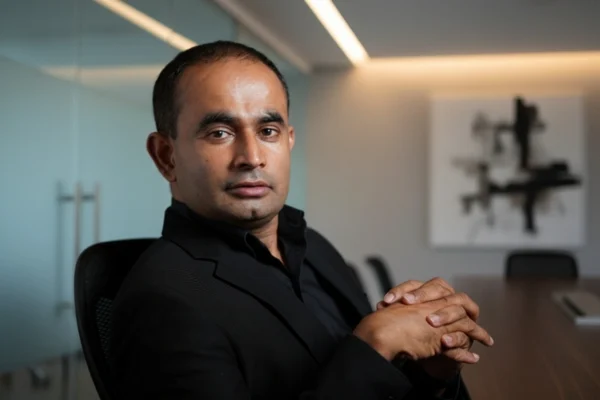
TYLER, TX, USA – April 29, 2026 – Sabeer Nelli, CEO of Zil Money, has shared his perspective on one of the most underestimated forces in business building: the culture that forms in a company’s first year. According to Sabeer, the norms, expectations, and behavioral patterns that take root in the early days rarely get replaced – they only get inherited by every team, layer, and leader that follows.
Sabeer notes that most founders pour their energy into product, funding, and growth metrics in the early stages, treating culture as something to formalize later. He points out that this sequencing is one of the more costly assumptions in early-stage company building. By the time a founder decides to address culture deliberately, it has already been decided for them – by the people they hired first, the behaviors they tolerated, and the standards they set or didn’t.
“The culture of a company is not built in an offsite or written in a values document – it is built in the first ten decisions you make about people,” says Sabeer. “Who you hire, who you keep, and what you let slide in year one becomes the operating system everything else runs on.”
He explains that early team members carry an outsized influence not because of their titles but because of their proximity to the founding moment. The way they communicate, resolve disagreement, and hold each other accountable becomes the default mode for everyone hired after them. New employees don’t read culture documents – they watch the people who were there first.
Sabeer also highlights that founders often underestimate how quickly informal culture calcifies. What begins as a temporary workaround – skipping a difficult conversation, letting a missed deadline pass without comment, prioritizing speed over clarity – can become a deeply embedded norm within months. Undoing it later requires far more effort than establishing the right pattern from the start.
He believes that founders who treat year one as a cultural window – a period with unusually high leverage over long-term norms – tend to build organizations that remain coherent even as they scale. This means being deliberate not just about who joins the team, but about what gets modeled, rewarded, and corrected in plain sight.
Contact Info
Website: www.sabeer.com
LinkedIn: linkedin.com/in/sabeer-nelliparamban