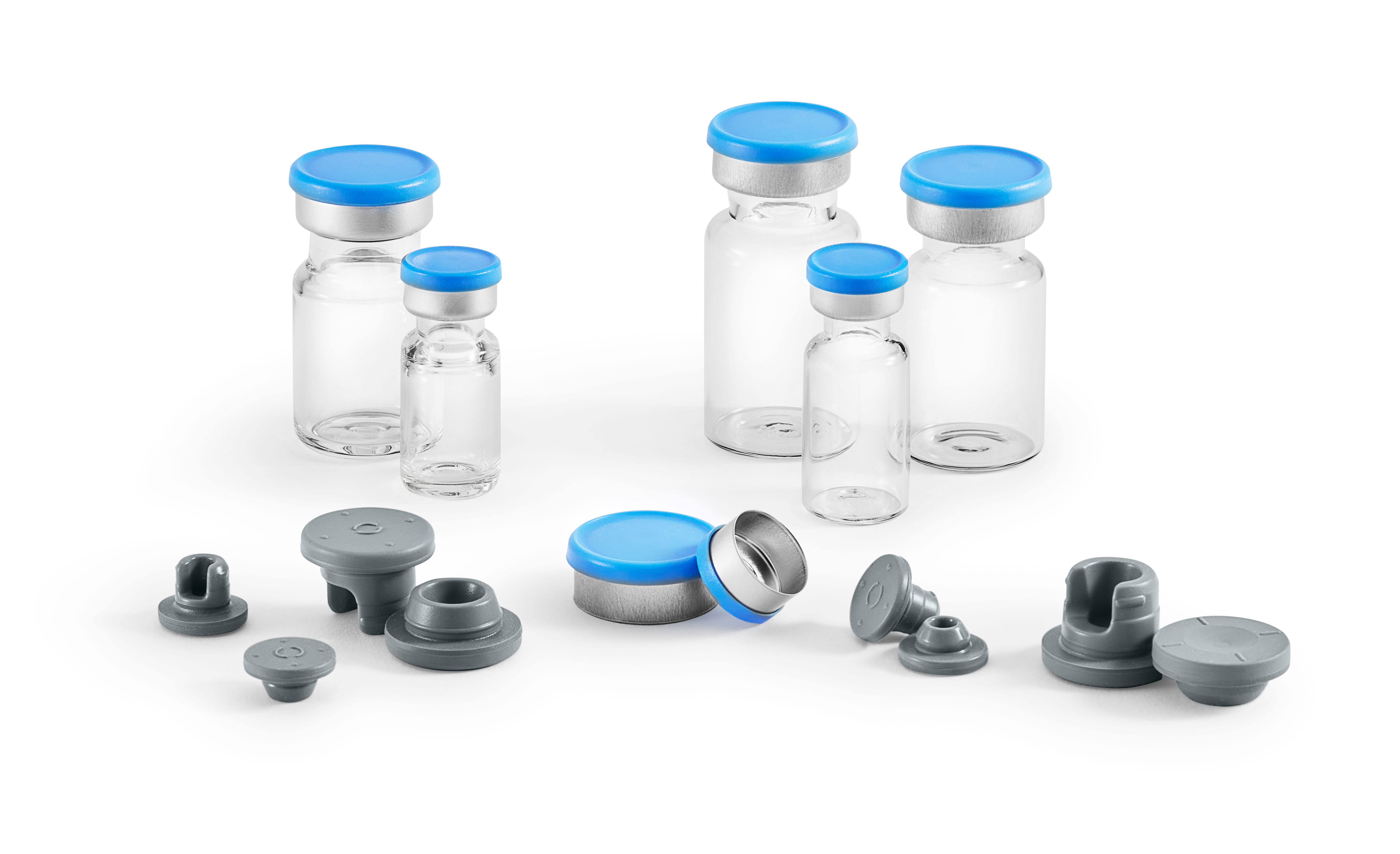
Your stoppering machine has a vibratory bowl. It feeds stoppers to the placement head. The stoppers are siliconized. They are slippery. They do not move predictably. They jam. The bowl stops. Your line stops. The problem is bowl design for siliconized components. A standard bowl works for dry stoppers. Siliconized stoppers need a different bowl coating or a different vibration frequency. Ask your supplier about siliconized stopper feeding. If they have not tested their bowl with your stoppers, you will have jams. Not every shift. Often enough to frustrate your operator. Specify a bowl designed for siliconized stoppers. Your stoppering machine will feed reliably.
The Vacuum That Pulls Stopper Fragments Into Your Vial
Your stoppering machine uses vacuum to seat stoppers. The vacuum is strong. It pulls the stopper into place. It also pulls tiny fragments from the stopper surface. Silicone fragments. Rubber fragments. They fall into your vial. Your product is contaminated. The problem is vacuum intensity. A good stoppering machine uses controlled vacuum with filtration. The vacuum pulls the stopper. It does not pull fragments. Any fragments are captured before they reach the vial. Ask your supplier about vacuum cleanliness. If their system has no filtration, your vials will contain stopper debris. Not visible to the eye. Detectable in lab testing. That debris will trigger quality failures. Specify filtered vacuum. Your stoppering machine will seat stoppers without contaminating your product.
The Stopper That Sits Crooked Because The Vial Neck Is Uneven
Your vials come from a glass manufacturer. The neck finish varies. Some are perfectly round. Some are slightly oval. Your stoppering machine places a stopper on an oval neck. The stopper sits crooked. The vacuum pulls. It seats, but the seal is uneven. It leaks. The problem is vial variability. A good stoppering machine has a centering device. It aligns the stopper with the vial neck regardless of ovality. It ensures a straight seat every time. Ask your supplier about centering. If their machine relies on perfect vials, your imperfect vials will cause failures. Not every vial. Enough to worry. Specify active centering. Your stoppering machine will seal oval necks as well as round ones.
The Stopper Depth That Varies With Vacuum Level
Your stoppering machine uses vacuum to seat stoppers. The vacuum level varies. Your building compressed air fluctuates. The vacuum pump cycles. The stopper seats deeper on high vacuum days. Shallower on low vacuum days. Your seal consistency suffers. The problem is vacuum stability. A good stoppering machine has a regulated vacuum source with a receiver tank. Vacuum level is consistent regardless of building fluctuations. The stopper seats at the same depth every time. Ask your supplier about vacuum regulation. If their machine connects directly to building vacuum, your depth will vary. Not a little. With every fluctuation. Specify stabilized vacuum. Your stoppering machine will seat every stopper at the same depth.
The Stopper That Floats On Air
Your stoppering machine places a stopper. The vial is moving. Air rushes past the stopper. It lifts. The stopper floats above the vial. The vacuum cannot seat it. The stoppering machine misses. The vial continues unstoppered. The problem is airflow. A good stoppering machine has a hold-down mechanism or a closed environment. The stopper stays in place regardless of air movement. Ask your supplier about airflow management. If their machine is open to room air, your stoppers will float. Not every time. When the line speed is high or the HVAC is strong. Specify airflow control. Your stoppering machine will keep stoppers in place.
The One Test That Confirms Stopper Consistency
Run your stoppering machine for one hour. Collect fifty vials. Measure the stopper depth on each vial. Use a depth gauge. Record each measurement. Calculate the average and standard deviation. A good stoppering machine has a standard deviation of less than 0.5 millimeters. Now test the seal. Invert each vial. Apply pressure. Watch for bubbles. Zero leaks is the standard. Now inspect the stopper surface. Any fragments missing? Any tears? Any deformation? A good stoppering machine leaves stoppers intact. This test takes one hour. It reveals every problem. Depth variation. Leaks. Fragment damage. A good stoppering machine passes with zero failures. A bad machine fails. Run the test before you accept any machine. Use your actual vials. Your actual stoppers. Your actual vacuum source. The test is not expensive. It is essential. Your stopper is the seal that protects your sterile product. It must be seated consistently. Not mostly consistent. Completely consistent. Your stoppering machine is the tool that seats it. It must be precise, stable, and gentle. Not sometimes. Every time. Test. Verify. Adjust. Your patients depend on every vial being properly sealed. That is not a quality goal. It is a requirement. Achieve it. Your stoppering machine will produce vials you can trust. That is the standard. Meet it.