Are you wondering, “What does HIV stand for?” You’re not alone. Understanding HIV is the first step toward awareness, prevention, and making informed health decisions.
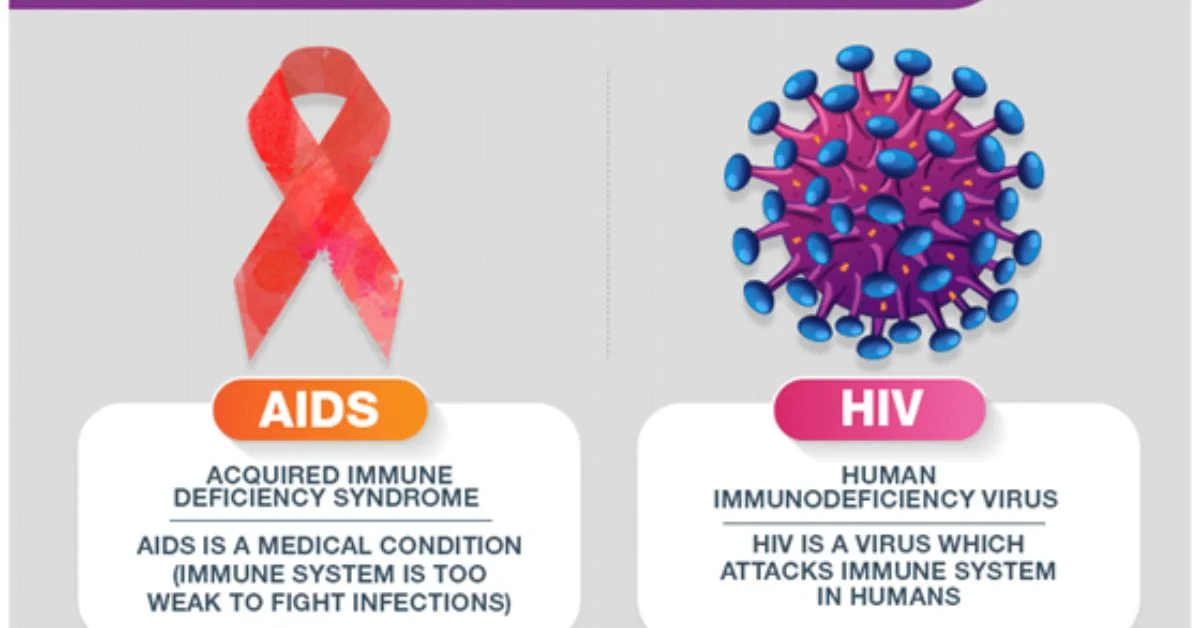
HIV stands for Human Immunodeficiency Virus, a virus that attacks the immune system, making it harder for the body to fight infections and diseases.
While the term might sound technical, it’s important for everyone to know what HIV is, how it spreads, and what it means for health.
In this article, we’ll break it down in simple terms, explain the difference between HIV and AIDS, outline the common symptoms, and discuss prevention and treatment options.
If you’re looking to educate yourself, support someone living with HIV, or simply satisfy your curiosity, this guide will give you clear, reliable, and easy-to-understand information. By the end, you’ll know exactly what HIV stands for and why it matters.
What Does HIV Stand For?
HIV stands for Human Immunodeficiency Virus, and understanding each part of this term is essential to grasp what the virus does and how it affects the body.
- Human: HIV specifically affects humans, not animals or other species. It is a virus that targets the human immune system, which is the body’s natural defense against infections and illnesses.
- Immunodeficiency: This part of the term explains the main impact of the virus: it weakens the immune system. When someone has immunodeficiency, their body struggles to fight off infections, making even common illnesses potentially dangerous. Over time, if untreated, this can lead to severe health complications.
- Virus: HIV is classified as a virus, meaning it is a microscopic infectious agent that can only survive and multiply inside human cells. Unlike bacteria, viruses cannot reproduce on their own, which is why HIV specifically attacks the immune system’s cells, particularly CD4 cells.
Understanding the full form helps clarify why HIV is a serious health condition. While the name might sound intimidating, knowledge is power knowing what HIV is allows people to take preventive measures, get tested, and access treatment if needed.
It’s also important to note that HIV is not the same as AIDS. HIV is the virus itself, while AIDS (Acquired Immunodeficiency Syndrome) is the condition that can develop when HIV damages the immune system over time.
By learning the full form of HIV and its meaning, you can better understand how it spreads, its effects on health, and why awareness is crucial for prevention and treatment.
Difference Between HIV and AIDS
Many people confuse HIV with AIDS, but the two are not the same. Understanding the difference is crucial for both awareness and health management.
HIV (Human Immunodeficiency Virus) is the virus that attacks the immune system. It primarily targets CD4 cells, which are a type of white blood cell that helps the body fight infections. When HIV enters the body, it slowly reduces the number of these cells, weakening the immune system. This process can take years, and during this time, a person may not show any symptoms, which is why early testing is important.
AIDS (Acquired Immunodeficiency Syndrome), on the other hand, is the advanced stage of HIV infection. It occurs when the immune system is severely damaged, and the body becomes vulnerable to opportunistic infections and certain cancers that a healthy immune system could normally fight off. In simple terms, HIV is the virus, and AIDS is the condition that may develop if HIV is left untreated.
It’s important to note that not everyone with HIV develops AIDS, especially with modern treatments like antiretroviral therapy (ART). ART helps control the virus, maintain immune function, and prevent progression to AIDS.
Knowing this distinction is vital for understanding how HIV affects the body, why testing is necessary, and how treatment can help people live long, healthy lives despite being HIV-positive. Awareness can reduce fear, eliminate stigma, and encourage responsible health practices.
How HIV Affects the Body
HIV primarily targets the immune system, the body’s natural defense against infections and illnesses. The virus specifically attacks CD4 cells, also known as T-helper cells, which play a crucial role in coordinating the immune response. Over time, as HIV multiplies, the number of CD4 cells decreases, making it harder for the body to fight off infections and diseases.
In the early stage of HIV, also called the acute infection stage, the virus replicates rapidly. Some people may experience mild flu-like symptoms, while others may not notice any signs at all. During this period, the virus spreads easily to others, even if the person feels healthy.
The chronic or clinical latency stage follows, where the virus continues to multiply at lower levels. People may not show symptoms for many years, but the immune system is gradually weakening. Without treatment, this stage can progress to AIDS.
When HIV progresses to AIDS, the immune system becomes severely compromised. The body becomes vulnerable to opportunistic infections such as tuberculosis, pneumonia, and certain cancers. Everyday infections that a healthy immune system could fight off may become life-threatening.
Even though HIV weakens the immune system, antiretroviral therapy (ART) can control the virus, help the body maintain a strong immune system, and prevent progression to AIDS. Understanding how HIV affects the body highlights the importance of early testing, treatment, and ongoing monitoring. Awareness is key to managing the virus effectively and living a long, healthy life.
Common Symptoms of HIV
HIV symptoms can vary depending on the stage of the infection. Early detection is important because many symptoms are subtle and can be mistaken for other illnesses. Recognizing these signs helps in timely testing and treatment.
1. Early Stage (Acute HIV Infection):
Shortly after infection, some people experience flu-like symptoms within 2–4 weeks. These may include:
- Fever and chills
- Fatigue or extreme tiredness
- Swollen lymph nodes
- Sore throat
- Headache and muscle aches
- Rash on the body
These early symptoms are often mild and temporary, which is why many people don’t realize they are infected.
2. Chronic Stage (Clinical Latency Stage):
During this stage, the virus continues to replicate at lower levels. Symptoms may be minimal or absent, but the immune system slowly weakens over time. Some people may experience:
- Persistent fatigue
- Swollen lymph nodes
- Recurrent minor infections
- Weight loss
3. Advanced Stage (AIDS):
If untreated, HIV can progress to AIDS. At this stage, the immune system is severely weakened, and opportunistic infections appear. Common signs include:
- Rapid weight loss
- Recurring fever or night sweats
- Persistent diarrhea
- Sores in the mouth or genitals
- Pneumonia or other serious infections
It’s important to note that not everyone with HIV will experience all these symptoms, and they may appear gradually. Regular testing and early treatment with antiretroviral therapy (ART) can manage symptoms effectively, slow the progression of the virus, and help people live long, healthy lives.
How HIV is Transmitted
Understanding how HIV spreads is crucial for prevention and awareness. HIV is primarily transmitted through specific body fluids that contain the virus. These include blood, semen, vaginal fluids, rectal fluids, and breast milk. It cannot be transmitted through casual contact, such as hugging, shaking hands, or sharing food.
1. Sexual Transmission:
The most common way HIV spreads is through unprotected sexual contact with an infected person. This includes vaginal, anal, and, less commonly, oral sex. Using condoms consistently and correctly significantly reduces the risk of transmission.
2. Blood-to-Blood Contact:
HIV can be transmitted when infected blood enters the bloodstream of another person. This can happen through sharing needles, syringes, or other injecting equipment, and, in rare cases, through blood transfusions if the blood is not properly screened.
3. Mother-to-Child Transmission:
An HIV-positive mother can pass the virus to her baby during pregnancy, childbirth, or breastfeeding. However, with proper medical treatment and precautions, the risk of transmission can be greatly reduced.
4. Rare Cases:
Transmission through organ transplants or accidental exposure in healthcare settings is extremely rare but possible.
It’s important to remember that HIV cannot survive long outside the human body, so casual contact, touching surfaces, or sharing utensils does not transmit the virus. Education, safe practices, and testing are key to preventing HIV. Awareness about how the virus spreads helps reduce fear, stigma, and misinformation while promoting safer behavior and health-conscious decisions.
Myths and Facts About HIV
There are many misconceptions about HIV, which can lead to fear, stigma, and misinformation. Understanding the facts helps people protect themselves and support those living with the virus.
Myth 1: HIV can be transmitted through casual contact.
Fact: HIV cannot be spread by hugging, shaking hands, sharing utensils, or using the same toilet. The virus requires specific body fluids, blood, semen, vaginal fluids, rectal fluids, or breast milk to be transmitted.
Myth 2: Only certain groups of people get HIV.
Fact: HIV can affect anyone, regardless of age, gender, race, or sexual orientation. Risk is linked to behaviors, not identity.
Myth 3: HIV is a death sentence.
Fact: With modern antiretroviral therapy (ART), people living with HIV can lead long, healthy lives. Early detection and treatment are key to managing the virus.
Myth 4: You can tell if someone has HIV by looking at them.
Fact: Many people with HIV look completely healthy, especially in the early stages. Testing is the only reliable way to know someone’s status.
Myth 5: HIV can be cured.
Fact: There is currently no cure for HIV. However, treatment can control the virus, maintain immune function, and prevent progression to AIDS.
Educating yourself and others about the truth behind HIV reduces stigma and encourages safe practices, testing, and treatment. Understanding these myths and facts not only protects your health but also promotes compassion and support for people living with HIV. Awareness is the first step toward ending discrimination and improving public health.
HIV Testing and Diagnosis
Testing is the only reliable way to know if someone has HIV. Early detection is essential because it allows for timely treatment, prevents complications, and reduces the risk of spreading the virus to others.
There are several types of HIV tests:
- Antibody Tests: These detect antibodies that the body produces in response to HIV. They are the most common and can use blood, oral fluid, or urine. Results are usually available within a few days or even minutes with rapid tests.
- Antigen/Antibody Tests: These detect both the HIV antibodies and the virus itself (antigens). They are highly accurate and can identify infection earlier than antibody-only tests.
- Nucleic Acid Tests (NATs): These detect the virus’s genetic material (RNA) in the blood. NATs are used for early detection, especially after potential exposure or in high-risk situations, but they are more expensive.
When to get tested:
It is recommended to get tested if you have had any potential exposure to HIV, such as unprotected sex, sharing needles, or other risk behaviors. Routine testing is advised for sexually active individuals, pregnant women, and those in high-risk groups.
Why early testing matters:
Early diagnosis allows for immediate treatment with antiretroviral therapy (ART), which controls the virus, maintains a healthy immune system, and prevents progression to AIDS. Regular testing also helps reduce the risk of unknowingly transmitting HIV to others.
By understanding HIV testing and diagnosis, individuals can take proactive steps to protect their health and contribute to public awareness and prevention efforts.
Treatment and Management
While there is currently no cure for HIV, treatment has advanced significantly over the years, allowing people living with HIV to lead long, healthy lives. The cornerstone of HIV management is antiretroviral therapy (ART), which involves taking a combination of medications that suppress the virus and prevent it from damaging the immune system.
How ART works:
ART reduces the amount of HIV in the blood, known as the viral load. By lowering the viral load to undetectable levels, the immune system can recover and remain strong. Importantly, people on effective ART with undetectable viral loads cannot transmit HIV to their sexual partners, a concept known as U=U (Undetectable = Untransmittable).
Key aspects of HIV management:
- Adherence: Taking medications consistently and as prescribed is critical for effectiveness. Missing doses can allow the virus to replicate and develop resistance.
- Regular monitoring: Periodic blood tests track CD4 cell counts and viral load to ensure the treatment is working.
- Healthy lifestyle: A balanced diet, exercise, and avoiding smoking or excessive alcohol help maintain overall health and support the immune system.
Additional support:
People living with HIV benefit from counseling, mental health support, and support groups. These resources help cope with the emotional and social challenges of living with a chronic condition.
With proper treatment and management, HIV is no longer a fatal disease. Early diagnosis, consistent therapy, and lifestyle measures allow individuals to live full, productive lives while minimizing health risks.
Prevention of HIV
Preventing HIV infection is essential for maintaining health and reducing the spread of the virus. While there is no vaccine for HIV, several effective strategies can significantly lower the risk of transmission.
1. Safe Sex Practices:
Using condoms consistently and correctly during vaginal, anal, or oral sex is one of the most effective ways to prevent HIV. Limiting the number of sexual partners and engaging in mutually monogamous relationships with partners who are HIV-negative also reduces risk.
2. Pre-Exposure Prophylaxis (PrEP):
PrEP is a daily medication taken by HIV-negative individuals at high risk of infection. When taken consistently, PrEP can reduce the risk of acquiring HIV by over 90%.
3. Post-Exposure Prophylaxis (PEP):
PEP is an emergency medication taken within 72 hours of potential HIV exposure. It can prevent infection if started promptly and taken as prescribed.
4. Safe Needle Practices:
Avoid sharing needles, syringes, or other injecting equipment. People who use injectable drugs should access clean needle programs to reduce the risk of HIV transmission.
5. Mother-to-Child Prevention:
HIV-positive mothers should follow medical guidance during pregnancy, childbirth, and breastfeeding to minimize the risk of passing the virus to their babies. Antiretroviral treatment during pregnancy can reduce transmission rates to less than 1%.
6. Regular Testing and Awareness:
Knowing your HIV status and that of your partners is vital. Regular testing ensures early detection and allows for prompt treatment if necessary.
By combining these strategies safe sex, medication, clean needles, and awareness HIV transmission can be effectively prevented. Education, responsible behavior, and access to medical care are the keys to reducing new infections and protecting both individuals and communities.
Living with HIV
Living with HIV has become much more manageable today thanks to medical advances, particularly antiretroviral therapy (ART). With proper treatment, people living with HIV can enjoy long, healthy, and fulfilling lives.
Managing Health:
Taking medications consistently is essential for keeping the virus under control. Regular medical checkups help monitor CD4 cell counts and viral load, ensuring the immune system stays strong. A healthy lifestyle, including a balanced diet, exercise, adequate sleep, and avoiding smoking or excessive alcohol, supports overall wellbeing and strengthens the immune system.
Mental and Emotional Health:
HIV can bring emotional challenges, including stress, anxiety, or depression. Counseling, therapy, and peer support groups provide valuable guidance and a safe space to share experiences. Talking openly with trusted friends, family, or support groups reduces feelings of isolation and stigma.
Reducing Stigma:
Awareness and education are key to combating stigma. HIV is a medical condition, not a moral judgment. Understanding the facts about HIV transmission and treatment helps society treat people living with HIV with compassion and respect.
Practical Tips for Daily Life:
- Maintain a regular medication schedule.
- Communicate openly with healthcare providers.
- Stay informed about the latest HIV research and resources.
- Connect with support networks for advice and encouragement.
By combining medical care, healthy lifestyle choices, and emotional support, people living with HIV can lead productive, fulfilling lives. With education and awareness, communities can create a safe, supportive environment that encourages testing, treatment, and prevention.
FAQs
People often have many questions about HIV, its effects, and how it is managed. Here are some of the most frequently asked questions to help clarify common doubts.
1. What is the difference between HIV and AIDS?
HIV is the virus that attacks the immune system, while AIDS is the advanced stage of HIV infection, characterized by severe immune system damage and opportunistic infections. Not everyone with HIV develops AIDS, especially with proper treatment.
2. Can HIV be cured?
Currently, there is no cure for HIV. However, antiretroviral therapy (ART) can effectively control the virus, maintain immune health, and prevent progression to AIDS. With consistent treatment, people with HIV can live long, healthy lives.
3. How is HIV transmitted?
HIV spreads through specific body fluids: blood, semen, vaginal fluids, rectal fluids, and breast milk. Common routes include unprotected sex, sharing needles, and mother-to-child transmission during pregnancy, childbirth, or breastfeeding. Casual contact does not transmit HIV.
4. Can HIV-positive people live normal lives?
Yes. With early diagnosis, treatment, and a healthy lifestyle, people living with HIV can lead fulfilling lives, work, travel, and have families just like anyone else.
5. How often should someone get tested for HIV?
Sexually active individuals should get tested at least once a year, or more often if they have multiple partners or engage in high-risk behaviors. Early testing helps with timely treatment and prevents transmission.
These FAQs provide clear, reliable answers to common concerns about HIV. Understanding these facts reduces fear, stigma, and misinformation while encouraging safe practices, testing, and ongoing care.
Conclusion
Understanding what HIV stands for is more than just knowing its full form, Human Immunodeficiency Virus. It is the first step toward awareness, prevention, and responsible health practices.
HIV attacks the immune system, specifically the CD4 cells, making the body more vulnerable to infections and diseases. While the virus can be serious, modern medical advances, particularly antiretroviral therapy (ART), allow people living with HIV to manage the condition effectively and live long, healthy lives.
Early detection through regular testing is crucial. Knowing your HIV status and that of your partners helps prevent transmission and ensures timely treatment.
Safe practices such as using condoms, taking PrEP, avoiding shared needles, and following medical guidance during pregnancy can significantly reduce the risk of infection.
Education is also a powerful tool in reducing stigma and misinformation. Myths about HIV often create fear and discrimination, but understanding the facts promotes empathy, support, and public health awareness.
By learning about HIV its meaning, symptoms, transmission, and treatment individuals can take proactive steps to protect themselves and their communities.
Ultimately, HIV is a manageable health condition when approached with knowledge, care, and treatment. Awareness, prevention, and support not only help individuals live healthier lives but also contribute to reducing the spread of the virus.
Understanding HIV fully empowers people to make informed decisions, stay safe, and support those living with the condition. Knowledge truly is the first step toward a healthier future for everyone.

Tina Tease — Mixing charm, humor, and a little playful mischief in every post. From flirty fun to smart, sassy captions, this page brings entertainment with attitude and personality. Powered by ThePunSide.com for daily laughs, clever moments, and irresistible tease-energy.