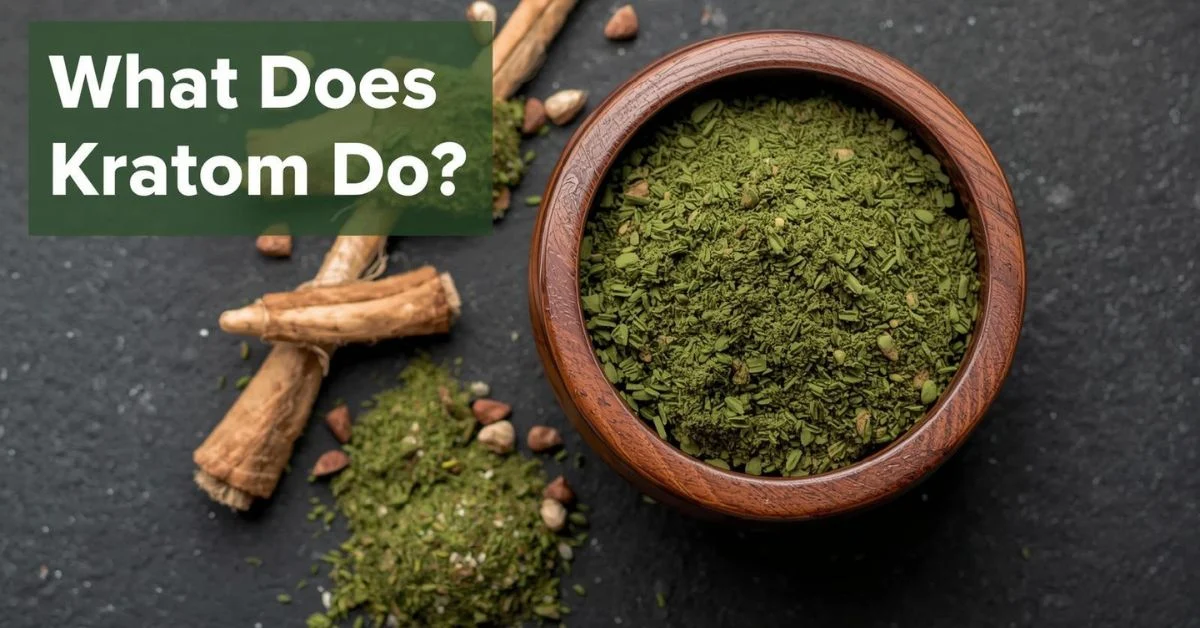
Kratom, a tropical plant native to Southeast Asia, has become increasingly popular worldwide for its potential effects on mood, energy, and pain relief.
But if you’re new to this herbal supplement, you might be asking: what does kratom do exactly? Kratom contains active compounds called alkaloids primarily mitragynine and 7-hydroxymitragynine that interact with the body’s opioid receptors, producing a range of effects depending on the dose and strain.
Some users report a natural energy boost, improved focus, or enhanced mood, while others use it for relaxation or to manage chronic pain. With dozens of strains available, each offering unique benefits, understanding how kratom works is essential for safe and effective use.
This guide dives deep into the effects, benefits, potential risks, and practical tips for using kratom responsibly, helping you make informed choices whether you’re curious, a beginner, or a seasoned user.
Introduction to Kratom
Kratom, scientifically known as Mitragyna speciosa, is a tropical tree native to countries like Thailand, Indonesia, Malaysia, and Papua New Guinea. For centuries, locals have used its leaves for traditional medicine, relying on them for pain relief, energy, and even to combat fatigue during long workdays. In its native regions, kratom was often chewed fresh or brewed into tea, offering natural support for daily life and labor-intensive tasks.
Today, kratom has gained global attention as an herbal supplement, sold in powders, capsules, and extracts. People around the world are curious about its effects, from boosting energy and improving focus to helping with relaxation and mild pain management. One reason for its growing popularity is its unique ability to produce different effects depending on the dose: lower amounts often act as stimulants, while higher doses tend to promote relaxation or sedation.
Kratom contains active compounds called alkaloids, including mitragynine and 7-hydroxymitragynine, which interact with the body’s opioid receptors. Unlike traditional opioids, these compounds tend to produce milder effects, but they still require caution and proper usage. Understanding the origins, traditional use, and modern applications of kratom is the first step toward safely exploring its potential benefits and effects.
How Kratom Works in the Body
Kratom’s effects come primarily from its active compounds, known as alkaloids most notably mitragynine and 7-hydroxymitragynine. These alkaloids interact with the body’s opioid receptors, which are part of the nervous system responsible for regulating pain, mood, and reward. Unlike traditional opioids, kratom binds to these receptors in a milder way, producing effects that range from stimulating to relaxing depending on the dose and strain.
At lower doses, mitragynine tends to act as a stimulant. Users often report increased energy, heightened focus, and improved alertness, making it popular for daytime use. This stimulant effect is why some people compare low-dose kratom to a strong cup of coffee, but with added mood-enhancing benefits.
At higher doses, the alkaloids shift their action, producing sedative and pain-relieving effects. Many users experience calmness, relaxation, and a reduction in physical discomfort. This dual action makes kratom unique compared to many other herbal supplements.
Kratom also influences certain neurotransmitters in the brain, including serotonin and dopamine, which can enhance mood and temporarily reduce feelings of stress or anxiety. However, effects vary widely depending on individual body chemistry, the strain of kratom, and consumption method.
Understanding how kratom works is essential for using it safely. Knowing the difference between low-dose stimulation and high-dose relaxation helps users choose the right dose and strain for their goals, whether for focus, mood support, or pain relief.
Kratom Effects by Dosage
One of the most important factors that determines what kratom does is the dosage. The same strain can produce very different effects depending on whether it’s taken in small, moderate, or high amounts. Understanding these differences helps users achieve their desired results safely.
At low doses (typically 1–5 grams of powdered kratom), most users experience stimulant-like effects. These can include increased energy, improved concentration, and a subtle mood boost. Many people use low doses in the morning or during the day to enhance focus and productivity without feeling overly sedated.
Moderate doses (around 5–15 grams) are often associated with a balance between stimulation and relaxation. Users may notice pain relief, mood enhancement, and mild sedation. This range is popular for those seeking stress relief or to manage minor aches while staying alert enough for daily activities.
At high doses (15 grams or more), kratom typically acts as a sedative. It can promote deep relaxation, calmness, and sometimes sleep. While this effect is helpful for rest or pain management, high doses also increase the risk of side effects such as nausea, dizziness, or drowsiness.
It’s important to remember that effects vary based on strain type, individual body chemistry, and tolerance. Beginners should always start with a lower dose and gradually adjust to find their ideal amount. Knowing how dosage affects kratom’s action is essential for using it safely and effectively, whether the goal is energy, focus, or relaxation.
Different Kratom Strains and Their Effects
Kratom is not a one-size-fits-all herbal supplement. Its effects can vary widely depending on the strain and vein color of the leaves. The three main types of red, green, and white vein kratom offer distinct experiences, making it important to choose the right strain for your goals.
Red vein kratom is often preferred for relaxation and pain relief. Users report a calming effect that can help with stress, mild anxiety, and chronic discomfort. It is generally considered the most sedative of the three main strains, making it ideal for evening use or winding down after a long day.
Green vein kratom offers a balance between energy and relaxation. It provides mild stimulation and focus, while also delivering some pain-relieving and mood-enhancing properties. Green strains are often recommended for daytime use when you want to stay alert but also maintain calm and focus.
White vein kratom is known for its stimulating and motivational effects. Many users take white strains to boost energy, enhance focus, and improve productivity. It’s often compared to a natural caffeine alternative, but with additional mood-enhancing benefits.
Some specialized strains, like Maeng Da or Bali Kratom, combine characteristics of these main veins, offering unique effects depending on their origin and alkaloid concentration.
Choosing the right strain depends on your goals, tolerance, and experience level. Beginners should start with a mild strain, like green vein, to understand how kratom affects their body before experimenting with more potent strains. Knowing the differences between strains ensures a safer and more predictable experience.
Potential Benefits of Kratom
Kratom has become popular largely because of its wide range of reported benefits, which vary depending on the strain, dosage, and individual body chemistry. While scientific research is still limited, many users share consistent experiences that highlight its potential.
One of the most common reasons people use kratom is pain relief. Its alkaloids interact with the body’s opioid receptors, which can help reduce chronic pain, muscle aches, and inflammation. For those who prefer natural alternatives to traditional painkillers, kratom offers a promising option, though it should always be used responsibly.
Kratom is also reported to improve mood and reduce anxiety. Many users feel a mild euphoria, increased sociability, and a reduction in stress. This makes it useful for coping with mild anxiety, daily stress, or emotional fatigue.
At lower doses, kratom can provide energy and enhanced focus, making it a popular choice for daytime productivity. Some compare this effect to caffeine, but with a smoother, longer-lasting boost and less jitteriness.
In addition, kratom may help individuals during opioid withdrawal by reducing cravings and easing discomfort. However, this should only be done under professional supervision.
Other benefits include support for relaxation, better sleep at higher doses, and improved mental clarity for some users. While the effects differ widely, understanding these potential benefits can help users make informed decisions and safely integrate kratom into their wellness routine.
Possible Side Effects and Risks
While kratom offers potential benefits, it is not without side effects and risks. Understanding these is essential for safe and responsible use. The severity of side effects often depends on dosage, strain, frequency of use, and individual body chemistry.
Common side effects include nausea, dizziness, dry mouth, constipation, and mild headaches. These usually occur with higher doses or if the user is sensitive to kratom’s alkaloids. Some individuals may also experience sweating, itching, or restlessness, particularly with stimulating strains like white vein kratom.
One of the main concerns is dependency and tolerance. Prolonged, frequent use can lead to the body adapting to kratom, requiring higher doses to achieve the same effects. In some cases, users may experience mild withdrawal symptoms such as irritability, insomnia, or fatigue if they stop abruptly.
Kratom can also interact with medications, including antidepressants, opioids, and other substances that affect the central nervous system. Combining kratom with these drugs can increase risks of side effects or unpredictable reactions.
There is also the risk of contaminated or low-quality products. Because kratom is largely unregulated in many regions, it’s crucial to purchase from reputable suppliers that provide lab-tested products.
Overall, while kratom can be beneficial, it should be used responsibly. Start with low doses, avoid mixing with other substances, and consult a healthcare professional if you have existing health conditions or are on medication. Awareness of risks ensures a safer experience and maximizes the potential benefits of this unique herbal supplement.
Kratom for Mental Health
Kratom is often explored for its potential effects on mental health, including mood enhancement, stress reduction, and anxiety relief. Its primary active compounds, mitragynine and 7-hydroxymitragynine, interact with the brain’s opioid receptors and neurotransmitters such as dopamine and serotonin, which play key roles in regulating mood and emotions.
Many users report that moderate doses of kratom can provide a calming effect, helping to ease feelings of stress, tension, or mild anxiety. The mood-lifting properties may also contribute to improved motivation and overall emotional well-being. Some strains, like red vein kratom, are particularly favored for relaxation and stress management, while green vein strains can support a balanced, focused state without excessive sedation.
While kratom may offer short-term mental health support, it is not a replacement for professional treatment. Anxiety, depression, or other serious mental health conditions require guidance from licensed healthcare providers. Additionally, frequent or high-dose use of kratom may lead to dependency, which can negatively impact mental health over time.
Researchers are still studying kratom’s long-term effects on mental health, and anecdotal evidence remains the primary source of information. For those considering kratom, starting with low doses and carefully monitoring effects is crucial. When used responsibly, kratom may serve as a supplemental tool to support mental wellness, stress relief, and mood enhancement, complementing other healthy lifestyle practices.
Legal Status and Safety Considerations
The legal status of kratom varies widely across countries and even within regions of the same country. In some areas, kratom is fully legal and can be purchased online or in stores, while in others it is classified as a controlled substance due to concerns about potential misuse and dependency. In the United States, for example, kratom is legal at the federal level, but several states and cities have banned its sale and use. Countries like Thailand and Malaysia have historically restricted kratom, though recent changes in Thai law now allow regulated use under certain conditions.
Safety is another critical consideration when using kratom. Because kratom products are largely unregulated in many markets, quality can vary significantly. Low-quality or contaminated products can pose serious health risks, including heavy metal exposure or adulteration with other substances. Purchasing from reputable suppliers that provide third-party lab testing is essential to ensure safety.
Users should also be aware of personal health factors. Those with liver or kidney issues, heart conditions, or mental health disorders should consult a healthcare professional before using kratom. Mixing kratom with alcohol, prescription drugs, or other supplements can increase the risk of adverse reactions.
Finally, proper dosage, strain selection, and responsible cycling are crucial. Beginners should start with small amounts, gradually adjust as needed, and avoid daily high-dose consumption to minimize side effects and dependency risks. Understanding legal status and safety measures ensures users can experience kratom’s potential benefits while minimizing harm.
How to Use Kratom Safely
Using kratom safely is essential to maximize its benefits while minimizing potential risks. The first step is choosing the right strain and form. Kratom is available in powdered leaves, capsules, tinctures, and extracts. Beginners often start with powders or capsules because they allow precise dosing and gradual adjustment.
Dosage is critical. Low doses (1–5 grams) usually provide stimulation and mood enhancement, moderate doses (5–15 grams) offer pain relief and relaxation, and high doses (15 grams or more) can produce sedation. It’s best to start with a low dose and gradually increase to find your optimal amount. This approach helps prevent side effects such as nausea, dizziness, or dependency.
Timing and frequency matter. Avoid taking kratom too late in the day if you want to stay alert, and don’t use it daily for extended periods to reduce tolerance and dependency risks. Many experienced users recommend cycling using kratom a few days per week rather than daily.
Avoid mixing kratom with alcohol, opioids, or other drugs, as this can increase the risk of dangerous interactions. Also, purchase kratom from reputable suppliers that provide lab-tested products to ensure purity and safety.
Finally, listen to your body. Keep a journal of strain, dosage, and effects to understand how kratom interacts with you personally. By following these safety measures, users can enjoy kratom’s stimulating, relaxing, or pain-relieving properties responsibly, maximizing its potential benefits while minimizing risks.
Frequently Asked Questions
Kratom is a complex herbal supplement, and new users often have many questions. Addressing these FAQs can help provide clarity and ensure safe use.
Is kratom addictive?
Kratom can lead to dependency if used frequently or in high doses over long periods. Users may experience mild withdrawal symptoms, such as irritability, fatigue, or insomnia, if they stop abruptly. Responsible, moderate use and dosage cycling help minimize this risk.
Can I mix kratom with other supplements or medications?
Mixing kratom with prescription drugs, alcohol, or other supplements is not recommended. Interactions can be unpredictable and may increase the risk of side effects. Always consult a healthcare professional if you take other medications.
How long do kratom effects last?
Effects typically appear within 30–60 minutes and last 3–6 hours, depending on the dose, strain, and individual metabolism. Low doses may produce shorter, stimulating effects, while higher doses can offer longer-lasting relaxation.
Can kratom help with anxiety or depression?
Some users report mild mood enhancement, stress relief, and relaxation. However, kratom is not a substitute for professional mental health treatment. Individuals with anxiety or depression should consult a healthcare provider before using it.
Is kratom safe for long-term use?
Long-term effects are not fully understood. Prolonged high-dose use may increase the risk of tolerance, dependency, and other side effects. Responsible, intermittent use is recommended, along with professional guidance for those with preexisting conditions.
These FAQs highlight the importance of knowledge, moderation, and safety when using kratom. Understanding potential effects, risks, and best practices ensures a safer and more beneficial experience.
Conclusion
Kratom is a unique herbal supplement with a wide range of reported effects, from boosting energy and focus to promoting relaxation and pain relief.
Its active compounds, primarily mitragynine and 7-hydroxymitragynine, interact with the body’s opioid receptors and neurotransmitters, producing effects that vary depending on strain, dosage, and individual body chemistry.
Understanding kratom’s effects is essential for safe and effective use. Low doses often provide stimulation and enhanced mood, moderate doses balance relaxation with alertness, and high doses tend to produce sedative and pain-relieving effects.
Additionally, the choice of strain red, green, or white vein further influences the user experience. Red veins are typically calming and pain-relieving, green veins are balanced, and white veins are energizing and motivating.
While kratom offers potential benefits such as pain management, stress relief, and improved focus, it also carries risks including nausea, dizziness, dependency, and drug interactions. Legal restrictions vary by location, and unregulated products may pose safety concerns.
Responsible use starting with low doses, cycling consumption, selecting high-quality products, and consulting a healthcare professional if needed can help maximize benefits while minimizing risks.
By understanding how kratom works, its potential effects, and safe usage practices, individuals can make informed decisions and experience this herbal supplement in a controlled and beneficial way.

“ASF — Discipline, Duty & Determination. A mind trained for focus, a heart built on courage, and a spirit that never backs down. Living by principles, acting with purpose, and leading with strength. Silence in action, power in presence, and pride in every step. Always ready, always alert. Explore more at thepunside.com.”