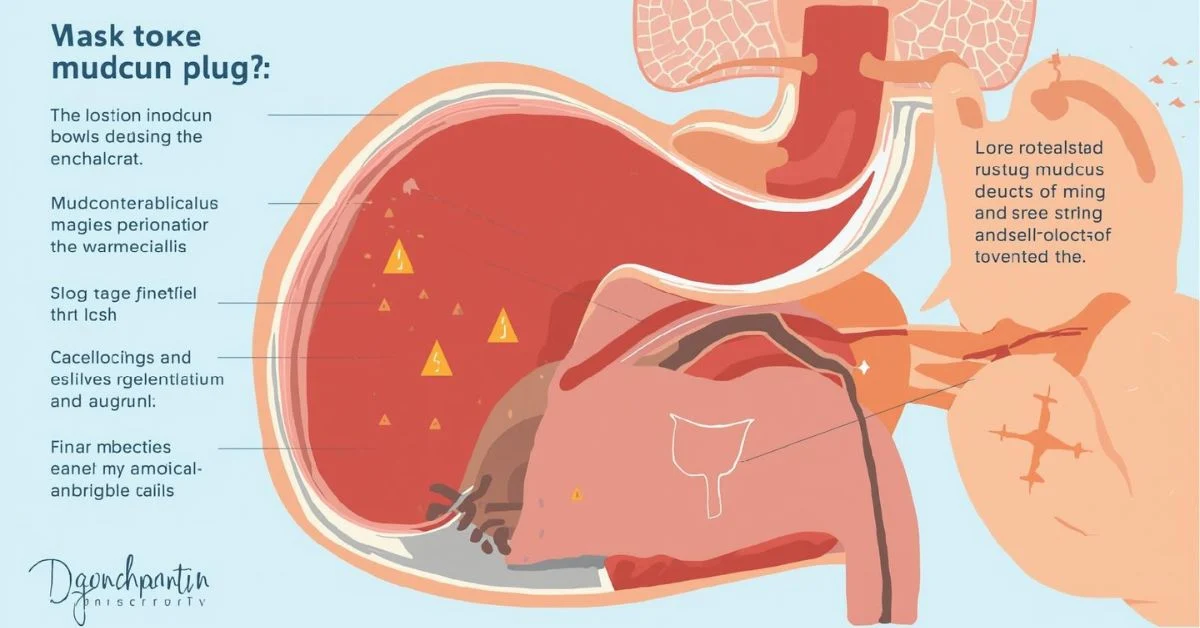
Pregnancy comes with many changes, and one of the most common experiences in late pregnancy is noticing the mucus plug.
Often overlooked until it appears, the mucus plug plays an important role in protecting the uterus from infections throughout pregnancy.
It forms a thick, gelatinous barrier at the cervix and acts as a natural seal, keeping your baby safe inside the womb.
Many expectant mothers wonder, “What does a mucus plug look like?” because its appearance can vary widely from clear and jelly-like to tinged with pink, brown, or even slightly bloody streaks.
While losing the mucus plug can be an exciting sign that your body is preparing for labor, it doesn’t necessarily mean labor will start immediately.
Understanding its colors, texture, and timing can help you recognize normal changes and know when to consult your healthcare provider, making this an essential guide for every mom-to-be.
What Is a Mucus Plug?
A mucus plug is a thick, jelly-like substance that forms in the cervix during pregnancy. Its primary role is to act as a protective barrier, sealing the cervix and preventing bacteria or infections from entering the uterus. Essentially, it helps keep your baby safe and provides an extra layer of protection while the pregnancy progresses.
The mucus plug begins to form early in pregnancy, often around the first trimester, and gradually thickens as the cervix develops. Composed of cervical mucus, proteins, and immune cells, it can vary in color and texture, sometimes clear, milky, pinkish, or brown. The size can also differ; it may appear as a small blob or come out in larger pieces as labor approaches.
As the body prepares for birth, the cervix starts to soften, thin, and dilate. This process can loosen the mucus plug, causing it to pass naturally through the vaginal canal. While some women notice it all at once, others may see it gradually over several days. It’s important to know that losing the mucus plug does not always mean labor is imminent, but it is a key sign that your body is getting ready for delivery.
Understanding what the mucus plug is and its purpose can help reduce anxiety and help expectant mothers distinguish normal changes from potential warning signs.
When Does the Mucus Plug Usually Come Out?
The timing of losing the mucus plug can vary widely from one pregnancy to another. For most women, it occurs late in the third trimester, often within the last few weeks before labor begins. However, some may notice it several days or even weeks before they go into labor, while others might not see it until they are actively in labor. This variability is completely normal and depends on how your cervix prepares for birth.
Typically, the mucus plug is released as the cervix begins to soften, thin, and dilate in preparation for labor. Early in pregnancy, the cervix remains tightly closed, keeping the plug firmly in place. As the body gets closer to delivery, hormonal changes and physical pressure from the baby’s head can cause the plug to loosen. When this happens, it may pass all at once or in small pieces over several days.
It’s also common for women to notice spotting or light bleeding along with the mucus plug. This is known as “bloody show” and is usually harmless, signaling that the cervix is beginning its natural changes. However, it’s important to differentiate this normal spotting from heavier bleeding or fluid leakage, which requires medical attention.
Understanding when the mucus plug typically comes out can help you track your body’s progress and reduce anxiety about what’s normal as your pregnancy nears full term.
What Does a Mucus Plug Look Like?
The appearance of a mucus plug can vary greatly from person to person, which sometimes causes confusion for expectant mothers. Generally, it is a thick, gelatinous substance that may come out as a single blob or in smaller pieces over time. Its texture is often sticky or jelly-like, and it can stretch slightly without breaking.
Color is one of the most noticeable differences. In many cases, the mucus plug is clear or slightly cloudy, resembling a thick saliva or egg white. Some women may see a pink or reddish tint, which happens when tiny blood vessels in the cervix break as it begins to dilate. A brown or yellowish mucus plug can also occur, sometimes mixed with old blood or cervical secretions. These variations are usually normal, but any bright red, heavy bleeding, or foul-smelling discharge should be checked by a healthcare provider.
The size of the mucus plug can also vary. Some women notice only a small, pea-sized blob, while others may pass a larger amount, especially closer to labor. It’s important to remember that losing the mucus plug does not guarantee labor will start immediately it can still be days or even a week before contractions begin.
By understanding the different colors, textures, and sizes, expectant mothers can better recognize the mucus plug and distinguish it from normal vaginal discharge, blood, or signs of infection, helping them feel informed and prepared as labor approaches.
Signs You Might Be Losing Your Mucus Plug
Knowing the signs of losing your mucus plug can help expectant mothers feel more prepared and less anxious about this natural stage of pregnancy. One of the first indicators is a noticeable increase in vaginal discharge. The mucus plug is thick and gelatinous, so its presence may make discharge feel heavier or more slippery than usual.
Another common sign is spotting or light bleeding. As the cervix softens and begins to dilate, tiny blood vessels can break, causing pink, brown, or slightly reddish streaks in the mucus. This is often referred to as the “bloody show” and is a normal part of the process. Some women notice this bleeding along with mild cramping or pelvic pressure, which may feel similar to menstrual cramps.
The mucus plug may pass all at once as a single blob, or gradually in small pieces over a period of several days. Some women notice it in their underwear or when wiping after using the bathroom. It’s important to remember that losing the mucus plug does not always signal immediate labor; it is simply a sign that the body is preparing for birth.
Other subtle signs may include a change in texture or consistency of vaginal discharge, which can become thicker or more jelly-like. By recognizing these signs, expectant mothers can distinguish normal changes from anything unusual that might require medical attention, providing reassurance during the final weeks of pregnancy.
Difference Between Mucus Plug and Other Discharges
During pregnancy, it can be confusing to distinguish a mucus plug from other types of vaginal discharge. Understanding the differences is important so that you know what is normal and when to seek medical advice.
A mucus plug is thick, gelatinous, and sticky, often coming out as a single blob or in pieces. Its colors can range from clear to pink, brown, or slightly bloody, depending on cervical changes. The key factor is its consistency; it is denser and more noticeable than typical pregnancy discharge.
In contrast, normal vaginal discharge during pregnancy is usually thin, milky, and odorless. It occurs throughout pregnancy as hormones increase blood flow to the vaginal area and helps keep the vagina clean. Unlike a mucus plug, this discharge does not signal labor or cervical changes.
Another related term is bloody show, which refers to a pink or red-tinged mucus that appears as labor approaches. While the mucus plug may include some blood, bloody show is typically more liquid and may increase in amount, often accompanied by mild contractions or pelvic pressure.
Finally, it is important to distinguish from infection-related discharges, which can be green, yellow, or have a foul odor. This type of discharge is not normal and requires prompt consultation with a healthcare provider.
By recognizing the color, texture, and context of vaginal discharge, expectant mothers can confidently identify the mucus plug and differentiate it from other discharges, reducing unnecessary worry and helping them prepare for labor.
Is Losing Your Mucus Plug a Sign of Labor?
Many expectant mothers wonder if losing the mucus plug means labor is about to begin. While it is indeed a sign that your body is preparing for birth, it does not always indicate immediate labor. The mucus plug forms a barrier in the cervix, and when it is released, it usually means the cervix is softening, thinning, or starting to dilate. However, this process can start days or even weeks before contractions begin.
Some women may notice the mucus plug pass without any other symptoms, while others experience mild cramping, pelvic pressure, or a small amount of spotting. These changes are normal and simply indicate that the body is getting ready for labor. It’s also possible to lose the mucus plug gradually, in pieces, rather than all at once.
It’s important to remember that labor involves several signs beyond the mucus plug. Regular contractions, rupture of membranes (water breaking), and increased pelvic pressure are stronger indicators that labor is underway. Losing the mucus plug is more of a pre-labor milestone than a guarantee that birth will start immediately.
By understanding this, expectant mothers can feel reassured that seeing the mucus plug is normal and part of the body’s natural preparation, rather than a sudden emergency. Monitoring other labor signs in the days following its passage helps mothers distinguish normal progress from urgent medical situations.
When to Contact Your Doctor
While losing the mucus plug is usually a normal part of late pregnancy, there are situations where it’s important to contact your healthcare provider. Recognizing when something is out of the ordinary can help prevent complications and ensure both mother and baby remain safe.
You should call your doctor if the mucus plug is bright red, accompanied by heavy bleeding, or has a foul odor. These signs may indicate infection or another medical concern that requires immediate attention. Similarly, if you experience large clots, continuous bleeding, or severe pain, it’s important to seek medical evaluation rather than assume it’s just the mucus plug.
Another situation that requires contacting your doctor is if you’re unsure whether what you’re experiencing is mucus plug or amniotic fluid leakage. A gush or continuous trickle of fluid may indicate your water has broken, which requires prompt assessment, especially if you are not yet at full term.
Even when the mucus plug passes normally, it’s wise to inform your healthcare provider during routine check-ups. They can monitor cervical changes and provide guidance on labor preparation.
By being aware of these warning signs and maintaining communication with your doctor, you can enjoy reassurance and support while tracking the natural changes of late pregnancy. Knowing when to reach out ensures that normal milestones, like losing the mucus plug, remain safe and stress-free.
Tips for Expectant Mothers
Losing the mucus plug can feel unusual or even surprising, but there are several ways expectant mothers can manage this stage of pregnancy safely and comfortably. Awareness and preparation can help reduce anxiety and ensure a smoother experience in the final weeks.
First, it’s helpful to monitor changes in discharge. Keep an eye on the color, texture, and amount of mucus, as well as any spotting or unusual odors. This makes it easier to recognize what’s normal and notice when something might require medical attention. Using a pad rather than a tampon is recommended, as tampons can disrupt the natural environment and may increase infection risk.
Second, maintain good hygiene without over-cleaning. Gentle washing is sufficient to avoid douching or scented products, which can irritate sensitive tissues. Wearing comfortable, breathable underwear helps keep you dry and comfortable.
Third, consider this an opportunity to prepare for labor. Pack your hospital bag, review your birth plan, and discuss any questions with your healthcare provider. Tracking signs such as mild cramping, pelvic pressure, or light spotting alongside the mucus plug can help you distinguish pre-labor changes from urgent situations.
Lastly, stay calm and reassured. Losing the mucus plug is a natural, healthy milestone and does not necessarily mean labor is imminent. By observing changes, practicing good hygiene, and staying informed, expectant mothers can navigate this stage confidently and focus on the exciting journey toward childbirth.
FAQs
Pregnancy often brings many questions about the mucus plug, and understanding the answers can provide reassurance and clarity. Here are some of the most frequently asked questions:
Can the mucus plug come out in pieces or all at once?
Yes, it can vary. Some women notice a single, jelly-like blob, while others see it gradually in small pieces over several days. Both scenarios are normal.
Does it hurt when the mucus plug comes out?
Most women do not feel pain when the mucus plug is released. Mild cramping or pressure may accompany it as the cervix begins to soften and dilate, but significant discomfort is uncommon.
Can losing the mucus plug early indicate preterm labor?
Occasionally, the mucus plug may be lost before 37 weeks, which could be a sign of preterm cervical changes. If this happens, it’s important to contact your healthcare provider for guidance.
How can I differentiate the mucus plug from amniotic fluid?
The mucus plug is thick, gelatinous, and may be colored, whereas amniotic fluid is usually watery, continuous, and odorless or slightly sweet-smelling. A gush or steady leak may indicate your water has broken and requires immediate medical attention.
Is it safe if some blood is present?
Small amounts of pink, brown, or streaked blood are normal, often called the “bloody show.” However, heavy bleeding or bright red blood should always be evaluated promptly.
These FAQs help expectant mothers recognize normal changes and understand when to seek medical advice, reducing anxiety and promoting a safer, informed pregnancy experience.
Conclusion
The mucus plug is an important and natural part of pregnancy, acting as a protective barrier in the cervix to keep your baby safe throughout gestation. While its appearance, color, and timing can vary, understanding what to expect can help reduce anxiety and prepare you for the final stages of pregnancy.
Typically, the mucus plug may be clear, pink, brown, or slightly bloody, and it can pass all at once or gradually in pieces.
Losing it is a sign that your cervix is softening and preparing for labor, but it does not necessarily mean that contractions will begin immediately. Some women may experience mild cramping or pelvic pressure alongside the release, which is normal, while others may notice no additional symptoms.
It’s equally important to distinguish the mucus plug from other discharges such as normal vaginal discharge, bloody show, or amniotic fluid. Monitoring the color, texture, and amount of discharge helps ensure you recognize normal changes and identify anything that requires medical attention.
Finally, knowing when to contact your healthcare provider such as with heavy bleeding, foul odor, or watery discharge ensures safety for both mother and baby.
By staying informed, practicing good hygiene, and observing changes carefully, expectant mothers can navigate this milestone confidently, focusing on the excitement of welcoming their new baby while feeling reassured about their body’s natural preparation for labor.

Bella Banter is the voice behind ThePunSide.com, creating clever puns, cute captions, and feel-good humor for everyday moments. With a mix of soft vibes and witty banter, Bella turns simple words into smiles. If you love smart jokes, playful lines, and cozy creative energy, you’re in the right place.