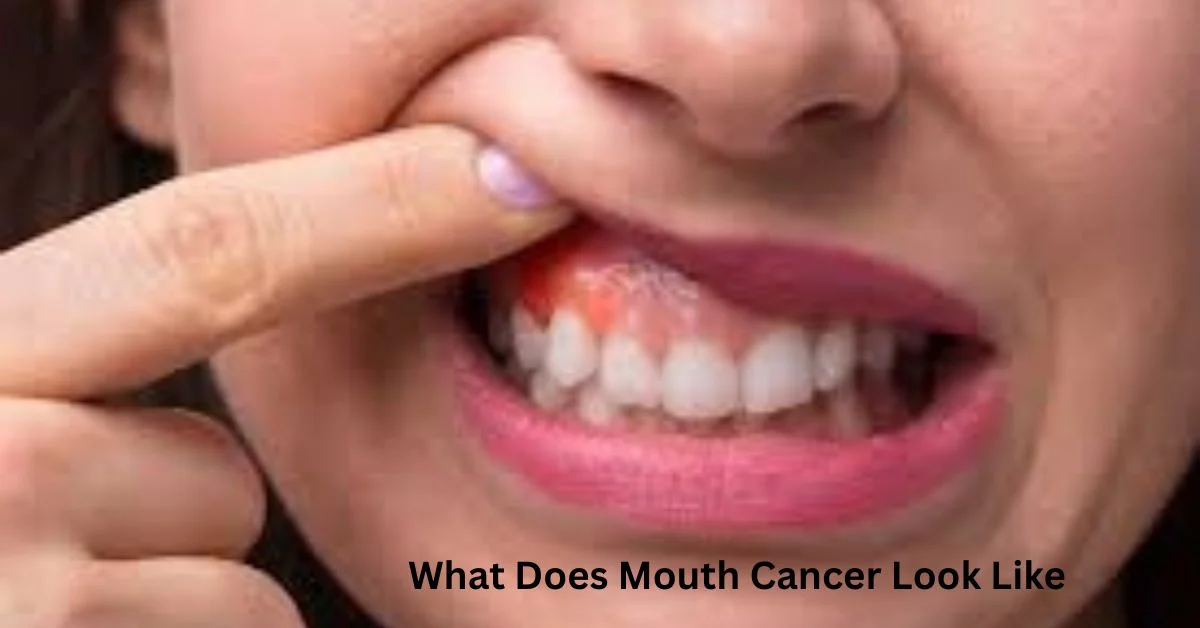
Noticing a sore, lump, or unusual patch in your mouth can be alarming, and it’s natural to wonder, “What does mouth cancer look like?” Mouth cancer, also known as oral cancer, can appear in the lips, tongue, gums, cheeks, or the floor and roof of the mouth.
Early detection is crucial because the sooner it’s identified, the higher the chances of successful treatment. In its initial stages, mouth cancer may present as a small white or red patch, a persistent ulcer, or a lump that doesn’t heal.
Many people ignore these early signs, thinking they’re minor irritations, but understanding what to look for can save lives.
In this article, we’ll explore the visual signs, early symptoms, types of mouth cancer, risk factors, and prevention tips, helping you recognize potential warning signs and know when to consult a healthcare professional.
Understanding Mouth Cancer
Mouth cancer, also known as oral cancer, is a type of cancer that develops in any part of the mouth, including the lips, tongue, gums, inner cheeks, roof of the mouth, and floor beneath the tongue. It occurs when cells in the oral cavity grow abnormally, forming malignant tumors that can invade surrounding tissues and spread to other parts of the body if left untreated.
Oral cancer is often grouped under head and neck cancers and is more common in adults over the age of 40, though it can occur at any age. Men are statistically more likely to develop mouth cancer than women, largely due to lifestyle risk factors such as tobacco and alcohol use. Certain strains of the human papillomavirus (HPV) have also been linked to oral cancers, especially those affecting the throat and tongue.
Early detection is critical because symptoms may be subtle or mistaken for minor issues like canker sores or irritation from dental appliances. The most common early signs include persistent mouth sores, red or white patches, unexplained lumps, or bleeding. Detecting these warning signs early significantly improves treatment success rates.
Understanding the basics of mouth cancer, its causes, affected areas, and early development can help individuals recognize potential problems quickly and seek medical attention without delay. Awareness and vigilance are key to preventing serious complications.
Early Signs and Symptoms of Mouth Cancer
Recognizing the early signs of mouth cancer is crucial because prompt detection can significantly improve treatment outcomes. In its initial stages, oral cancer may present subtle symptoms that are often mistaken for minor oral issues. One of the most common early signs is a persistent sore or ulcer in the mouth that does not heal within two weeks. Unlike typical canker sores, these lesions may be painless or slightly tender.
Another important indicator is the presence of red or white patches on the gums, tongue, or inner cheeks. White patches, known as leukoplakia, and red patches, called erythroplakia, can be precancerous and should always be evaluated by a healthcare professional. Lumps, thickened areas, or unusual growths in the mouth or on the lips are also warning signs of potential malignancy.
Other symptoms may include difficulty chewing, swallowing, or moving the tongue or jaw, unexplained bleeding, numbness, or a persistent feeling of something stuck in the throat. Changes in speech, chronic sore throat, or ear pain can sometimes accompany oral cancer.
While these signs do not always indicate cancer, it is essential not to ignore them. Regular self-examinations, awareness of your oral health, and early consultation with a dentist or doctor are key steps to identifying potential mouth cancer before it progresses to advanced stages.
Visual Appearance of Mouth Cancer
Mouth cancer can appear in several forms, and recognizing its visual signs is essential for early detection. One of the most noticeable changes is the presence of persistent sores or ulcers that do not heal over time. These sores may have irregular edges, and while some are painful, others can be surprisingly painless, which makes them easy to overlook.
Another common visual sign is the appearance of red patches (erythroplakia) or white patches (leukoplakia) inside the mouth. Red patches tend to be more likely to develop into cancer, while white patches may indicate precancerous conditions. These patches often develop on the tongue, inner cheeks, or gums and may feel slightly thickened or rough to the touch.
Lumps or thickened areas in the lips, gums, or tongue are also key indicators. These growths may appear as firm bumps or nodules and can sometimes cause swelling or asymmetry in the affected area. Additionally, changes in the color or texture of the oral tissues, such as dark spots or crusty areas on the lips, can signal early cancerous changes.
In some cases, persistent bleeding or unexplained lesions can be a warning sign. Mouth cancer may also cause subtle changes, like a small indentation on the tongue or a noticeable bump on the gum line.
It is important to remember that while these visual signs can suggest cancer, they may also result from less serious conditions. Consulting a qualified healthcare professional for evaluation is essential if any of these symptoms persist or worsen. Early detection can save lives.
Types of Oral Cancer and Their Symptoms
Mouth cancer can develop in different areas of the oral cavity, and the symptoms often vary depending on the affected site. Understanding these types can help in recognizing potential warning signs early.
Tongue Cancer is one of the most common types. It often begins as a small, painless ulcer or a white or red patch on the tongue. Over time, it may develop into a lump or cause swelling, difficulty moving the tongue, or speech changes. Persistent pain or tenderness can also occur in advanced cases.
Gum Cancer typically appears as lumps or thickened areas on the gums. It may lead to bleeding, loose teeth, or irritation under dentures. White or red patches on the gums can also indicate early-stage cancer.
Lip Cancer often manifests as crusty sores, non-healing ulcers, or changes in lip color. Sun exposure increases the risk of lip cancer, especially on the lower lip.
Floor of Mouth Cancer, which develops under the tongue, may begin as a small lump or ulcer. Symptoms include difficulty swallowing, persistent pain, or swelling in the floor of the mouth.
Cheek or Oral Cavity Cancer can appear as lumps, sores, or patches inside the cheeks or along the inner lining of the mouth. Some patients notice numbness, irritation, or persistent bleeding.
Each type of oral cancer may progress differently, and symptoms can overlap. While these signs do not always mean cancer, early evaluation by a dentist or doctor is essential for proper diagnosis. Recognizing these types and their symptoms can lead to faster detection and more effective treatment.
Risk Factors for Mouth Cancer
Understanding the risk factors for mouth cancer can help individuals take preventive measures and be more vigilant about early detection. One of the most significant risk factors is tobacco use. Smoking cigarettes, cigars, or pipes, as well as chewing tobacco or using snuff, greatly increases the likelihood of developing oral cancer. The harmful chemicals in tobacco damage the cells in the mouth, leading to abnormal growth.
Alcohol consumption is another major contributor. Heavy or frequent drinking can irritate the oral tissues and, when combined with tobacco use, further increases the risk. People who consume alcohol excessively are statistically more likely to develop oral cancer than non-drinkers.
In recent years, human papillomavirus (HPV) infection has been linked to oral cancers, especially those affecting the tongue and throat. HPV-positive cancers often develop in younger adults who may not have traditional risk factors like smoking or drinking.
Other risk factors include poor oral hygiene, chronic irritation from rough teeth or ill-fitting dentures, and prolonged exposure to the sun, particularly for lip cancer. Age is also a factor, as most cases occur in adults over 40, and genetics may play a role in susceptibility.
Certain lifestyle habits, such as a diet low in fruits and vegetables, may also increase risk. Being aware of these factors allows individuals to reduce their exposure, maintain regular dental checkups, and monitor their oral health for any unusual changes. Early action can significantly improve outcomes if cancer develops.
When to See a Doctor
Knowing when to seek medical advice is critical for detecting mouth cancer early. Many of the initial signs of oral cancer can resemble minor oral issues, such as canker sores or irritation from dental work, making it easy to ignore. However, persistent symptoms that do not heal within two weeks should never be overlooked.
One of the most important indicators is a sore or ulcer that refuses to heal. Unlike normal mouth sores, these lesions may remain for weeks or months, sometimes causing mild pain or discomfort. Additionally, red or white patches, unusual lumps, thickened areas, or unexplained bleeding inside the mouth are warning signs that require immediate evaluation.
Other concerning symptoms include difficulty chewing, swallowing, or moving the tongue or jaw, numbness in the mouth, and changes in speech. Persistent soreness in the throat or unexplained ear pain can also indicate potential oral cancer, especially when combined with oral lesions.
It’s crucial to consult a dentist, oral surgeon, or doctor as soon as these symptoms appear. Early detection dramatically increases the effectiveness of treatment and can prevent the cancer from spreading to other parts of the body. Even if the symptoms turn out to be non-cancerous, medical evaluation ensures proper care and peace of mind.
Remember, timely medical attention saves lives, so never wait or self-diagnose when signs persist.
Diagnosis and Medical Evaluation
If a doctor or dentist suspects mouth cancer, a thorough diagnostic evaluation is essential to confirm the condition and determine its severity. The first step usually involves a visual examination of the mouth, tongue, gums, and throat. Doctors look for persistent sores, red or white patches, lumps, or any unusual changes in oral tissues.
If suspicious areas are found, the next step is often a biopsy, where a small sample of tissue is removed and examined under a microscope. This test confirms whether the cells are cancerous and helps identify the type and stage of oral cancer. Biopsies are the most reliable method for diagnosis and guide treatment planning.
Imaging tests may also be recommended, including X-rays, CT scans, MRI, or PET scans. These help determine if the cancer has spread to nearby tissues, lymph nodes, or other parts of the body. The results of these tests are crucial for staging the cancer, which influences treatment decisions and prognosis.
In some cases, doctors may also perform blood tests or other laboratory evaluations to assess overall health and readiness for treatment. Early diagnosis through careful medical evaluation dramatically improves treatment success and survival rates.
Regular dental checkups and prompt attention to unusual symptoms are key components of early detection. If any suspicious signs persist, seeking professional evaluation immediately can make a life-saving difference.
Treatment Options
Treatment for mouth cancer depends on the type, location, and stage of the cancer, as well as the patient’s overall health. Surgery is often the first approach, aiming to remove the tumor and a margin of healthy tissue to ensure all cancer cells are eliminated. In some cases, reconstructive surgery may be necessary to restore appearance and function, especially when the tongue, lips, or jaw are affected.
Radiation therapy uses high-energy rays to target and destroy cancer cells. It can be used alone for small tumors or after surgery to kill remaining cancerous tissue. Side effects may include dry mouth, irritation, and difficulty swallowing, but modern techniques aim to minimize these issues.
Chemotherapy involves the use of drugs to destroy cancer cells and is often combined with radiation therapy for more advanced cancers. It can also be used when cancer has spread to other parts of the body.
In recent years, targeted therapy and immunotherapy have emerged as options for certain patients. Targeted therapy focuses on specific molecules involved in cancer growth, while immunotherapy helps the body’s immune system recognize and attack cancer cells.
It’s important to note that treatment plans are highly individualized. A multidisciplinary team including oncologists, surgeons, radiation specialists, and nutritionists typically collaborates to provide the best care. Early detection significantly increases the success of these treatments, which is why recognizing symptoms and seeking prompt medical evaluation is so critical.
Prevention and Early Detection Tips
Preventing mouth cancer and detecting it early can dramatically improve outcomes and reduce the risk of serious complications. One of the most effective preventive measures is avoiding tobacco in all forms, including cigarettes, cigars, pipes, chewing tobacco, and snuff. Tobacco contains harmful chemicals that can damage oral tissues and trigger abnormal cell growth.
Limiting alcohol consumption is another key preventive step, as excessive drinking increases the risk of oral cancer, particularly when combined with tobacco use. Maintaining good oral hygiene, including regular brushing, flossing, and dental checkups, helps reduce irritation and identify abnormalities at an early stage. Dentists can detect suspicious lesions, lumps, or patches during routine exams.
Regular self-examination of the mouth, tongue, gums, and lips is also important. Look for persistent sores, unusual lumps, red or white patches, changes in texture, or bleeding that does not heal. Early recognition of these signs can prompt timely medical consultation.
Sun protection for the lips, such as using lip balm with SPF, helps prevent lip cancer. Additionally, HPV vaccination can reduce the risk of virus-related oral cancers, especially in younger adults.
Eating a balanced diet rich in fruits and vegetables strengthens the immune system and supports oral health. Awareness of risk factors, combined with routine dental care and prompt attention to unusual symptoms, provides the best strategy for preventing and detecting mouth cancer early.
Frequently Asked Questions
Can mouth cancer be painless at first?
Yes, many early-stage mouth cancers are painless, which makes them easy to ignore. A sore, patch, or lump may not cause discomfort initially, but persistent changes should still be evaluated by a healthcare professional.
How fast does mouth cancer grow?
The growth rate varies depending on the type and location of the cancer. Some lesions progress slowly over months, while others can develop rapidly. Early detection is crucial to prevent the cancer from spreading to surrounding tissues.
Are red or white patches always cancerous?
No, red (erythroplakia) or white patches (leukoplakia) in the mouth are not always cancer, but they can be precancerous. Persistent patches should be checked by a dentist or doctor to rule out malignancy.
Can mouth cancer be completely cured?
When detected early, mouth cancer has a high treatment success rate, and many patients achieve full recovery. Advanced stages may require more extensive treatment, but early intervention significantly improves outcomes.
What are the warning signs in younger adults?
While mouth cancer is more common in adults over 40, younger people can also be affected, particularly due to HPV infection. Warning signs include persistent sores, lumps, white or red patches, difficulty swallowing, or unexplained bleeding.
When should I see a doctor?
Any oral changes that last more than two weeks, including sores, lumps, patches, or bleeding, should be evaluated promptly. Early consultation improves the chances of successful treatment and prevents complications.
Being aware of these FAQs helps readers take timely action, understand risk factors, and recognize early symptoms of mouth cancer.
Conclusion
Mouth cancer is a serious condition that can develop in the lips, tongue, gums, cheeks, or the floor and roof of the mouth. Recognizing its early signs and visual indicators is critical for successful treatment and improved survival rates.
Persistent sores, red or white patches, lumps, thickened areas, or unexplained bleeding are common warning signs that should never be ignored. Even subtle changes, such as difficulty moving the tongue, numbness, or swelling, can indicate early-stage cancer.
Early detection significantly increases the chances of successful treatment. Regular dental checkups, self-examinations, and awareness of risk factors like tobacco use, alcohol consumption, and HPV infection are essential preventive measures.
Maintaining good oral hygiene, protecting the lips from sun exposure, and eating a balanced diet also contribute to oral health and cancer prevention.
Treatment options vary depending on the type and stage of mouth cancer and may include surgery, radiation therapy, chemotherapy, or advanced therapies like immunotherapy and targeted treatment. A multidisciplinary medical team ensures that care is tailored to each patient’s needs.
Ultimately, knowledge and vigilance are the most effective tools in combating mouth cancer. By understanding what mouth cancer looks like, being aware of symptoms, and seeking prompt medical evaluation, individuals can detect potential problems early and take proactive steps toward prevention and treatment.
Remember, early action saves lives, and consulting a healthcare professional at the first sign of abnormal oral changes is always the best course.

Bella Banter is the voice behind ThePunSide.com, creating clever puns, cute captions, and feel-good humor for everyday moments. With a mix of soft vibes and witty banter, Bella turns simple words into smiles. If you love smart jokes, playful lines, and cozy creative energy, you’re in the right place.