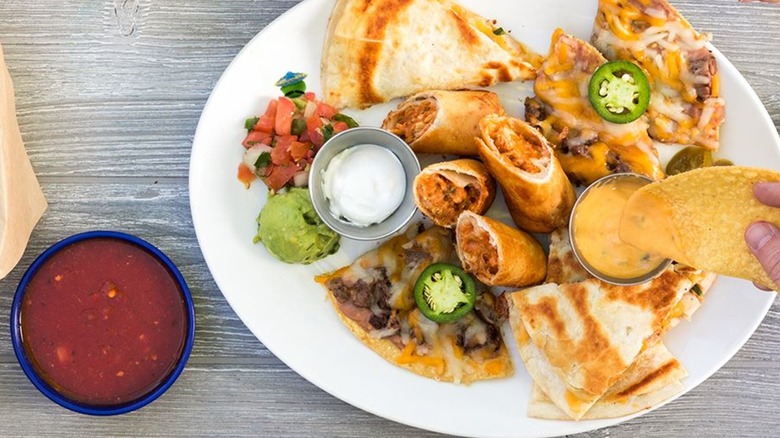
Opening a Mexican restaurant in Texas sounds like a natural idea. The state has deep Mexican roots, a strong Tex-Mex tradition, huge cities, growing suburbs, and customers who already eat tacos, fajitas, enchiladas, queso, salsa, and breakfast plates as part of normal life. That can make the business look safer than it really is.
The problem is not demand. Texans already love Mexican food. The problem is competition, expectations, cost control, location fit, labor, and the difference between serving food people recognize and serving food they will come back for every week. A new restaurant does not fail because Texas has no appetite for Mexican food. It fails because the owner misunderstands what kind of Mexican food the neighborhood wants, how hard the kitchen will be to run, and how quickly customers notice weak details.
A Mexican restaurant in Texas cannot survive on a colorful sign and a long menu. Customers know the difference between fresh salsa and flat salsa. They can tell when tortillas taste like an afterthought. They compare margaritas without needing a spreadsheet. They remember whether the fajitas arrived hot, whether the rice tasted fresh, whether the server understood the menu, and whether the price matched the plate.
Many first-time owners make the same mistakes. They copy another restaurant without understanding why it works. They rent the wrong space because the street looks busy. They build menus that are too large. They spend too much money on decor and not enough on systems. They treat Mexican food as one category when Texas customers know it has many versions.
A strong opening starts with restraint. The owner needs a clear concept, a realistic budget, a tight menu, trained staff, local knowledge, and a reason for customers to return after the first visit. The mistakes below are common because they seem reasonable at first. That is why they are dangerous.
Mistake 1: Treating Mexican Food as One Simple Category
The first mistake is assuming that “Mexican restaurant” means one thing. In Texas, that is not true. Tex-Mex, border food, street tacos, regional Mexican cooking, mariscos, breakfast tacos, tortas, modern Mexican dining, and family-style platters all carry different expectations.
A restaurant that tries to be all of them at once usually feels unclear. The customer does not know whether the place is built for a quick taco lunch, a family dinner, a date night, a late-night margarita, or a weekend brunch. That confusion affects the menu, furniture, service speed, music, pricing, and kitchen design.
Tex-Mex has its own identity. It often includes queso, fajitas, enchiladas with chili gravy, crispy tacos, refried beans, rice, and strong margarita sales. In many Texas cities, customers grew up with this food. They know what they like. They also know when a restaurant is serving a lazy version of it.
Regional Mexican food asks for a different kind of commitment. A restaurant built around Oaxacan mole, Yucatecan cochinita pibil, northern Mexican carne asada, Mexico City-style tacos, or coastal seafood cannot use generic recipes and expect trust. Customers who seek regional food want specificity. They want the owner to know the story behind the dish, not just place it under a “specialties” heading.
Street taco concepts need speed, flavor, and focus. They do not need a giant dining room with heavy service. They need good tortillas, fast assembly, clean proteins, sharp salsas, simple pricing, and steady traffic. A taco counter with slow service can lose customers even if the food is good, because many people choose tacos when they want a quick meal.
Upscale Mexican restaurants face a different problem. They must prove why a customer should pay more for dishes they may associate with casual dining. The room, cocktails, plating, ingredients, and service must match the price. A $28 entree cannot feel like a dressed-up version of a plate customers can get for half the cost nearby.
Many owners copy a restaurant from another city without adjusting it to Texas. A concept that works in Los Angeles, Miami, New York, or Chicago may not work in Dallas, Houston, San Antonio, Austin, Fort Worth, or El Paso. Texas customers have their own reference points. They may enjoy something new, but they still measure it against local standards.
The mistake becomes worse when owners confuse novelty with identity. Blue corn tortillas, agave cocktails, imported tile, and a wall mural do not create a concept by themselves. They are details. The concept is the promise the restaurant makes to the customer.
A better approach starts with one clear sentence. For example: “We are a fast lunch taco shop for office workers,” or “We are a family Tex-Mex restaurant for suburban weeknights,” or “We are a regional Mexican seafood spot built around grilled fish, shrimp, and micheladas.” That sentence helps decide everything else.
A clear identity also helps control costs. A small taco shop does not need twelve sauces, eight proteins, and three dessert options at launch. A family Tex-Mex restaurant may need larger booths, kid-friendly service, and fast refills more than rare ingredients. A cocktail-driven Mexican restaurant needs strong bar training, not just tequila on the shelf.
The restaurant owner must decide what not to be. That is often harder than choosing what to serve. Saying no to half the possible menu makes the remaining dishes stronger. It also makes marketing easier, training easier, and purchasing cleaner.
Texas rewards Mexican restaurants with a point of view. It punishes vague ones. Customers may not use business language, but they feel the difference. They return to places that know what they are.
Mistake 2: Choosing a Location That Does Not Match the Concept
The second mistake is choosing the wrong location for the type of Mexican restaurant being opened. Many owners fall in love with a space because it is available, affordable, or on a busy road. None of those details matters enough if the space does not fit the customer.
Texas is a driving state in many areas. Parking matters. Visibility matters. Access from the right side of the road can matter. A restaurant may sit near heavy traffic and still be hard to enter. A customer may pass it every day and never stop because turning in is annoying, parking is tight, or the building looks awkward from the street.
A lunch taco shop needs different traffic than a dinner-focused Tex-Mex restaurant. Office workers want speed, clear ordering, and easy pickup. Families want parking, seating, clean bathrooms, and predictable prices. A late-night taco and bar concept needs nightlife energy, rideshare access, and security awareness. A regional dining concept may need a neighborhood willing to try something specific and pay for it.
Many owners choose rent based only on the monthly number. Cheap rent can hide expensive problems. A low-rent space with poor visibility, weak air conditioning, bad plumbing, limited grease trap capacity, or no proper vent hood can drain money fast. A restaurant space that looks inexpensive can become expensive once the owner starts bringing it up to code.
The competition around the location matters, but not in the obvious way. Opening near successful Mexican restaurants is not always bad. It can mean the neighborhood already buys that type of food. The real issue is whether the new restaurant has a reason to exist beside them. If three nearby places already sell strong fajitas, queso, enchiladas, and margaritas, a fourth version needs a clear difference.
Some owners underestimate local loyalty. In Texas, many neighborhoods already have beloved Mexican restaurants. Customers may have been going there for years. They know the owners, servers, salsa, and happy hour. A new place must earn attention. It cannot assume that being new is enough.
Suburbs also require careful thinking. A suburban Mexican restaurant may need a strong dinner business, family portions, children’s items, fast takeout, and weekend consistency. Downtown locations may need lunch volume, bar revenue, event traffic, and shorter meal times. College areas may demand lower prices and late hours. Tourist areas may tolerate higher prices but also face seasonal swings.
Houston creates a different challenge than Austin. San Antonio creates a different challenge than Dallas. El Paso sits in a different food culture than Fort Worth. Smaller towns may have loyal customers but limited labor pools. Fast-growing suburbs may look attractive, but the customer base may still be forming.
A restaurant owner should study the area at different times. Monday lunch, Friday night, Sunday afternoon, and weekday dinner can tell different stories. A strip center may look active at noon and dead after 7 p.m. A downtown block may look promising on weekends but weak during weekdays. A highway location may bring visibility but few regulars.
The lease terms can become another trap. Some owners sign before fully understanding build-out limits, landlord responsibilities, signage rights, patio rules, alcohol restrictions, trash access, parking agreements, and maintenance obligations. A Mexican restaurant with heavy kitchen use needs dependable infrastructure. Poor ventilation, weak drainage, or limited storage can damage daily operations.
The patio question deserves its own attention. In many parts of Texas, patios can help sales, especially with margaritas, brunch, and evening dining. But patios also bring heat, bugs, furniture wear, staffing needs, cleaning, shade costs, and weather disruption. A patio is not free revenue. It is another service area that needs planning.
The best location is not always the flashiest. It is the one where the concept, customer, rent, access, kitchen needs, and local demand line up. Owners who skip this work often spend the rest of the business fighting the site.
Mistake 3: Building a Menu That Is Too Large to Control
The third mistake is creating a menu that tries to please everyone. New Mexican restaurants often open with tacos, burritos, enchiladas, fajitas, quesadillas, nachos, soups, salads, seafood, breakfast plates, mole, tortas, kids’ meals, desserts, and a long list of sides. The menu looks generous, but the kitchen pays the price.
A large menu creates waste. More items mean more ingredients, more prep, more storage, more spoilage, and more chances for mistakes. Avocados, limes, beef, seafood, cheese, herbs, tortillas, and fresh produce can all move in price. If the owner does not track food cost closely, the restaurant may sell a busy dining room and still lose money.
A large menu also slows the kitchen. Every extra sauce, protein, garnish, and preparation adds pressure during rushes. A cook who must handle fajitas, grilled fish, enchiladas, fried items, soups, and special orders at the same time will struggle without strong systems. When tickets slow down, customers do not care that the menu is ambitious. They care that lunch took too long.
The menu should start with a few dishes the restaurant can execute every day. A good taco is better than twelve average tacos. One memorable enchilada plate is better than six forgettable versions. A strong salsa program can matter more than adding another entree.
Tortillas deserve serious attention. In Texas, customers notice tortillas. They may not always say it directly, but they know when a tortilla tastes fresh, when it cracks, when it feels gummy, and when it tastes like a packaged afterthought. A Mexican restaurant can lose credibility fast if the tortillas do not match the promise of the food.
Salsa is another detail that carries weight. Weak salsa tells the customer the kitchen is careless. Salsa does not need to be painfully hot, but it needs flavor, balance, and freshness. A restaurant can build loyalty with two or three strong salsas served consistently. It can also damage the meal before the entree arrives by serving watery salsa with no character.
Rice and beans should not be treated as plate fillers. They sit beside many dishes and shape the customer’s impression of value. Dry rice or bland beans can make an otherwise good plate feel cheap. Strong sides make the whole menu feel more complete.
Many owners price popular items badly. Fajitas, queso, guacamole, tacos, and margaritas require careful costing. Beef prices can move. Cheese costs add up. Avocados are not stable enough to price casually. Limes can swing. Tequila pours need controls. A few cents lost on every tortilla, garnish, or sauce cup can become a serious monthly issue.
Discounts can also create trouble. Happy hour, taco Tuesday, lunch specials, and kids-eat-free offers can bring traffic, but they can also train customers to visit only when margins are thin. A discount should serve a purpose. It should fill a slow period, introduce a signature item, or support bar sales. It should not exist because competitors do it.
The drink menu needs the same discipline. Many Mexican restaurants rely on margaritas for profit, but a weak bar program leaves money on the table. A margarita list does not need twenty versions. It needs a strong house margarita, clear upgrade options, consistent pours, and staff who can sell without overcomplicating the order.
Takeout creates another menu challenge. Some dishes travel well. Others turn soggy, separate, or cool too quickly. A restaurant that expects strong delivery or pickup sales must test packaging before launch. Tacos, nachos, crispy items, and sauced dishes may need different handling. Bad takeout can create bad reviews from customers who never sat in the dining room.
A smaller launch menu protects the restaurant. It gives the team time to master prep, service, costing, and customer feedback. New items can come later. Specials can test demand. Seasonal dishes can add interest without making the main menu heavy.
The menu is not a trophy. It is an operating system. If the kitchen cannot run it during a rush, the menu is too big.
Mistake 4: Spending More on the Room Than on the Operation
The fourth mistake is spending too much money on the visible parts of the restaurant while underfunding the systems that keep it alive. New owners often focus on murals, signs, lighting, tiles, chairs, bar shelves, and social media corners. Those details can help, but they cannot replace trained people, clean recipes, strong prep, and good financial control.
A Mexican restaurant can look exciting on opening night and still fall apart by the third week. The first crowd may come because the place is new. The second visit depends on execution. If the food is inconsistent, service is slow, or the check feels wrong, the decor becomes irrelevant.
The dining room still matters. Customers need comfort, good lighting, clean tables, and enough space between chairs. The owner should choose materials that can handle salsa, spilled drinks, children, heat, and heavy cleaning. Even details like restaurant table tops should be selected with daily abuse in mind, not only how they look in photos.
The kitchen matters more than the photo corner. A restaurant serving grilled meats, rice, beans, tortillas, chips, salsas, queso, and cocktails needs organized work areas. Prep space, refrigeration, dry storage, dishwashing flow, handwashing stations, and trash handling affect every shift. If the kitchen is cramped or poorly planned, the staff will waste time and make more mistakes.
Labor planning is often too optimistic. Owners may assume they can open with a small crew and add people later. That can work in some businesses, but a full-service Mexican restaurant can become labor-heavy fast. Hosts, servers, bartenders, bussers, dishwashers, prep cooks, line cooks, managers, and cleaners all affect the guest experience.
Training should begin before opening, not after problems appear. Staff should know the menu, ingredients, spice levels, allergens, portion sizes, upsells, table numbers, service steps, and alcohol rules. A server who cannot explain the difference between dishes weakens trust. A bartender who free-pours carelessly damages margins. A cook who plates by instinct instead of standard portions creates inconsistent food cost.
Recipes need to be written. Many restaurant owners resist this because they trust a talented cook or family recipes. That can be risky. If one person holds the knowledge, the restaurant becomes dependent on that person. Written recipes protect quality. They also make training faster and costing more accurate.
Prep lists need discipline. Mexican kitchens often depend on daily preparation. Salsas, meats, beans, rice, marinades, chopped vegetables, garnishes, chips, tortillas, and sauces must be ready before service. A missing prep item during a rush causes delays across the menu.
Inventory control is not optional. Food costs can drift quietly. A restaurant may lose money through overportioning, waste, theft, bad ordering, careless storage, free staff meals, spilled alcohol, and untracked comps. The owner needs weekly numbers, not vague feelings.
Opening week can hide these issues. Friends, family, influencers, and curious locals may fill seats at first. The real test comes after the first wave, when regular customers decide whether the restaurant belongs in their routine. By then, the systems must already work.
Owners also underestimate cleaning. Mexican food can be messy in a busy restaurant. Salsa spills, grease, tortilla crumbs, sticky bar tops, patio dust, bathrooms, high chairs, and kitchen floors all require constant attention. Cleanliness affects reviews and repeat visits. It also affects staff pride.
Technology should support the operation, not complicate it. A point-of-sale system, online ordering platform, reservation tool, loyalty program, and delivery integration can help, but only if staff understand them. Too many tools at launch can create confusion. The restaurant needs clean order flow before adding extra layers.
The owner should also plan for management fatigue. Running a restaurant means mornings, nights, weekends, vendor calls, staff issues, equipment problems, customer complaints, payroll, repairs, and local marketing. Passion for food does not replace management stamina.
A strong restaurant feels calm to the customer because the chaos is handled behind the scenes. That calm is not accidental. It comes from systems, training, and daily discipline.
Mistake 5: Assuming Texas Customers Will Return Without Local Trust
The fifth mistake is thinking customers will keep coming just because the restaurant serves Mexican food. Texas has enough options. A new restaurant must earn trust fast and keep earning it.
Local trust starts before opening. The owner should understand the neighborhood, not just market to it. A family suburb, a college district, a downtown office area, a tourist zone, and a border community all respond to different messages. The restaurant should speak to the people nearby, not to a generic idea of “Texas diners.”
Many new restaurants rely too much on social media. Photos can bring first visits, but food and service create repeat visits. A viral taco, colorful margarita, or neon sign may create attention for a week. A regular customer is built through consistency.
Reviews matter quickly. A Mexican restaurant can receive dozens of online reviews in its first month. Slow service, cold food, weak salsa, small portions, rude staff, parking issues, and high prices can all appear online before the owner has settled into operations. Early mistakes can become part of the public record.
The owner should respond to reviews with care. Defensive replies make the restaurant look worse. A clear response, a correction when needed, and visible improvement can help. But the best review strategy is preventing common complaints through training and quality control.
Community ties help more than many owners expect. A restaurant can build loyalty through school events, local sports teams, church groups, nearby offices, neighborhood associations, and repeat customer recognition. This does not mean giving away food constantly. It means becoming part of local routines.
Regulars matter. A server who remembers a family’s usual order can do more for loyalty than a paid ad. A manager who visits tables and handles mistakes calmly can save a customer relationship. A bartender who knows regulars by name can support weekday business.
Cultural respect also matters. Mexican food carries history, labor, family memory, and regional identity. Customers may not demand academic explanations, but they notice when a restaurant uses culture as decoration without care. Respect shows up in hiring, recipes, language, music, menu descriptions, and the way staff talk about dishes.
Authenticity is not a simple checklist. A restaurant can serve Tex-Mex honestly. It can serve regional Mexican food honestly. It can serve modern Mexican food honestly. The issue is not whether every dish is traditional. The issue is whether the restaurant knows what it is doing and avoids treating Mexican culture as a costume.
Alcohol can help revenue, but it can also distract from food. Some owners lean hard on margaritas, tequila flights, and weekend crowds while neglecting the kitchen. That may work briefly, but a weak food reputation limits long-term growth. A Mexican restaurant with a bar still needs strong food.
Owners should also understand Texas drinking patterns and responsibilities. Alcohol service requires training, controls, and judgment. Overserving creates legal and safety risks. Poor pour control damages profit. A loud bar atmosphere can also push away families if the concept is not built for nightlife.
The restaurant should develop a weekly rhythm. Monday may need a simple dinner special. Tuesday may bring tacos, but only if the deal makes financial sense. Friday may focus on fajitas and margaritas. Sunday may bring families after church or weekend activities. A restaurant that understands its week can staff, prep, and market with more precision.
Opening promotions should not create false demand. A huge discount may fill the room once, but it does not prove the concept works. Better opening offers introduce signature items and invite repeat visits. The goal is not only traffic. The goal is a habit.
The strongest Mexican restaurants in Texas often become part of memory. People remember where they went after games, where they took relatives, where they had their first date, where they picked up breakfast tacos before work, and where the salsa always tasted right. A new restaurant earns that place slowly.
The owner must also accept that Texas customers are not all the same. Some want classic Tex-Mex. Some want street tacos. Some want birria. Some want seafood. Some want handmade tortillas. Some want a clean, affordable family dinner. Some want a polished cocktail night. The restaurant does not need to serve all of them. It needs to serve the right group well.
A Mexican restaurant in Texas can succeed, but it has to be built with clear choices. The owner must choose a specific identity, a location that fits, a menu the kitchen can control, systems that survive pressure, and a relationship with the neighborhood.
The common mistakes all come from the same root: assuming demand will solve weak planning. It will not. Demand brings customers through the door once. Planning brings them back.
A new Mexican restaurant should open smaller, sharper, and more honest than the owner first imagined. It should serve fewer dishes better. It should train before the rush. It should test the kitchen before promising delivery. It should be priced with real numbers. It should choose decor that supports the meal instead of trying to replace it.
Texas does not need another generic Mexican restaurant. It has enough of those. It will make room for a place that knows its food, respects its customers, controls its costs, and gives the neighborhood a reason to return.