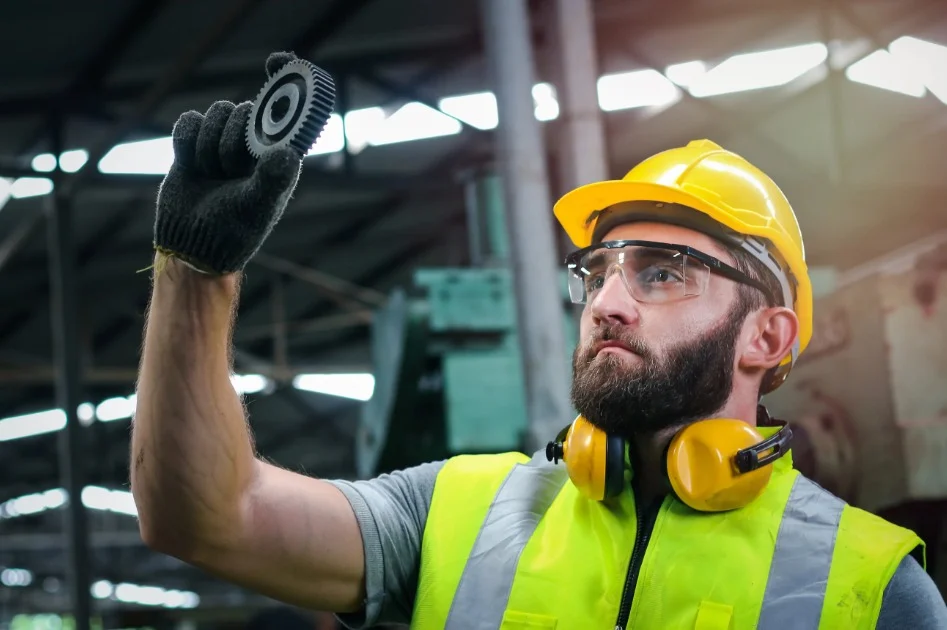
Many workers assume all safety eyewear offers the same level of protection. In reality, there can be significant differences between standard protective eyewear and ANSI Z87 Safety Glasses that meet recognized safety standards. Understanding those differences is important for anyone working in environments where flying debris, impact hazards, dust, or chemical exposure are daily concerns.
Choosing the right eyewear is not simply about comfort or appearance. It is about ensuring your eyes have the appropriate level of protection for the specific hazards you face on the job. Knowing what separates certified safety eyewear from regular safety glasses can help prevent injuries and improve workplace compliance.
Why ANSI Z87 Safety Glasses Matter
The ANSI Z87.1 standard is one of the most widely recognized safety eyewear standards in North America. It establishes testing requirements for impact resistance, coverage, durability, and overall protective performance.
When eyewear meets these requirements, users can have greater confidence that the glasses have been evaluated against specific workplace hazards.
Unlike generic protective eyewear, ANSI Z87 Safety Glasses undergo testing designed to verify their ability to withstand conditions commonly encountered in industrial and occupational settings.
What Does ANSI Z87.1 Mean?
ANSI stands for the American National Standards Institute. The Z87.1 designation refers specifically to standards developed for eye and face protection.
Products meeting these requirements are evaluated for:
- Impact resistance
- Lens retention
- Coverage area
- Frame durability
- Optical clarity
- Protection from workplace hazards
This testing helps establish a measurable level of protection rather than relying solely on manufacturer claims.
Regular Safety Glasses vs. ANSI Z87-Certified Glasses
The biggest misconception is that any pair labelled as safety glasses automatically provides certified protection.
Some protective eyewear may offer basic coverage but has not necessarily been tested against established ANSI standards.
Key Differences at a Glance
| Feature | ANSI Z87-Certified Glasses | Regular Safety Glasses |
| Impact Testing | Yes | Not always |
| Lens Retention Testing | Yes | Varies |
| Compliance Verification | Yes | Often limited |
| Marked Certification | Yes | Not always |
| Workplace Acceptance | Widely accepted | Depends on employer |
| Hazard Protection | Verified | May vary |
This distinction becomes especially important in workplaces where compliance with safety regulations is required.
Understanding Impact Protection
Impact protection is one of the most important factors separating certified eyewear from basic safety glasses.
Workers in construction, manufacturing, warehousing, laboratories, and industrial environments face risks from flying particles, tools, equipment, and debris.
Common Workplace Hazards
- Metal fragments
- Wood chips
- Dust particles
- Fast-moving debris
- Equipment failures
- Accidental impacts
Z87 safety glasses are designed to address these risks through standardized testing procedures that evaluate both lenses and frames.
Without certified testing, it can be difficult to determine how much protection a product actually provides.
Why Certification Markings Matter
One of the easiest ways to identify compliant eyewear is by looking for certification markings.
ANSI-certified eyewear includes markings that indicate compliance with applicable testing standards.
What to Look For
Certified products typically display:
- Z87 markings on frames
- Safety markings on lenses
- Manufacturer identification
- Additional impact ratings when applicable
These markings help employers and workers verify that eyewear meets recognized safety requirements.
Side Protection Is Often Overlooked
Many eye injuries occur from objects approaching from angles rather than directly from the front.
Certified eyewear often incorporates design features intended to improve lateral protection.
Benefits of Enhanced Coverage
- Better protection from airborne debris
- Improved side shielding
- Greater workplace compliance
- Increased user confidence
Coverage can be just as important as impact resistance when selecting protective eyewear.
The Growing Demand for Modern Safety Eyewear
Today’s workforce expects more than basic protection. Comfort, style, and wearability have become increasingly important factors when selecting safety glasses.
Comfort and wearability play a significant role in compliance rates, which is one reason many workers prefer modern Z87 safety glasses when given the option of lighter frames, better fit, and contemporary styling.
Modern designs demonstrate that workers no longer need to choose between protection and appearance.
When Safety Goggles ANSI Z87 1 Are the Better Choice
While safety glasses provide protection in many situations, some environments require additional coverage.
This is where safety goggles ANSI Z87 1 standards become especially important.
Jobs That May Require Goggles
| Work Environment | Reason for Goggles |
| Chemical handling | Splash protection |
| Laboratories | Enhanced coverage |
| Dust-heavy environments | Sealed protection |
| Grinding operations | Particle containment |
| Manufacturing processes | Increased hazard exposure |
Goggles create a more enclosed protective barrier compared to traditional glasses.
Comfort and Compliance Go Hand in Hand
Even the most protective eyewear cannot perform effectively if workers remove it because it is uncomfortable.
Modern ANSI Z87 Safety Glasses are designed with features that encourage consistent use throughout the workday.
Features That Improve Wearability
- Lightweight materials
- Adjustable nose pads
- Flexible temples
- Improved frame balance
- Anti-slip components
These improvements help workers maintain protection without sacrificing comfort.
How to Choose the Right Safety Eyewear
Not every workplace requires the same level of protection. Selecting the right eyewear starts with understanding workplace hazards.
Questions to Consider
- Is there a risk of impact?
- Are chemicals present?
- Is dust exposure common?
- Are side hazards a concern?
- Does the job require all-day wear?
The answers help determine whether standard safety glasses, Z87 safety glasses, or goggles provide the most appropriate protection.
Common Myths About Safety Glasses
Several misconceptions continue to create confusion among workers.
Myth #1: All Safety Glasses Are the Same
Certification standards vary significantly. Not all protective eyewear undergoes the same testing.
Myth #2: Style Reduces Protection
Modern designs can provide both protection and comfort while maintaining compliance.
Myth #3: Certification Only Matters in High-Risk Jobs
Even moderate workplace hazards can cause serious eye injuries. Appropriate protection is valuable across many industries.
Why Employers Often Specify ANSI-Certified Eyewear
Employers are responsible for maintaining safe work environments and reducing preventable injuries.
Certified protective eyewear helps support:
- Workplace compliance
- Employee safety
- Risk reduction
- Consistent performance standards
For this reason, many organizations specifically require ANSI Z87 Safety Glasses rather than non-certified alternatives.
Conclusion
The difference between regular safety glasses and certified ANSI Z87 Safety Glasses extends far beyond labelling. ANSI-certified eyewear undergoes testing for impact resistance, durability, retention, and overall protective performance, providing workers with greater confidence in their protection.
Whether working in industrial facilities, warehouses, laboratories, construction sites, or manufacturing environments, selecting certified Z87 safety glasses helps ensure that eye protection meets recognized standards. When safety, compliance, and long-term wearability matter, understanding these distinctions can make a meaningful difference in workplace protection.