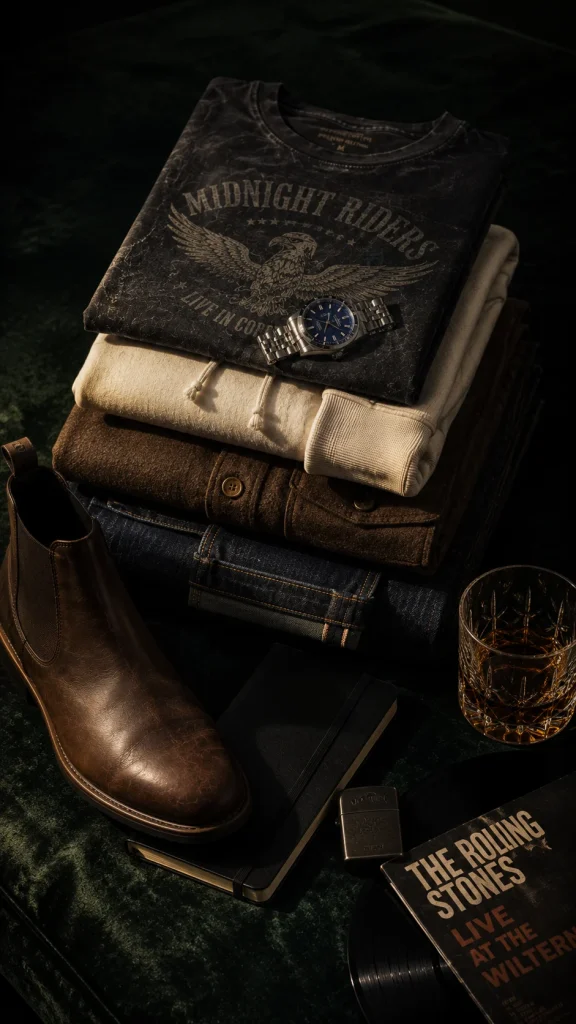
Why Your Wardrobe Needs to Evolve After 30
Something happens to most guys around 30. The clothes that worked through your 20s start feeling slightly off, even when you can’t quite say why. The photos look a little awkward. Mirrors register differently. The same hoodie that paired with denim and sneakers at 26 reads as trying too hard at 32. So your wardrobe needs to evolve, and a Parke hoodie sits at the center of that evolution for a lot of guys. The fit gets more deliberate. The fabric gets heavier. The colors lean more neutral. Plus, the accessories you pair with everything start carrying more weight than the clothes themselves. The shift isn’t about losing personality. It’s about expressing personality differently. Loud graphics fade. Subtle quality cues take over. The pieces that worked when you were figuring yourself out get replaced by pieces that reflect who you actually became. The challenge is that nobody teaches you how to make this transition. So most guys either freeze (still dressing like a college student at 35) or overcorrect (jumping into business casual at 30 and looking older than they actually are). The middle path is what this guide breaks down. Smart casual with personality. Mature without being stiff. Honest about who you are, rather than chasing whatever the algorithm suggests this week. Honestly, I think this is one of the most overlooked wardrobe transitions in modern menswear. Almost nobody writes about it, even though almost every guy I know between 30 and 40 wrestles with it at some point. The rest of this guide walks through the specific pieces and habits that make the transition work.
The Subtle Mistakes That Quietly Age You
Most guys past 30 don’t realize what’s making their outfits feel slightly off. So the first step toward dressing well after 30 is spotting the specific mistakes that quietly drag the whole look down. The biggest one is wearing pieces that are slightly too tight or slightly too loose. Your 20s let you get away with either extreme, but past 30, the body shape shifts subtly enough that fit needs to land more carefully. Slim-cut hoodies that hug the body too tightly read as desperate to look young. Oversized streetwear cuts that worked at 25 start reading as costume at 33. The fix is mid-fit pieces with intentional drape. Neither tight nor baggy, just clean. The second common mistake is keeping pieces past their visible expiration. A faded graphic tee from 2018 that’s gone limp at the neckline and pilled at the seams doesn’t read as vintage. It reads as tired. So replacing those pieces with similar-spirit alternatives in better condition makes a huge visual difference. The third mistake is over-relying on logos and obvious branding to signal taste. In your 20s, wearing the right brand telegraphs that you know what’s cool. After 30, the logos start working against you. People notice the brand-flexing and read it as compensating. So shifting toward quieter pieces (still good quality, but without the prominent logos) ages you down rather than up. One hands-on observation: a quality hoodie without any visible branding photographs noticeably better than the same quality hoodie covered in a brand mark. The eye relaxes when the piece isn’t shouting at it. So minimal branding signals confidence in a way that maximum branding never can.
The Adult Casual Wardrobe Audit Checklist
Before you spend any money on new pieces, audit your current closet to see what’s actually working and what’s quietly aging you. So I built this checklist after watching too many friends panic-buy entire new wardrobes when only three or four pieces needed replacing. Here are the seven things to check this weekend:
- Inspect every hoodie and sweatshirt for cuff stretching and color fading. Visible wear past a certain point makes you look like you stopped paying attention. Retire anything that crosses that line.
- Try on every pair of pants in front of a full mirror. Tightness at the thigh or pooling at the ankle creates problems you can’t fix with the rest of the outfit.
- Check the soles and creases of every pair of shoes. Worn-out shoes drag down even the best clothing above them.
- Look at every graphic tee or branded piece honestly. If the artist, brand, or design no longer reflects who you are, the piece is working against you in photos.
- Examine your watch (or absence of one). A fashion watch with a ticking quartz movement reads cheaper than no watch at all in most adult outfits.
- Survey your color palette across the closet. Too many bright colors signals stuck-in-your-20s. Too many blacks signals trying-too-hard adult. Aim for neutrals with one or two accent colors.
- Pull out anything you haven’t worn in six months. Either the fit changed, the style stopped working, or it’s failing in some specific way worth identifying.
Run this audit honestly, and you’ll come away with maybe five to eight pieces that need to be replaced over the next year. Most guys discover their wardrobe is roughly 60 percent still functional and 40 percent quietly drag-down material. So the cost of the audit isn’t a full wardrobe replacement. It’s a thoughtful upgrade of the specific pieces that aren’t pulling their weight anymore, which usually costs less than people expect.
Why a Parke Hoodie Replaces Mall Brands After 30
The biggest single upgrade in an adult casual wardrobe is moving from mall-brand hoodies to quality specialty hoodies. So a piece like a parke hoodie sits at the foundation of this transition. The fabric weight runs 380 to 450 gsm cotton with brushed fleece interior, which delivers the substantial drape that mass-market hoodies can’t match. The cut sits clean across the shoulders without dropping down the bicep or pinching at the waist, which keeps the silhouette intentional even when you’re wearing the piece on a casual day. The construction details (double-stitched ribbing, proper kangaroo pocket anchoring, hood lining that matches body weight) translate into a piece that still looks new after a year of regular wear. So you stop replacing hoodies every six months and start keeping the same pieces in rotation for three to five years. Color choice matters more after 30 than it did before. Cream, charcoal, faded black, deep navy, and olive all work because they pair cleanly with everything else in a smart adult wardrobe. Bright colors and loud graphics still have their place, but they should appear selectively rather than dominating the closet. So the premium hoodie should always lean neutral, and the personality pieces (graphic tees, tour merch, statement caps) should add color sparingly. The other benefit of a quality hoodie past 30 is how it pairs with slightly more refined pieces. A specialty hoodie layered under a chore jacket, paired with chinos and chukkas, and finished with a clean watch, reads as adult casual. The same outfit with a mall hoodie underneath reads as compromised. So the foundation piece sets the ceiling for everything else you build on top of it. Honestly, I’d take one quality $100 hoodie over five $30 alternatives every time after 30. The math works out, and the daily wearing experience is dramatically better.
Signs Your Style Has Genuinely Matured
Knowing whether your wardrobe has actually evolved past your 20s requires honest self-assessment. So watch for these specific signs that your style has shifted into adult-casual territory rather than getting stuck in extended adolescence. Each of these signals a genuine maturation:
- You stop buying clothes impulsively. Random scrolling-to-cart purchases drop dramatically. You start sleeping on decisions before clicking buy.
- You notice quality details before brand names. Fabric weight, stitching, fit, and drape register before the label does. The label becomes secondary.
- Your closet has fewer pieces but more wearable outfits. Quantity drops. Versatility climbs. The math of cost-per-wear takes over from cost-per-piece.
- You stop chasing trends past a one-year mark. A trend that’s been around for less than 12 months feels like noise. Pieces with longer staying power get the investment instead.
- Your accessories rotate but your foundation pieces don’t. The hoodie, the denim, the boots, the watch stay consistent. The caps, graphic tees, and seasonal accessories rotate around them.
- You take photos more comfortably than you used to. Confidence in how the outfit photographs means you stop avoiding cameras. That comfort itself signals the wardrobe is working.
- Other people compliment specific pieces rather than the overall outfit. Comments shift from “nice fit” to “where’d you get the watch?” or “what’s the brand on that hoodie?” The granularity of attention is a real signal.
So apply this honestly. If you’re hitting four or five of these signals, your style has actually matured. If you’re hitting fewer, the audit from the previous section probably surfaced what needs work. The signals aren’t about looking older. They’re about looking like you understand yourself. Plenty of guys at 27 hit all seven signals because they figured it out early. Plenty of guys at 38 still hit only two because they never thought about it deliberately.
Keeping Personality Alive Through Smart Merch Choices
Maturing your wardrobe doesn’t mean abandoning personality. So the trick after 30 is being more selective about which personality pieces actually make the cut. The mistake most guys make is either keeping every graphic tee they ever bought (cluttering the closet) or purging all of them at once (losing personal identity entirely). The middle path is keeping three to five graphic or merch pieces that genuinely reflect who you are now. A piece from Zach Bryan merch is a good example of selective personality. The graphic ties to an artist you actually listen to. The construction quality holds up to wear past 30. The fit isn’t trying to fake a teenage silhouette. Compare that to the random concert tee you got at 22 from a band you no longer follow. That tee no longer signals who you are. It signals who you were. Replacing it with current merch from artists or causes you connect with right now keeps personality alive without dragging the closet backward. Pairing matters more than the pieces themselves at this stage. A graphic tee under a quality hoodie reads as personality with polish. The same tee with cargo shorts reads as not having moved on. So the supporting pieces around your merch determine whether the merch reads as adult casual or stuck-in-college. Concrete observation worth flagging: people compliment merch pieces more often when you wear them with mature surrounding clothing than when you wear them with college-coded pieces. The merch becomes the focal point rather than fighting for attention against ten other youth signals. So selectivity about which pieces stay, and intentionality about how you pair them, let personality survive the transition. Letting go of pieces that no longer represent you and keeping the pieces that do is the whole game.
The Watch That Signals You Know What You’re Doing
A watch becomes the most important single accessory in an adult casual wardrobe. So picking the right one matters disproportionately to how often you actually look at it. The challenge is that genuine luxury watches in classic casual styles cost $5,000 to $15,000, which sits out of reach for most guys at 32. Specialty alternatives fill the gap effectively. A piece from a fake Rolex collection delivers the classic silhouette (Submariner, Datejust, Day-Date references) at a price point where you can actually own the piece without saving for years. The 36mm to 41mm case size pairs naturally with adult casual outfits. Bigger sports watches read as trying to look successful rather than as actually being settled. So sizing matters. Stainless steel finishes work better than gold tones for adult casual wear. Stainless reads as confident and quiet. Gold reads as trying to signal wealth. So the dial color and case finish should both lean toward understated rather than flashy. Dial color also signals different things. A black or deep blue dial pairs with most adult casual outfits and reads as classic without trying. A green dial leans contemplative and pairs well with neutral wardrobes. A champagne or silver dial reads slightly dressier and works better with overshirt-and-chinos outfits than with hoodie-and-denim ones. Bracelet choice between Oyster (sporty) and Jubilee (slightly dressier) shifts the energy without changing the watch’s essential identity. Most adult casual wardrobes work better with the Oyster bracelet, which keeps the watch in the same register as the rest of the outfit. One thing worth noting honestly: a quality automatic watch with a smoothly sweeping seconds hand registers as adult signaling in a way that ticking quartz simply can’t replicate. The mechanical movement reads as deliberate. The plastic ticking reads as default.
Building the Adult Wardrobe Gradually Without Overspending
Replacing your wardrobe entirely in one shopping spree usually backfires. So building the adult casual closet gradually over nine to twelve months delivers better results than trying to fix everything at once. Start with the hoodie because it carries the most daily wear. Spend $90 to $130 on a quality piece in a neutral color. Wear it constantly for two to three weeks to confirm the fit and construction hold up to your actual lifestyle. Then add the watch next, since it becomes the visual signature for almost everything else you wear. Aim for $400 to $700 on a quality specialty alternative or save longer for a genuine entry-level. After hoodie and watch are settled, the rest of the wardrobe upgrades fill in naturally. Better denim. Better boots. A chore jacket or overshirt. One or two pieces of merch that genuinely reflect who you are now. The total spend over a year usually runs $1,500 to $2,500 if you do it deliberately. That sounds high until you compare it to the constant churn of cheaper purchases that most guys default to. Spending $80 a month on random fast-fashion adds up to similar money over the same period, but the closet at year-end looks dramatically different. Now, an honest limitation worth flagging: this approach assumes you have the budget and lifestyle flexibility to spread the upgrades over a year. Guys in tight financial situations can’t always make this work, and that’s a real constraint. So if money is genuinely tight, focus on the audit step alone. Identifying what’s pulling your style down costs nothing. Replacing pieces can wait until the budget allows. The signal from a clean, honest evaluation matters more than the specific brands you eventually buy. So start there and let the rest follow when you can afford it.
Final Words
Style maturity isn’t about looking older. It’s about looking like you understand who you are. So the goal of the adult casual wardrobe is supporting the version of yourself you’ve actually become rather than chasing the version other people show you on a screen. Start with one quality hoodie. Add a watch that reads classic. Keep a few pieces of merch that genuinely matter to you. A year from now, your closet will look completely different, your photos will land more naturally, and the way you move through your daily life will feel slightly more settled in ways you didn’t expect.
FAQs
Q: At what age should I start upgrading from mall brands to specialty brands?
There’s no exact age, but most guys notice the shift around 28 to 32. If you’ve been wearing the same brands since college and your outfits start feeling slightly off in photos, that’s the signal. Spotting it and acting on it matters more than hitting a specific number.
Q: Can I still wear graphic tees and tour merch after 30?
Absolutely, but selectively. Keep pieces tied to artists, causes, or brands you genuinely connect with right now. Retire pieces from your college years that no longer represent who you are. The point is intentionality, not avoidance.
Q: What’s the single biggest mistake men make when upgrading their wardrobe after 30? Buying everything at once. Replacing a full wardrobe in one shopping spree usually leads to pieces that don’t actually fit your lifestyle. Gradual upgrades over nine to twelve months work much better because each new piece gets tested before you add the next.
Q: Do I really need a watch in 2026 when everyone checks the time on their phone?
A watch on the wrist communicates differently than pulling out a phone. It signals self-awareness and intentionality. Most guys past 30 who add a quality watch notice immediate shifts in how they’re perceived in meetings, dinners, and casual social settings.
Q: How can I tell if a hoodie is actually high quality before buying it online?
Check the fabric weight in gsm (380 to 450 is the target), the cotton percentage (100 percent is ideal), and the construction details visible in close-up photos. Quality brands show these details openly. Brands that hide them usually have reasons you wouldn’t like.