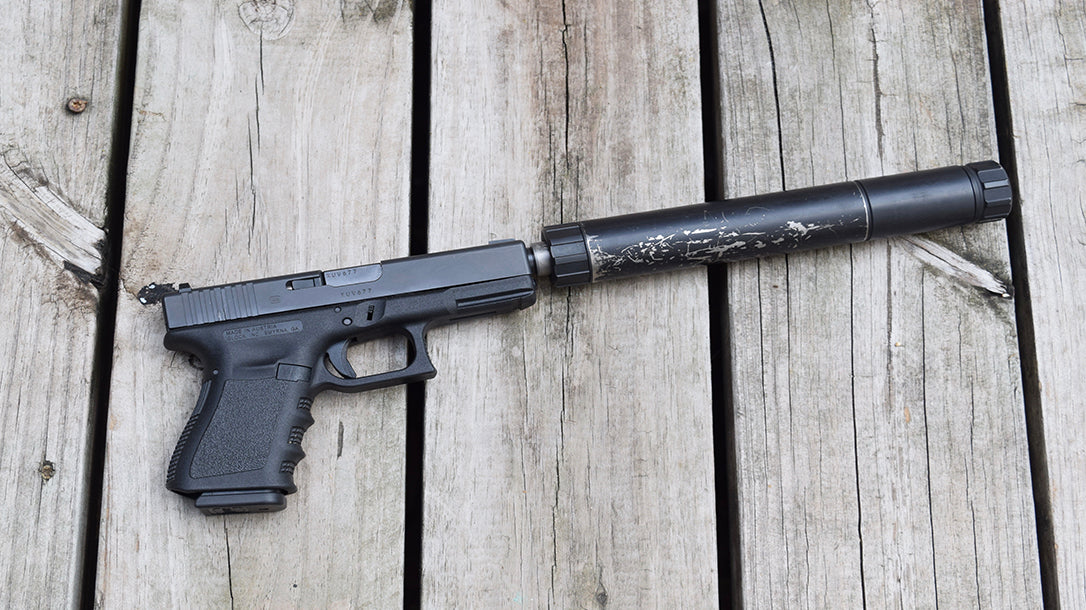
A suitable sound-reduction setup depends on the firearm, caliber, shooting activity, and preferred configuration. Hunters, precision rifle users, pistol owners, and rimfire shooters may each place different features at the top of their list. Product dimensions, weight, mounting choices, approved cartridges, and maintenance access can help narrow the options.
Some models also support several firearm platforms with compatible accessories. A useful comparison should begin with the intended application and continue with published product specifications. This article explains how to compare available options for several common shooting styles.
Compare Weight and Size for Hunting Use
Hunters should compare silencers by looking at total weight, overall length, caliber compatibility, and the firearm application listed for each model. Lightweight options can suit hunting rifles where overall equipment weight remains an important consideration. Compact dimensions may also appeal to users who prefer a shorter complete setup.
The comparison should not stop at size alone. Buyers must check approved cartridges and minimum barrel-length guidance for the selected product. Caliber compatibility information can show which options suit specific hunting rifles and ammunition types.
Review Application Ratings for Precision Rifles
Precision rifle shooters should begin with products listed for bolt-action, hunting, or precision rifle applications. Fitment information identifies suitable firearm categories and shows which options support specific calibers. These details provide a clear basis for narrowing the available choices.
Weight, length, diameter, and construction material can help users compare the remaining products. Some rifle options use titanium to reduce overall weight, whereas others use different materials and configurations. Published specifications allow buyers to examine these differences without relying on broad assumptions.
Check the Complete Mounting Configuration
A model may support direct-thread inserts, quick-attachment systems, or other compatible mounting components. Buyers should review which mount comes with the product and which additional accessories work with it. The accessory fitment guide can confirm compatible adapters, muzzle devices, and thread options.
Consider Gas-Focused Designs for Semiautomatic Rifles
Semiautomatic rifle users can compare products designed to reduce blowback or manage gas near the shooter. Some rifle designs place specific emphasis on low-back-pressure performance. Product descriptions can help buyers identify options developed for this type of firearm application.
Caliber ratings and minimum barrel lengths still require careful review. A model approved for one platform may have separate limits for another cartridge or barrel configuration. Buyers should consult the current compatibility chart and product manual before making a selection.
Match Pistol Options With the Correct Components
Pistol owners should first identify the handgun’s action and barrel type. A tilting-barrel or Browning-style action requires a booster assembly and a piston with the correct thread pitch. Fixed-barrel platforms require a different mounting arrangement listed in the relevant guidance.
Modular pistol products may offer full-length and shorter configurations. These options allow users to compare dimensions, weight, caliber support, and included components. The product manual also explains approved assembly, mounting, inspection, and care procedures.
Examine Accessory Support for Multi-Platform Use
Shooters with several compatible firearms may prefer silencers that accept multiple mounting systems or adapters. Certain multi-caliber products support rifle, pistol, and subgun applications through approved accessories. Their specifications explain the supported configurations and required components.
Buyers should compare rear thread specifications, available mounts, pistons, fixed adapters, and muzzle devices. Every component must suit both the selected product and the host firearm. Reviewing the complete configuration before purchase creates a clearer comparison.
Different shooting styles call for different product characteristics and accessory combinations. Hunters may examine weight, precision users can review listed applications, and semiautomatic rifle owners can consider gas-focused designs. Pistol and rimfire users should also pay close attention to mounting parts and maintenance access. Published specifications, manuals, and fitment guidance provide the most dependable foundation for selecting a compatible setup.