Have you ever walked into a room that looked almost right, but something felt off? Maybe the sofa was perfect, the rug pulled the space together, and the lighting cast a warm glow, yet the whole scene seemed to hold its breath waiting for one final touch. More often than not, that missing element is a small, understated piece of furniture that quietly ties everything together. A round side table has a way of doing exactly that, softening angles, filling awkward gaps, and offering just enough surface for the essentials of daily life. So the real question becomes, could this humble piece be the design solution you have been overlooking all along?
Why Do Curves Feel So Right Beside Straight Lines?
Interior design is a conversation between shapes, textures, and proportions. Sofas, sectionals, and armchairs almost always come with strong horizontal lines and boxy silhouettes. That structure is essential for comfort and stability, but a room built entirely on rectangles can feel rigid, even a little cold. This is where circular forms step in as a natural counterbalance. A round shape softens the visual grid, invites the eye to travel smoothly, and adds a sense of ease. When placed next to a linear sofa or between two upright chairs, the curved silhouette of a well-chosen accent table introduces rhythm rather than repetition.
There is also a practical reason curves work so well in shared spaces. Without sharp corners, a circular surface reduces the risk of bumps and bruises in high-traffic areas, which matters especially in homes with children, pets, or lively gatherings. Choosing a round side table can therefore be as much about safety and comfort as it is about style. The best pieces manage to serve both purposes at once, offering a functional landing spot without ever compromising the aesthetic mood of the room.
What Makes One Design Feel Timeless and Another Feel Dated?
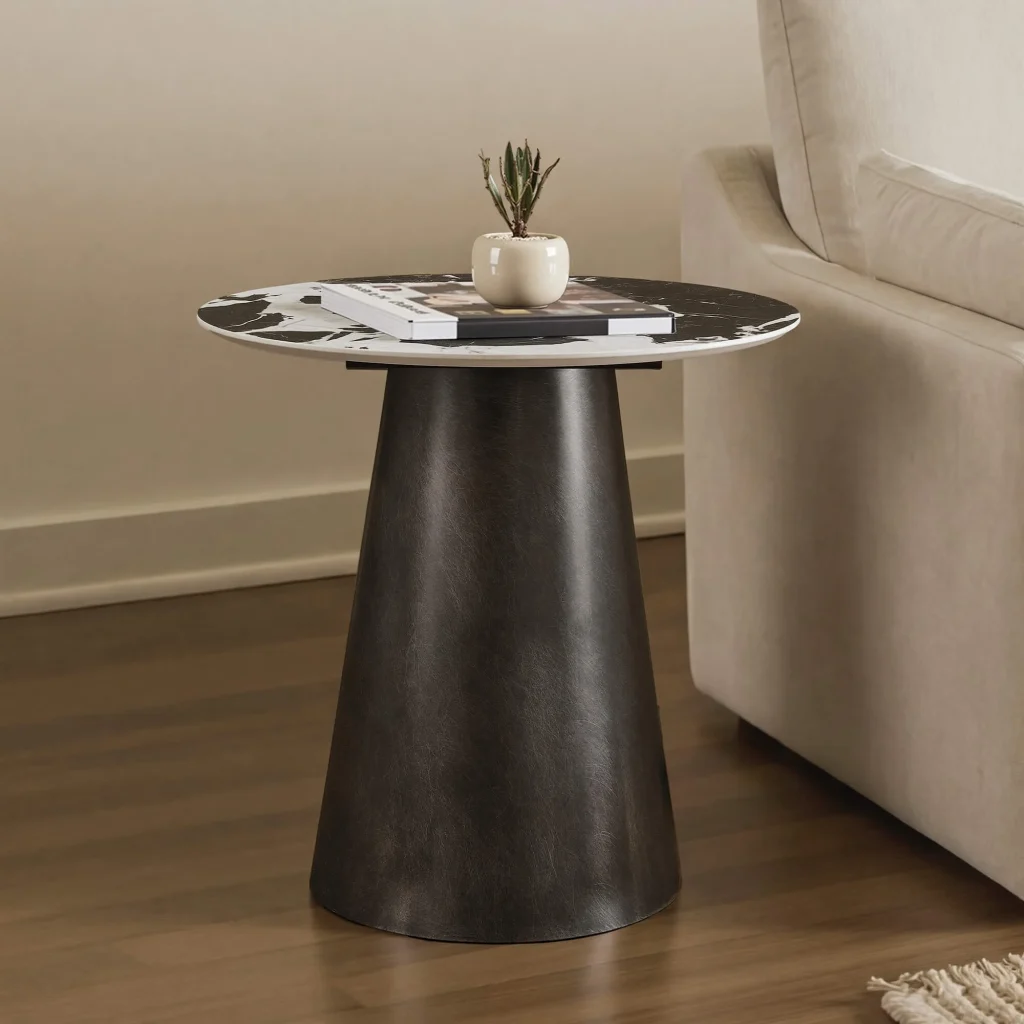
Not every accent piece ages gracefully. Some designs shout the trends of a single season and then quickly feel out of place, while others slip into a room and settle in for years. The difference usually comes down to three things: proportion, material, and craftsmanship. A carefully proportioned tabletop feels balanced against the height of a sofa arm, sitting neither too low nor too tall. Materials like solid wood, honed stone, ceramic, and natural rattan carry a sense of quiet permanence, while glossy plastics or trend-driven finishes often feel disposable. Craftsmanship shows in the details, such as smooth edges, sturdy joinery, and finishes that resist scratches and stains.
Consider the pedestal base as an example. It is a form that appears in ancient sculpture, mid-century interiors, and contemporary boutique hotels alike. Its longevity is not accidental. A single column supporting a circular top creates a light footprint, meaning it takes up less visual space than a four-legged design. This makes it easier to layer into rooms of any size, from a compact reading nook to a sprawling great room. When shopping, look for weightiness, honest materials, and simple lines. Those qualities tend to outlast passing fads by decades.
Where Should You Place It for the Biggest Impact?
Placement transforms a good piece of furniture into a great one. The most obvious spot is at the end of a sofa, standing in as a home for reading lamps, remotes, and evening drinks. But this is only the beginning. A round accent surface can float between two lounge chairs, becoming a shared gathering point for coffee and conversation. It can nest beside a bed as a compact nightstand, offering a place for books and a glass of water without dominating the corner. It can even step into an entryway as a landing zone for keys, mail, and a small vase of seasonal branches.
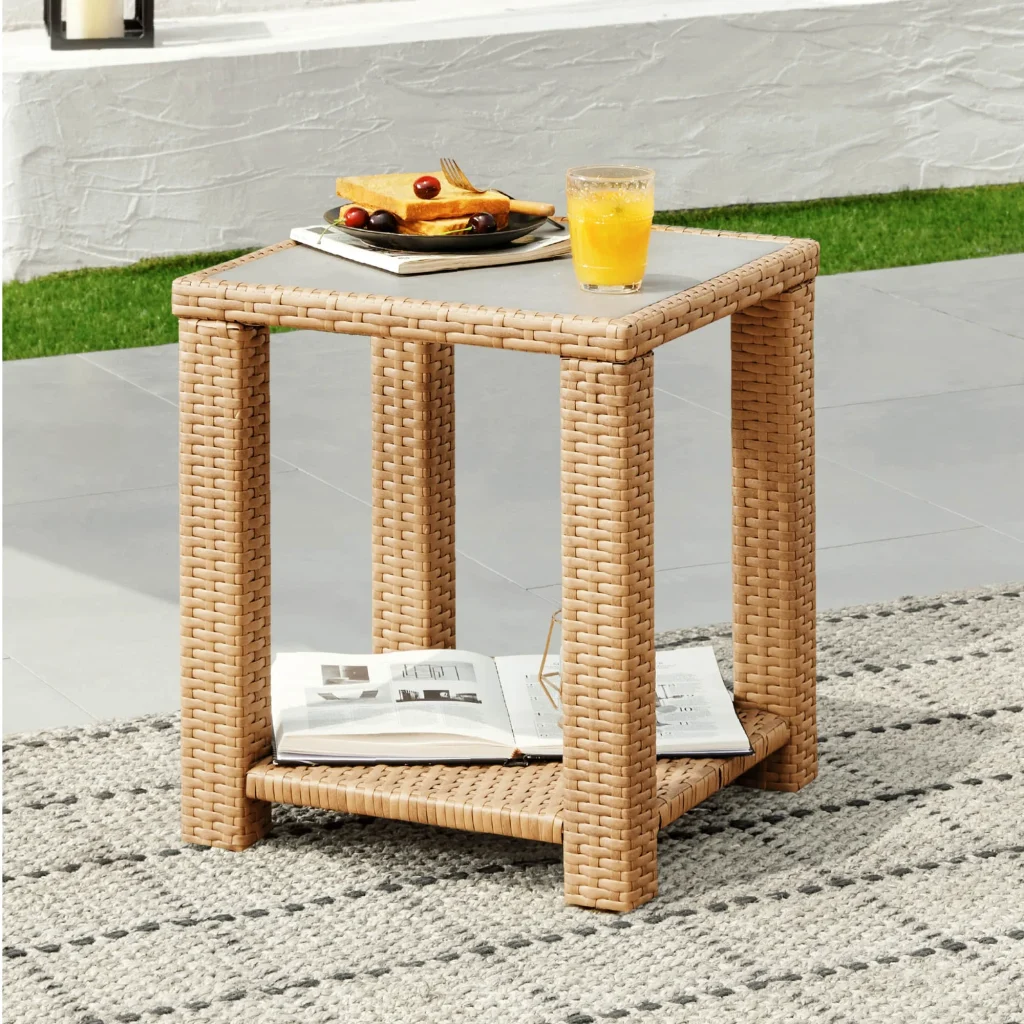
Outdoor spaces benefit from the same design logic. A weather-friendly circular piece brings intimacy to a patio, letting two chairs share a spot for morning coffee without crowding a larger dining set. When the surface material is durable enough to handle sun, humidity, and the occasional rain shower, the piece becomes a year-round companion rather than a seasonal accessory. Woven rattan finishes, sealed teak, and powder-coated metals all deliver on this front, blending texture and toughness in equal measure.
How Do You Choose the Right Height and Size?
Size and scale are the twin details most people overlook, and yet they are the details that separate a room that feels put-together from one that feels slightly off. The tabletop should generally sit within a couple of inches of the armrest of the sofa or chair it accompanies. Too tall, and the piece feels bulky and blocks sightlines. Too short, and reaching for a mug becomes an awkward stretch. Standard heights hover around twenty two to twenty six inches, but always measure your own seating before committing to a purchase.
Diameter matters just as much. In a smaller apartment, a diameter of around sixteen to twenty inches keeps the piece proportional and easy to walk around. In a more generous living space, a diameter closer to twenty four inches gives you room for a stack of books, a decorative tray, and a small lamp without feeling crowded. Think about what you actually want to place on the surface day to day. That practical inventory will guide the right dimensions faster than any abstract style rule.
Which Materials Work Best in a Modern Home?
Material choice sets the tone for the entire piece and, by extension, for the corner it inhabits. Ceramic offers a smooth, cool touch and a sculptural presence that reads slightly modernist. Solid wood brings warmth and grain patterns that echo the organic details found in flooring or shelving. Metal, especially in matte black or brushed brass, feels sleek and architectural. Natural rattan and woven fibers add texture and a relaxed, coastal or bohemian energy that pairs beautifully with linen upholstery and layered rugs.
Mixing materials across a room keeps the design from feeling flat. If your coffee table is a solid slab of oak, a ceramic accent piece nearby introduces contrast. If your sofa is upholstered in a soft boucle, a rattan surface adds an appealing tactile counterpoint. The goal is not to match everything perfectly but to layer different natural materials in a way that feels curated rather than random. CHITA LIVING has built a following among design-minded homeowners by focusing on exactly this kind of thoughtful material pairing, offering pieces that feel considered rather than mass-produced.
Can a Single Small Piece Really Shift the Mood of a Room?
It might sound like an overstatement, but the answer is yes. Small pieces of furniture punch above their weight because they sit at eye level when you are seated. That means they are the objects you actually interact with most during evenings at home. Reaching for a book, setting down a mug, adjusting a lamp, all of these small motions happen at the surface of an accent table. Because it is used constantly, its material, finish, and shape become part of the daily sensory experience of your home.
Beyond the practical, small accent furniture also acts as a visual anchor. A dark, matte finish grounds a light-toned space. A warm wood tone adds coziness to a room dominated by cool grays. A woven surface introduces a hint of the outdoors even in an urban apartment. When you pay attention to these subtle choices, the whole atmosphere of the room becomes richer, more layered, and more personal. It stops looking like a showroom and starts feeling like a place someone actually lives.
How Do You Style It Without Overcrowding the Surface?
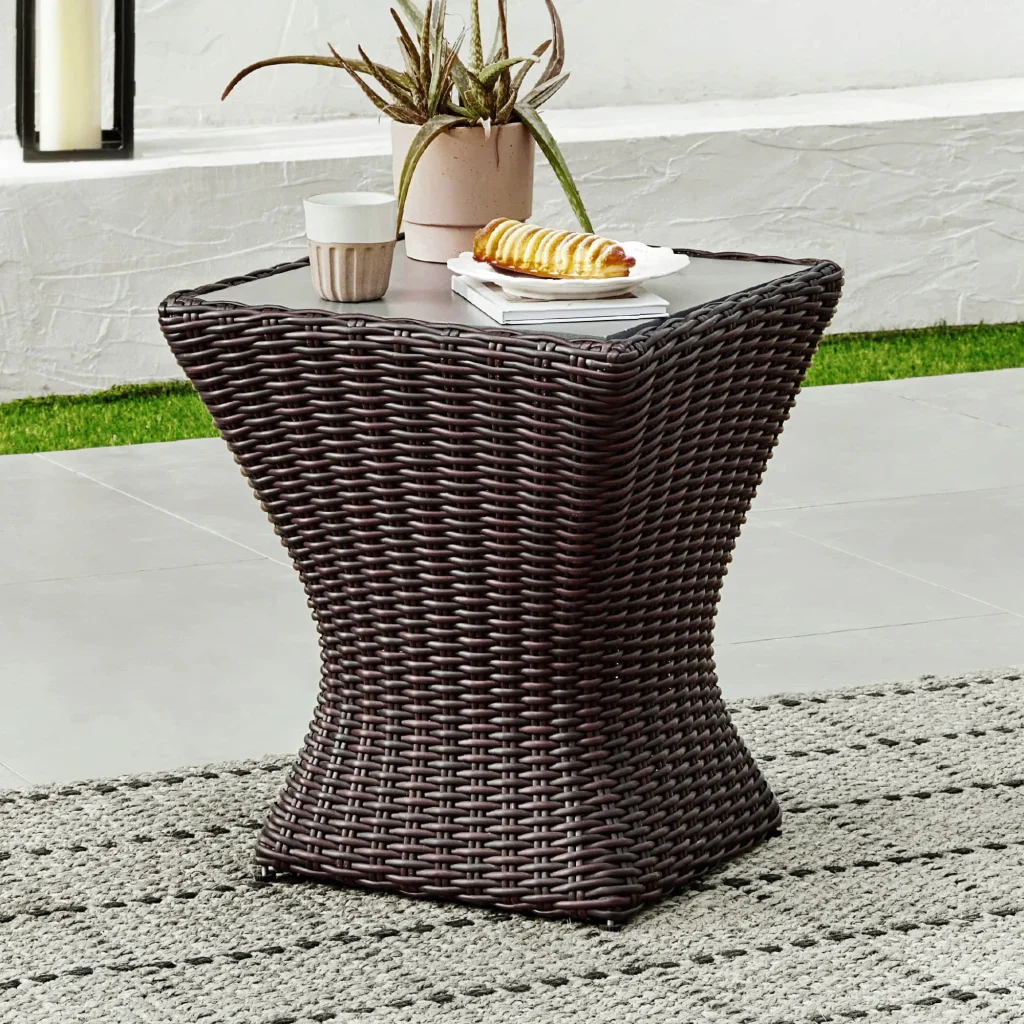
The urge to fill every horizontal surface is a common design pitfall. Empty space, however, is not a mistake. It is a design tool. A well-styled circular tabletop usually follows a simple rule of three: one taller element, one shorter element, and one horizontal element. The taller item might be a slim lamp or a slender vase with a single stem. The shorter piece could be a small ceramic bowl, a candle, or a stack of two books. The horizontal element could be a folded throw or an inviting tray that pulls the composition together.
Seasonal touches are an easy way to keep the styling fresh without buying anything new. Swap a summer vase of eucalyptus for a winter arrangement of dried grasses. Trade a linen coaster for a woven one when the weather turns cooler. Because a compact accent surface is easy to restyle, it becomes a low-effort way to keep your home feeling current throughout the year. This flexibility is one of the underrated strengths of a well-chosen piece.
Finding the Quiet Piece That Anchors the Whole Room
Great design rarely announces itself loudly. It arrives in the quiet decisions, the pieces that seem small at first glance but that shape how a room feels and functions every single day. A thoughtfully chosen circular accent piece belongs firmly in that category. It softens harsh lines, fills awkward voids, welcomes daily rituals, and grows more useful the longer you live with it. Whether tucked next to a favorite reading chair, floating beside a bed, or holding a morning coffee on a shaded patio, it does its work without asking for attention. If your space has been feeling almost right but not quite complete, the piece you have been searching for may not be a bold statement at all. It may be something as simple, and as quietly powerful, as a beautifully made round surface that has been waiting to find its place all along.