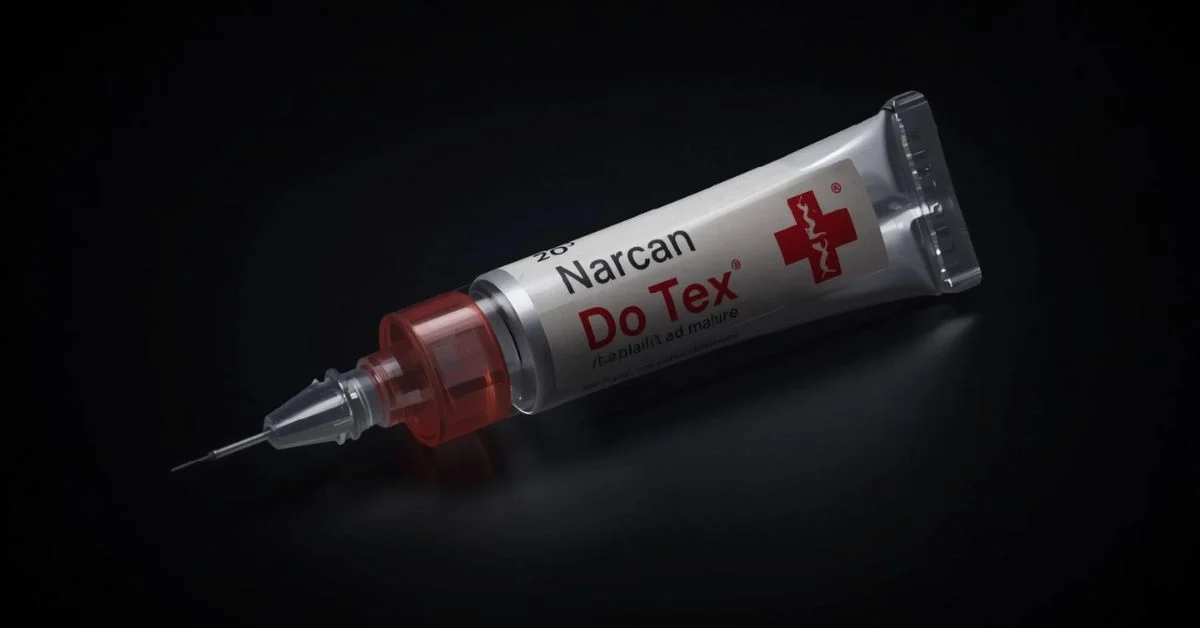
When people ask, “what does Narcan do,” they are usually looking for a clear, simple answer without medical jargon.
Narcan is a life-saving medication designed to reverse opioid overdoses and restore normal breathing. In recent years, opioid-related emergencies have increased worldwide, making Narcan an essential tool for families, caregivers, and communities.
Understanding how it works can help reduce fear and confusion during critical moments.
Narcan is the brand name for naloxone, a medication that quickly blocks the effects of opioids in the body. It does not treat addiction or replace medical care, but it can buy valuable time until emergency help arrives.
Many people are surprised to learn that Narcan is safe, easy to use, and available without a prescription in many places.
In this article, you will learn exactly what Narcan does, how it works in the body, how fast it acts, and what to expect after it is used, all explained in plain language.
What Is Narcan?
Narcan is a medication used to reverse opioid overdoses and prevent death caused by slowed or stopped breathing. Its generic name is naloxone, and Narcan is one of the most widely recognized brand versions available today. It is specifically designed to work against opioids such as heroin, fentanyl, morphine, oxycodone, and other prescription or illegal opioid drugs.
Narcan works by attaching to opioid receptors in the brain. When someone overdoses on opioids, these drugs overwhelm the receptors and suppress the body’s ability to breathe. Narcan quickly blocks those opioids from binding to the receptors, which helps restore normal breathing. This action makes Narcan an emergency response medication, not a cure for addiction or a long-term treatment.
One of the biggest advantages of Narcan is how easy it is to use. It is most commonly available as a nasal spray, which requires no needles and minimal training. This allows non-medical people, including family members, friends, teachers, and bystanders, to use it in an emergency. Injectable forms also exist, but they are typically used by healthcare professionals or first responders.
Narcan is considered very safe and has no effect if opioids are not present in the body. Because of this, it can be given even when an overdose is only suspected. Its sole purpose is to save lives by giving the person a chance to breathe again until emergency medical help arrives.
What Does Narcan Do in the Body?
To understand what Narcan does in the body, it helps to first know how opioids affect a person during an overdose. Opioids attach to specific receptors in the brain that control pain, breathing, and consciousness. When too much of an opioid is present, these receptors become overstimulated, causing breathing to slow down or stop completely. This lack of oxygen is what makes opioid overdoses so dangerous and potentially fatal.
Narcan works by quickly entering the body and targeting those same opioid receptors. Instead of activating them, Narcan blocks the opioids from binding to the receptors. This action forces the opioids off the receptors and temporarily reverses their effects. As a result, breathing can begin to return to normal, allowing oxygen to flow back to the brain and vital organs.
It is important to note that Narcan does not stay in the body for very long. Its effects usually last between 30 and 90 minutes, while some opioids can remain active for several hours. Because of this, a person may start to overdose again after Narcan wears off. This is why emergency medical care is always necessary, even if the person appears to recover.
Narcan does not create a “high” or cause intoxication. Instead, it can trigger sudden opioid withdrawal, which may lead to symptoms such as nausea, sweating, agitation, or confusion. While uncomfortable, these reactions are a sign that Narcan is doing its job by reversing the overdose and saving a life.
How Does Narcan Reverse an Opioid Overdose?
Narcan reverses an opioid overdose by interrupting how opioids affect the brain and body. During an overdose, opioids overwhelm the brain’s opioid receptors, which slows breathing to dangerous levels or stops it entirely. This lack of oxygen is the main cause of overdose-related deaths. Narcan works by stepping in quickly and blocking those effects before permanent damage occurs.
When Narcan is administered, it rapidly enters the bloodstream and travels to the brain. There, it competes with opioids for the same receptors. Narcan has a stronger attraction to these receptors than opioids do, so it pushes the opioids off and takes their place. Unlike opioids, Narcan does not activate the receptors. Instead, it blocks them, stopping the opioids from continuing to suppress breathing.
As the opioids are displaced, the person’s breathing often begins to improve within minutes. Chest movement may become more regular, skin color can improve, and the person may regain consciousness. However, Narcan only works for overdoses involving opioids. It will not reverse overdoses caused by alcohol, benzodiazepines, or other non-opioid substances, though it can still be given if an opioid overdose is suspected.
In some cases, one dose of Narcan may not be enough, especially with strong opioids like fentanyl. Additional doses may be needed until the person starts breathing normally. Even after Narcan successfully reverses the overdose, emergency medical help is critical. Narcan provides a temporary reversal, buying time and keeping the person alive until professional care can take over.
How Fast Does Narcan Work?
Narcan is designed to work quickly in emergency situations where every second matters. After it is administered, Narcan typically begins to take effect within two to three minutes. This rapid response is crucial during an opioid overdose, as prolonged lack of oxygen can cause serious brain damage or death.
One of the first signs that Narcan is working is an improvement in breathing. The person may begin to breathe more regularly, take deeper breaths, or show chest movement if breathing has slowed or stopped. Skin color may improve, especially if it has become pale or bluish due to low oxygen levels. In some cases, the person may regain consciousness or respond to sound and touch.
However, Narcan does not always work after a single dose. Potent opioids such as fentanyl or long-acting opioid medications may require multiple doses. If there is no response after two to three minutes, another dose can be given. This process can be repeated until the person starts breathing normally or emergency responders arrive.
It is important to remember that Narcan’s effects are temporary. While it can quickly reverse an overdose, it does not eliminate the opioids from the body. Because of this, the person can slip back into an overdose once Narcan wears off. Calling emergency services immediately after giving Narcan is essential, even if the person appears to recover. Continuous monitoring ensures that help is available if breathing slows again or other complications arise.
What Happens After Narcan Is Used?
After Narcan is used, the person who overdosed may experience sudden physical and emotional changes. As Narcan blocks the opioids in the body, breathing usually improves first. The person may start breathing on their own again, cough, gasp, or regain consciousness. While this is a positive sign, the moments after revival can still be intense and confusing.
Because Narcan rapidly removes opioids from the brain’s receptors, it can trigger immediate opioid withdrawal. This may cause symptoms such as nausea, vomiting, sweating, shaking, headache, body aches, or diarrhea. Some people may feel anxious, irritable, or disoriented when they wake up. In certain cases, the person may be agitated or upset, not fully understanding what just happened. These reactions can be uncomfortable but are not life-threatening and indicate that Narcan is working.
It is critical to seek medical help even if the person seems alert and stable. Narcan’s effects typically last only 30 to 90 minutes, while many opioids remain in the body much longer. Once Narcan wears off, the opioids can reattach to the receptors and cause breathing to slow again, leading to another overdose.
During this time, the person should not be left alone. Emergency responders can monitor breathing, provide additional doses of Narcan if needed, and address any complications. Avoid giving food, drinks, or additional drugs. Staying with the person and ensuring professional medical care arrives is a vital step in preventing further harm and ensuring long-term safety.
Is Narcan Safe to Use?
Narcan is widely considered a very safe medication and has been used for decades in emergency settings. One of its biggest advantages is that it works only if opioids are present in the body. If Narcan is given to someone who is not experiencing an opioid overdose, it will not cause harm or create dangerous side effects. This makes it appropriate to use even when an overdose is only suspected and not fully confirmed.
Narcan does not produce a “high,” is not addictive, and has no abuse potential. It does not affect the heart, lungs, or brain in a harmful way. Because of this strong safety profile, Narcan is approved for use by non-medical individuals, including friends, family members, and bystanders. Many public health organizations encourage people to carry Narcan as a precaution, especially in communities affected by opioid use.
Narcan is also safe for use on different age groups, including children and older adults. It can be administered to pregnant individuals as well, as the immediate goal is to restore breathing and prevent oxygen deprivation, which poses a far greater risk than the medication itself. The benefits of using Narcan during a suspected overdose almost always outweigh any potential risks.
The most common reactions after using Narcan are related to sudden opioid withdrawal rather than the medication itself. While withdrawal symptoms can be unpleasant, they are temporary and not life-threatening. Overall, Narcan’s safety, ease of use, and life-saving potential make it a critical tool in overdose emergencies and a key part of public health efforts to reduce overdose deaths.
Possible Side Effects of Narcan
While Narcan is considered very safe, it can cause some side effects, primarily due to the rapid reversal of opioids in the body. These effects are usually temporary and far less dangerous than the consequences of an untreated overdose. Understanding what to expect can help reduce anxiety when administering Narcan.
One of the most common reactions is opioid withdrawal symptoms. Because Narcan suddenly blocks opioid receptors, a person may experience nausea, vomiting, sweating, chills, body aches, diarrhea, or headaches. They might also feel restless, anxious, or irritable. These symptoms can be uncomfortable but are generally not life-threatening. They are a sign that Narcan is doing its job by reversing the opioid’s effects.
Other side effects may include dizziness, rapid heartbeat, increased blood pressure, or mild tremors. In rare cases, seizures or allergic reactions may occur, but these are uncommon. Most people recover quickly once medical care is provided, and the withdrawal symptoms gradually diminish.
It is important to monitor the person closely after giving Narcan. Because its effects are temporary, the individual could experience another overdose once Narcan wears off if the opioids are still in their system. Staying with the person until emergency responders arrive ensures that additional doses can be administered if necessary and that complications can be addressed promptly.
Despite these possible side effects, the benefits of Narcan far outweigh the risks. Using it promptly during an overdose can save a life and prevent permanent brain damage, making it a critical tool in emergency opioid response.
Who Can Use Narcan and When?
Narcan is designed to be used by anyone in an emergency, not just healthcare professionals. Because opioid overdoses can happen suddenly, it’s important that family members, friends, caregivers, teachers, and bystanders feel confident administering Narcan when needed. Its nasal spray form makes it especially easy to use, requiring minimal training, no needles, and just a few simple steps.
Many communities provide Narcan kits and training programs to educate people on recognizing an overdose and responding quickly. The key signs of an opioid overdose include slow or stopped breathing, unresponsiveness, bluish lips or fingertips, and pinpoint pupils. If these signs are observed, Narcan should be administered immediately while emergency services are contacted.
Good Samaritan laws in many regions protect people who use Narcan in good faith from legal consequences. These laws encourage bystanders to act without hesitation, knowing that saving a life takes priority. Even individuals without medical backgrounds can safely give Narcan and potentially prevent death.
Narcan can be used on anyone suspected of having an opioid overdose, regardless of age or medical history. Pregnant individuals, children, and adults can all receive it safely, as the immediate goal is to restore breathing and prevent brain damage. The medication is most effective when administered as soon as possible after an overdose is suspected, making prompt action essential.
Remember, Narcan provides temporary relief. After it is given, professional medical care is still critical to monitor the person, manage withdrawal symptoms, and ensure the opioids do not cause a second overdose.
How Long Does Narcan Last?
Narcan is a fast-acting medication, but its effects are temporary, which is an important consideration after reversing an opioid overdose. Typically, Narcan’s action lasts between 30 to 90 minutes, depending on the dose, the form used, and the individual’s metabolism. During this time, the medication continues to block opioids from attaching to brain receptors, allowing the person to breathe more normally.
Because many opioids, especially long-acting ones like methadone or strong synthetic opioids like fentanyl, can remain in the body for several hours, there is a risk that the overdose could return once Narcan wears off. This is why it is essential to seek emergency medical care immediately, even if the person seems fully alert and responsive after receiving Narcan.
In some cases, multiple doses of Narcan may be necessary to maintain its effect until professional help arrives. First responders are trained to administer additional doses if breathing slows again. At home or in community settings, it’s recommended to have extra Narcan doses available in case the first dose does not fully reverse the overdose or the opioids are especially potent.
Monitoring the person continuously after Narcan administration is critical. Watch for changes in breathing, consciousness, and alertness. Do not assume the danger is over after the first dose. Providing support and keeping emergency responders informed ensures the person remains safe while the opioid is metabolized and reduces the risk of a second overdose. Narcan saves lives, but vigilance is necessary even after revival.
Narcan vs Other Overdose Reversal Medications
Narcan, or naloxone, is the most widely recognized medication for reversing opioid overdoses, but it is not the only option. Understanding how Narcan compares to other overdose treatments can help people make informed choices and respond effectively during emergencies.
The generic form of naloxone works the same way as Narcan, blocking opioid receptors in the brain to restore normal breathing. Narcan is simply a brand name, often marketed as a nasal spray, which makes it extremely user-friendly for non-medical individuals. Injectable naloxone is another form, commonly used by healthcare professionals and emergency responders. Both the nasal and injectable forms are effective, but the nasal spray is generally preferred for home or public use because it requires minimal training and carries no risk of needle injury.
Other medications, such as naltrexone, are related to naloxone but serve different purposes. Naltrexone is used to help prevent relapse in people recovering from opioid addiction rather than reversing an active overdose. Unlike Narcan, it does not act quickly in emergencies and is not suitable for immediate life-saving interventions.
When comparing these options, speed and ease of use are critical. Narcan works within minutes and can be administered by almost anyone, making it ideal for emergency situations. Its safety profile and availability over the counter in many areas further distinguish it from other medications. Ultimately, Narcan’s combination of rapid action, accessibility, and simplicity makes it the most effective tool for preventing opioid overdose deaths in the community.
Where Can You Get Narcan?
Narcan is increasingly available to the public because of its life-saving potential. In many regions, it can be obtained over-the-counter at pharmacies without a prescription. Pharmacists may also provide guidance on how to use it safely, including demonstrations of the nasal spray form. Community health programs often distribute Narcan kits for free, particularly in areas affected by high rates of opioid use or overdose.
In addition to pharmacies, Narcan can be accessed through community organizations, harm reduction programs, and emergency services. These programs aim to educate people about recognizing overdoses, administering Narcan, and taking further emergency steps. Many also provide multiple doses, carrying cases, and instructions for proper storage.
Insurance coverage for Narcan varies, but many plans cover at least part of the cost, making it affordable for most people. Some states and local governments offer Narcan at no cost through public health initiatives. Checking with local health departments or nonprofit organizations is an easy way to locate free or low-cost kits.
It is important to keep Narcan in an easily accessible location, especially in homes where someone is at risk of an opioid overdose. The nasal spray should be stored at room temperature, away from direct sunlight, and within reach in case of an emergency. Knowing where to get Narcan, how to use it, and having it ready can make the difference between life and death during an overdose situation. Access, preparedness, and education are key components of overdose prevention.
Common Myths and Misconceptions About Narcan
Despite being a life-saving medication, Narcan is often misunderstood. Several myths have caused confusion and hesitation around its use, but evidence and medical research consistently show that Narcan is safe and effective when used correctly.
One common myth is that Narcan encourages drug use. Some people worry that having Narcan available makes opioid users take more risks. Studies have shown that this is not true; access to Narcan does not increase opioid use but does significantly reduce overdose deaths. Narcan simply provides a safety net in emergencies.
Another misconception is that Narcan works for all overdoses. Narcan only reverses opioid overdoses. It will not work for alcohol, benzodiazepines, or other non-opioid substances, although it can be administered if an opioid overdose is suspected. Understanding its specific use is critical to saving lives.
Some also believe that Narcan is dangerous or can harm someone who is not overdosing. In reality, Narcan has no effect if opioids are not present in the body. It does not create a high, is not addictive, and cannot cause an overdose itself. The main reaction might be temporary opioid withdrawal in someone who is opioid-dependent.
Finally, a few people think Narcan removes the opioid from the body permanently. This is incorrect; Narcan temporarily blocks the opioid receptors, and the drugs remain in the system. Continuous monitoring and medical care are necessary even after Narcan is administered. Dispelling these myths is essential to ensure that more people feel confident using Narcan to save lives.
FAQs
Many people have questions about Narcan, its use, and its effects. Answering these common concerns can help clear confusion and encourage more people to use it during emergencies.
Does Narcan save lives?
Yes. Narcan has been proven to save lives by quickly reversing opioid overdoses. It restores breathing and consciousness, providing critical time until emergency medical help arrives.
Can Narcan be used multiple times?
Yes. Some overdoses, especially those involving potent opioids like fentanyl, may require multiple doses. Narcan can be administered again if there is no response or if the person’s breathing slows after the first dose.
Can Narcan harm someone?
Narcan is safe to use. It will not harm someone who has not taken opioids. The main reaction in opioid-dependent individuals is temporary withdrawal, which, while uncomfortable, is not life-threatening.
How fast does Narcan work?
Narcan usually begins to work within two to three minutes. Signs that it is effective include improved breathing, better skin color, and responsiveness.
Do you need a prescription to get Narcan?
This depends on your location. In many areas, Narcan is available over the counter at pharmacies. Community programs also distribute it for free, especially in high-risk areas.
What should you do after giving Narcan?
Even if the person seems fine, call emergency services immediately. Narcan’s effects are temporary, and the opioids may still cause another overdose once it wears off. Continuous monitoring and professional care are essential.
Addressing these FAQs ensures people feel informed, confident, and prepared to act during an opioid overdose, which can ultimately save lives.
Conclusion
Narcan is more than just a medication it is a critical tool in saving lives during opioid overdoses. Understanding what Narcan does, how it works, and how to use it correctly empowers individuals to act quickly and confidently in emergencies.
Opioid overdoses can happen to anyone, and having access to Narcan can mean the difference between life and death.
By blocking opioid receptors in the brain, Narcan restores breathing and consciousness, giving the person a chance to survive until professional medical care arrives.
Its rapid action, ease of use, and safety profile make it suitable for use by non-medical individuals, including family members, friends, and caregivers. Knowing what to expect such as potential withdrawal symptoms or the need for multiple doses prepares users to respond effectively and calmly.
Beyond its medical benefits, Narcan also plays an important role in reducing fear and stigma surrounding opioid emergencies.
Dispelling myths, learning proper usage, and understanding its limitations ensures more people are willing to carry and use it when needed.
Emergency responders, community programs, and public health initiatives all emphasize education alongside distribution, highlighting that knowledge is just as important as access.
Ultimately, understanding Narcan is about more than knowing the medication it is about empowering communities to save lives, respond to overdoses safely, and prevent unnecessary deaths.
Being informed, prepared, and proactive ensures that when an overdose occurs, Narcan can fulfill its purpose: giving someone a second chance at life.

Bella Banter is the voice behind ThePunSide.com, creating clever puns, cute captions, and feel-good humor for everyday moments. With a mix of soft vibes and witty banter, Bella turns simple words into smiles. If you love smart jokes, playful lines, and cozy creative energy, you’re in the right place.