If you’re a man hitting the gym, training for strength, or simply looking to boost your performance, you’ve probably heard about creatine.
But what does creatine do for men, really? This naturally occurring compound, found in muscles and some foods, has become one of the most popular supplements in fitness and bodybuilding.
Men turn to creatine not just for muscle growth, but also for improved strength, faster recovery, and enhanced high-intensity performance.
Scientific studies show that when used correctly, creatine can give men a real edge in both workouts and daily energy levels.
Whether you’re a beginner wondering if it’s worth trying or an experienced athlete aiming to maximize gains, understanding how creatine works, its benefits, potential side effects, and the best way to take it is essential. In this guide, we’ll explore everything men need to know about creatine.
What Is Creatine and How Does It Work
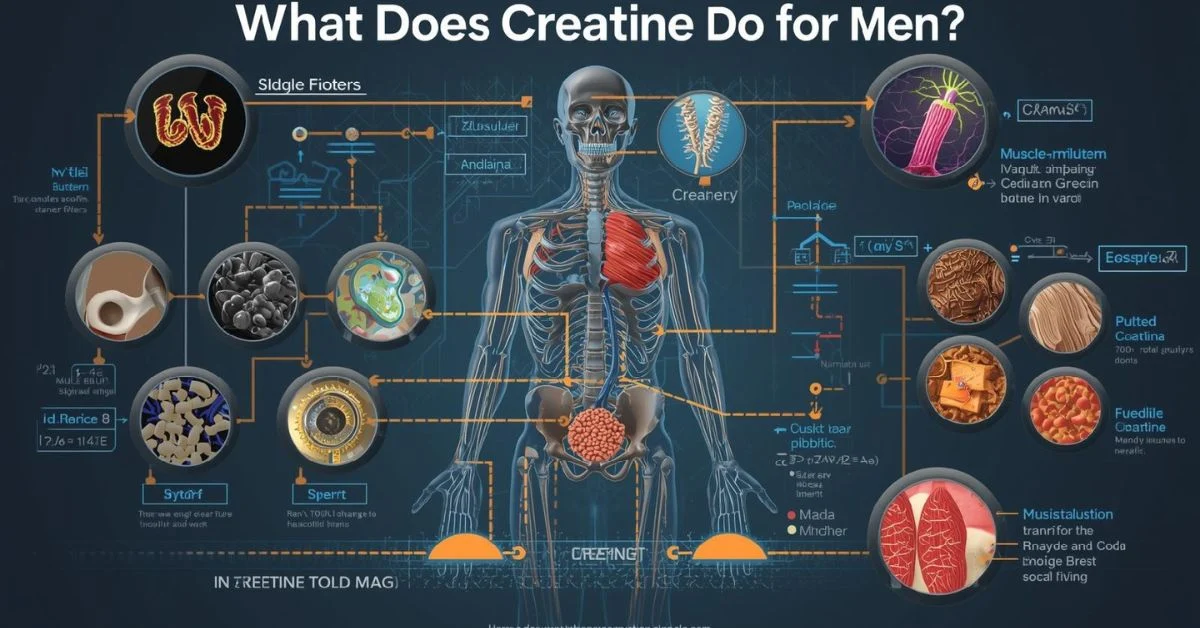
Creatine is a naturally occurring compound found in the muscles and, to a lesser extent, in certain foods like red meat and fish. Chemically, it is composed of three amino acids arginine, glycine, and methionine and plays a crucial role in the body’s energy production. When you perform short bursts of high-intensity activities, such as weightlifting, sprinting, or HIIT workouts, your muscles rely on a molecule called adenosine triphosphate (ATP) for energy. ATP provides the fuel for muscle contractions, but stores are limited and deplete quickly. This is where creatine comes in: it helps regenerate ATP, allowing your muscles to sustain power output for longer periods.
For men, this process is particularly important because it directly affects strength, power, and muscle growth. Supplementing with creatine increases the amount stored in the muscles, which can improve performance during intense training sessions. Beyond energy production, creatine also draws water into muscle cells, promoting cell volumization and creating an environment that supports protein synthesis and hypertrophy.
There are several forms of creatine available, including creatine monohydrate, creatine HCL, and micronized creatine, with monohydrate being the most researched and effective. Understanding how creatine works at a cellular level helps men make informed decisions about supplementation and sets the foundation for maximizing workout results safely and effectively.
Benefits of Creatine for Men
Creatine is widely recognized for its powerful benefits, making it one of the most effective supplements for men focused on fitness, strength, and overall performance. The most well-known advantage is muscle growth. By increasing the water content in muscle cells and supporting protein synthesis, creatine creates the ideal environment for hypertrophy, helping men gain noticeable muscle mass over time.
Strength and power are also significantly enhanced. Men who supplement with creatine can perform more repetitions at higher weights, boosting overall workout intensity and accelerating strength gains. This is particularly beneficial for resistance training, weightlifting, and high-intensity interval workouts, where short bursts of energy are crucial.
Another important benefit is improved recovery. Creatine helps reduce muscle cell damage and inflammation after intense workouts, allowing men to recover faster and maintain consistent training schedules. Additionally, studies suggest that creatine may support cognitive function, including memory and mental clarity, which is an often-overlooked advantage for men looking to maintain overall health.
Beyond performance, creatine may have bone health and anti-aging benefits, supporting muscle function and strength as men age. It is one of the most researched supplements, with a strong safety profile when taken appropriately.
In summary, creatine offers men a multi-faceted advantage: increased muscle mass, higher strength, better workout performance, faster recovery, and even cognitive support. Understanding these benefits can help men use creatine strategically to achieve fitness goals more efficiently and safely.
How Creatine Boosts Muscle Growth
Creatine is one of the most effective supplements for men aiming to build muscle, and its impact goes beyond simply adding water to your muscles. When you supplement with creatine, your muscles store more phosphocreatine, which is essential for regenerating ATP the primary energy source for high-intensity activities. With more available ATP, men can push harder during workouts, perform extra reps, and lift heavier weights. This increased training capacity directly stimulates muscle growth over time.
Another way creatine promotes hypertrophy is through cell volumization. By drawing water into muscle cells, creatine increases cell size, which not only gives muscles a fuller appearance but also creates an environment conducive to protein synthesis. Protein synthesis is the process your body uses to repair and build new muscle fibers after exercise, so creatine indirectly accelerates the muscle-building process.
Additionally, creatine may influence certain muscle growth pathways at a molecular level. It can increase the activity of satellite cells, which play a role in repairing damaged muscle tissue and generating new muscle fibers. It also supports the production of insulin-like growth factor-1 (IGF-1), a hormone linked to muscle development.
For men engaged in bodybuilding or strength training, these combined effects mean faster, more noticeable gains when workouts are paired with proper nutrition and consistent training. Unlike some supplements that offer temporary results, creatine provides measurable long-term benefits by enhancing both workout performance and the underlying biological mechanisms that drive muscle growth.
Creatine and Athletic Performance
Creatine is not just for muscle growth it is a powerful supplement for improving athletic performance, especially in high-intensity activities. Men who engage in sports like weightlifting, sprinting, football, or HIIT workouts can benefit from creatine’s ability to enhance strength, speed, and endurance. By increasing phosphocreatine stores in the muscles, creatine allows for faster ATP regeneration, meaning athletes can maintain peak performance for longer during short, explosive efforts.
For example, a sprinter or weightlifter can complete more repetitions or sprints at maximal effort before fatigue sets in. This increased workload translates directly into performance gains over time. Creatine also helps with recovery between repeated bouts of exercise, allowing athletes to perform at high intensity multiple times during a training session or competition.
Beyond the gym, studies show that men using creatine may experience improved reaction time, power output, and agility. These benefits are especially important for sports requiring bursts of energy, such as football, basketball, or track events. In team sports, enhanced performance can make a measurable difference in results and endurance during games.
Additionally, creatine is easy to integrate into training routines and pairs well with other performance strategies, such as resistance training and proper nutrition. For men looking to push their physical limits safely, creatine is a science-backed supplement that enhances both strength and overall athletic performance, helping athletes achieve their goals faster without compromising health.
Creatine Dosage and How to Take It
Knowing the proper dosage and timing is essential for men who want to maximize the benefits of creatine safely. The most common and well-researched form is creatine monohydrate, and it can be taken in two main ways: the loading phase or the maintenance phase.
During the loading phase, men typically consume 20 grams per day (split into 4 doses of 5 grams) for 5–7 days. This approach quickly saturates the muscles with creatine, providing faster results in terms of strength and performance. After the loading phase, a maintenance dose of 3–5 grams per day is recommended to keep muscle creatine levels elevated.
Some men prefer to skip the loading phase and take a consistent 3–5 grams daily. While this approach takes longer to saturate the muscles (around 3–4 weeks), it is equally effective in the long run.
Timing can also play a role. Taking creatine post-workout with a source of carbohydrates and protein may enhance absorption due to increased insulin sensitivity. However, studies show that total daily intake is more important than exact timing, so consistency is key.
Creatine should be mixed with water or a shake, and men should maintain adequate hydration to support muscle function and reduce the risk of minor side effects, such as bloating. Following these guidelines ensures that men can safely experience the full benefits of creatine for muscle growth, strength, and athletic performance.
Side Effects and Safety Considerations
Creatine is one of the most researched supplements available, and for healthy men, it is generally considered safe when taken at recommended doses. Despite its widespread use, some misconceptions about creatine safety still persist, particularly concerns about kidney damage. Studies have consistently shown that creatine does not harm kidney or liver function in healthy individuals, even with long-term supplementation.
The most common side effects are mild and temporary. Some men may experience water retention, causing muscles to look fuller and sometimes leading to slight bloating. Others report minor digestive issues, such as stomach cramps or diarrhea, which can often be prevented by splitting the dose throughout the day or taking it with food.
It is important to note that hydration is key while supplementing with creatine. Drinking enough water supports muscle function and reduces the risk of cramps or dehydration. Men with pre-existing kidney or liver conditions should consult a healthcare professional before using creatine.
Creatine is also safe for long-term use, with research showing no adverse effects even after several years of consistent supplementation. Choosing a high-quality creatine monohydrate from reputable brands further reduces the risk of contamination or impurities.
In summary, creatine is a safe, effective, and well-tolerated supplement for most men. By following recommended dosages, staying hydrated, and monitoring for minor side effects, men can confidently use creatine to improve muscle growth, strength, and athletic performance without compromising health.
Common Myths About Creatine
Despite being one of the most researched supplements, creatine is surrounded by myths many of which can confuse men trying to improve performance and muscle growth. One of the most persistent misconceptions is that creatine is a steroid. In reality, creatine is a naturally occurring compound in the body and in certain foods like meat and fish. It does not alter hormone levels or act like anabolic steroids, making it safe for men to use as a supplement.
Another common myth is that creatine damages the kidneys. While men with pre-existing kidney conditions should exercise caution, multiple long-term studies in healthy individuals show no adverse effects on kidney or liver function. This misconception likely comes from confusion with other substances that can stress the kidneys, but creatine itself is well-tolerated.
Some believe that creatine is only effective for young men or bodybuilders, but research shows it can benefit men of all ages. Older men may even experience improved muscle strength, bone health, and cognitive function with proper supplementation.
Other myths include the idea that creatine causes permanent weight gain. While it can cause temporary water retention in muscles, this is not fat gain and is part of the muscle volumization process that supports growth and strength.
Finally, some think creatine must be taken in massive doses to be effective. In truth, 3–5 grams daily is sufficient for most men, making it both safe and convenient. By separating fact from fiction, men can use creatine effectively and confidently without falling for misleading claims.
Choosing the Right Creatine Supplement
With so many options on the market, choosing the right creatine supplement can be overwhelming for men. The most studied and effective form is creatine monohydrate, known for its proven results in muscle growth, strength, and athletic performance. It is also affordable, widely available, and well-tolerated by most men.
Other forms include creatine hydrochloride (HCL), micronized creatine, and buffered creatine. Creatine HCL dissolves more easily in water and may cause less bloating, making it a good option for men who experience digestive issues. Micronized creatine has smaller particles, improving absorption and reducing the chance of stomach discomfort. Buffered creatine is designed to be more stable in the stomach, but research on its benefits compared to monohydrate is limited.
When selecting a supplement, men should look for high-quality products from reputable brands. Check for third-party testing or certifications that ensure purity and avoid contaminants. Avoid products with unnecessary additives, fillers, or artificial sweeteners, as these can reduce effectiveness and cause minor side effects.
Dosage convenience is another factor. Many supplements come in powder form, which can be mixed with shakes or water, while capsules offer a convenient alternative for men on the go. Ultimately, the best creatine supplement is one that fits your fitness goals, budget, and personal tolerance.
By understanding the different forms and quality indicators, men can confidently choose a creatine supplement that maximizes results, supports muscle growth, improves performance, and aligns with safe supplementation practices.
Tips for Maximum Results
To get the most out of creatine, men need to combine proper supplementation with effective training, nutrition, and lifestyle habits. Consistency is key: taking creatine daily, even on rest days, ensures muscles remain saturated, which maximizes strength and performance benefits over time.
Pairing creatine with resistance training is essential. Men will see the best results when engaging in weightlifting, high-intensity interval training (HIIT), or sprinting, as creatine enhances short bursts of energy and supports muscle hypertrophy. Incorporating progressive overload gradually increasing weights or reps further accelerates gains.
Nutrition plays a supportive role. Consuming creatine alongside carbohydrates and protein can improve absorption and effectiveness, while a balanced diet ensures muscles have the nutrients needed to grow. Staying hydrated is equally important, as creatine draws water into muscles and supports optimal muscle function.
Tracking progress can also boost results. Monitoring strength gains, body composition, and workout performance helps men adjust dosage, training intensity, or nutrition as needed. Men should avoid overloading with excessive doses, as more is not always better and may increase minor side effects like bloating or digestive discomfort.
Finally, patience is crucial. While some men notice improvements within a week of loading, full results in muscle growth and performance typically appear over several weeks of consistent use. By following these tips, men can safely maximize creatine’s benefits and reach their fitness goals more efficiently, whether they are focused on building muscle, increasing strength, or improving overall athletic performance.
Frequently Asked Questions
Men often have several questions about creatine, from safety concerns to effectiveness. Addressing these FAQs can help make supplementation easier and more effective.
Is creatine safe for men over 40?
Yes. Studies show that creatine remains effective and safe for older men. It can help maintain muscle mass, strength, and even cognitive function, making it a beneficial supplement beyond younger years.
How quickly do men see results?
Results vary depending on dosage and training. With a loading phase, some men notice increased strength and energy in as little as a week. Muscle growth and noticeable performance gains generally appear over 3–4 weeks of consistent use.
Can creatine affect hormones or libido?
No. Creatine does not influence testosterone, estrogen, or other sex hormones. It is not a steroid, and it will not impact libido when taken at recommended doses.
Do men need a special diet while taking creatine?
While creatine works independently, pairing it with a balanced diet rich in protein and carbs can improve absorption and enhance muscle growth. Proper hydration is also important to prevent minor side effects like bloating or cramps.
Is there a best time to take creatine?
Total daily intake is more important than timing. Post-workout with protein and carbs may slightly improve absorption, but consistency matters most for long-term results.
By understanding these key points, men can use creatine confidently and effectively, ensuring maximum benefits for muscle growth, strength, and athletic performance without unnecessary worry or risk.
Conclusion
Creatine is one of the most researched and effective supplements available for men looking to improve muscle growth, strength, and athletic performance.
By increasing ATP production, supporting protein synthesis, and enhancing recovery, it provides tangible benefits for both gym enthusiasts and competitive athletes. Whether your goal is gaining muscle mass, boosting high-intensity performance, or improving overall energy, creatine can be a safe and reliable addition to your fitness routine.
Men should approach creatine supplementation with knowledge and consistency. Understanding the proper dosage whether using a loading phase or a daily maintenance dose ensures maximum effectiveness while minimizing minor side effects such as bloating or digestive discomfort.
Pairing creatine with resistance training and a nutrient-rich diet further amplifies results. Staying hydrated and choosing a high-quality supplement from a reputable brand will also help men experience the full benefits safely.
It’s important to separate fact from fiction. Creatine is not a steroid, does not damage healthy kidneys, and works for men of all ages, from young athletes to older adults seeking to maintain strength and muscle mass.
By debunking myths and following evidence-based practices, men can confidently include creatine in their daily routine.
In summary, creatine is a powerful tool that supports both short-term performance and long-term muscle development. For men committed to reaching their fitness goals, it offers a safe, science-backed way to maximize strength, enhance workouts, and accelerate results.
With the right approach, creatine can be a game-changer in achieving peak physical performance.

Punny Parker — Serving witty wordplay, clever jokes, and daily pun-filled fun. Whether it’s smart humor or pure silliness, every post brings a smile, a laugh, or a groan-worthy pun you’ll secretly love. Powered by ThePunSide.com for endless laughs and wordplay magic every day.