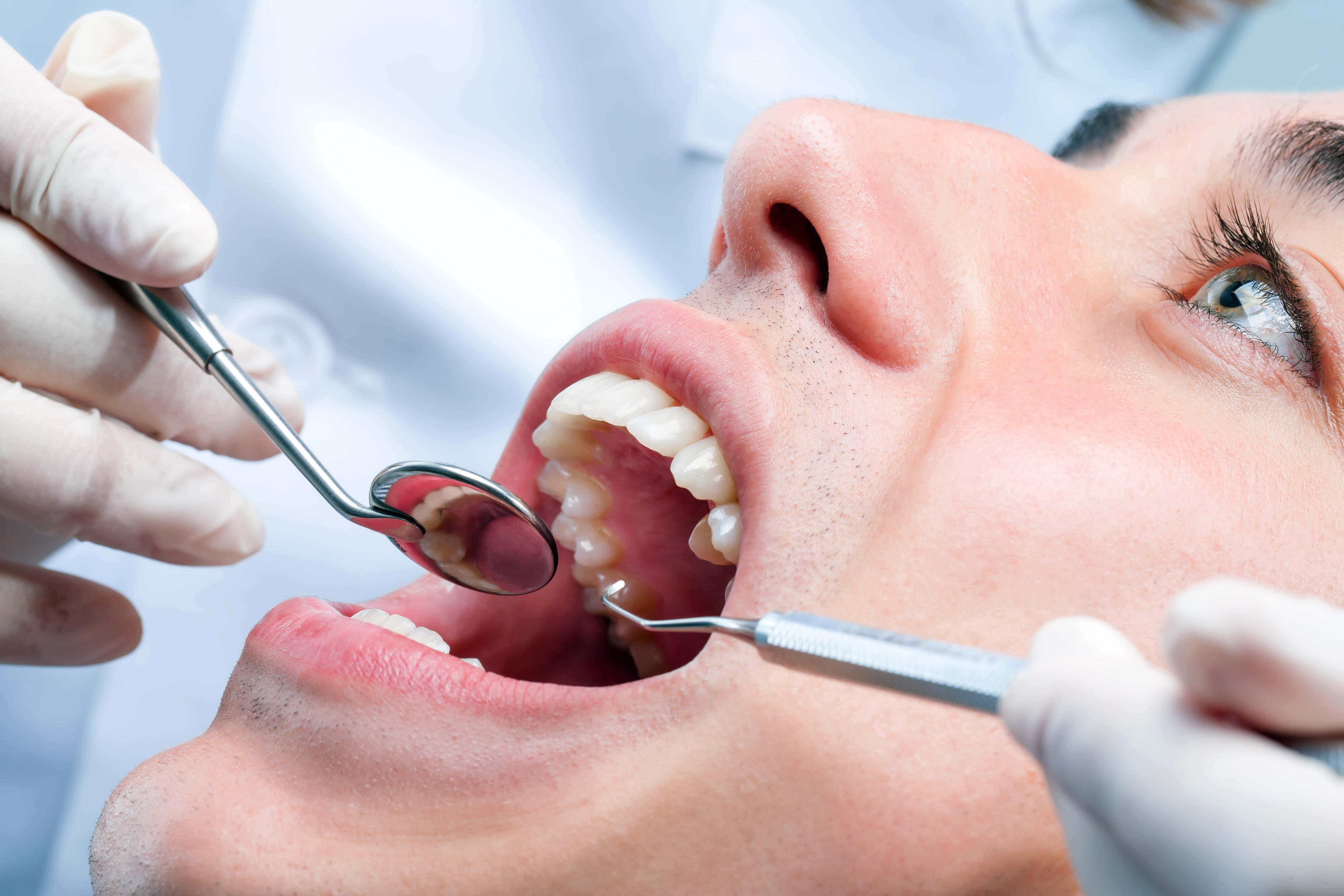
Suppose you’re standing in front of the mirror, brushing your teeth like it is just another box to tick off your daily routine. But what if that quick rinse and spit is actually holding secrets about your overall health? Dentists often call the mouth the “gateway to health” for a reason, because issues that show up there rarely stay there. Heart diseases, diabetes, gut imbalances… The clues can all begin with bleeding gums, chronic bad breath, or even how your tongue looks in the morning.
Your oral health is pretty much a health report card that your body updates every single day. The more you pay attention to what your teeth, gums, and tongue are telling you, the more power you have to catch bigger problems early. This blog decodes those signals and shows you exactly what your oral health might be revealing about the rest of your body.
Choose the best dental clinic in Dubai for superior care. Modern equipment and skilled dentists make a difference.
- Pale Gums Can Be Caused By Anemia
If your gums are looking slightly whiter than usual, that could be a sign that you might have anemia. In simple terms, anemia means your body does not have enough healthy red blood cells to carry oxygen. Less oxygen means less color. You may also feel tired, lightheaded, or short of breath doing basic things. While pale gums are not exactly an accurate diagnosis, they are a nudge to check your iron levels, especially if the fatigue stays stubborn.
- Gum Problems Can Be Linked to Kidney Disease
People with kidney issues are more likely to develop gum inflammation, bleeding, and even periodontal disease. Why? Because when the kidneys are not filtering properly, waste products can build up in the blood. That imbalance can trigger inflammation throughout the body, and your gums often show it first. On top of that, certain medications for kidney conditions may cause dry mouth, which makes gum problems even worse.
- Diabetes Raises the Risk of Periodontal Disease
Poor blood sugar control can fuel gum disease, and severe gum disease can make blood sugar harder to control. In simple language, high blood sugar feeds bacteria and weakens the immune response that keeps gums healthy. That creates an environment where gingivitis can turn into periodontitis faster, leading to loose teeth, receding gums, and bone loss if it is not managed. The signs to watch for are gums that bleed easily, persistent bad breath, slow-healing sores, and more frequent infections in the mouth.
- Teeth Grinding Can Be a Sign of Sleep Apnea
When breathing repeatedly stops or becomes shallow during sleep, the body can jerk and clamp the jaw as a last-ditch effort to reopen the airway. That grinding is an alarm bell, with loud snoring, daytime sleepiness, morning headaches, and a sore jaw on waking often ride with it. If grinding is paired with these signs, consider that sleep apnea might be the underlying story. A sleep evaluation can confirm the diagnosis, and treatment options range from CPAP to oral appliances that protect the airway and your teeth.
- Acid Reflux Can Damage Tooth Enamel
When stomach acid keeps sneaking up into the mouth, it causes heartburn. That acid is also strong enough to erode enamel, especially on the back surfaces of your teeth where it silently pools at night. Over time, enamel thinning leads to sensitivity, yellowing, and cavities that seem to appear out of nowhere. The dentists often spot this pattern first, even before reflux is diagnosed. If you are dealing with frequent heartburn, chronic cough, or a sour taste in your mouth alongside new enamel wear, acid reflux might be behind it.
The best teeth whitening in Dubai brightens smiles safely and effectively. Results are noticeable and long-lasting.