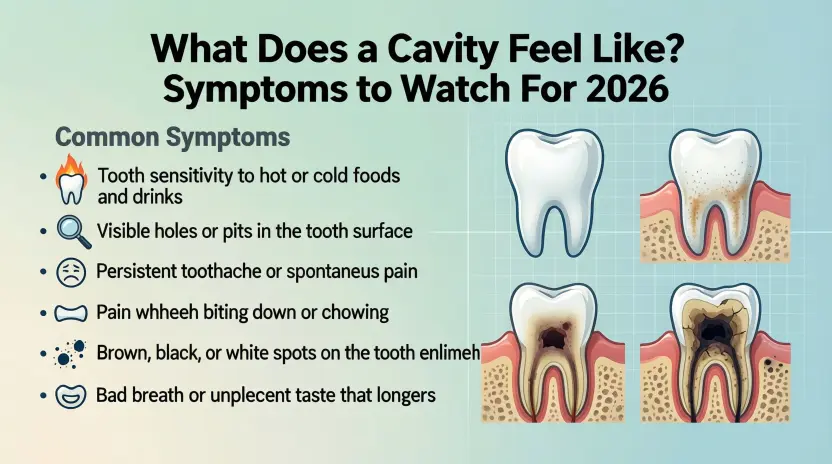
Ever taken a bite of ice cream or sipped hot coffee and felt a sudden jolt of pain in your tooth? That sharp, uncomfortable sensation could be an early warning sign of a cavity. C
cavities, or tooth decay, are one of the most common dental problems, and understanding how they feel can help you catch them before serious damage occurs.
Many people ignore mild sensitivity or occasional discomfort, not realizing these are the first signs of enamel breakdown.
A cavity doesn’t always hurt at first, but as it progresses, the sensations can range from tingling to sharp, throbbing pain, especially when eating, drinking, or even breathing cold air.
In this article, we’ll explore what a cavity feels like at different stages, how to recognize the symptoms, and when it’s crucial to visit a dentist. Knowing these signs can save your teeth and your smile.
What Is a Cavity?
A cavity, also known as dental caries or tooth decay, is damage to the hard surface of a tooth caused by bacteria. These bacteria feed on sugars and starches left on your teeth after eating or drinking. As they digest these sugars, they produce acids that slowly erode the enamel of the protective outer layer of your teeth. Over time, this process creates a small hole or cavity.
Cavities can develop in any part of a tooth, but they are most common in the grooves of the molars and the spaces between teeth where brushing may not reach easily. The process starts subtly: enamel weakens, and you might not feel any pain at all. This is why cavities are often referred to as “silent” problems in their early stages.
If left untreated, the decay progresses through the enamel into the dentin, the softer layer underneath. This is when discomfort and sensitivity often begin. Advanced cavities can reach the inner pulp, causing severe pain, swelling, and sometimes infection.
Factors that increase the risk of cavities include poor oral hygiene, frequent consumption of sugary or acidic foods, dry mouth, and lack of regular dental checkups. Understanding what a cavity is and how it develops is the first step in recognizing the sensations it produces and acting early to protect your teeth.
Early Signs of a Cavity
Cavities don’t always announce themselves with immediate pain. In fact, the earliest stage of tooth decay can be almost undetectable. Many people experience only mild sensations or subtle changes in their teeth before more serious symptoms appear. Recognizing these early signs is crucial, as prompt treatment can prevent further damage and avoid more invasive dental procedures.
One of the most common early indicators is tooth sensitivity. You may notice a brief twinge or discomfort when eating or drinking something hot, cold, or sweet. This sensitivity occurs because the enamel is beginning to erode, allowing stimuli to reach the dentin layer beneath. At first, the discomfort may come and go, and you might easily dismiss it as normal sensitivity, but repeated episodes often signal the start of decay.
Other early signs include visual changes in your teeth. Small white, brown, or black spots may appear on the tooth surface. These discolorations are a result of mineral loss in the enamel. Some people may even notice a tiny pit or rough area when they run their tongue over the tooth.
Occasionally, you may detect a slight bad taste or odor in your mouth, even with regular brushing. This can happen as bacteria accumulate in the forming cavity. Paying attention to these subtle sensations allows you to act early, preventing the cavity from progressing to more painful stages.
Advanced Cavity Sensations
As a cavity progresses, the sensations in your tooth can become much more noticeable and uncomfortable. Once decay moves past the enamel and into the softer dentin layer beneath, the nerve endings in your teeth become more exposed, making your tooth increasingly sensitive and painful. At this stage, the discomfort is often sharper and more persistent than the mild sensitivity experienced in the early stages.
One common symptom of an advanced cavity is throbbing or sharp pain, especially when chewing, biting, or applying pressure to the affected tooth. You might notice that certain foods particularly sweets, hot drinks, or cold items trigger sudden bursts of pain. Even breathing in cold air or touching the tooth with your tongue can sometimes cause discomfort.
Another sign is pain that lingers or comes in waves, rather than being brief or occasional. Some people experience spontaneous toothaches at night, making sleep difficult. The affected tooth may also feel weaker or hollow due to enamel erosion.
In addition to pain, advanced cavities can lead to swelling, gum irritation, and bad taste or odor in the mouth. These symptoms often indicate that bacteria have reached deeper layers of the tooth, potentially causing infection or abscess if left untreated. At this stage, professional dental care becomes essential to prevent further damage and alleviate pain.
Recognizing these sensations early and seeking treatment promptly can save the tooth and prevent more invasive procedures like root canals or extractions.
Cavity vs. Other Tooth Pain
Not all tooth pain is caused by cavities, and understanding the difference can help you take appropriate action. While cavities often produce localized, sharp, or throbbing pain, other dental issues can mimic these sensations, making it easy to misinterpret the source of discomfort. Distinguishing cavity pain from other types of toothaches is crucial for effective treatment.
Gum disease or gingivitis, for example, often causes dull, aching pain, bleeding gums, or tenderness around the tooth rather than the sharp sensitivity associated with cavities. Pain from tooth cracks or fractures may appear only when chewing or biting hard foods, sometimes radiating along the jaw rather than being confined to one spot. Meanwhile, general tooth sensitivity may stem from enamel wear, acid erosion, or exposed dentin, causing brief discomfort with hot, cold, or sweet stimuli without the persistent decay seen in cavities.
Another distinguishing factor is timing. Cavity pain often worsens at night or when lying down because blood flow to the inflamed area increases, whereas pain from other causes may remain consistent throughout the day. Cavities also tend to produce localized discomfort in one tooth, while issues like sinus pressure or jaw disorders can cause broader facial or tooth pain.
Performing a simple self-assessment at home checking for visible holes, discoloration, or rough spots and noting which foods or temperatures trigger pain can help you identify potential cavities. However, only a dentist can confirm the cause and provide appropriate treatment, ensuring the pain doesn’t worsen or lead to infection.
Why Cavities Can Be Sneaky
Cavities can be surprisingly sneaky because they don’t always cause pain in the early stages. Many people assume that if their teeth don’t hurt, everything is fine but decay can develop silently for months before any discomfort appears. These “silent cavities” often begin in less visible areas of the tooth, such as the grooves of the molars or between teeth, where food particles and plaque easily accumulate. Because these areas are hard to clean, decay can progress unnoticed until it reaches a stage that produces noticeable symptoms.
Another reason cavities can be deceptive is that early enamel erosion does not affect the nerves of the tooth. This means that even as the protective layer weakens, you may feel little to no discomfort. Only when the decay penetrates the dentin does sensitivity or pain start to appear.
Certain risk factors also make cavities more likely to go undetected. Poor oral hygiene, frequent snacking on sugary or acidic foods, dry mouth, smoking, and irregular dental checkups all increase the chance of unnoticed decay. Genetics can also play a role, as some people naturally have softer enamel or teeth more prone to cavities.
Understanding that cavities can progress silently emphasizes the importance of regular dental visits, even when your teeth feel fine. Early detection allows for minimally invasive treatments, preventing severe pain, infection, or tooth loss in the future.
When to See a Dentist
Knowing when to see a dentist is crucial for preventing a small cavity from turning into a serious dental problem. While early-stage cavities may only cause mild sensitivity, certain signs indicate that professional care is needed immediately. Persistent or worsening tooth pain is the most obvious warning. If discomfort continues for more than a few days, especially when eating, drinking, or even breathing cold air, it could signal that the cavity has reached deeper layers of the tooth.
Other signs that warrant a dental visit include sharp or throbbing pain, swelling around the tooth or gums, and a noticeable bad taste or odor in the mouth. These symptoms may indicate infection or the formation of an abscess, which can lead to serious complications if left untreated. Even if the pain is intermittent, visible changes such as dark spots, pits, or holes on the tooth surface should prompt an evaluation.
Regular dental checkups are also essential for early detection, especially because some cavities remain painless until they reach an advanced stage. Dentists can identify hidden decay through examinations and X-rays, offering treatments like fillings, crowns, or fluoride therapy to stop the cavity from worsening.
In short, don’t wait for severe pain. Timely dental care not only relieves discomfort but also prevents long-term damage, costly procedures, and potential tooth loss, keeping your smile healthy and pain-free.
Prevention: Keep Cavities Away
Preventing cavities is always better than treating them after they develop. Fortunately, with consistent oral care and healthy habits, you can significantly reduce the risk of tooth decay and the uncomfortable sensations that come with cavities. The foundation of prevention is proper oral hygiene. Brushing your teeth at least twice a day with fluoride toothpaste helps remove plaque, a sticky film of bacteria that produces acids responsible for enamel erosion. Flossing daily is equally important, as it removes food particles and plaque between teeth where cavities often start.
Your diet also plays a major role in cavity prevention. Reducing the intake of sugary and acidic foods limits the fuel that bacteria need to create harmful acids. Drinking plenty of water, especially after meals, can help wash away residue and maintain a healthy saliva flow, which naturally protects your teeth. Avoiding constant snacking or sipping sugary drinks can also minimize acid attacks on enamel.
Additional preventive measures include fluoride treatments, dental sealants, and regular professional cleanings. Fluoride strengthens enamel, making it more resistant to decay, while sealants act as a protective barrier over vulnerable tooth surfaces, particularly the molars. Regular dental checkups allow early detection of small cavities before they progress, often preventing pain and extensive treatment.
By combining thorough oral hygiene, a tooth-friendly diet, and professional care, you can keep cavities and the discomfort they cause at bay, ensuring a healthy, pain-free smile for years to come.
Temporary Home Remedies for Mild Discomfort
While nothing can replace professional dental care, there are a few safe home remedies that can help manage mild cavity discomfort temporarily. These remedies are best used for early-stage sensitivity or minor toothache until you can see a dentist.
One simple and effective method is a saltwater rinse. Dissolve half a teaspoon of salt in a glass of warm water and swish it around your mouth for 30–60 seconds. This rinse can help reduce inflammation, clean the affected area, and temporarily relieve minor pain. Another option is over-the-counter pain relievers, such as acetaminophen or ibuprofen, which can reduce discomfort and swelling. Be sure to follow the recommended dosage instructions.
Applying a cold compress to the outside of the cheek near the affected tooth can also help alleviate throbbing pain or swelling. Avoid extremely hot or cold foods that trigger sensitivity, and stick to soft foods that minimize pressure on the tooth. Some people find temporary relief with clove oil, which contains eugenol, a natural numbing agent. Apply a small amount directly to the tooth with a cotton ball, but use it sparingly and never swallow.
It’s important to remember that these remedies do not treat the cavity itself. They are only temporary measures to reduce discomfort while you arrange a dental visit. Prompt professional care is essential to stop decay, prevent infection, and relieve pain permanently.
FAQs
Cavities can raise many questions, especially when it comes to recognizing symptoms and knowing what actions to take. Understanding the answers can help you act quickly and prevent more serious dental problems.
Can cavities heal on their own? Unfortunately, once enamel is damaged and a cavity forms, it cannot heal naturally. Early demineralization can sometimes be reversed with fluoride treatments or proper oral care, but once a hole appears in the tooth, a dentist must treat it.
Do all cavities cause pain? Not always. Some cavities, especially in the early stages or in less sensitive areas of the tooth, may remain painless. This is why regular dental checkups are so important, as dentists can detect hidden cavities before they progress.
Why do cavities sometimes hurt more at night? Many people notice increased tooth pain at night. This happens because lying down can increase blood flow to the head, amplifying pressure in the tooth and intensifying discomfort.
How can I tell if my toothache is a cavity or something else? Pain from cavities is often localized, sharp, or throbbing, especially when eating or drinking hot, cold, or sweet foods. Other dental issues like gum disease, cracked teeth, or sinus problems can produce different patterns of discomfort. A professional evaluation is necessary to confirm the cause.
Are there ways to prevent cavity pain? Yes, maintaining good oral hygiene, limiting sugary foods, and visiting the dentist regularly are all effective strategies. Addressing cavities early can prevent both pain and more invasive procedures.
Conclusion
Understanding what a cavity feels like is key to maintaining healthy teeth and preventing more serious dental problems.
Cavities often start quietly, with mild sensitivity or occasional discomfort, making them easy to overlook. Early signs may include tingling or brief pain when eating hot, cold, or sweet foods, or small visible spots on the enamel.
Recognizing these subtle indicators allows you to take action before the decay reaches the dentin or pulp, which can cause sharp, throbbing pain and even infection.
Advanced cavities are far more uncomfortable and can affect daily life. Pain while chewing, persistent toothaches, swelling, and bad taste in the mouth are signals that prompt professional dental care is required.
While temporary home remedies like saltwater rinses, cold compresses, or over-the-counter pain relievers can help manage mild discomfort, they do not treat the cavity itself. Only a dentist can stop decay and restore tooth health through fillings, crowns, or other treatments.
Preventing cavities is the best approach. Regular brushing and flossing, limiting sugary and acidic foods, using fluoride products, and attending routine dental checkups keep your teeth strong and decay-free.
Listening to your teeth, paying attention to even minor sensitivity, and acting quickly can save you from pain, costly treatments, and potential tooth loss.
By understanding cavity sensations and practicing preventive care, you can maintain a healthy, pain-free smile for years to come.

Tina Tease — Mixing charm, humor, and a little playful mischief in every post. From flirty fun to smart, sassy captions, this page brings entertainment with attitude and personality. Powered by ThePunSide.com for daily laughs, clever moments, and irresistible tease-energy.