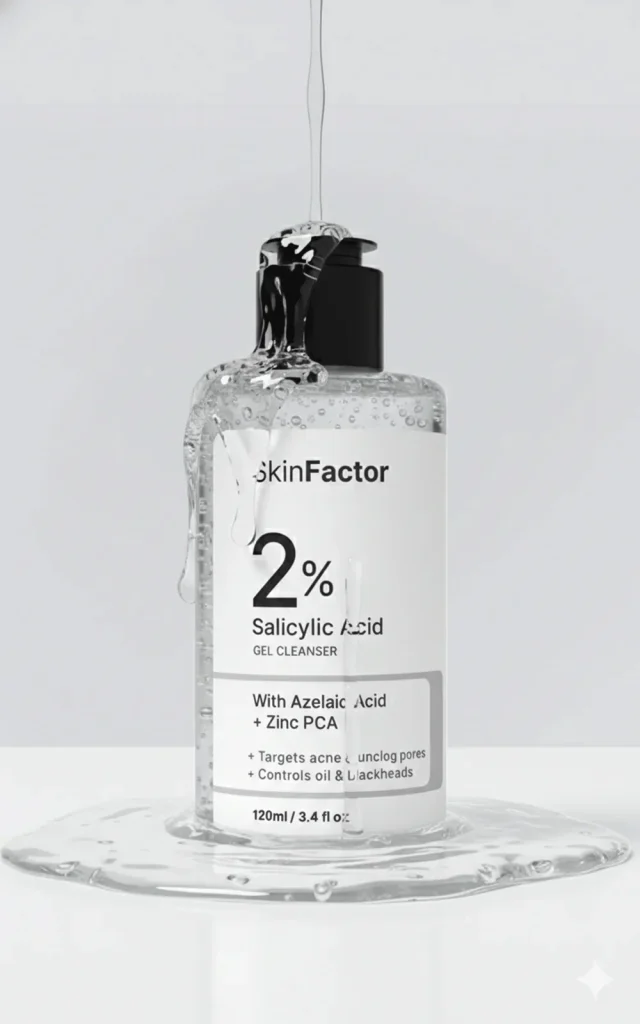
When it comes to building an effective skincare routine for oily, acne-prone, or congested skin, the cleanser is often overlooked. Most people focus their attention on serums and treatments, assuming the cleansing step is simply about washing away dirt. But a salicylic acid cleanser does far more than that. By incorporating this powerful beta-hydroxy acid (BHA) into the very first step of your routine, you give your skin a head start on fighting breakouts, unclogging pores, and maintaining a smoother texture, all before any other product even touches your face.
What Is Salicylic Acid?
Salicylic acid cleanser is a beta-hydroxy acid known for its oil-soluble nature, which allows it to penetrate through sebum and travel deep into the pore lining. Unlike alpha-hydroxy acids (AHAs) such as glycolic or lactic acid, which primarily work on the surface of the skin, salicylic acid can dissolve the buildup of dead skin cells and oil that accumulates inside the pore itself. This is what makes it such a popular choice for those dealing with blackheads, whiteheads, and recurring breakouts.
In a cleanser, salicylic acid is typically formulated at lower concentrations than in leave-on serums or treatments, usually somewhere between 0.5% and 2%. While the wash-off nature of a cleanser limits how deeply it can work compared to a serum, it still offers meaningful benefits, especially when used consistently as part of a daily routine.
How Does a Salicylic Acid Cleanser Work?
When you apply a salicylic acid cleanser, the acid begins to interact with the outer layers of your skin and the openings of your pores during the brief time it’s in contact with your face. It works to loosen and dissolve the bonds holding together dead skin cells and excess sebum, allowing both to be rinsed away more effectively than they would be with a basic, non-medicated cleanser.
This isn’t just a deeper clean. Over time, regular use helps prevent the buildup that leads to clogged pores in the first place, making it a preventive measure as much as a treatment. Many dermatologists describe this as one of the gentlest ways to introduce salicylic acid into a routine, since the short contact time reduces the risk of irritation compared to leave-on formulations.
Key Benefits of Using a Salicylic Acid Cleanser
1. Daily Pore Maintenance
Because it’s used once or twice a day, a salicylic acid cleanser provides consistent, ongoing maintenance for pores prone to clogging. This makes it especially useful for people who deal with recurring blackheads or a rough, bumpy texture around the nose, chin, and forehead.
2. Reduces Breakouts Over Time
While a single wash won’t clear up active acne, consistent use helps prevent new breakouts by keeping pores clear of the debris that leads to inflammation. Many people find that incorporating it into their routine reduces the frequency and severity of breakouts over several weeks.
3. Controls Oily Skin
Salicylic acid cleansers help manage the appearance of excess oil by clearing out pore congestion, which can make skin look shinier and more textured. While they don’t reduce oil production at the source, they keep the skin’s surface looking more balanced and matte throughout the day.
4. Gentle Exfoliation Without Scrubbing
Unlike physical scrubs, which can cause micro-tears and irritation, a salicylic acid cleanser offers chemical exfoliation without any abrasive action. This makes it a gentler option for smoothing texture, especially for those with sensitive or reactive skin who can’t tolerate harsh physical exfoliants.
5. Helps Prep Skin for Other Products
Cleansing with salicylic acid can help clear away surface buildup, allowing serums and moisturizers applied afterward to absorb more effectively into the skin.
Who Should Use a Salicylic Acid Cleanser?
This type of cleanser is best suited for those with oily, combination, or acne-prone skin. If you regularly struggle with blackheads, enlarged pores, or breakouts, especially around the T-zone, a salicylic acid cleanser can be a simple and effective addition to your daily routine.
That said, those with dry or sensitive skin should approach it with some caution. Even though the contact time is short, daily use of a BHA cleanser can still lead to dryness, tightness, or irritation for some skin types. If you fall into this category, consider using it every other day, or look for formulations that include hydrating ingredients like glycerin or hyaluronic acid to help offset the exfoliating effect.
How to Use It Properly
- Wet your face first. Apply the cleanser to damp skin and massage gently in circular motions for about 30 to 60 seconds.
- Don’t over-wash. Once or twice a day is sufficient. Over-cleansing can strip the skin’s natural barrier and lead to increased oil production as a rebound effect.
- Rinse thoroughly. Make sure all product is rinsed off with lukewarm water to avoid residue that could cause irritation.
- Follow with moisturizer. Since salicylic acid can be drying, always follow up with a suitable moisturizer to maintain hydration.
- Pair thoughtfully with other actives. If you’re already using a salicylic acid serum or retinoid elsewhere in your routine, be mindful of how much total exfoliation your skin is getting in a day. A cleanser alone is usually gentle enough to combine with other actives, but everyone’s tolerance differs.
- Don’t forget sunscreen. As with any exfoliating acid, sun sensitivity can increase slightly with regular use, so daily SPF remains important.
Potential Side Effects
Most people tolerate salicylic acid cleansers well due to their short contact time, but some may still experience mild dryness, tightness, or flaking, particularly with daily use or in combination with other active ingredients. If you notice persistent irritation, redness, or peeling, it may help to scale back to every other day or switch to a lower concentration formula.
As with any active ingredient, those who are pregnant or breastfeeding should check with a healthcare provider before regular use, even though topical salicylic acid in cleanser form is generally considered low-risk due to minimal systemic absorption.
Choosing the Right Product
When shopping for a salicylic acid cleanser, look for a concentration between 0.5% and 2%, depending on your skin’s sensitivity and tolerance. Gel-based formulas tend to suit oily skin well, while cream-based versions with added hydrating ingredients can be a better fit for combination or slightly drier skin types. Avoid cleansers with added fragrance or harsh sulfates if your skin tends to react easily, as these can amplify irritation when combined with an active acid.
Final Thoughts
A salicylic acid cleanser is a simple, low-commitment way to bring the benefits of BHA exfoliation into your daily routine. While it won’t replace the deeper, more targeted action of a leave-on serum or treatment, it plays an important supporting role in keeping pores clear, texture smooth, and breakouts at bay over time. Used consistently and paired with proper hydration and sun protection, it can become one of the most reliable steps in a routine built for oily or acne-prone skin.